

Executive Overview
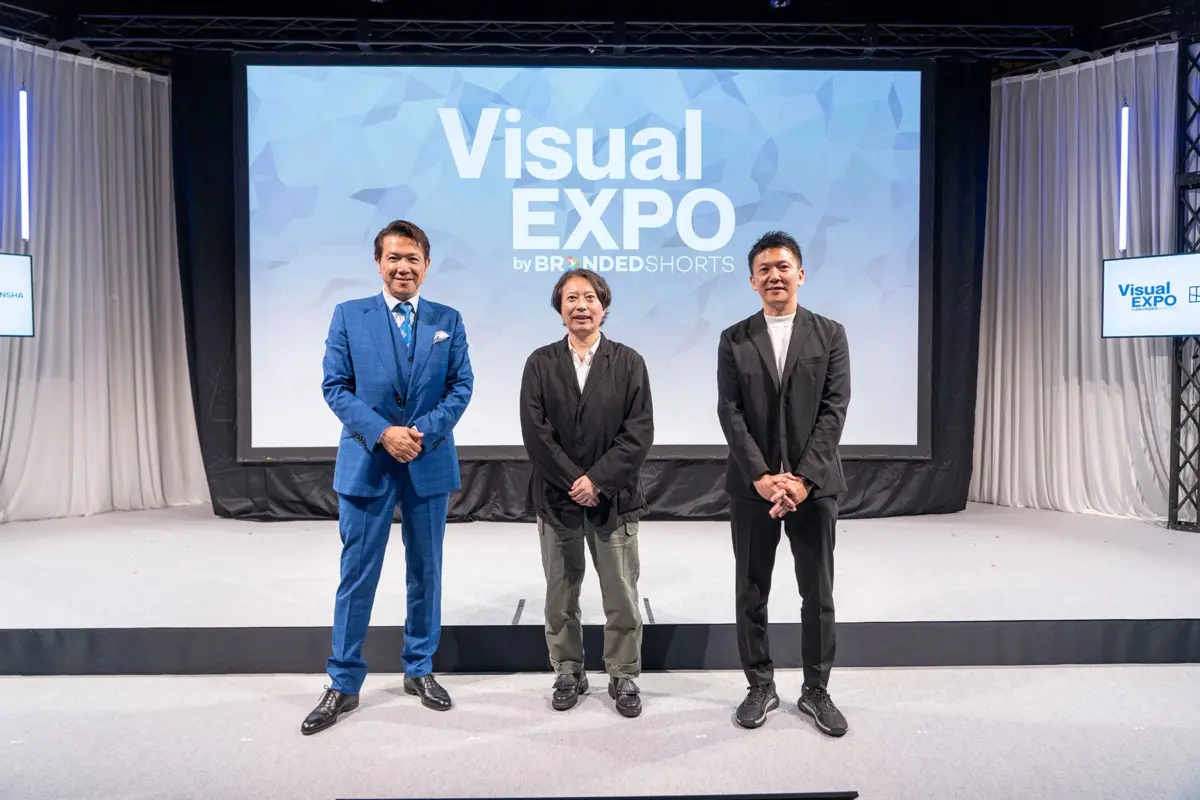
The intersection of artificial intelligence, creative agency workflows, and commercial storytelling reached a watershed moment at Visual EXPO by BRANDED SHORTS 2026, held on September 28 and 29, 2026. This landmark two-day event convened industry leaders, digital artists, corporate executives, and technologists to examine the profound paradigm shifts rattling the foundations of the global production ecosystem. As generative artificial intelligence models transition from novel experimentation to core production infrastructure, the commercial film industry faces both unprecedented creative democratization and existential operational anxiety.
At the heart of the discourse was a paradox that has come to define the modern creative economy: while AI-powered toolkits—such as advanced text-to-video engines, automated editing suites, and procedural audio design platforms—promise to collapse production timelines and democratize high-end visual effects, they simultaneously threaten traditional labor models, copyright frameworks, and the artisanal integrity of human-led direction.
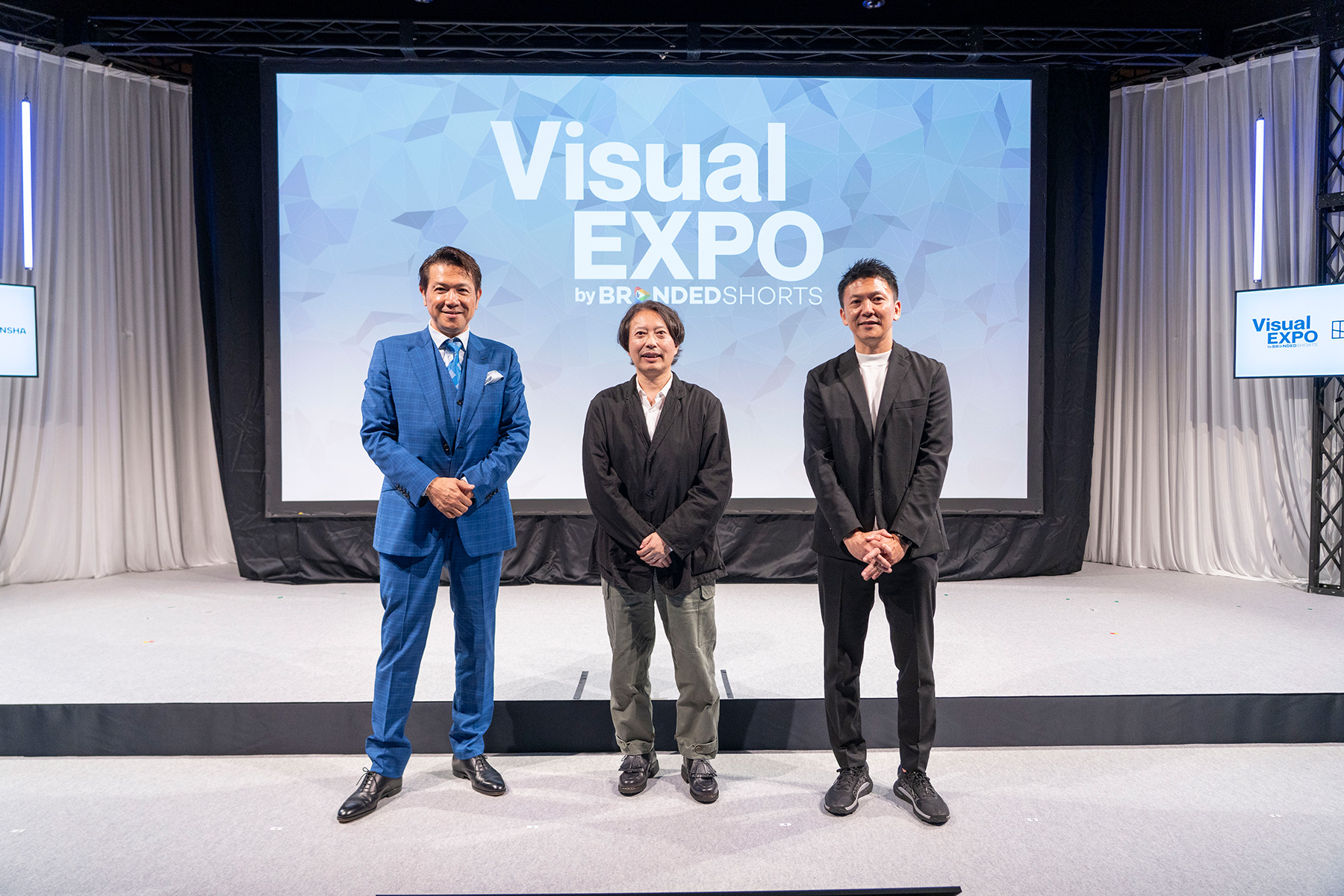
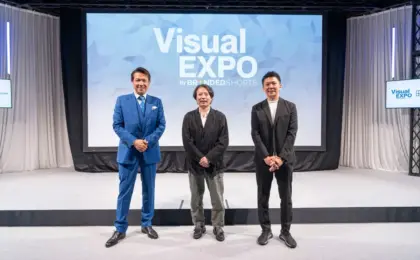
The summit featured rigorous panel discussions, retrospective screenings, and live demonstrations led by prominent industry figures, including creative director Kensuke Sakai and award-winning film director Kotaro Ishii. Through meticulous analysis of current campaign methodologies and forward-looking projections, the 2026 Visual EXPO painted a complex, high-stakes portrait of an industry caught in the turbulent slipstream of technological revolution.
Detailed Chronology: The 2026 Visual EXPO Experience
Day One: The Paradigm Shift and the Rise of Procedural Content
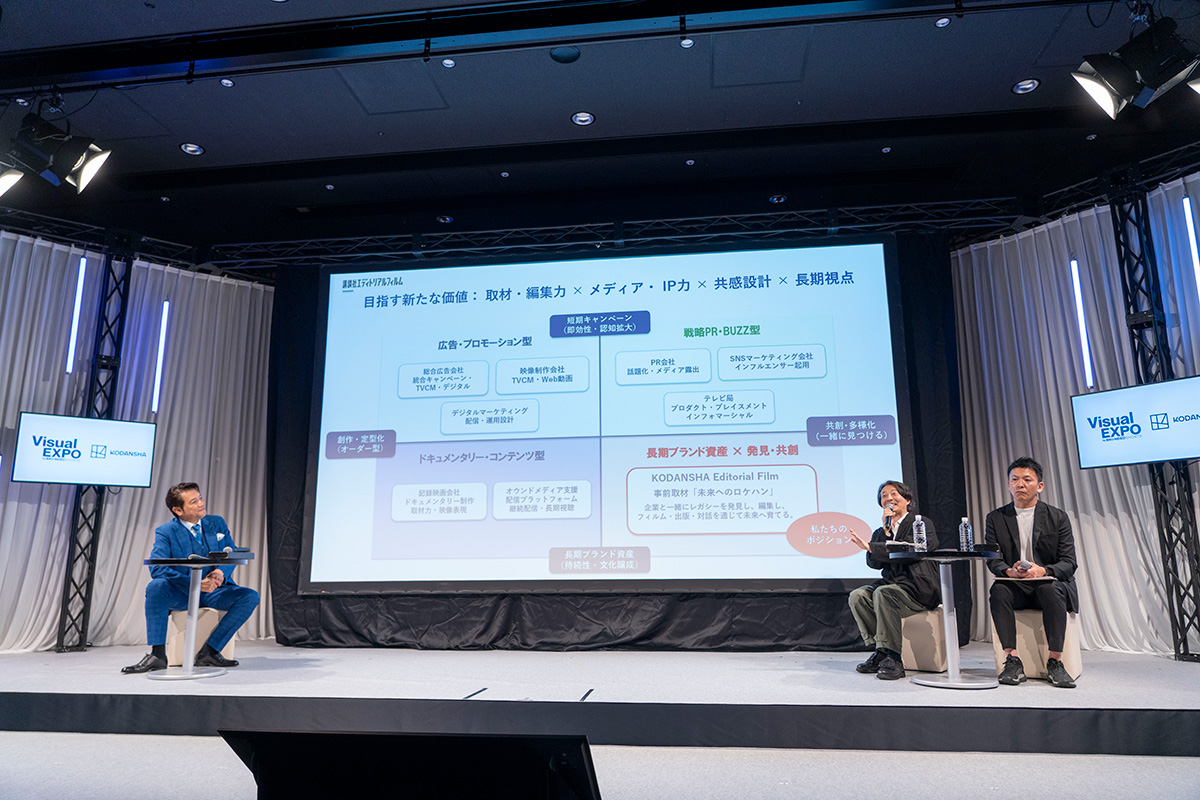
The inaugural day of the expo opened with high-impact keynote addresses that directly confronted the integration of generative AI within agency pipelines. Opening panels focused on the shifting economics of commercial production, noting a significant surge in demand for rapid-turnaround digital assets.
Industry veterans discussed how corporate clients increasingly expect Hollywood-grade visual fidelity within indie-film budgets and timeframes. This compression of time and capital has forced agencies to rethink their traditional departmental silos. Copywriters, art directors, and traditional editors are finding their workflows augmented—and in some cases disrupted—by multimodal AI models capable of generating storyboards, animatics, and rough cuts in a matter of minutes.
A focal point of Day One was the exploration of intellectual property (IP) rights in an era where training data often blurs the lines between inspiration and infringement. Legal experts and agency heads engaged in sharp debates regarding liability, consent, and compensation for artists whose styles and likenesses are ingested by machine learning algorithms. The consensus among panelists was clear: while copyright laws remain woefully outdated, the onus has shifted to agencies and brands to establish ethical guardrails independently.
Day Two: Human-Centric Direction vs. Algorithmic Efficiency
The second day transitioned from broad economic theories to tactical implementation, featuring case studies of recent campaigns that successfully—or controversially—utilized AI tools.
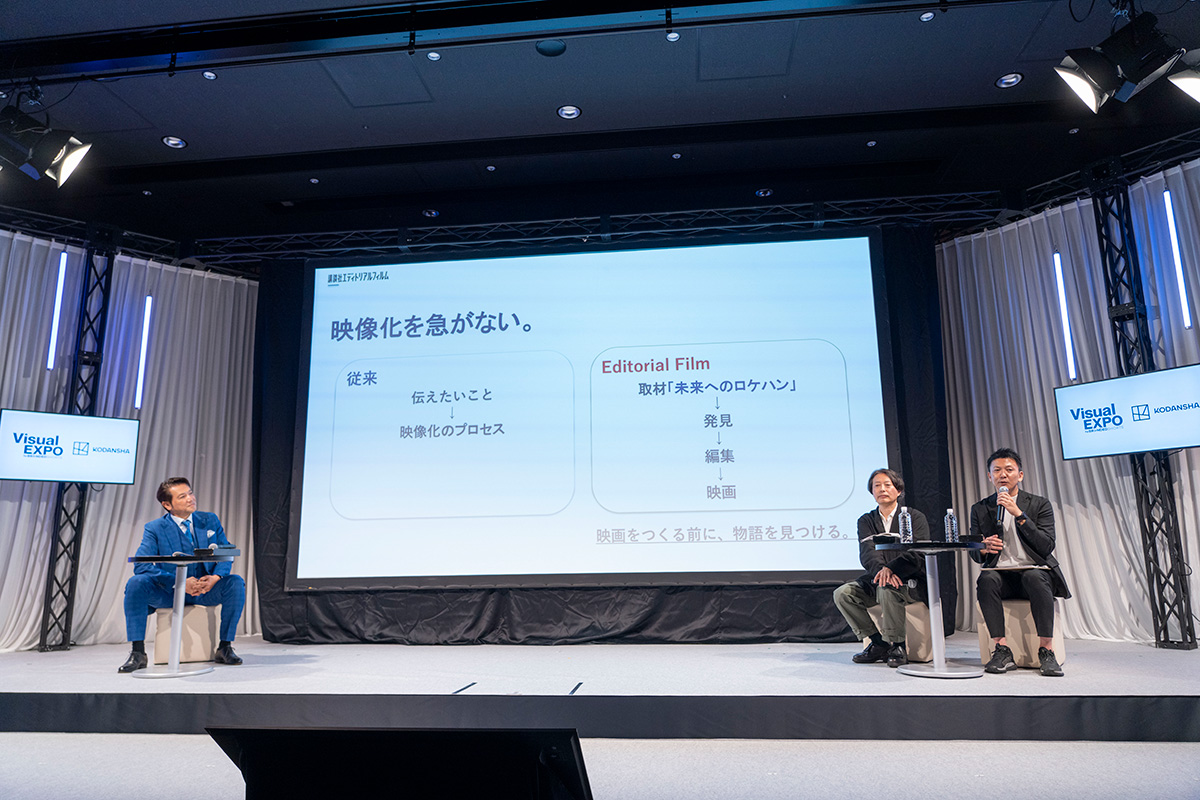
A standout session, titled "AI-Driven Storytelling: Efficiency vs. Artistic Soul," examined the tension between maximizing output and preserving human nuance. Directors shared their experiences utilizing large language models like Anthropic’s Claude for script ideation and structural breakdown. While many praised the technology for breaking writer’s block and generating alternative narrative arcs, others sounded notes of caution, warning against the homogenization of creative output.
The afternoon sessions showcased groundbreaking workflow demonstrations. Attendees witnessed live integrations of next-generation rendering engines that allow creators to manipulate lighting, camera angles, and character performances in real-time post-production. These demonstrations underscored a central theme of the 2026 expo: the most successful creators are not those who resist automation, but those who learn to conduct generative AI systems with the precision of a classical orchestra conductor.
Supporting Context & Metrics: The State of Branded Shorts in 2026
To contextualize the discussions at the 2026 Visual EXPO, one must examine the broader macro-trends shaping the short-form commercial video landscape. Over the past three years, the volume of branded content submissions has skyrocketed, driven by the proliferation of social-first video platforms and the insatiable consumer appetite for short-form, high-impact narratives.
According to data presented by the Branded Shorts committee, the total number of submissions crossed the 3,242 mark across various global categories for the 2026 cycle. This staggering figure represents a dramatic acceleration in production output, fueled almost entirely by the accessibility of AI-assisted generation tools.
| Metric Category | 2024 Baseline | 2026 Current Figure | Growth / Trajectory |
|---|---|---|---|
| Global Submissions | ~1,850 entries | 3,242 entries | +75% (Surge driven by AI tool accessibility) |
| Average Production Timeline | 6–8 weeks | 1–3 weeks | -65% (Time compression via procedural workflows) |
| AI Integration Rate | < 15% of workflows | ~68% of workflows | Rapid mainstream adoption across agencies |
| Copyright Dispute Filings | Low (Emerging) | High (Widespread) | Escalating legal friction regarding training data |
However, this quantitative explosion has introduced qualitative vulnerabilities. Industry analysts note that while the baseline production quality of commercial shorts has risen universally, truly distinctive, culturally resonant work has become harder to isolate within the digital noise. The democratization of high-end visuals has paradoxically commoditized aesthetics, making differentiation more dependent on conceptual originality than technical execution.
Official Statements and Industry Insights
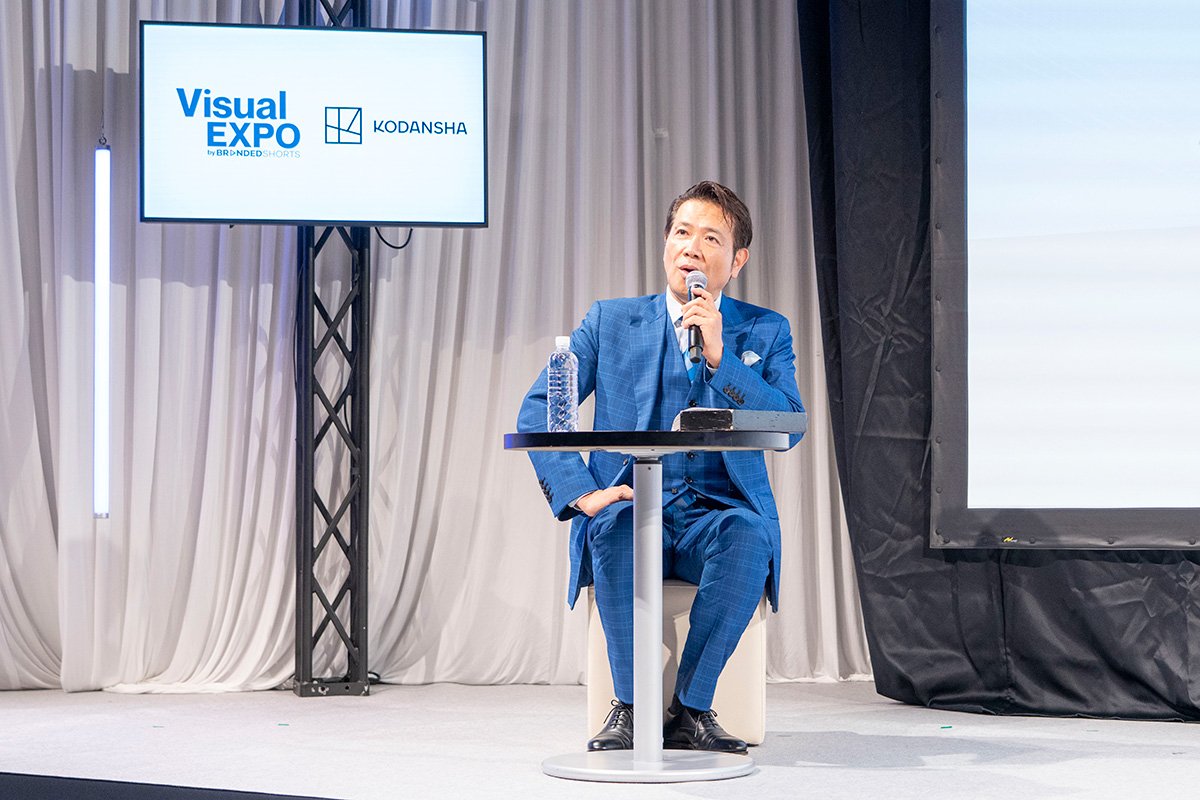
Throughout the summit, key figures articulated the nuanced realities facing modern creators. Creative director Kensuke Sakai emphasized the necessity of maintaining artistic intentionality amidst the technological rush.
"We are no longer simply producing films; we are managing systems of generation," Sakai remarked during his keynote address. "The danger lies in mistaking efficiency for creativity. AI can synthesize millions of reference points, but it cannot experience heartbreak, joy, or cultural dislocation. Those lived human experiences are the raw materials of true resonance, and they cannot be algorithmically outsourced."
Echoing this sentiment, film director and industry veteran Kotaro Ishii addressed the economic pressures facing mid-tier production houses.
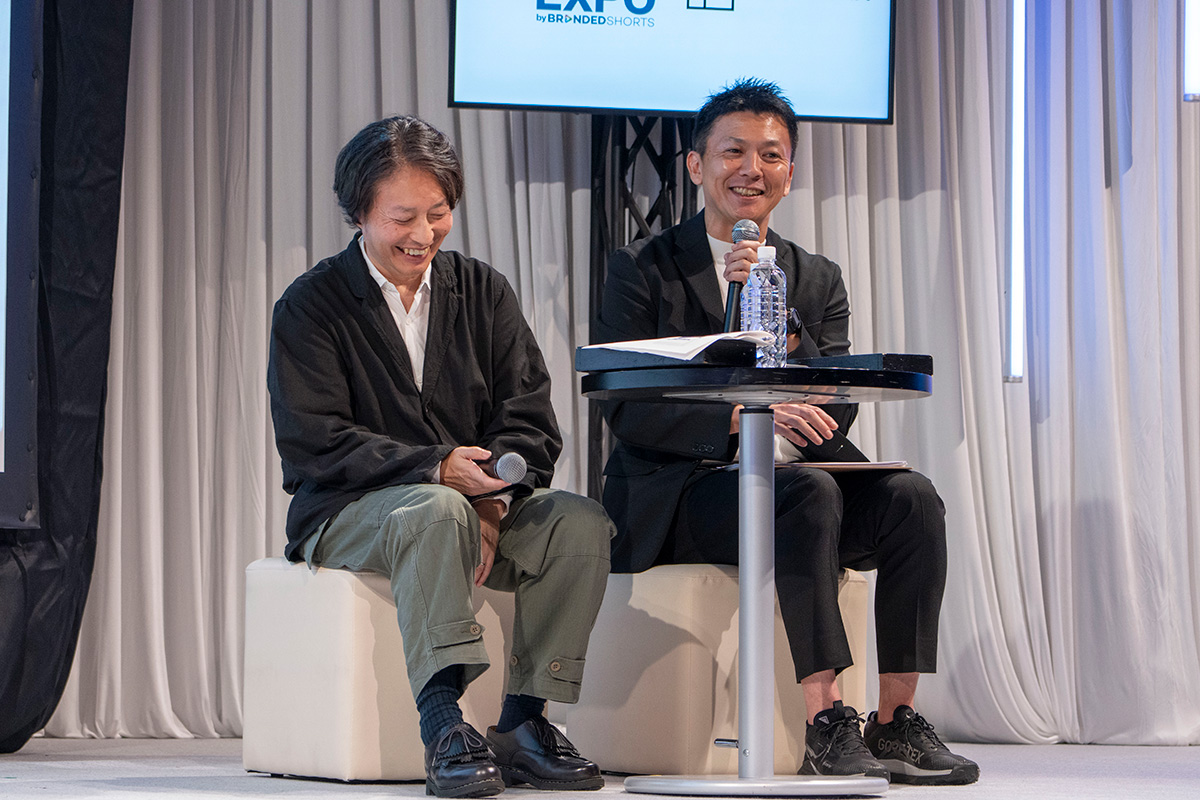
"Clients want Hollywood-level CGI on a micro-budget, and they want it yesterday," Ishii stated during a panel on production economics. "Generative tools allow us to meet those demands, but we must be vigilant. If we hollow out the foundational training grounds for young artists—the junior positions where they learn the craft through repetitive, hands-on labor—we risk hollowing out the future of our own industry."
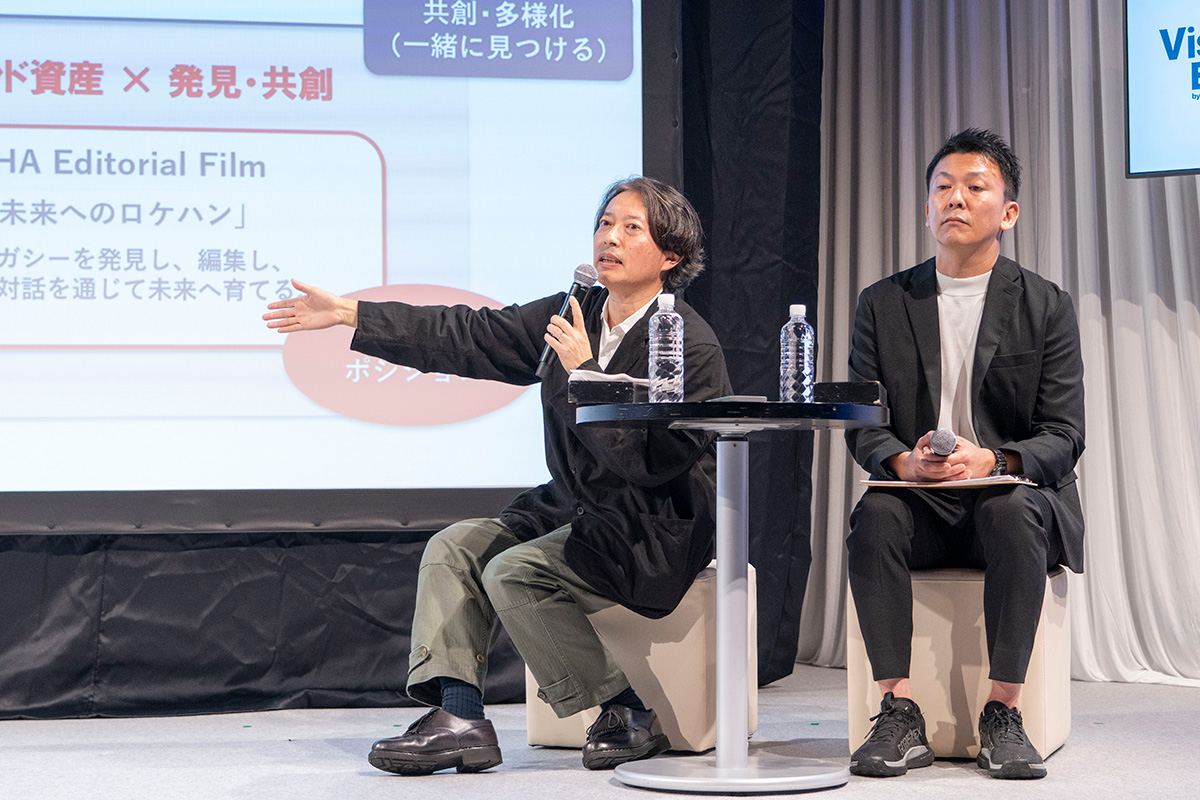
The dialogues at Visual EXPO 2026 repeatedly circled back to the concept of "Augmented Creativity"—a framework wherein human directors act as curators and editors of AI-generated possibilities rather than traditional fabricators of every individual frame. This shift demands a radical restructuring of skill sets, requiring modern creators to master prompt engineering, algorithmic direction, and ethical oversight alongside classical composition and narrative pacing.
Future Outlook: The Road to 2027 and Beyond
As the curtains closed on Visual EXPO 2026, the industry was left with a clear mandate: adapt, regulate, or become obsolete. The conversations initiated during the two-day event are expected to reverberate across boardrooms, union negotiations, and software development labs over the coming months.
The Branded Shorts organization announced plans to expand its evaluation criteria for future awards cycles, introducing specialized categories that explicitly assess the ethical sourcing of training data and the transparent disclosure of AI tool usage in commercial projects. These changes aim to reward studios that pioneer responsible AI integration while maintaining rigorous standards for human creative labor.
Furthermore, the expo served as a launchpad for several industry-wide initiatives designed to protect creators’ rights. Collaborations between advertising agencies, legal scholars, and tech developers are already underway to draft standardized licensing agreements for likeness and style transfer—addressing a major legal grey area that has plagued the digital marketing sector.
Key Takeaways for the Industry
- The Skills Shift: Technical execution is no longer the primary differentiator; conceptual vision, prompt mastery, and curatorial curation define top-tier creative leadership.
- Ethical Imperatives: Brands and agencies must establish transparent provenance for their training data to avoid catastrophic public relations backlashes and copyright litigation.
- Preserving the Pipeline: The industry must intentionally protect entry-level roles and mentorship structures to prevent the erosion of foundational craft knowledge.
In conclusion, Visual EXPO by BRANDED SHORTS 2026 did not offer simplistic comforts or dystopian warnings; instead, it provided a pragmatic roadmap for navigating the most disruptive era in the history of commercial media. As artificial intelligence continues to mature, the defining challenge for the next generation of filmmakers will not be mastering the machine, but preserving the irreplaceable depth of the human soul within the digital frame.




Belum ada komentar. Jadilah yang pertama berkomentar!