

By Craig Robinson
Senior Editor, Esports News UK
Last Updated: August 25, 2026
Executive Overview
The fragile balance between community-driven creative freedom and institutional accountability within competitive gaming has suffered a major fracture. The JetaCup, a high-visibility, community-created League of Legends tournament hosted within the Spanish esports ecosystem, has been abruptly stripped of its official operating license following a severe controversy involving white supremacist symbolism and racial harassment.
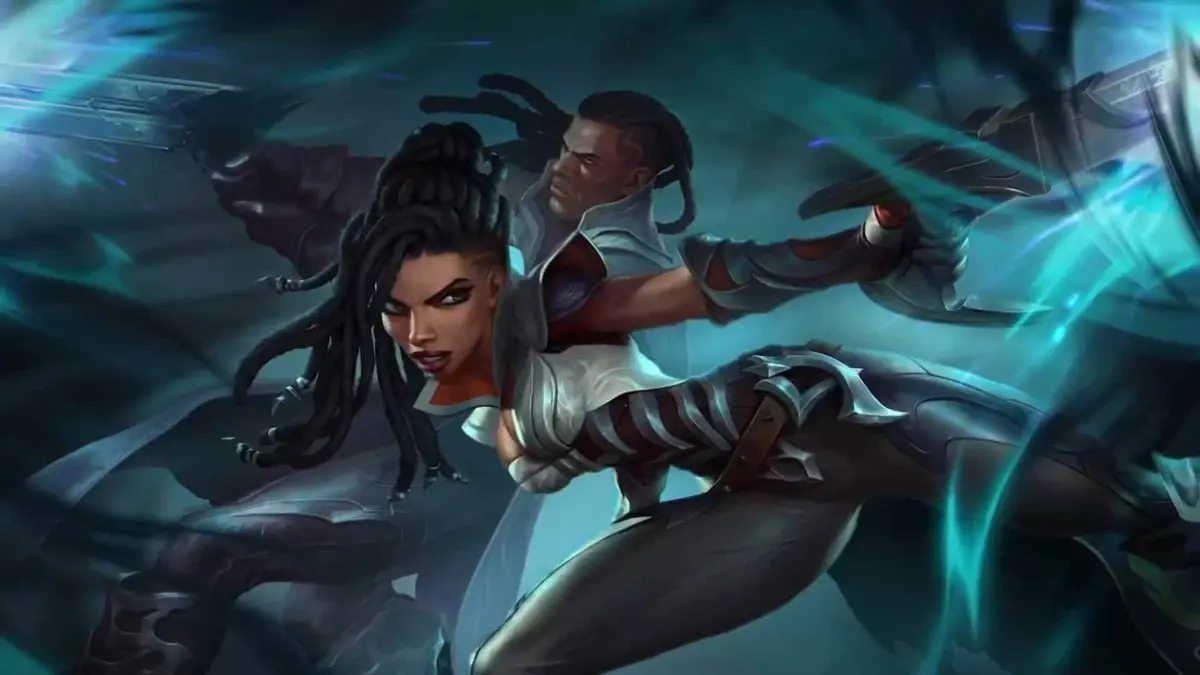
What began as an informal, lighthearted grassroots competition quickly unraveled into a cross-platform public relations crisis. The catalyst: a participating team operating under the banner of the "KeKe Clan"—a transparent nod to the Ku Klux Klan (KKK), the notorious American white supremacist hate group historically responsible for decades of racial terror, violence, and lynchings against Black individuals. This overt reference was compounded by an array of now-deleted posts and archived screenshots circulating on X (formerly Twitter) featuring targeted racial remarks and derogatory tropes concerning League of Legends champions Lucian and Senna.
The fallout was swift and merciless. Regional Spanish organizers Circuito Tormenta moved with unprecedented speed, issuing sweeping bans against the team and its individual players through 2027, while simultaneously revoking the JetaCup’s official licensing status. Prominent Spanish content creator and broadcaster Lyon Toad—whose namesake was utilized to brand and market the event—found himself scrambling to distance his personal brand from the unfolding scandal.
This incident serves as a glaring stress test for Riot Games’ newly liberalized community competition guidelines. Designed to empower creators and foster grassroots growth, the updated framework now faces intense scrutiny regarding how a lack of active administrative oversight can instantly jeopardize the reputation of major industry figures, high-profile professional coaches, and the broader competitive ecosystem.
Detailed Chronology: From "Silly Joke" to Ecosystem Exile
The descent of the JetaCup into administrative purgatory unfolded over a matter of days, quickly metastasizing from obscure social media jabs into a full-scale institutional crisis.
The Spark: Team Registration and Promotional Material
The controversy originated during the team onboarding phase of the JetaCup tournament cycle. A self-assembled roster registered under the name "KeKe Clan," accompanied by promotional graphics and imagery that critics immediately identified as stylized allusions to the Ku Klux Klan. While the team may have initially attempted to frame the moniker as an edgy or tongue-in-cheek internet joke, community watchdogs on social media quickly sounded the alarm, highlighting the undeniable parallels to American hate group iconography.
As scrutiny intensified, observers dug deeper into the digital footprints of individuals linked to the roster. Archived threads on platforms like Reddit exposed a series of now-deleted tweets originating from accounts associated with team members. These posts did not merely stop at suggestive naming conventions; they extended into explicit racial tropes, targeting Black League of Legends champions Lucian and Senna with discriminatory and derogatory commentary. The cross-pollination of these screenshots across public forums transformed the event from a localized competitive anomaly into a viral international talking point.
The Professional Crosswind
Compounding the severity of the situation was the tournament’s surprisingly high-tier personnel draw. Despite being marketed as a casual, grassroots "for-fun" competition, the JetaCup had successfully attracted notable figures from the professional tier of European League of Legends.
Just a week prior to the meltdown, the event featured a marquee matchup drawing on elite-level coaching talent: SK Gaming Head Coach David “OWN3R” Rodriguez de la Torre clashed with former Team Heretics coach Victor “Machuki” Machuca Segura. The participation of such high-profile figures underscored a troubling structural vulnerability within grassroots esports: professional personnel participating in unmoderated community events inadvertently lend corporate-adjacent legitimacy and institutional weight to platforms that may lack basic compliance frameworks.
The Hammer Falls: August 25, 2026
By the morning of August 25, 2026, the regulatory apparatus governing the Spanish competitive scene intervened decisively. Circuito Tormenta, the official local region organizers in Spain, issued a definitive ruling:
- Player and Team Bans: All members associated with the "KeKe Clan" roster were slapped with competitive bans extending through 2027, barring them from participating in any officially recognized regional events.
- License Revocation: The JetaCup was stripped of all operational support systems, tools, and its official license to operate within the Spanish League of Legends ecosystem, effectively terminating its status as an authorized community tournament.
Supporting Context & Metrics: The Open Ecosystem Dilemma
To understand the magnitude of the JetaCup fallout, one must examine the regulatory shifts that preceded it. Earlier in August 2026, Riot Games enacted sweeping revisions to its community competition guidelines—spearheaded by legacy-inspired initiatives like the modernization of "Triumphant Ryze" frameworks. These updates were explicitly engineered to lower the barrier to entry, making it significantly easier for independent tournament organizers, streamers, and local communities to spin up their own competitive circuits without running a gauntlet of bureaucratic red tape.

| Regulatory Phase | Before August 2026 | Post-August 2026 Revision |
|---|---|---|
| Barrier to Entry | High (Rigorous application processes, strict vetting) | Low (Streamlined guidelines, open creation framework) |
| Organizer Autonomy | Limited (Heavy direct oversight from regional publishers) | High (Greater self-governance and operational freedom) |
| Monitoring & Moderation | Centralized publisher checks | Decentralized (Relies heavily on third-party organizer enforcement) |
| Reputational Exposure | Contained via gatekeeping | Amplified (Higher volume of unvetted grassroots events) |
While this decentralization successfully unlocked grassroots creativity, it introduced a volatile byproduct: the dilution of baseline moderation standards. In legacy esports models, publisher gatekeeping acted as an early-warning filter against toxic team names, discriminatory branding, and extremist dog-whistling.
In an open-access ecosystem, that responsibility shifts entirely to tournament operators and community leaders—many of whom operate without legal teams, compliance officers, or standardized content moderation pipelines. The JetaCup catastrophe illustrates the exact systemic risk analysts feared: when structural guardrails are removed in the name of accessibility, bad actors can exploit the vacuum to propagate hate speech under the guise of "edgy meme culture."
Furthermore, Riot Games’ overarching global code of conduct leaves no ambiguity regarding these violations. The publisher’s community competition guidelines explicitly dictate that participants must abstain from “abusive, exclusionary, fraudulent or otherwise harmful behaviour.” A team openly styling its identity after a white supremacist terrorist organization flagrantly breaches both the letter and the spirit of these anti-harassment clauses, forcing the hand of regional governing bodies like Circuito Tormenta to act swiftly before publisher-level sanctions became inevitable.
Official Statements and Damage Control
As the regulatory penalties dropped, the individuals caught in the crossfire rushed to publicly clarify their positions, highlighting the dangerous professional liabilities of unvetted brand associations.
Lyon Toad’s Address to the Community
Content creator and broadcaster Lyon Toad—whose personal brand and likeness were intrinsically tied to the tournament’s identity—took to streaming platforms during the early hours of the morning to address his Spanish audience. Visibly shaken by the scale of the backlash, Toad maintained that he held zero administrative control or operational affiliation with the tournament’s management team. According to Toad, his involvement had been historically restricted to lending his name to the event and casting the Grand Finals in prior iterations.
Later utilizing his official X account, Toad issued a candid apology translated as follows:
"I didn’t think they could do something like this. Obviously I shouldn’t have lent my image to third parties without supervising it, but I never thought something of this style would happen. The idea was always to make silly tournaments for people to have a good time. It won’t happen again because…"
— LYON Toad (@ToadAmarillo), August 25, 2026
Toad’s admission underscores a common pitfall in modern influencer marketing: content creators frequently monetize their personal equity by endorsing third-party events without conducting due diligence on the administrative structures operating behind the scenes. When those events implode, the influencer’s brand equity is permanently singed by association.
Future Outlook: Accountability in the Open Era
The JetaCup controversy will undoubtedly serve as a watershed moment for the European—and global—League of Legends grassroots scene. As esports publishers continue to champion decentralized, open-source competitive models, the events of late August 2026 prove that freedom without enforced compliance is a liability.
Moving forward, several systemic adjustments are expected across regional competitive landscapes:
- Stricter Vetting for Endorsed Personalities: Streamers, coaches, and professional figures will likely exercise extreme caution before attaching their names or likenesses to community-led tournaments, demanding strict oversight clauses in any promotional agreements.
- Proactive Compliance Toolkits: Regional bodies like Circuito Tormenta may introduce mandatory digital vetting tools or pre-screening protocols for team registration names and branding materials, closing the loopholes exploited by the "KeKe Clan" roster.
- Zero-Tolerance Enforcement Precedents: The swift eradication of the JetaCup’s license sets a clear benchmark. Regional organizers have signaled that they will not hesitate to execute the "nuclear option"—revoking entire tournament licenses—if event administrators fail to police their rosters against hate speech and exclusionary behavior.
Ultimately, the open-ecosystem model championed by modern publishers relies on a social contract between creators, players, and administrators. The JetaCup debacle serves as a harsh, unvarnished reminder that in the hyper-visible arena of competitive gaming, a failure of moderation is never just an isolated mistake; it is an institutional failure with immediate, irreversible consequences.






Belum ada komentar. Jadilah yang pertama berkomentar!