


Executive Overview
The modern video game industry is locked in a high-stakes crisis of its own making. For the better part of a decade, skyrocketing development budgets, ballooning team sizes, and five-to-seven-year production cycles have pushed traditional AAA game development to the brink of financial unsustainability. While major studios in tech hubs like California and Seattle continue to grapple with massive layoffs, soaring overhead, and rigid organizational structures, a quiet structural revolution is taking place across the global development landscape.
Nowhere is this shift more pronounced than at Saber Interactive. In a revealing and wide-ranging interview with GamesIndustry.biz at Gamescom, Saber Interactive Chief Creative Officer Tim Willits dropped a bombshell regarding the company’s internal operations: Saber no longer maintains any active game development studios in North America. Aside from a streamlined publishing footprint in the region, every pixel of code, conceptual design, and animated asset for Saber’s portfolio is now forged by a decentralized, globally distributed network of international subsidiaries.
Willits’ revelations pull back the curtain on a radically different approach to modern game creation—one that challenges the long-held industry dogma that top-tier blockbusters require multi-million-dollar coastal studios. By leveraging international talent markets, keeping team structures lean, and actively rejecting the overspecialization that plagues Western monoliths, Saber Interactive has successfully rewritten the financial blueprint for producing massive commercial hits. Most notably, Willits pointed to Warhammer 40,000: Space Marine 2, a critically acclaimed blockbuster that cost a fraction of contemporary AAA budgets while vastly outperforming competing Western releases in both sales and profitability.
As the industry searches for a viable path forward amid an ongoing wave of restructuring and studio closures, Saber’s model offers a provocative look at how globalized development may well define the future of interactive entertainment.
Detailed Chronology & Strategic Pivot
The transformation of Saber Interactive from a traditional multi-studio developer into a borderless global powerhouse did not happen overnight; it is the culmination of years of deliberate strategic adjustments, international expansions, and structural adaptations.
The Foundation of Global Integration
Founded in 2001 by Matthew Karch and Andrey Iones, Saber Interactive initially established its footprint through eastern European development houses, maintaining strong technical pipelines in regions like Russia and Eastern Europe long before it became fashionable for Western publishers to outsource labor. Over the past two decades, the company systematically expanded its reach, positioning talent hubs across diverse geographic and economic landscapes.
When Saber was acquired by Embracer Group in 2020—and subsequently navigated a complex management buyout led by Karch in 2024 to become a private company—its decentralized DNA was already firmly cemented. Unlike traditional American publishers that anchor their operations in high-cost tech corridors, Saber doubled down on a borderless philosophy.
The Gamescom Revelation
The definitive confirmation of this structural evolution arrived at Gamescom, where Tim Willits bluntly outlined the reality of Saber’s footprint. When asked about North American development infrastructure, Willits stated unequivocally that the company has "no real development in North America anymore."
Rather than viewing international territories through a lens of risk or uncertainty, Saber embraced them as primary engines of innovation. The company established development offices and integrated remote talent pools across Serbia, Armenia, Georgia, Spain, Portugal, Sweden, Argentina, and Australia. By decentralizing its workforce, Saber bypassed the crushing operational costs of maintaining massive brick-and-mortar operations in North American metropolitan areas.
From Survival to Supremacy: The Space Marine 2 Triumph
The viability of Saber’s globalized model was put to the ultimate test with Warhammer 40,000: Space Marine 2, published by Focus Entertainment. Released to immense commercial and critical success, the game resonated deeply with fans of cooperative and action-heavy sci-fi combat.
However, the real story of Space Marine 2 lies behind the scenes. According to Willits, the game was produced at a fraction of the cost of competing Western AAA releases while moving millions of copies to a hungry global audience. By capitalizing on cost-effective, highly skilled international development teams without sacrificing production values, Saber demonstrated that epic scale and cinematic fidelity do not require a $200 million price tag or a California-based workforce.
Supporting Context & Metrics: The Math of Modern Studio Collapse
To fully grasp the significance of Saber’s shift, one must examine the staggering financial pressures currently crushing North American AAA development. The economic model that sustained the industry through the Xbox 360 and PlayStation 4 eras has buckled under the weight of inflation, scope creep, and compounding overhead.
The $2 Million Monthly Burn Rate
During his discussion, Tim Willits laid bare the alarming financial realities of operating a major development studio in the United States. According to Willits, large-scale North American studios frequently suffer from a monthly "burn rate" exceeding $2 million simply to keep the lights on and pay salaries.
+-------------------------------------------------------------------------+
|                  THE NORTH AMERICAN STUDIO FINANCIAL DRAIN              |
+-------------------------------------------------------------------------+
|  Average Monthly Burn Rate:        $2,000,000+                          |
|  Average Production Timeline:      5 to 6 Years (60–72 months)          |
|  Base Salaries Cost (5 Years):     $120,000,000+ (Before marketing/tech)|
+-------------------------------------------------------------------------+
When projects routinely stretch across five to six years of development—amounting to 60 to 70 months—the baseline labor cost for a single game easily crosses the $120 million threshold before a single dollar is spent on marketing, engine licensing, or third-party QA.
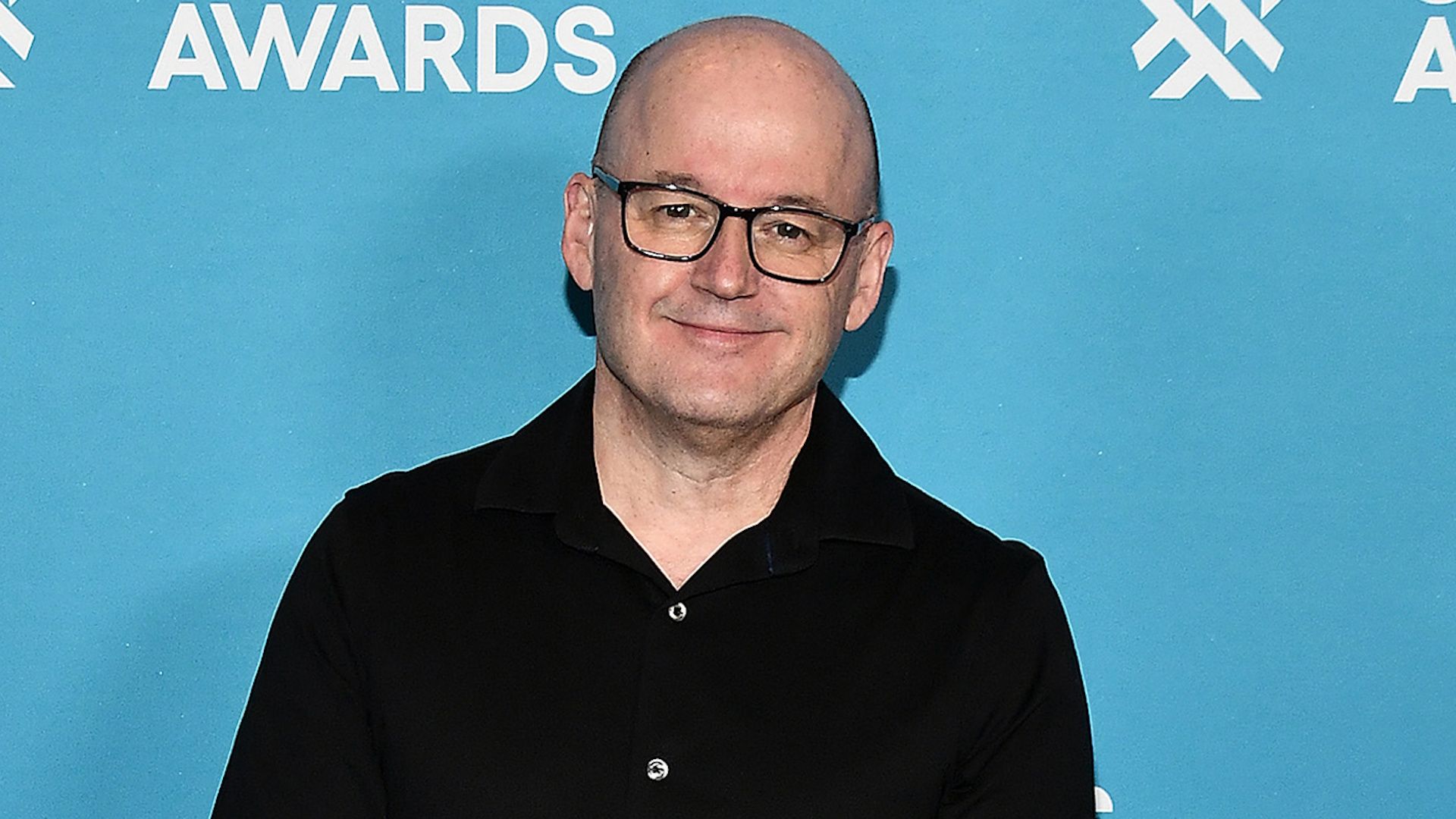
To contrast these astronomical figures, Willits pointed to Saber’s internal operational metrics. SnowRunner, a niche simulation game that became a massive financial success generating hundreds of millions of dollars in revenue, cost a mere $6 million to develop. In terms of California studio economics, $6 million represents a mere three months of operational burn.
The Overspecialization Trap
Beyond raw monetary costs, Willits has repeatedly pointed to cultural and structural inefficiencies within large Western studios as a primary driver of the ongoing industry crisis. Speaking on the topic of studio layoffs and instability, Willits diagnosed "overspecialization" as a cancer eating away at productivity.
In many contemporary American and Canadian studios, teams numbering in the hundreds are funneled into hyper-narrow roles. An animator might spend years working exclusively on facial micro-expressions for a single character type; a programmer might spend their entire tenure optimizing a single rendering pipeline. This lack of cross-functional versatility leaves studios vulnerable. When a project wraps, or if a single game is delayed or canceled, hundreds of hyper-specialized workers face sudden redundancy because their skill sets cannot be easily pivoted to other, leaner projects.
Official Statements & Industry Perspectives
Tim Willits’ unfiltered remarks have sparked intense debate across the gaming sphere, challenging executive complacency and forcing a critical re-evaluation of where and how games are built.
"We are not afraid of any territories," Tim Willits, Saber Interactive CCO, stated during his Gamescom interview. "Some publishers are afraid to work in territories they don’t understand, but we’re like, let’s go, let’s find some people that are talented, let’s give them what they need, and let’s make awesomeness. You don’t need to be in California to be a brilliant programmer or artist or animator."
Willits’ philosophy dismantles the long-standing geographic snobbery that once dominated the games industry—the persistent myth that world-class development could only happen within spitting distance of San Francisco, Los Angeles, or Seattle. By actively seeking out engineering and artistic talent in Eastern Europe, Latin America, and southern Europe, Saber has tapped into deep pools of technical excellence that are largely insulated from the hyper-inflated cost-of-living adjustments demanded by North American tech markets.
Furthermore, Willits did not mince words when discussing the financial recklessness of competing publishers:
"The problem is stuff like this: big North American development studios, they run about $2 million+ in burn rate a month. A month… So just run the math on that. If it takes [a big studio] five years to make a game, that’s 60 months, that’s $120 million just in salaries."
While Willits acknowledges the severe pain points currently gripping the industry—including widespread layoffs, record-high hardware costs, and general consumer fatigue—he remains remarkably optimistic about the underlying health of the medium. He argues that while the bloated, inefficient corporate structures of traditional AAA publishing are collapsing under their own weight, the broader art form and business of making video games has never been more vibrant, provided studios are willing to adapt their operating models.
Future Outlook: The Borderless Future of Game Development
The implications of Saber Interactive’s complete retreat from North American development studios extend far beyond corporate balance sheets; they signal a fundamental turning point for how the entire video game medium will be produced over the coming decade.
1. The Decentralized Studio Model Becomes the Standard
As venture capital tightens and parent companies demand immediate profitability over endless, high-risk gambles, the traditional centralized mega-studio model is rapidly losing favor. Saber’s success proves that globally distributed, remote-friendly, and multi-territory studio networks can deliver world-class, blockbuster-quality intellectual properties at a fraction of the cost. Expect other mid-sized and major publishers to aggressively restructure their development pipelines, offloading high-cost domestic offices in favor of agile international networks.
2. A Reckoning for North American Labor
The shift away from North American development hubs presents a complex double-edged sword for industry professionals. On one hand, it highlights the economic vulnerability of developers working in high-cost regions where a single corporate pivot can result in mass layoffs. On the other hand, it forces a re-evaluation of compensation structures, management bloat, and project scoping within Western markets. To remain competitive, domestic studios will ultimately be forced to adopt leaner team structures, curb runaway budgets, and embrace cross-functional training to combat the overspecialization crisis.
3. Democratization of Global Talent
By proving that elite programming, art, and design talent exist in abundance across Eastern Europe, Latin America, Iberia, and beyond, Saber Interactive has opened the floodgates for international development ecosystems. As digital infrastructure improves and cross-border collaboration tools become increasingly seamless, the geographic barriers that once concentrated creative power in a handful of coastal American cities are crumbling for good.
Conclusion
Tim Willits and Saber Interactive have articulated what many industry insiders have whispered for years: the traditional North American AAA development machine is broken, bloated, and unsustainable. By trading high-cost coastal studios for a nimble, borderless network of global talent, Saber has not only insulated itself from the worst of the industry’s ongoing economic downturns but has also charted a pragmatic, highly profitable roadmap for the future. As the dust settles on the current era of layoffs and restructuring, the studios that survive and thrive will likely be those bold enough to follow Saber’s lead—proving that greatness in game development is defined by talent and vision, not a California zip code.








Belum ada komentar. Jadilah yang pertama berkomentar!