

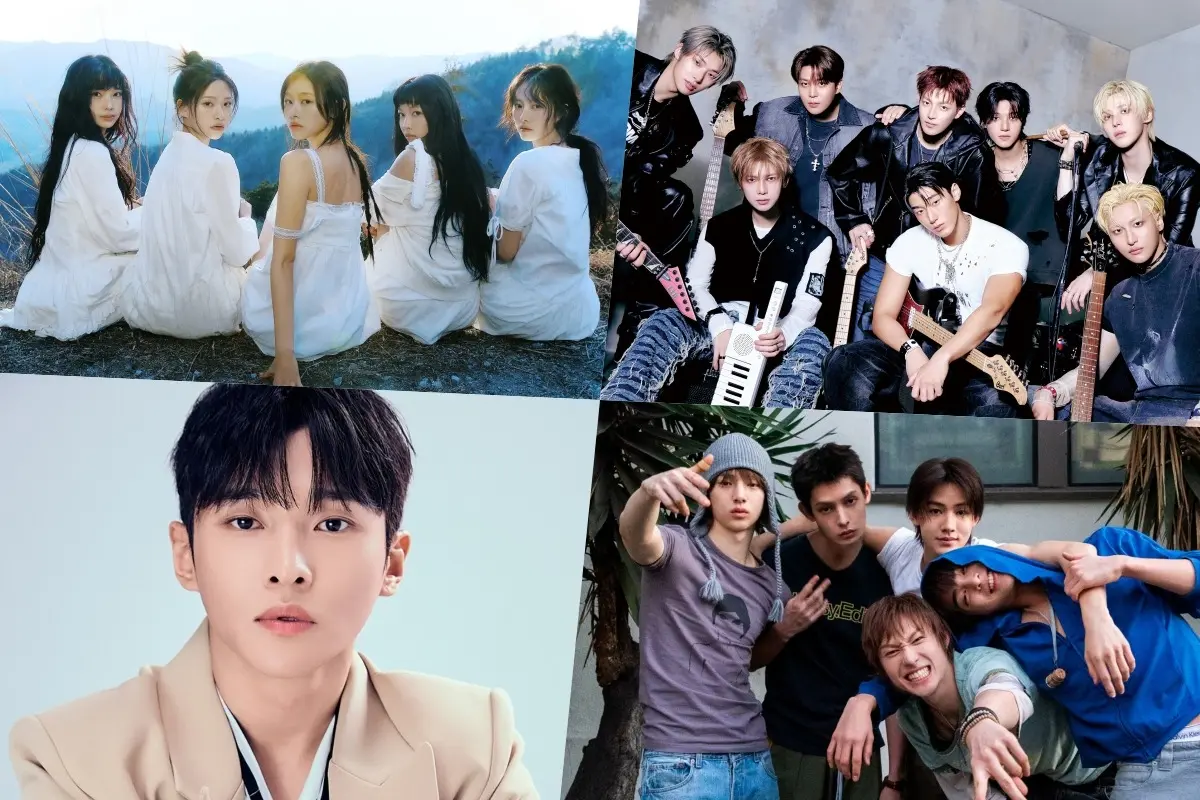
SEOUL — In an era where digital footprints dictate market viability, the Korean Business Research Institute has once again pulled back the curtain on the financial and cultural gravity of South Korea’s music industry. Releasing its highly anticipated brand reputation rankings for rising singers for the month of September, the Institute’s latest data paints a vivid picture of shifting consumer loyalties, viral moments, and the relentless machinery of modern pop culture.
Spanning a rigorous data-collection window from August 25 to September 25, the latest index cements the status of rookie sensations and seasoned powerhouses alike. Leading the charge with an iron grip is rookie girl group RESCENE, who not only defended their throne at the summit but did so with an astonishing surge in public engagement. Yet, the broader narrative of September’s rankings is one of aggressive upward mobility—marked by astronomical double- and triple-digit percentage jumps among soloists and alternative acts who are redefining what it means to capture the public imagination in the digital age.
Executive Overview: The Mechanics of Market Relevance
To understand the weight of these rankings, one must first understand the methodology. The Korean Business Research Institute does not base its findings on mere guesswork or physical album sales alone. Instead, it deploys sophisticated big data analytics to measure brand reputation indexes, a composite metric calculated through four distinct pillars:
- Consumer Participation Index: Measuring how actively everyday consumers engage with a star’s content, search queries, and direct brand interactions.
- Media Coverage Index: Tracking the volume, frequency, and reach of news articles, press releases, and digital journalism surrounding the artist.
- Interaction Index: Evaluating how social media users, fandoms, and online communities talk about and with the artist, including shares, comments, and real-time forum discussions.
- Community Awareness Index: Gauging the overall public perception, cultural resonance, and mainstream consciousness of the artist’s brand within the broader societal landscape.
For September, this multi-tiered analytical approach processed millions of data points to separate fleeting viral sensations from sustainable cultural phenomena. While established names like ATEEZ continue to leverage global fandom power, unexpected surges from solo artists like Seongri and Jang Han Byul demonstrate that the contemporary South Korean music consumer is increasingly dynamic, highly responsive to television appearances, and driven by cross-platform digital engagement.
Detailed Chronology: How the September Rankings Unfolded
The trajectory of this month’s chart was shaped by a continuous stream of comebacks, promotional cycles, and sudden media spikes that occurred throughout the late-summer transition from August into September.
Early September: The Baseline and Early Momentum
As the data collection period opened on August 25, the K-pop and Korean music landscapes were already heavily saturated with late-summer promotional campaigns. RESCENE entered this window riding the coattails of critically praised releases and active community engagement. Early web metrics indicated that the group’s digital footprint was expanding faster than any other rising act in the sector.
Concurrently, global powerhouse group ATEEZ maintained a steady, high-volume presence across international media outlets. Known for their fiercely loyal global fandom, ATEEZ’s baseline numbers remained remarkably robust during the opening week of the data window, securing their position near the top of the conversation without experiencing the sharp volatility often seen in rookie acts.
Mid-September: The Great Solo Surge
By the second week of September, the data began to reveal surprising shifts among solo artists. While mainstream idol groups typically dominate the upper echelons of brand reputation lists, mid-September saw an extraordinary groundswell of interest in vocalists with deep television and broadcast exposure.
Seongri, whose promotional activities and media appearances struck a profound chord with domestic audiences, experienced a monumental vertical climb. Digital listening parties, community forum threads, and a massive uptick in search queries propelled his metrics upward day by day. Similarly, Jang Han Byul captured significant media mindshare during this period, fueled by targeted public interactions and strategic project rollouts that resonated deeply with core demographic segments.
Late September: Finalizing the Index
As the data-collection window closed on September 25, algorithms processed the final wave of media reports, community board mentions, and streaming data. The resulting tally solidified RESCENE’s grip on the number one spot, while crowning a newly energized top five that reflects both the diversity of the modern Korean music consumer and the growing power of alternative and independent acts like CORTIS.
Supporting Context & Metrics: Breaking Down the Numbers
The raw data released by the Korean Business Research Institute tells a story of aggressive growth, particularly among the top five contenders for September.
1. RESCENE: The Undisputed Apex
- Brand Reputation Index: 8,160,727
- Month-over-Month Change: +17.33% increase since August
Holding firm at the number one position, RESCENE has proven that their previous success was no fluke. Recording an impressive 17.33 percent bump in their brand reputation index compared to the previous month, the group demonstrated sustained momentum. Their ability to grow their score from an already high baseline indicates that their fandom is not only expanding quantitatively but deepening qualitatively through active community participation and high media visibility.
2. ATEEZ: Sustained Global Dominance
- Brand Reputation Index: 3,437,673
Securing second place, ATEEZ continues to anchor their market position with impressive stability. While their brand index reflects a more mature, predictable curve compared to surging rookies, their numbers highlight the sheer strength of their international and domestic infrastructure. ATEEZ’s ability to comfortably command the upper tiers of the ranking without relying on temporary promotional gimmicks underscores the enduring strength of their brand equity.
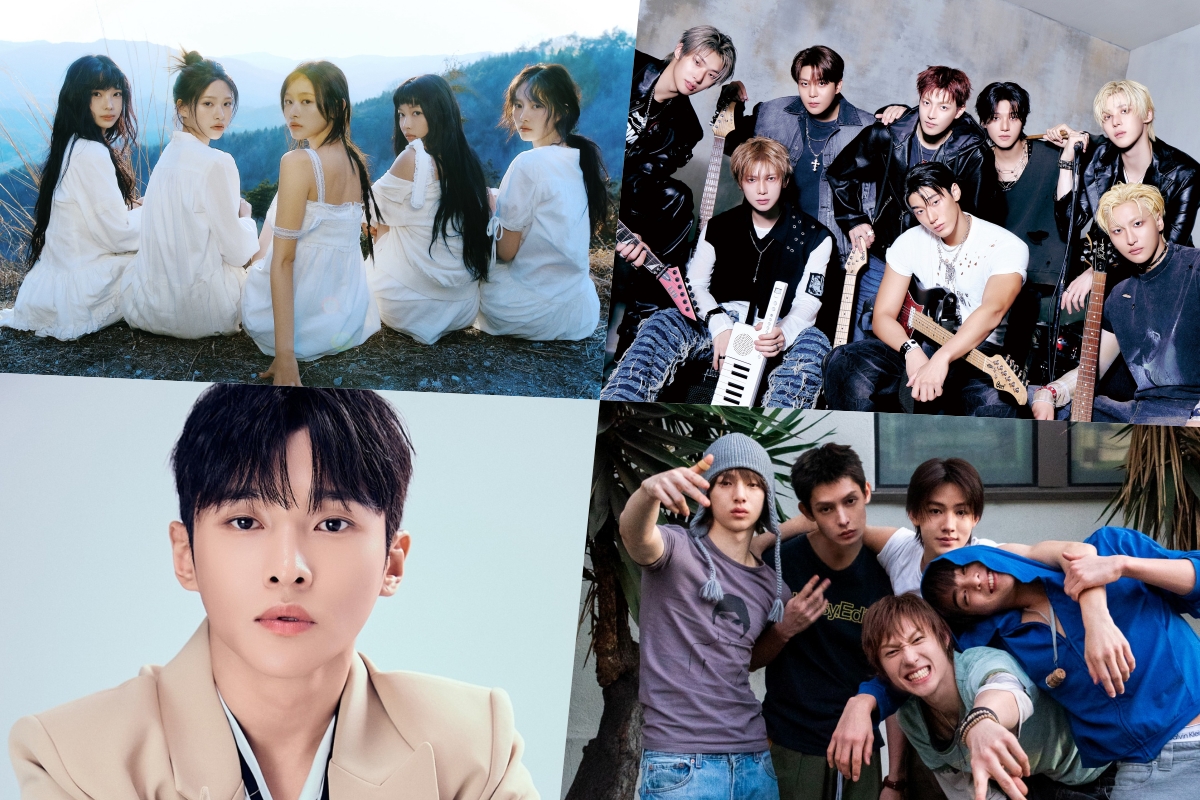
3. Seongri: The Phenomenal Breakout
- Brand Reputation Index: 3,241,649
- Month-over-Month Change: +99.28% increase since August
The most staggering statistical anomaly of the month belongs to Seongri. Registering a near-doubling of his brand value with an astronomical 99.28 percent increase, Seongri vaulted directly into third place. This near-100% surge points to a textbook case of viral reclamation—where targeted media coverage, public resonance, and enthusiastic community backing converge to thrust an artist into the center of the cultural conversation.
4. Jang Han Byul: Riding the Wave of Public Engagement
- Brand Reputation Index: 2,983,286
- Month-over-Month Change: +78.21% increase since August
Jang Han Byul mirrored Seongri’s trajectory of explosive growth, capturing fourth place with a remarkable 78.21 percent surge in his brand reputation index since August. Jang’s performance this month highlights the potent impact of active audience interaction indexes, proving that direct engagement channels are yielding massive dividends for soloists willing to lean into digital community spaces.
5. CORTIS: The Dark Horse Contender
- Brand Reputation Index: 2,933,342
Rounding out the top five, CORTIS secured a fiercely contested fifth position. Trailing just behind Jang Han Byul, CORTIS demonstrated that alternative and rising indie-leaning acts can successfully rival traditional idol groups in the big data arena. Their strong community awareness index suggests a loyal, highly active core following that punches well above its weight class in digital participation.
Official Statements and Industry Insights
While the Korean Business Research Institute maintains a strict policy of objective data aggregation rather than qualitative commentary, industry analysts and marketing executives have been quick to weigh in on what September’s rankings signify for the broader entertainment economy.
Speaking on condition of anonymity, a senior executive at a major Seoul-based entertainment talent agency noted:
"What we are seeing in the September data is a bifurcation of consumer attention. On one hand, groups like RESCENE and ATEEZ prove that institutionalized fandom building and high-concept visual rollouts capture the mass media index. On the other hand, the explosive climbs of artists like Seongri and Jang Han Byul remind us that emotional resonance and broadcast media presence can instantly mobilize dormant or under-indexed consumer segments."
Furthermore, digital marketing strategists point out that the rising importance of the Interaction Index has permanently altered how management companies plan promotional cycles. Artists who successfully bridge the gap between passive consumption (such as streaming audio) and active participation (such as commenting, sharing on community boards, and engaging with localized content) consistently outperform peers who rely solely on traditional broadcast appearances.
Future Outlook: What to Expect in the Fourth Quarter
As the music industry pivots toward the final quarter of the year, the implications of September’s brand reputation rankings will inevitably ripple through upcoming promotional strategies, year-end awards show considerations, and corporate endorsement deals.
The Battle for the Summit
For RESCENE, the immediate challenge will be maintaining their lofty perch. Holding an index score north of 8 million puts a massive target on the group’s back. Industry watchers will be scrutinizing whether their upcoming Q4 initiatives can sustain this nearly 20% monthly growth trajectory or if market fatigue will set in.
The Soloist Resurgence
The unprecedented jumps recorded by Seongri and Jang Han Byul signal a potential shift in advertiser preferences. Brands looking to tap into rising musical talent may increasingly turn their attention toward soloists who demonstrate high consumer loyalty and rapid adaptability. If these solo acts can convert their spiked September media coverage into long-term artistic output, the traditional dominance of large-scale idol groups could face a compelling challenge in upcoming quarters.
The Big Data Evolution
Ultimately, the Korean Business Research Institute’s monthly index serves as a crystal ball for the entertainment sector. As algorithms grow more refined and consumer habits continue to shift toward hyper-fragmented digital ecosystems, artists who master the intricate balance of participation, media coverage, interaction, and community awareness will continue to define the cultural soundtrack of South Korea and beyond.
As the calendar turns toward October, the race for brand supremacy resets—and the industry waits with bated breath to see who will capture the algorithm next.








Belum ada komentar. Jadilah yang pertama berkomentar!