On October 21, 2026, the independent development landscape witnessed a compelling new addition as studio sasoriken-games officially launched their latest PC title, Magical Girl Strategy: Demon-Hunting Squad (known in Japanese as 魔王討伐戦略), on the global digital distribution platform Steam. Merging tactical depth with the intricate mechanics of deckbuilding card games, this innovative release challenges players to master strategic combat, command supernatural forces, and navigate a rich, lore-heavy universe defined by a century of conflict.
At its core, the title introduces players to a uniquely gritty fantasy setting where traditional magical girl tropes meet the unforgiving realities of tactical warfare. Rather than simply relying on flashy spells and optimistic heroics, commanders must carefully construct decks, manage limited resources, and balance offensive maneuvers with defensive positioning. With its official release now live on Steam, the gaming community has begun dissecting the title’s multi-layered gameplay systems, evaluating its strategic complexity, and exploring the dark narrative threads woven throughout the campaign.
Detailed Chronology: The Journey to Launch
The development and eventual release of Magical Girl Strategy: Demon-Hunting Squad represent a meticulous process of iterative design, refinement, and community anticipation. While sasoriken-games kept the project under relatively tight wraps during its early conceptual phases, the studio’s vision gradually materialized through targeted milestone announcements leading up to the October 21 launch window.
Early Conceptualization and System Architecture
The foundation of Magical Girl Strategy: Demon-Hunting Squad was built upon a desire to subvert expectations within both the tactical RPG and deckbuilding genres. Initial development focused heavily on establishing a cohesive ruleset that marries card-draw mechanics with spatial grid movement. Unlike conventional deckbuilders that isolate card play from battlefield positioning, sasoriken-games engineered a system where every card played directly dictates spatial control, threat mitigation, and tactical advancement.
The October 2026 Release Window
As the launch date approached, sasoriken-games ramped up promotional efforts, showcasing high-resolution screenshots and gameplay previews that highlighted the game’s distinct aesthetic. On October 21, 2026, at 20:33, the title officially went live on Steam. The deployment was executed smoothly, granting global players immediate access to the full campaign, introductory tutorial suites, and initial deck composition libraries.
Early adopters immediately engaged with the title’s core feedback loop: selecting specialized magical girls, curating bespoke card repertoires, and testing their tactical prowess against waves of demonic adversaries. The developers have emphasized a commitment to post-launch optimization, promising continuous monitoring of player feedback to refine balance adjustments and enhance overall stability.
Supporting Context & Metrics: Unpacking the Gameplay Mechanics
To fully appreciate what Magical Girl Strategy: Demon-Hunting Squad brings to the PC gaming market, it is essential to analyze the complex interplay of its primary gameplay pillars. The title departs from casual arcade experiences, demanding strategic foresight, meticulous deck optimization, and disciplined resource allocation.
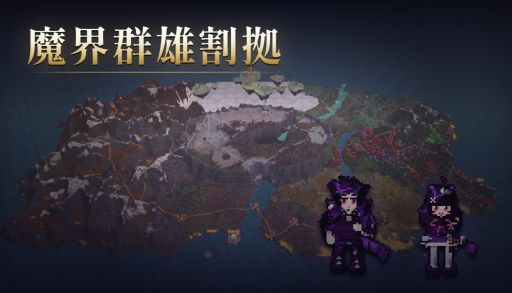
The game’s universe is steeped in a century of unbroken hostility. Players inherit a world scarred by relentless demonic invasions, where the remnants of humanity look to a specialized cadre of magical guardians for salvation. However, this is not a utopian fairy tale; the struggle is grueling, resources are scarce, and victories are hard-earned. The narrative framework centers heavily on two primary protagonists, whose intertwined destinies dictate the flow of the campaign. Their ideological differences and complementary combat styles form the emotional anchor of the story, encouraging players to invest deeply in their survival and success.
Tactical Deckbuilding and Spatial Combat
At the heart of every mission lies a sophisticated dual system:
Card-Driven Actions: Players must draw, draft, and play cards representing magical abilities, tactical maneuvers, and defensive wards. Every action consumes finite resources, turning each turn into a puzzle of mathematical efficiency and risk assessment.
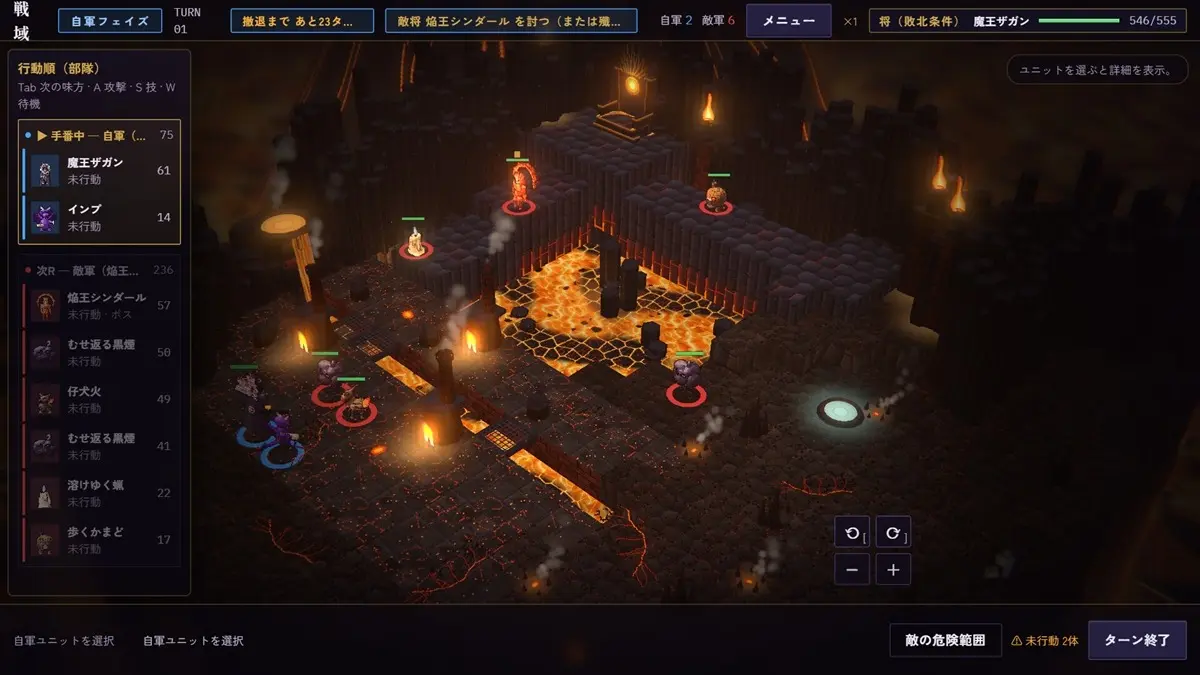
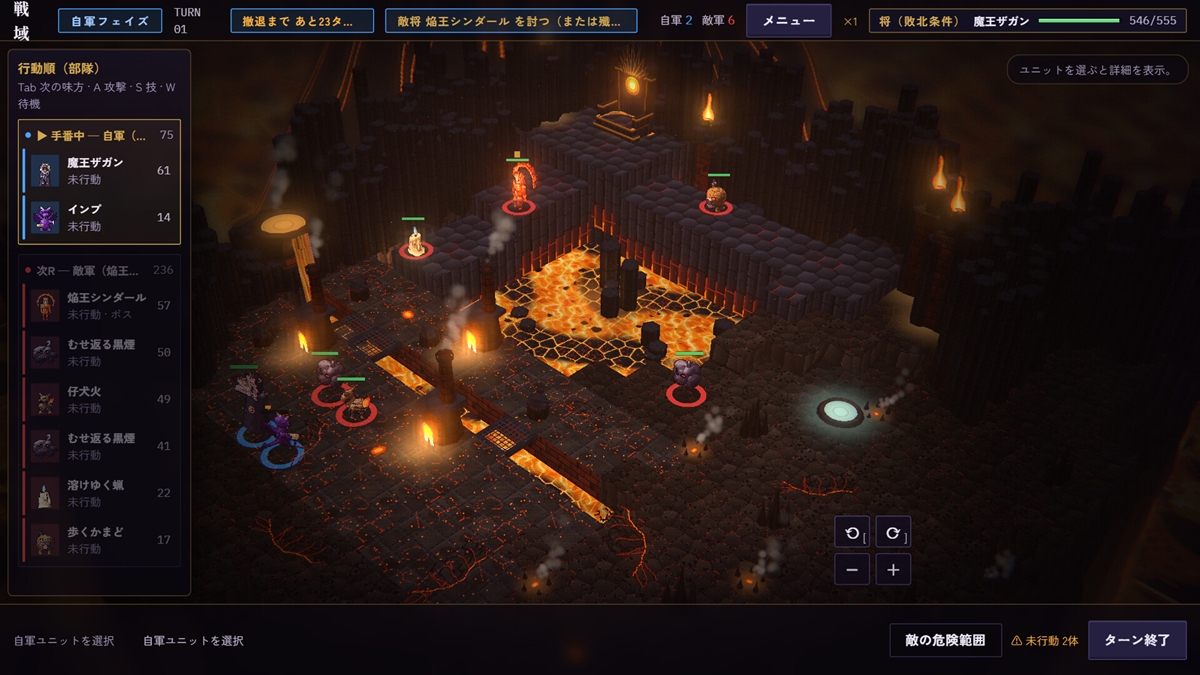
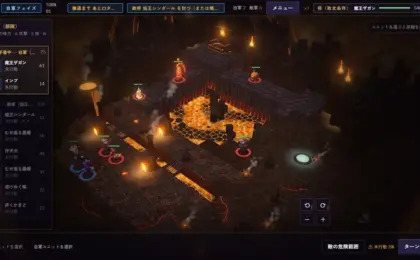
Spatial Grid Strategy: Magical girls do not operate in a vacuum. Positioning on the tactical grid dictates line of sight, range vulnerability, and flanking opportunities. Enemies possess distinct behavioral patterns, telegraphing their upcoming moves and forcing players to react proactively rather than purely defensively.
Furthermore, the game introduces the concept of "Demon Wards"—fortified zones and strategic checkpoints that players must establish, defend, and occasionally sacrifice to hold back overwhelming enemy surges. These defensive structures add an extra layer of tower-defense-like management to the traditional tactical RPG framework, ensuring that no two encounters play out identically.
Official Statements and Developer Vision
In conjunction with the Steam launch, representatives from sasoriken-games released background documentation outlining their creative philosophy behind Magical Girl Strategy: Demon-Hunting Squad. The development team aimed to challenge the perception that magical girl narratives must invariably lean toward lighthearted or superficial themes.
"We wanted to explore the grit and tenacity required when extraordinary individuals are thrust into an unyielding, centuries-long war," noted a lead spokesperson for sasoriken-games. "By combining the tactical depth of grid-based strategy with the unpredictable nature of card building, we’ve created an experience where players truly feel the weight of every tactical decision. Every card drawn is a lifeline; every misstep on the grid can spell catastrophe."
The studio has also underscored its dedication to maintaining an open dialogue with the Steam community. Developers are actively tracking forum discussions, user reviews, and video playthroughs to identify potential areas for balance tuning, quality-of-life enhancements, and future content expansions.
Future Outlook: What Lies Ahead for the Title?
As Magical Girl Strategy: Demon-Hunting Squad settles into its post-launch lifecycle, the immediate horizon looks vibrant for sasoriken-games and their growing player base. The success of this initial Steam release opens the door to numerous possibilities for franchise growth and community-driven content.
Potential Expansion Vectors
Balance Patches and Quality of Life: Based on early telemetry and player feedback, upcoming weeks will likely see targeted patches aimed at smoothing out difficulty spikes, refining card synergies, and optimizing UI responsiveness.
Content Updates: Given the rich 100-year lore established in the base game, there is substantial room for expansion campaigns, introducing new magical girl operatives, additional card pools, and formidable new boss encounters.
Community Engagement: As user-generated strategies and community guides proliferate across Steam and social media, sasoriken-games may introduce community-requested features, challenge modes, or localized language expansions to reach an even broader global audience.
In summary, Magical Girl Strategy: Demon-Hunting Squad stands out as a bold, intellectually stimulating entry in the PC tactical RPG genre. By successfully fusing dark narrative themes with meticulous deckbuilding and grid-based combat, sasoriken-games has delivered a rich, rewarding experience that demands both strategic brilliance and emotional resilience from its players. As the community continues to dive into its harrowing world, the title is well-positioned to carve out a lasting legacy within the independent gaming ecosystem.









Belum ada komentar. Jadilah yang pertama berkomentar!