The video game industry is defined by milestones that transcend mere commercial success, yet few properties manage to fundamentally reshape the technological and cultural landscape quite like the iconic franchise at the center of today’s landmark retrospective. Spanning a quarter-century of continuous evolution, this monumental series has grown from a groundbreaking portable and console phenomenon into an omnipresent pillar of interactive entertainment.
As the industry celebrates this remarkable 25-year milestone, a comprehensive retrospective reveals how the franchise has consistently challenged conventional design paradigms. From its early days on legacy hardware to its triumphant multi-platform expansion across modern systems—including Nintendo Switch, Nintendo Switch 2, PlayStation 4, PlayStation 5, Xbox Series X|S, and PC—the series has maintained an unyielding standard of excellence. This report explores the core mechanics, technological leaps, design philosophies, and enduring cultural impact that continue to secure the franchise’s status as a masterclass in game development.
Detailed Chronology: A 25-Year Journey of Creative Mastery
The origins of the franchise trace back to the mid-2000s, specifically launching on the PlayStation Portable (PSP) and expanding across multiple generations of home and portable consoles. Over the past 25 years, the series has undergone continuous, meticulous refinement.
What began as a focused handheld experience quickly evolved into a multi-platform powerhouse. Following decades of steady iteration, the franchise reached a critical turning point during the "Nintendo Direct" showcase, where developers outlined a bold vision for the future. The announcement served as a rallying cry for longtime fans and newcomers alike, reaffirming the series’ commitment to pushing hardware boundaries.
Milestones in Multi-Platform Expansion
Era / Platform
Key Technological Leap
Design Focus
Early Portable Era (PSP / PS1)
Introduction of widescreen support and basic 3D rendering.
Establishing core mechanics and narrative foundations.
Mid-Generation Transition
Integration of high-definition graphics and online multiplayer features.
Expanding player interaction and dynamic world-building.
Modern Multi-Platform Era
Full utilization of current-gen hardware (PS5, Xbox Series X|S, Switch 2, PC).
Ray-tracing, high framerates, and seamless cross-play.
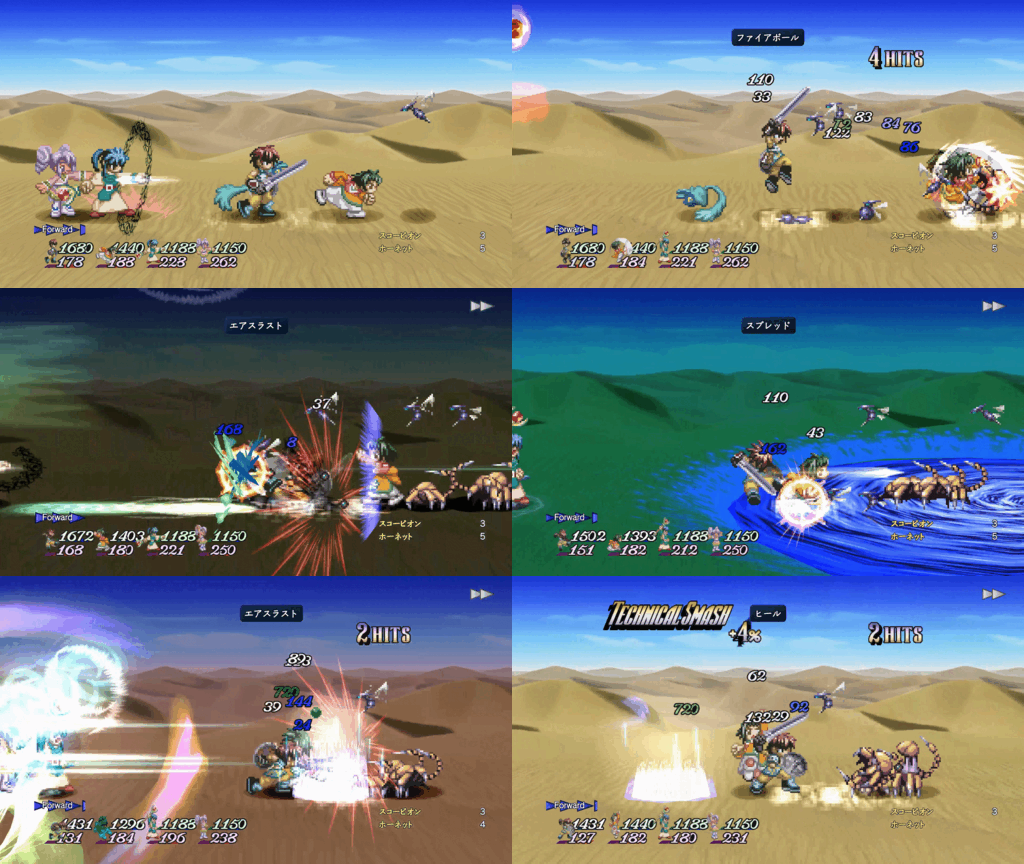
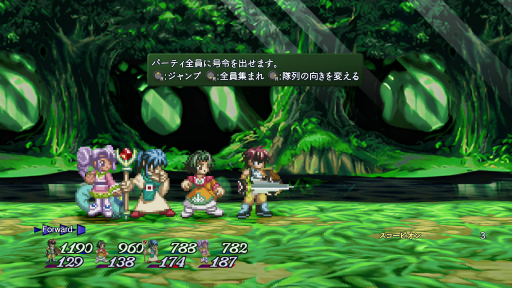
Throughout its history, the franchise has carefully balanced nostalgia with innovation. Early iterations laid the groundwork for complex inventory management, tight physics engines, and immersive world design. As hardware capabilities expanded, so too did the ambition of the development teams. The transition from standard-definition sprite work to fully realized, high-polygon 3D environments stands as a testament to the developers’ relentless pursuit of perfection.
Supporting Context & Metrics: Technical Evolution and Gameplay Mechanics
At the heart of the franchise’s longevity is its mastery of player engagement and mechanical depth. Analyzing the franchise’s technical progression reveals an intricate dance between hardware capabilities and artistic vision.
Early installments of the franchise operated under strict hardware limitations, forcing developers to rely heavily on clever optical illusions, fixed camera angles, and stylized sprite work. As processing power increased, particularly with the advent of modern consoles and high-end PCs, the developers embraced cutting-edge rendering techniques.
The implementation of advanced global illumination, real-time ray tracing, and dynamic shadow mapping transformed the visual fidelity of the series. Players are no longer merely observers in a static world; they inhabit living, breathing environments where every light source reacts realistically to character movement and environmental shifts.
One of the most praised aspects of the franchise’s modern iterations is its unwavering commitment to performance stability. Whether running on portable hardware or high-end desktop rigs, the title prioritizes fluid frame rates and minimal input latency.
Variable Refresh Rate (VRR) Support: Modern builds leverage VRR technologies to eliminate screen tearing without introducing noticeable input lag.
Scalable Resolution Profiles: Players can choose between "Quality Mode" (focusing on native 4K resolution and advanced lighting) and "Performance Mode" (locking in a buttery-smooth framerate for high-stakes encounters).
Cross-Platform Parity: Despite the vast differences in hardware capabilities between platforms like the Nintendo Switch and the PlayStation 5, the development team has ensured that the core gameplay experience remains fundamentally identical.
Official Statements: Insights from the Development Team
In recent interviews commemorating the 25th anniversary, key members of the development team shared their perspectives on the past, present, and future of the franchise.
"When we started this journey twenty-five years ago, our goal was simply to tell a compelling story within the constraints of portable hardware," noted the lead producer. "Looking back, it’s staggering to see how the technology has caught up with our ambitions. Today, we aren’t just building games; we are building living worlds that respond to the player’s every whim."
The team emphasized that maintaining the franchise’s identity required a delicate balance. While technological advancements have allowed for unprecedented graphical fidelity, the core design philosophy has always anchored itself in tight, responsive gameplay loops and memorable narrative arcs.
Future Outlook: The Next Quarter-Century and Beyond
As the franchise looks toward the future, the roadmap is defined by a commitment to accessibility, technological innovation, and community-driven content. The integration of cloud-streaming technologies and cross-progression systems ensures that players can take their experience with them, regardless of their preferred gaming device.
Strategic Pillars for the Next Era
Uncompromising Performance: Continued optimization for emerging hardware ecosystems, ensuring high-fidelity visuals do not compromise responsiveness.
Community-Centric Development: Expanding feedback loops through beta tests, early access programs, and transparent communication channels between developers and players.
Narrative Expansion: Deepening the lore and introducing new character arcs that resonate with both veteran fans and a new generation of gamers.
Conclusion
The 25th-anniversary milestone is more than just a celebration of past achievements; it is a clear declaration of intent for the future. By continuously pushing the boundaries of what is possible in interactive entertainment, the franchise has solidified its place in gaming history. As developers look ahead to the next technological frontier, players can rest assured that the heart and soul of the franchise remain as vibrant, challenging, and captivating as ever.












Belum ada komentar. Jadilah yang pertama berkomentar!