The independent game development landscape has undergone a profound transformation over the past decade, shifting from a cottage industry dominated by hobbyists into a robust, creatively aggressive sector that continually challenges traditional AAA paradigms. This retrospective examines the vital convergence of nostalgic design philosophies, hardware constraints, and modern distribution ecosystems that define today’s thriving indie community.
Recent industry showcases have highlighted a fascinating dichotomy: while contemporary technology allows for unprecedented visual fidelity, a significant segment of independent developers is deliberately looking backward. By embracing vintage hardware aesthetics—ranging from 1-bit monochrome constraints and Classic Mac OS emulators to retro-futuristic fantasy consoles—creators are uncovering fresh mechanical depth within strict artistic boundaries. This article provides an exhaustive exploration of several notable indie titles, developers, and technological milestones that underscore this nostalgic yet forward-thinking movement.
Detailed Chronology & Featured Titles
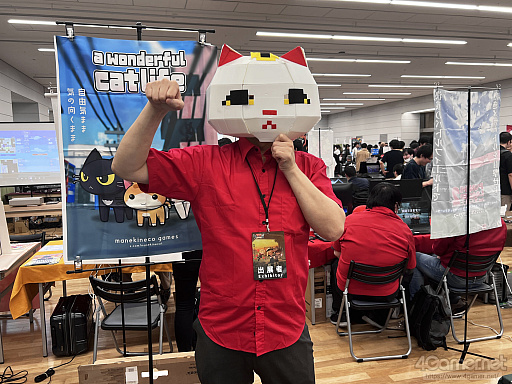
1. The Revival of Vintage Atmospheres: manekineco games and Narrative RPGs
The intersection of classic aesthetic sensibilities and modern narrative ambition is perhaps best exemplified by the works of developer manekineco games. Operating at the cross-section of nostalgic storytelling and atmospheric exploration, this studio has cultivated a distinct niche.
Mechanical and Narrative Depth
The studio’s projects often lean heavily into text-driven interfaces reminiscent of early personal computer role-playing games. Rather than relying on high-polygon models or real-time ray tracing, titles from manekineco games prioritize pacing, intricate environmental storytelling, and deep character psychology. Players are invited to traverse deliberate, measured paces where every line of dialogue and textual description carries substantial narrative weight.
Furthermore, the integration of retro-styled promotional materials—such as mock advertisements, vintage developer logs, and physical-media style packaging reveals—adds a layer of metatextual immersion. This approach not only appeals to veterans of early PC gaming eras (such as the 2000–2010 window) but also introduces younger generations of players to the evocative power of imagination-driven gameplay.
2. Micro-Scale Constraints: tozica and the 1.44MB Challenge
In an era where modern game installations routinely demand upwards of 100 gigabytes of storage, the concept of strict file-size limitation has emerged as a badge of honor among avant-garde developers. Developer tozica has embraced this philosophy head-on, notably participating in development challenges like the 1.44MB GAME DEV CONTEST.
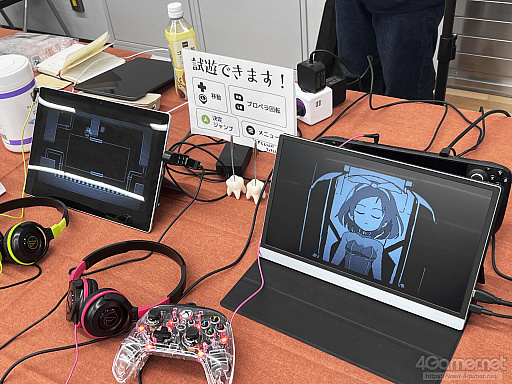
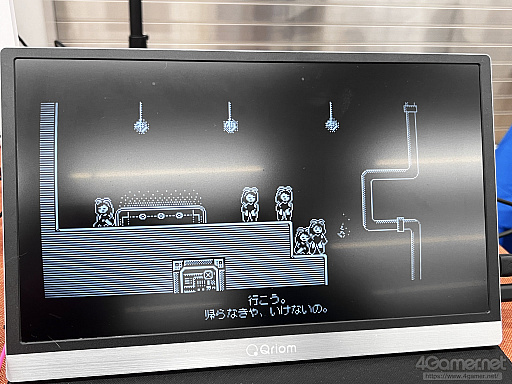
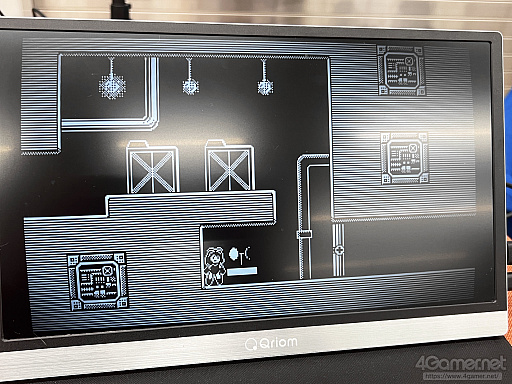
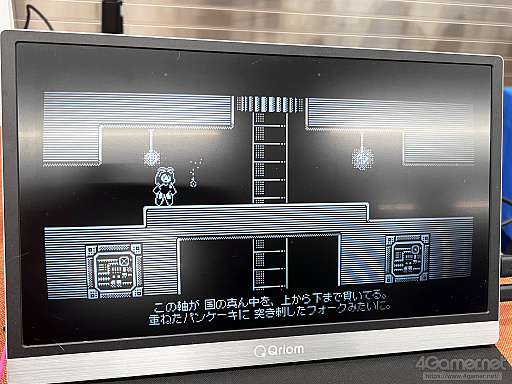
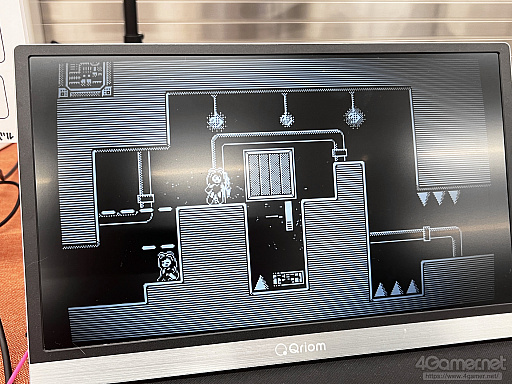
Working within a 1-bit monochrome color palette, tozica crafts precise 2D side-scrolling platformers that demand absolute mastery from the player. These games channel the spirit of early handheld and micro-computer software, where engineers had to squeeze every ounce of performance out of severely limited hardware.
Despite the minimalist visual presentation—or perhaps precisely because of it—to
zica’s titles offer tightly tuned physics engines, responsive controls, and intricate level design. The transition of these projects from itch.io indie darling platforms to mainstream storefronts like Steam highlights a growing consumer appetite for pure, unadulterated gameplay loops devoid of microtransactions and bloat.
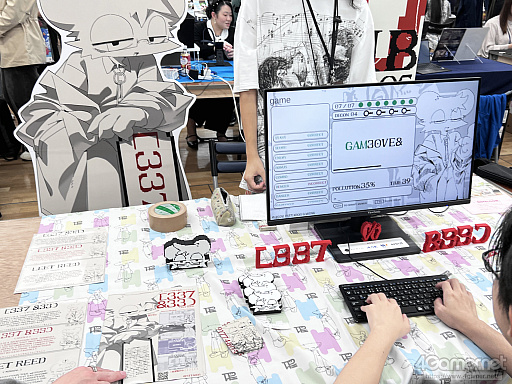
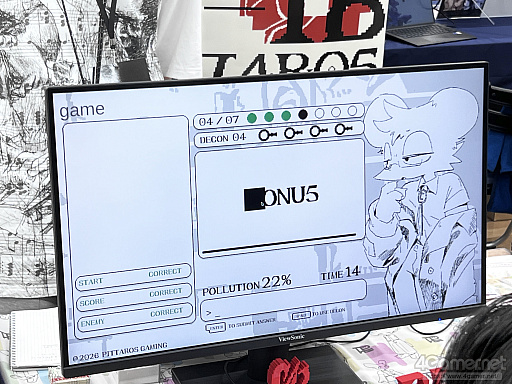
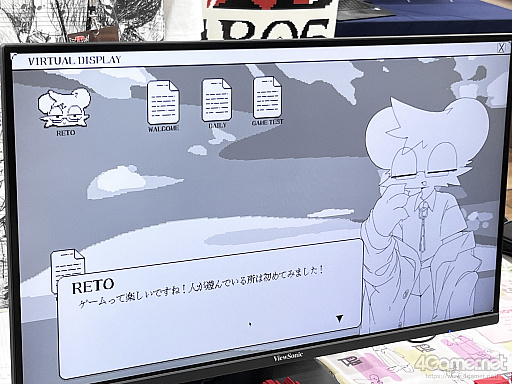
One of the most eccentric and captivating entries into the recent indie showcase landscape is LEET REED 暗号解読, developed by ぴっとロス. Drawing heavy inspiration from Classic Macintosh operating systems and vintage desktop environments, this title blurs the line between software utility, digital art piece, and cryptographic puzzle game.
Operating System Emulation as Gameplay
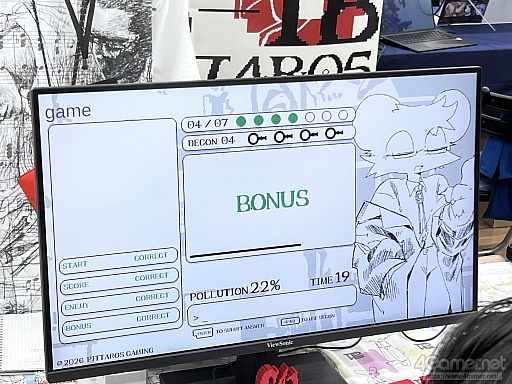
Players interact with a simulated retro operating system, navigating hierarchical folder structures, reading digital documents encoded with "LEET" speech patterns, and solving system-level riddles. The interface is meticulously crafted to evoke nostalgia for early window-managed computing, complete with simulated error logs, monochrome UI elements, and period-accurate typography.
The game challenges the player’s analytical skills by treating the operating system itself as the game board. By merging cybersecurity elements with avant-garde interactive storytelling, LEET REED 暗号解読 proves that the desktop interface is a largely untapped canvas for psychological and intellectual engagement.
4. Recursive Nostalgia: 作ったほうがいいおじさん
The relationship between creator and creation has always been a cornerstone of independent game development, but few titles lean into this meta-narrative quite as literally as 作ったほうがいいおじさん. Developed by a creator active under the same moniker on social platforms, this title is a self-referential simulation that parodies the very industry it inhabits.
Meta-Commentary on Game Development
In the game, players manage a fictional indie development studio, balancing tight deadlines, technical debt, and the eternal struggle of scoping a project. The visual presentation adopts a whimsical, cartoonish style that contrasts sharply with the often brutal realities of independent production.
The developer’s public journey—documented extensively via social media and developer logs—adds an extra layer of authenticity. By turning the trials and tribulations of game development into the core gameplay loop, the creator successfully bridges the gap between creator empathy and consumer entertainment.
5. Cooperative Chaos: Uranus-net.com and Culinary Action
Moving away from solitary narrative experiences, the cooperative multiplayer space continues to innovate through chaotic, physics-driven gameplay loops. Developer Uranus-net.com (spearheaded by creator @sorano_kujira) has made waves with titles that recall the frantic teamwork popularized by games like Overcooked!.
Communication Under Pressure
These cooperative puzzle-platformers require absolute synchronization among players. Whether managing a chaotic kitchen, coordinating time-sensitive deliveries, or navigating hazardous environments, the margin for error is razor-thin. The inclusion of local and online multiplayer options ensures that friendships are tested and forged in equal measure.
The art design typically favors vibrant, high-contrast visual styles that remain readable even during the most frantic moments of gameplay. This focus on accessibility combined with high skill ceilings ensures enduring popularity across streaming platforms and community game nights.
Supporting Context & Industry Metrics
To fully understand the current renaissance of independent game development, one must examine the broader socioeconomic factors at play. According to recent data from digital distribution platforms, indie game releases on services like Steam and itch.io have grown exponentially year-over-year.
The Shift Toward Digital Marketplaces
Democratization of Tools: Accessible engines like Unity, Godot, and specialized fantasy consoles (such as PICO-8) have lowered the barrier to entry, allowing solo developers and small teams to produce commercially viable software.
Niche Audiences and Direct-to-Consumer Marketing: Platforms like X (formerly Twitter), Discord, and Substack have enabled developers to build dedicated communities long before a game’s official launch, bypassing traditional publishing gatekeepers entirely.
The Sustainability Paradox: While breakout hits achieve monumental financial success, the vast majority of independent developers continue to operate on micro-budgets. This financial precarity often fuels the artistic risks and experimental designs that characterize the indie sector.
Official Statements and Developer Insights
Throughout recent industry showcases, several key creators shared insights regarding their development philosophies and the future of independent gaming:
"When you remove high-polygon graphics and realistic physics from the equation, you are forced to focus entirely on the core interaction. Limitation breeds creativity." — Anonymous Indie Developer
"The audience today is starving for authenticity. They can smell corporate calculation from a mile away. When a game is built by one person pouring their soul into a pixelated world, people notice and they respond." — Showcase Participant
These sentiments echo across the community. Developers are increasingly turning away from endless graphical escalation, choosing instead to refine mechanical depth, artistic integrity, and emotional resonance.
Future Outlook
As we look toward the remainder of the decade, the trajectory of independent game development points toward continued diversification and experimentation. Several key trends are expected to shape the coming years:
Hardware Nostalgia as a Genre: The embrace of retro hardware—ranging from 8-bit handhelds and vintage PC emulators to modern play-date devices—will likely mature into a permanent, highly respected sub-genre of indie gaming.
AI and Procedural Generation Integration: While many indie creators pride themselves on handcrafted assets, the integration of lightweight procedural tools and AI-assisted scripting may help solo developers scale their narrative ambitions without sacrificing their unique artistic vision.
Cross-Platform Accessibility: The continued blurring of lines between PC storefronts, web-based gaming archives (via itch.io), and console ecosystems will ensure that innovative titles reach global audiences faster than ever before.
In conclusion, the independent game community remains the beating heart of the interactive entertainment industry. By honoring the past while fearlessly experimenting with new forms of expression, indie developers ensure that the medium will continue to surprise, challenge, and delight players for generations to come.







Belum ada komentar. Jadilah yang pertama berkomentar!