The contemporary positioning of Japanese animation within the global contemporary art paradigm is undergoing an unprecedented and structural re-evaluation. Historically categorized as a distinct subgenre of popular entertainment, distinct from the institutional architecture of fine art museums, animation has begun to breach the barriers of traditional art history. This transformative movement is catalyzed by pioneering international initiatives, institutional policy shifts, and a rapidly evolving critical framework that recontextualizes the animator not merely as a commercial producer of serialized entertainment, but as an avant-garde creator working within a complex technological and socio-political medium.
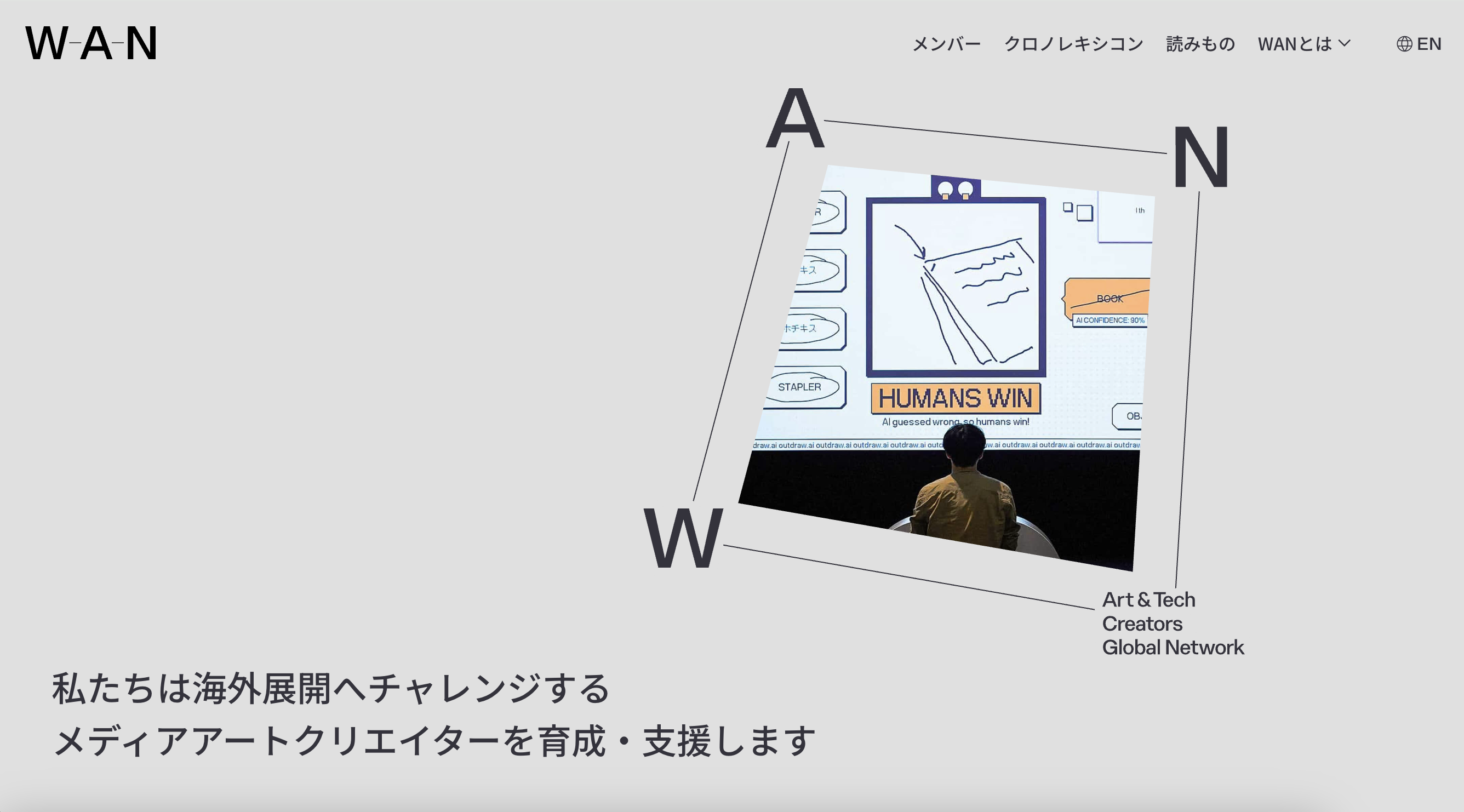
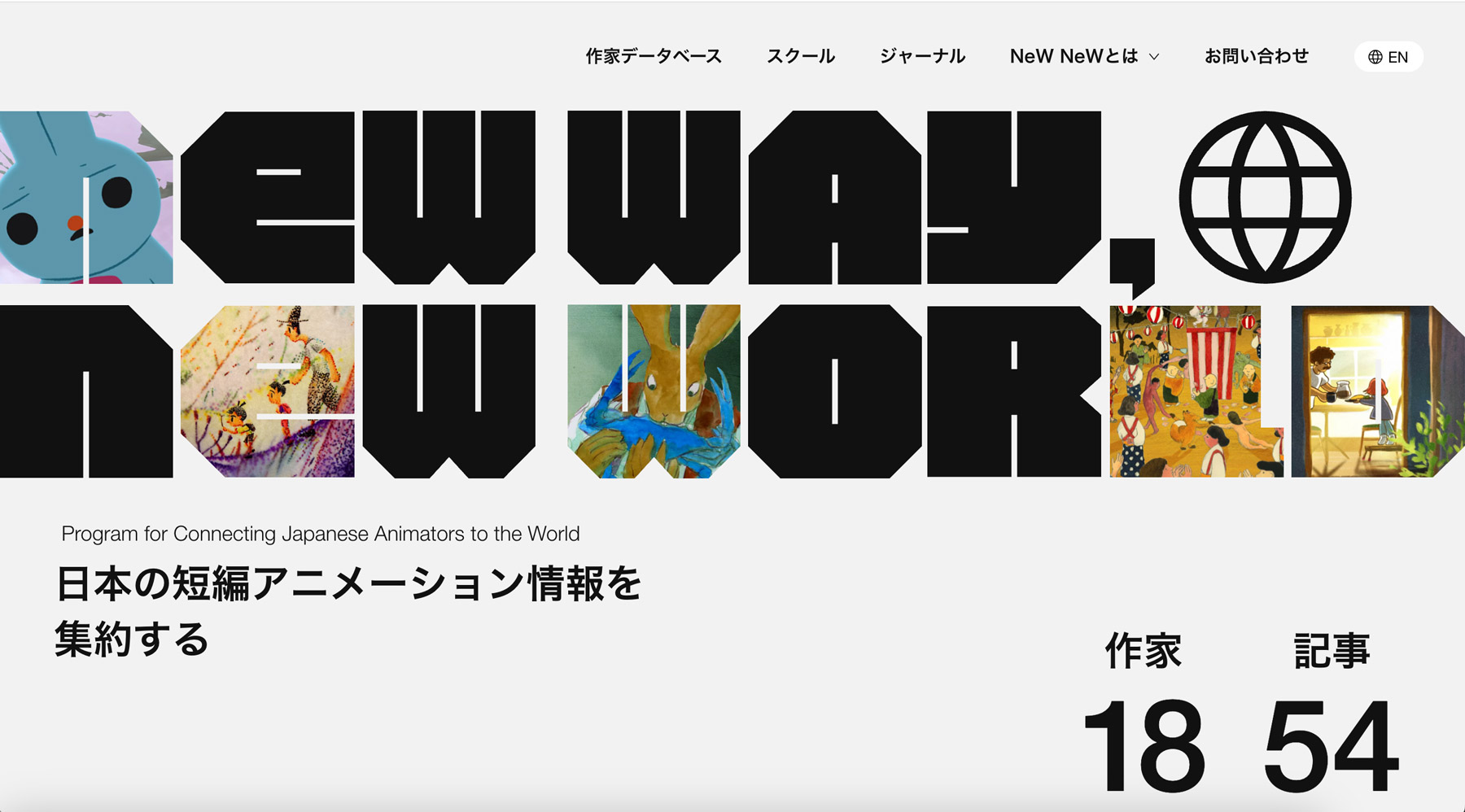
At the vanguard of this paradigm shift are multifaceted initiatives such as WAN: Art & Tech Creators Global Network, New Way, New World: Program for Connecting Japanese Animators to the World (NeW NeW), and the landmark multi-institutional exhibitions spearheaded by the National Art Center, Tokyo (Nact) alongside leading curators such as Mami Kataoka. These programs do not merely display animation cells or production sketches; they actively interrogate the intersection of digital technology, socio-economic precarity, industrial production models, and the traditional white cube gallery space.
By systematically examining the shifting criteria through which animation is collected, preserved, and exhibited, this report investigates how Japanese creators are establishing a permanent foothold within global contemporary art discourses. Through comprehensive analyses of recent curatorial strategies, institutional frameworks, and archival practices, we explore the friction and synergy that define this ongoing artistic revolution.
Detailed Chronology: Institutionalizing Animation in the Global Art Arena
The integration of Japanese animation into the fine art circuit is not a sudden phenomenon, but rather the culmination of decades of subterranean artistic exchange, technological development, and institutional lobbying.
[1990s - Early 2000s] ──> [2010s] ──────────────────────────> [2024 - Present]
• Rise of Net Art & Exonemo   • Emergence of Digital Media Labs  • NACT & CAM Landmark Exhibitions
• Initial museum crossovers   • Cross-border artist residencies  • Systematic Global Network Expansion
The 1990s to Early 2000s: The Digital Vanguard and Net Art Pioneers
During the late 1990s, the foundations of digital art and net art in Japan were laid by pioneering collectives such as exonemo (established in 1996 by Akihiko Taniguchi and Kensuke Sembo). Exonemo and their contemporaries challenged the physical constraints of the gallery space by interrogating the computer screen, internet protocols, and digital media as legitimate artistic mediums. Although distinct from traditional cel-animation studios, these digital pioneers established the critical infrastructure necessary for screen-based, software-driven practices to be taken seriously by museum curators.
The 2010s: Cross-Border Residencies and the Digital Turn
As the 2010s progressed, Japanese cultural institutions began to actively foster cross-disciplinary dialogues between contemporary artists and commercial animators. Programs aimed at bridging the gap between domestic production houses and international contemporary art biennales began to multiply. Curators recognized that the rapid digitization of anime production—shifting from analog cels to complex 3D CGI pipelines and digital compositing software—offered a direct parallel to contemporary media art installations seen in Western institutions.
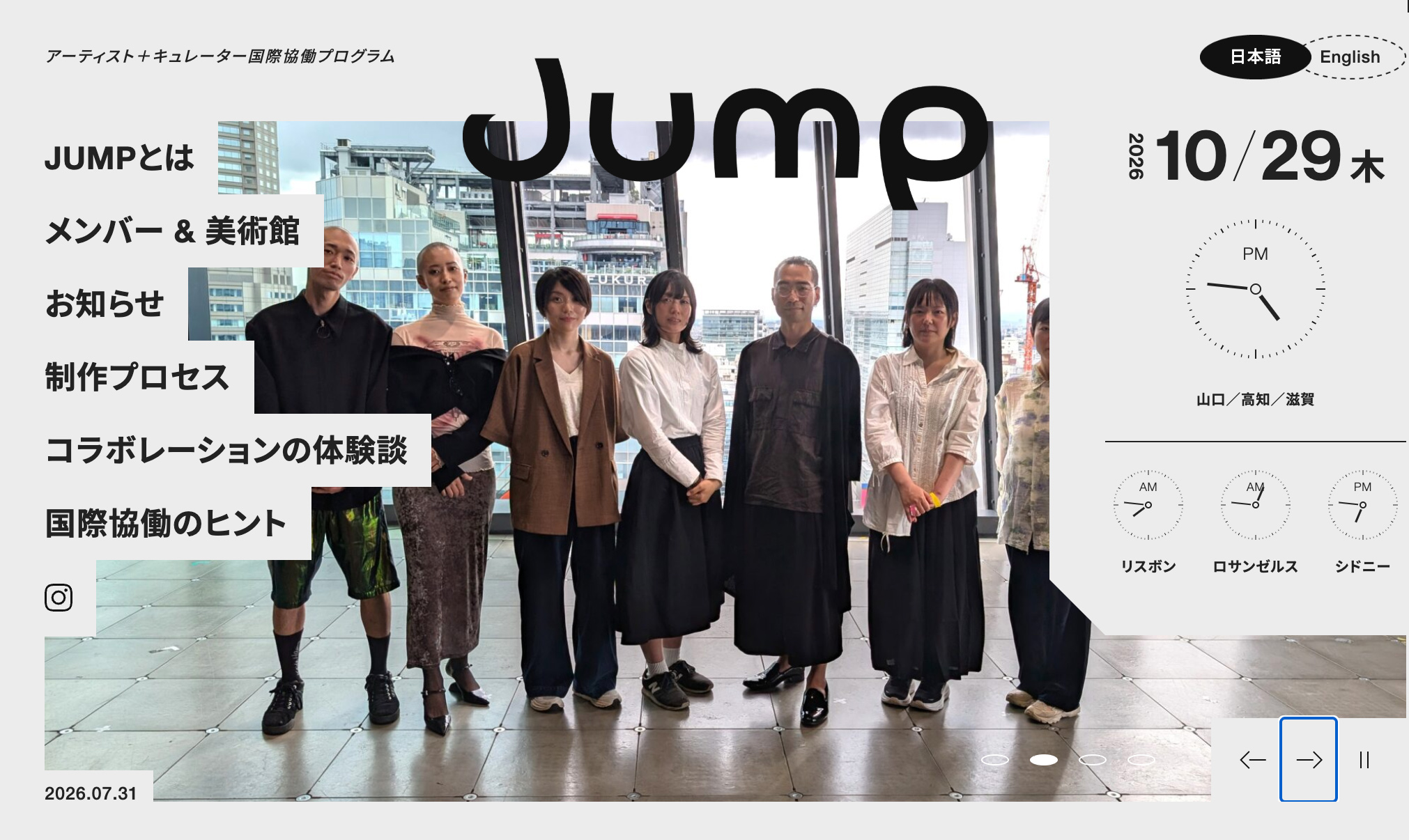
The years 2024 through 2026 marked a watershed era. Major national institutions, spearheaded by the National Art Center, Tokyo, and international collaborative networks like WAN and NeW NeW, initiated massive programmatic overhauls. Rather than treating animation as a secondary or pop-culture outreach tool, museums began dedicating entire curatorial seasons to the medium. Exhibitions such as the expansive surveys at the National Art Center, Tokyo, and collaborative global showcases at venues like CAM (Contemporary Art Museum) and YCAM (Yamaguchi Center for Arts and Media) established a new baseline: anime is contemporary art, and its creators demand the same rigorous critical engagement afforded to installation and conceptual artists.
Supporting Context & Metrics: The Structural Architecture of Change
To understand the weight of this institutional pivot, one must examine the socio-economic and logistical realities underpinning the Japanese animation industry. Historically, the anime industry has operated under severe systemic pressures: notoriously low wages for in-between animators, grueling production schedules, and a corporate structure that frequently strips creators of intellectual property rights.
[Traditional Anime Production] ──> High Output / Low Pay / IP Alienation
                                      │
                                      ▼
[Contemporary Curatorial Model]  ──> Archival Preservation / Global Visibility / Direct Fair Compensation
Addressing Industrial Precarity Through Fine Art Contexts
Initiatives like NeW NeW and WAN explicitly seek to disrupt this exploitative cycle. By positioning independent animators and digital creators within the high-value contemporary art market, these programs provide alternative revenue streams, international exhibition opportunities, and critical visibility that transcends the domestic television broadcast schedule.
Archival Preservation: Unlike commercial broadcast assets, which are frequently lost, discarded, or poorly archived due to rapid turnaround times, museum exhibitions demand rigorous cataloging, preservation, and high-fidelity restoration of digital files and physical drawings.
Global Mobility: The WAN network facilitates direct connections between Japanese creators and international curators, museums, and digital art festivals, transforming isolated studio workers into globally mobile contemporary artists.
Economic Empowerment: By introducing limited-edition prints, museum-grade digital installations, and gallery-exclusive screenings, these initiatives help secure sustainable financial models for creators who have long suffered from structural undervaluation.
Official Statements: Curatorial Visions and Institutional Dialogue
The intellectual backbone of this movement is shaped by visionary curators and artists who have dedicated their careers to dismantling the artificial boundaries between "high art" and "pop culture."
Mami Kataoka on the Expansion of Museum Boundaries
Mami Kataoka, Director of the Mori Art Museum and a leading voice in international museum leadership (including her tenure as President of CIMAM), has repeatedly emphasized the necessity of porous institutional boundaries. In discussions surrounding recent contemporary art surveys, Kataoka has noted that the museum of the 21st century can no longer afford to ignore the visual culture that shapes contemporary human consciousness.
"The evolution of moving images, digital rendering, and narrative construction found in contemporary animation mirrors the psychological, political, and technological anxieties of our time," Kataoka states. "By bringing these works into the white cube, we are not lowering the standards of the museum; rather, we are expanding the definition of art to encompass the most potent visual language of our era."
Exonemo on Software, Screens, and Subversion
The artist duo exonemo has similarly championed the critical interrogation of the screen. In their collaborative projects with various global networks, they argue that the screen is not merely a window to look through, but an object to be dissected, hacked, and subverted.
"We live encased in rectangles—phones, tablets, monitors, televisions," Sembo and Taniguchi remark. "When you place animation or digital art inside an institutional gallery space, the screen itself becomes a physical sculpture. The frame becomes tangible. That physical confrontation is what shifts commercial media into conceptual art."
Future Outlook: Navigating the Tensions of Commercialism and Conceptual Rigor
As Japanese animation solidifies its place within the global contemporary art canon, several critical challenges and opportunities lie ahead.
1. Balancing Commercial IP with Avant-Garde Autonomy
One of the primary tensions in exhibiting anime within museums is the commercial nature of many beloved intellectual properties. Curators must navigate the fine line between celebrating commercially successful franchises (such as Neon Genesis Evangelion, Akira, or contemporary studio masterpieces) and highlighting genuinely avant-garde, independent animators who operate outside major production committees. The success of future exhibitions will depend heavily on the ability of institutions to champion experimental, non-commercial voices alongside blockbuster retrospectives.
2. The Technological Frontier: AI, Virtual Reality, and Interactive Media
As artificial intelligence, real-time rendering engines (such as Unreal Engine), and immersive VR environments reshape the animation landscape, museum curators are forced to adapt their methodologies. Exhibiting a multi-channel interactive installation requires vastly different technical infrastructure than hanging a traditional painting or screening a linear film. Institutions like YCAM and the National Art Center, Tokyo, are pioneering these technical frameworks, setting global standards for how software-based art is displayed and preserved.
3. Sustainable Global Networks
The long-term viability of initiatives like WAN and NeW NeW depends on sustained international partnerships, funding models that prioritize creator compensation, and educational programs that train the next generation of curators to bridge the gap between traditional art history and digital media production.
Conclusion
The integration of Japanese animation into the global contemporary art framework is no longer a speculative experiment; it is a fully realized cultural evolution. Through the concerted efforts of international networks, visionary museum directors, and boundary-pushing artists, the structural divides that once marginalized animation are dissolving.
As institutions continue to refine their curatorial practices, protect creators’ economic interests, and embrace technological innovation, Japanese animation stands poised at the absolute center of twenty-first-century global art discourse—proving that the stories told through pixels, cels, and screens are among the most profound cultural artifacts of our time.












Belum ada komentar. Jadilah yang pertama berkomentar!