


Executive Overview
The landscape of modern education is undergoing a quiet yet profound transformation. For decades, the traditional classroom was defined by physical boundaries, paper notebooks, wooden desks, and chalkboards. Today, that framework is converging with digital infrastructure, artificial intelligence, and evolving pedagogical philosophies. At the heart of this intersection are iconic stationery products—most notably the ubiquitous campus notebook and heritage writing instruments—which continue to anchor student life even as digital-first learning environments expand.
Recent industry data highlights a fascinating paradox: while EdTech platforms, tablets, and AI-driven tutoring tools surge in adoption, the demand for physical notebooks and writing supplies remains remarkably resilient. Rather than being displaced by screens, traditional stationery is evolving, adapting to modern study habits, and finding a symbiotic role within contemporary educational ecosystems.
This in-depth report explores the shifting dynamics of modern learning, examining how students, educators, and manufacturers are navigating the coexistence of analog and digital tools, the psychological impact of handwritten notes versus typing, and what the future holds for educational supplies in an increasingly automated world.

Detailed Chronology: From Chalkboards to Hybrid Classrooms
The Analogue Foundations (Pre-2000s)
For generations, the educational toolkit was strictly physical. The standard operating procedure of the 20th-century classroom relied on the textbook, the chalkboard, and the bound notebook. Writing by hand was not merely a preference; it was the primary method of cognitive processing, information retention, and assessment. Stationery brands served a functional, utilitarian purpose, with variations limited primarily to ruling sizes, cover designs, and paper quality.
The Digital Shift and the Rise of EdTech (2000s–2010s)
The turn of the millennium introduced personal computers, interactive whiteboards, and early learning management systems (LMS) into schools. By the 2010s, many educational institutions began aggressively pushing for paperless or "digital-first" classrooms. Tablets and laptops promised limitless storage, searchable text, and collaborative cloud documents. During this era, legacy stationery brands faced existential questions about their long-term relevance. Analysts frequently predicted the gradual obsolescence of paper notebooks as digital natives entered schools.
The Hybrid Realignment and Pandemic Acceleration (2020s–Present)
The COVID-19 pandemic abruptly forced a global experiment in remote learning, pushing reliance on digital devices to unprecedented heights. However, this forced digital immersion yielded an unexpected counter-reaction. Prolonged screen time led to digital fatigue, cognitive overload, and a noticeable decline in student engagement.

As classrooms returned to in-person instruction, educators and students alike began rediscovering the value of physical mediums. Rather than a complete return to the past, a sophisticated hybrid model emerged. Students began using digital tablets for research and textbook access while maintaining physical notebooks for active problem-solving, mind-mapping, and core note-taking. Brands that once competed with technology found ways to integrate with it—such as notebooks designed to be easily scanned and uploaded to cloud storage platforms via dedicated mobile applications.
Supporting Context & Metrics: The Cognitive Edge of Analog Tools
The Science of Handwriting vs. Typing
A growing body of neuroscientific and psychological research underscores why physical stationery refuses to disappear. Multiple studies utilizing EEG and fMRI imaging have demonstrated that writing by hand activates significantly broader neural networks compared to typing on a keyboard.
When a student writes notes by hand, they cannot simply transcribe word-for-word; the physical act of forming letters forces the brain to process, summarize, and synthesize information in real time. This active cognitive filtering leads to superior conceptual understanding and long-term memory retention. Conversely, typing often encourages verbatim transcription—a passive process that bypasses deep cognitive engagement.
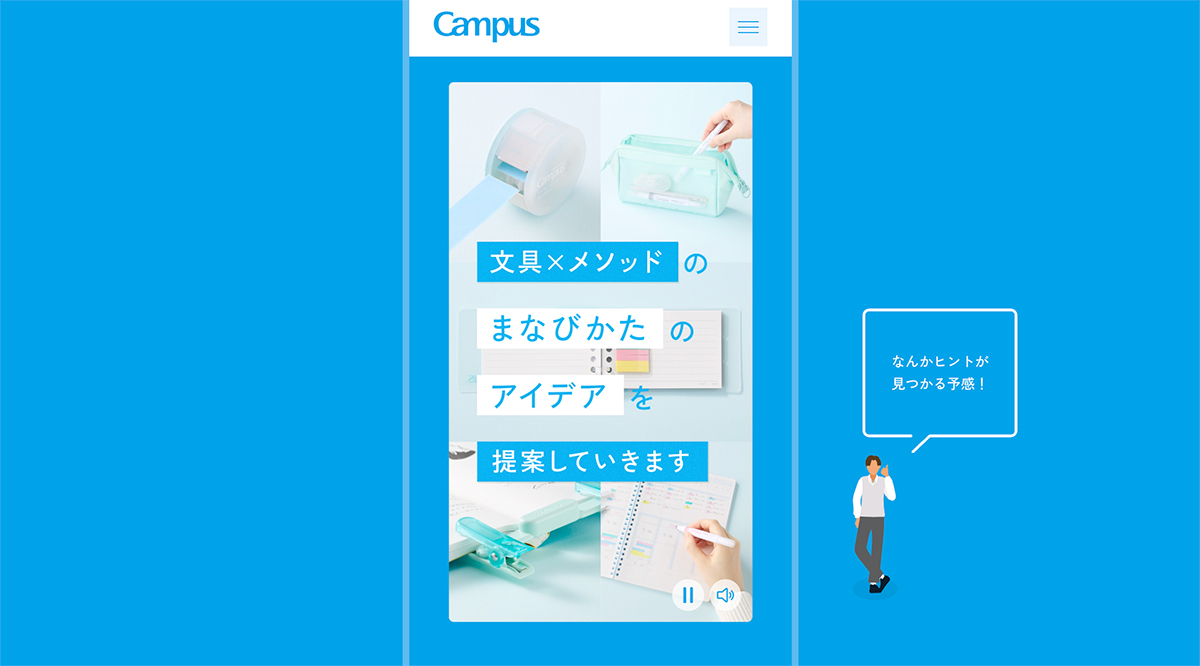
Market Resilience and Consumer Behavior
Market data from leading stationery manufacturers reflects this psychological reality. Despite the widespread proliferation of school-issued tablets and laptops, global sales of premium notebooks, specialized pens, and organizational stationery have stabilized and, in some sectors, grown.
Consumer surveys indicate that students across demographic groups view physical notebooks not as outdated relics, but as intentional tools for focus. In an environment saturated with notifications, pop-ups, and multitasking temptations, the physical notebook provides an unfragmented space for deep work.
Official Statements and Industry Insights
Industry leaders and educators have increasingly voiced a nuanced perspective on the coexistence of digital and analog learning tools.

"We are not witnessing a zero-sum game between paper and pixels," notes a prominent educational psychologist specializing in cognitive load theory. "Students intuitively understand that different tasks require different cognitive states. While research and broad archiving are brilliantly served by digital platforms, deep conceptual formulation, creative synthesis, and emotional grounding still happen most effectively on paper."
Major stationery manufacturers have leaned into this philosophy, redesigning their product lines to bridge the gap. For instance, modern notebook releases frequently feature dot-grid patterns that accommodate both freeform sketching and structured mathematical notation, alongside margins optimized for digital scanning apps.
Furthermore, sustainability has become a core pillar of the industry. Manufacturers are increasingly utilizing recycled paper, biodegradable covers, and responsibly sourced materials to appeal to environmentally conscious Gen Z and Millennial students who demand ethical accountability from the brands they support.

Future Outlook: Navigating the Hybrid Educational Ecosystem
As we look toward the future of education, several trends are poised to shape the stationery market and classroom dynamics:
- Integration, Not Replacement: Future educational ecosystems will not choose between digital and analog; instead, they will optimize the friction between them. Smart notebooks that bridge physical handwriting with cloud syncing will likely see expanded adoption.
- Mental Health and Digital Detox: As schools increasingly grapple with the mental health implications of hyper-connectivity, analog study sessions are being deliberately reintroduced as a form of cognitive wellness. Physical writing spaces offer a much-needed sanctuary from screen fatigue.
- Design Innovation: Stationery brands will continue to innovate by offering hyper-customized layouts, ergonomic writing instruments designed to reduce fatigue during long study sessions, and modular systems that adapt to multidisciplinary learning environments.
Ultimately, the enduring popularity of the campus notebook and the traditional pen serves as a testament to a fundamental human truth: the tools that engage our tactile senses often leave the deepest impression on our minds. As classrooms continue to evolve, the humble notebook will remain a cornerstone of human creativity, learning, and expression.








Belum ada komentar. Jadilah yang pertama berkomentar!