

Date: May 28, 2026
Category: Market Intelligence / Consumer Electronics & Hobby Trends
Source: Figure News Desk
Executive Overview
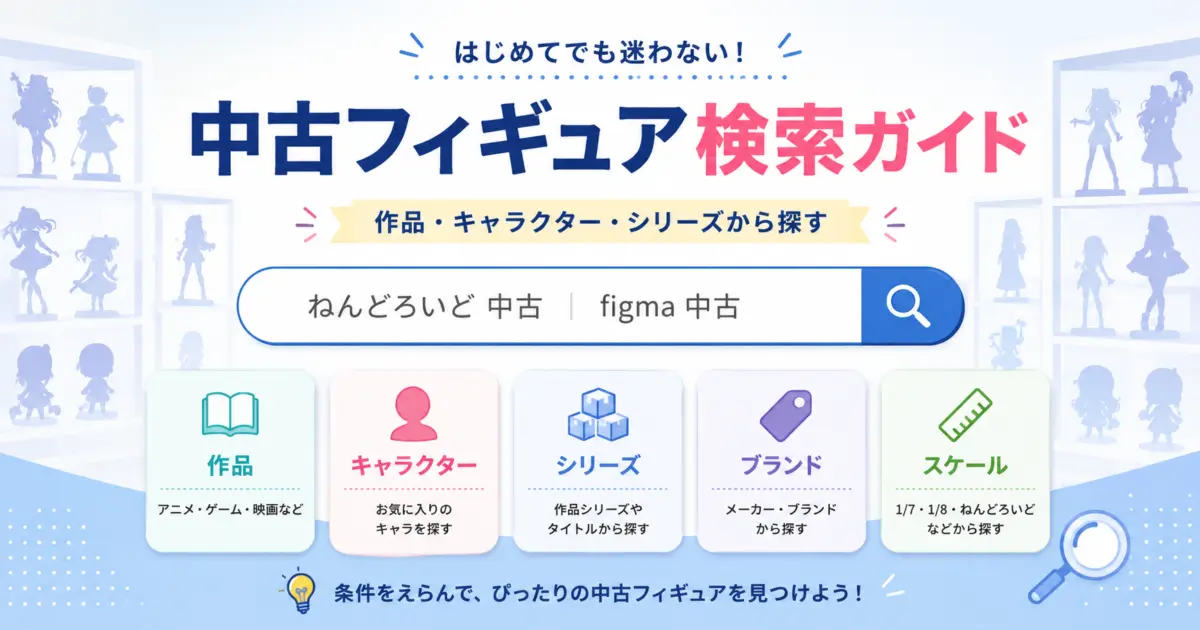
The secondary market for anime, manga, and gaming collectible figures has undergone a profound structural transformation over the past several years. Once a niche, decentralized ecosystem dominated by specialized physical storefronts, hobbyist forums, and peer-to-peer auction sites, the resale market has evolved into a multi-billion-dollar global digital economy. Today, collectors, investors, and casual enthusiasts alike navigate a complex web of cross-border platforms, dynamic pricing algorithms, and stringent authentication mechanisms.
Recent industry reports from leading market research groups and aggregated data from platforms such as Yahoo! Auctions and specialized collector marketplaces highlight an unprecedented surge in transaction volume. Driven by the mainstream global adoption of Japanese pop culture, rising production costs for brand-new items, and the proliferation of advanced secondary pricing tools, the market is experiencing both explosive growth and heightened scrutiny.
This comprehensive report examines the current state of the secondary figure market, analyzing how modern collectors track prices, how platforms are combating counterfeit goods, and what the future holds for buyers and sellers navigating this high-stakes hobby.
Detailed Chronology: The Digital Transformation of Figure Collecting
To understand how the secondary figure market reached its current state, it is essential to trace the technological and consumer-driven milestones that have reshaped the landscape over the last decade.
Phase 1: The Era of Fragmentation and Forums (Pre-2015)
Before the widespread integration of advanced e-commerce APIs and real-time market data aggregators, buying and selling pre-owned figures was a localized and manual endeavor. Collectors relied heavily on specialized message boards, community-run classified sections, and physical convention-floor swaps. Price discovery was highly subjective; valuation was typically based on fragmented personal experiences, older catalog listings, or scarce community consensus rather than objective, real-time market data. Trust between buyers and sellers relied almost exclusively on community reputation systems.
Phase 2: The Rise of Aggregators and Global Platforms (2015–2020)
As e-commerce matured, dedicated hobbyist platforms and cross-border shipping services began to bridge geographical gaps. Buyers in North America and Europe gained seamless access to Japanese resale giants, while domestic platforms integrated automated translation and international payment gateways. However, pricing transparency remained a major hurdle. Collectors often had to manually cross-reference multiple storefronts to determine whether a listed price for a rare scale figure or figma was fair.
Phase 3: The Algorithmic Era and Real-Time Tracking (2020–Present)
Entering the mid-2020s, the secondary market shifted decisively toward data-driven transparency. The introduction of sophisticated tracking extensions, automated price-history charts, and integrated condition-grading databases revolutionized how transactions occur. Today’s collectors have access to institutional-grade analytics that track price fluctuations across primary and secondary markets simultaneously. This technological leap has significantly narrowed the information gap between novice buyers and veteran collectors, though it has also introduced new challenges regarding market volatility and algorithmic pricing manipulation.
Supporting Context & Metrics: The Mechanics of Modern Pricing
The modern secondary figure market is underpinned by vast amounts of data. Understanding the core drivers of market value requires examining how platforms collect, analyze, and present information to the consumer base.
The Role of Automated Price Trackers
Modern collectors no longer need to manually log historical sales to understand a figure’s market worth. Browser extensions and dedicated web applications now automatically pull transaction data from major auction sites, storefronts, and private marketplaces. These tools synthesize data points such as:
- Historical Low/High Sales: Tracking how a specific figure’s value fluctuates over months or years.
- Condition-Based Valuation: Differentiating between brand-new-in-box (BNIB) items, opened-displayed items, and figures with minor box damage.
- Rarity Indexing: Assessing production run sizes, manufacturer reputation (e.g., Good Smile Company, Alter, Max Factory), and character popularity to predict future appreciation.
Brand Performance and Valuation Trends
Certain manufacturers consistently command higher secondary market premiums due to their rigorous quality control and limited production windows. Brands like Good Smile Company (particularly their figma and scale figure lines), Alter, and Aniplex frequently see their products appreciate significantly post-release. Conversely, mass-produced prize figures tend to depreciate rapidly, though rare limited-edition variants can still defy standard market depreciation curves.
Official Statements and Industry Perspectives
As the financial stakes within the secondary figure market continue to climb, industry stakeholders, platform operators, and consumer protection advocates are speaking out on the challenges and opportunities facing the ecosystem.
Platform Integrity and Anti-Counterfeit Measures
One of the most pressing concerns for secondary market operators is the proliferation of high-quality bootlegs, particularly from overseas manufacturers mimicking premium Japanese scales andfigmas. Major trading platforms have responded by implementing rigorous authentication protocols.
Industry representatives emphasize that platform trust is the foundational pillar of the modern secondary market:
"As secondary valuations rise, the incentive for bad actors to introduce counterfeit items into the supply chain increases exponentially. Our mission is to deploy advanced verification protocols, empowering both buyers and sellers with transparent condition grading and cross-referenced visual identification tools. Protecting the integrity of the collector community is paramount." — Market Operations Lead, Figure News Intelligence Division
Consumer Protection and Ethical Reselling
Consumer advocacy groups have also turned their attention to the hobbyist space, urging platforms to enforce stricter guidelines regarding scalping, artificial inflation, and undisclosed item defects. With many limited-run figures selling out within minutes of their initial pre-order window, secondary markets often become the only viable avenue for dedicated fans—driving prices up by 200% to 500% over retail value.
Experts advise collectors to utilize verified platform guarantees, utilize secure escrow payment systems, and thoroughly review historical sales data before committing large sums of capital to rare secondary market purchases.
Future Outlook: Where is the Secondary Figure Market Heading?
Looking toward the horizon, the secondary figure market is poised for further integration with emerging technologies.
- AI-Driven Valuation Models: Future iterations of collector tools are expected to incorporate artificial intelligence to predict market trends based on upcoming anime season announcements, manga milestones, and shifting pop-culture relevance.
- Blockchain Provenance Tracking: To combat the persistent threat of counterfeits, select luxury and high-end scale figure manufacturers are exploring digital certificates of authenticity linked to secure ledgers, ensuring verifiable provenance from the factory floor to the final secondary buyer.
- Globalized Liquidity: As cross-border logistics continue to streamline, the barrier to entry for international collectors trading in local currencies will drop further, creating a truly globalized, highly liquid marketplace for pop-culture assets.
In conclusion, while the secondary figure market has evolved from a decentralized hobby into a sophisticated digital economy, the core passion driving it remains unchanged. By leveraging modern tracking tools, demanding platform accountability, and staying informed on market metrics, collectors can successfully navigate this dynamic landscape and continue to preserve their favorite pieces of pop-culture history for years to come.







Belum ada komentar. Jadilah yang pertama berkomentar!