

Executive Overview
The debate surrounding artificial intelligence development has shifted from raw compute scaling and data hoarding to a much more contentious arena: model distillation. As Chinese AI laboratories aggressively utilize knowledge extraction techniques to bridge the gap with Western frontier models, prominent figures in Silicon Valley are sharply divided on how to respond. Anthropic and other frontier labs are sounding the alarm, accusing foreign actors of intellectual property theft and security breaches. They are calling for strict regulatory intervention to shut down unauthorized distillation channels.
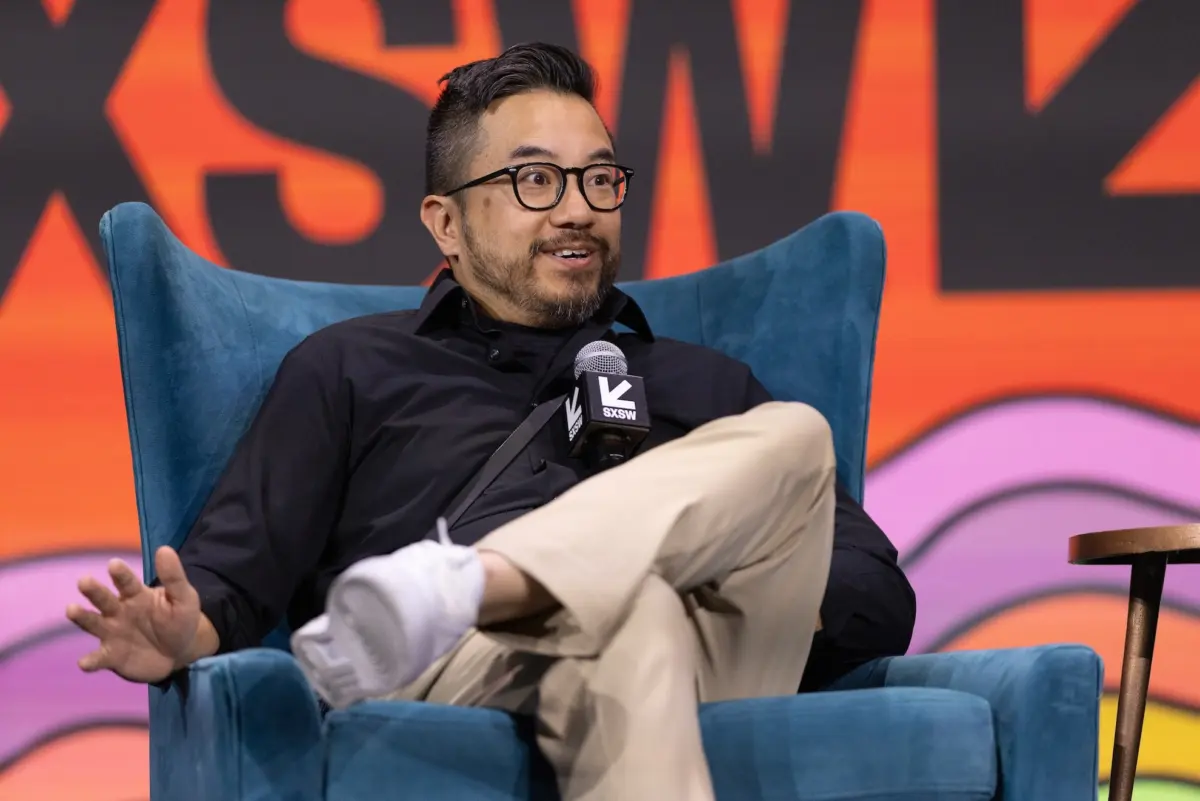
However, Y Combinator CEO Garry Tan is offering a radically different perspective—one that puts him at odds with the elite proprietary labs currently driving the commercial AI boom. In recent interviews with CNBC and TechCrunch, Tan argued that regulators should adopt a hands-off approach toward distillation. More provocatively, he suggests that U.S. open-weight AI labs should embrace the practice themselves, leveraging frontier models to build a robust, homegrown ecosystem of open-source alternatives.
Tan’s stance introduces a fascinating ideological fault line within the technology sector. On one side are proprietary model makers who argue that unauthorized distillation undermines business models, compromises national security, and represents intellectual property extraction. On the other side is a philosophy rooted in open access, which points out the irony of closed-source giants complaining about unauthorized knowledge extraction after they themselves trained their foundational models on vast expanses of copyrighted human data without explicit permission.
This article explores the mechanics of AI distillation, the escalating conflict between U.S. frontier labs and Chinese developers, Garry Tan’s controversial policy prescriptions, and what this high-stakes battle means for the future of global artificial intelligence.
Detailed Chronology: How the Distillation Crisis Unfolded
To understand the current regulatory and technological flashpoint, it is essential to trace how model distillation transformed from an obscure machine learning optimization technique into a primary geopolitical battleground.
The Rise of Knowledge Distillation
Historically, artificial intelligence models required massive computational footprints to achieve state-of-the-art performance. Distillation—a process where a smaller "student" model is trained using the outputs, logits, and reasoning traces of a larger, more powerful "teacher" model—was originally developed to make high-end models commercially viable for edge devices and consumer hardware.
By querying a frontier model millions of times, developers can capture its core reasoning capabilities and compress them into a fraction of the size and cost. While this is a standard, legitimate engineering practice widely used within labs to build efficient models, its application across organizational and national boundaries has triggered intense friction.
The Anthropic Threat Intelligence Reports
The tension over cross-border distillation boiled over publicly through a series of security disclosures by Anthropic, one of the world’s leading AI safety and frontier model developers. In late 2025 and continuing into September 2026, Anthropic published threat intelligence reports detailing what it termed "illicit distillation attacks."
According to these reports, specific Chinese AI laboratories systematically masked their identities, bypassed rate limits, and allegedly relied on fraudulent accounts and stolen credentials to siphon reasoning pathways from Anthropic’s flagship models. Anthropic CEO Dario Amodei subsequently stepped up his public lobbying efforts, calling on U.S. lawmakers and regulatory agencies to enact strict controls on API usage and implement technical guardrails to prevent unauthorized knowledge transfer.
Garry Tan’s Counter-Offensive
Amid mounting calls from Silicon Valley executives for Washington to step in and criminalize or heavily restrict aggressive distillation practices, Y Combinator CEO Garry Tan pushed back. Speaking to CNBC and TechCrunch in September 2026, Tan delivered a blunt assessment of the regulatory landscape: "I would do nothing."
Tan expanded on this by suggesting that instead of crying foul, the United States should consider establishing its own legitimate "distillation regime." Under his vision, smaller, open-weight American startups should be legally and culturally empowered to distill U.S. frontier models. The goal: ensuring that the United States develops a competitive, diverse ecosystem of open-source options that can stand shoulder-to-shoulder with proprietary powerhouses and state-backed foreign competitors alike.
Supporting Context & Metrics: The Mechanics and Irony of AI Training
To fully grasp the weight of Tan’s argument, one must examine both the economic realities of modern AI development and the philosophical inconsistencies of intellectual property enforcement in the transformer era.
The Copyright Paradox
The most compelling pillar of Tan’s argument rests on the foundational hypocrisy of the proprietary AI industry. When major frontier labs—including OpenAI, Anthropic, Google, and others—built their foundational large language models, they vacuumed up petabytes of human knowledge from across the internet. This included books, news articles, academic papers, source code, and user-generated content, frequently without the explicit consent or compensation of the original creators.
Only recently have legal frameworks begun to catch up, highlighted by landmark legal battles such as Anthropic’s multi-billion-dollar copyright settlements in mid-2026. Despite these settlements, the underlying premise of modern AI remains built on the mass aggregation of public and semi-public data.
Tan argues that once an AI model synthesizes this publicly accessible knowledge and exposes its intelligence via an API, controlling what customers do with those outputs is an unacceptable overreach. In his view, intelligence derived from broad public data should lean closer to a public utility than a locked-down enterprise asset governed by restrictive Terms of Service (ToS).
+------------------------------------------------------------+
                 THE AI KNOWLEDGE PIPELINE
+------------------------------------------------------------+
| 1. Web-Scale Ingestion: Frontier labs ingest global data   |
|    (books, code, articles) without explicit permission.    |
+------------------------------------------------------------+
                              │
                              ▼
+------------------------------------------------------------+
| 2. Frontier Model Training: Massive compute yields high-   |
|    end reasoning capabilities (Proprietary "Teacher").     |
+------------------------------------------------------------+
                              │
                              ▼
+------------------------------------------------------------+
| 3. Distillation Extraction: Student models query teacher   |
|    models via APIs to internalize reasoning patterns.      |
+------------------------------------------------------------+
                              │
                              ▼
+------------------------------------------------------------+
| 4. The Ecosystem Split:                                    |
|    • Frontier Labs: Demand tight API locks & regulations.  |
|    • Open-Source Advocates: Push for democratization.      |
+------------------------------------------------------------+
The Doomer Scenario: Monopolization vs. Open Access
Tan, who is famously immersed in the tech ecosystem and once joked about suffering from "cyber psychosis" due to his heavy reliance on tools like Claude Code, views the ultimate threat not as foreign distillation, but as domestic market monopolization.
His ultimate "doomer" scenario is not a rogue AI escaping a box, but rather a single, monolithic corporate entity capturing the entirety of the artificial intelligence market. In this bleak future:
- One company commands the deepest capital reserves.
- One company hires away the world’s leading research talent.
- One company completely dictates the terms of technological progress.
By allowing open-weight models to benefit from distillation, developers ensure that power remains decentralized. While frontier labs must remain financially viable to continue pushing the bleeding edge of research—requiring ongoing funding and strong commercial business models—open-weight alternatives are vital to preserving developer freedom, accessibility, and market competition.
Official Statements and Industry Reactions
The fracture between open-source evangelists and proprietary model defenders has exposed deep ideological divisions within the technology landscape.
Anthropic’s Stance on Security and Integrity
Anthropic’s leadership has consistently maintained that cybersecurity and national security are directly threatened by unregulated knowledge extraction. In their September 2026 Threat Intelligence Report, the company emphasized that unauthorized distillation is not merely a benign engineering shortcut, but a concerted effort by foreign state-aligned actors to bypass years of safety research and multi-billion-dollar R&D investments.
Dario Amodei and his policy teams have argued that frontier models possess sensitive capabilities—ranging from advanced coding to biological and cybersecurity implications—that must be tightly controlled. Allowing bad actors or foreign labs to effortlessly harvest these weights through automated, deceptive API queries undermines the defensive layers that American labs spend millions of dollars constructing.
Garry Tan’s Pragmatic Populism
In contrast, Garry Tan’s perspective reflects the ethos of Y Combinator: build fast, favor decentralization, and resist regulatory capture by incumbent monopolies. Tan draws a sharp line between illicit behavior—such as using stolen credentials, hacking, or violating computer fraud laws—and functional behavior, such as querying an API as a paying customer and learning from the resulting responses.
"Controlling what users and customers do with API calls to closed weight models feels constraining," Tan told TechCrunch. He advocates for government intervention that normalizes public access to intelligence rather than backing corporate efforts to lock down APIs behind draconian Terms of Service.
Future Outlook: Where Do We Go From Here?
As the debate over distillation intensifies, policymakers in Washington, Brussels, and Beijing are forced to grapple with complex questions that sit at the intersection of international trade, intellectual property law, and national security.
1. Regulatory Scrutiny on APIs
Governments are increasingly looking at cloud providers and frontier labs to implement "know your customer" (KYC) protocols and advanced behavioral monitoring on API traffic. The goal is to detect high-volume, automated prompt patterns indicative of distillation attacks. However, implementing such measures risks alienating legitimate enterprise customers who rely on heavy, automated batch processing for their own AI pipelines.
2. The Resilience of Open-Weight Models
Regardless of regulatory headwinds, the open-weight movement—bolstered by labs in Europe, the Middle East, and domestic U.S. startups—continues to gain momentum. Models released by Meta, Mistral, and various academic and independent collectives prove that high-performance open intelligence is here to stay. If Tan’s vision of an "American distillation regime" gains traction, U.S. open-weight developers may increasingly utilize top-tier proprietary models to train competitive open models, fundamentally altering the economics of the industry.
3. Redefining Intellectual Property in the Age of Synthesis
Ultimately, the distillation debate forces a profound legal reckoning. As AI models become capable of learning from other models just as easily as they learn from human text, traditional notions of copyright, trade secrets, and intellectual property are rapidly breaking down. Whether the courts and regulators decide to protect the commercial moats of frontier labs or open the floodgates to decentralized knowledge sharing will shape the trajectory of artificial intelligence for decades to come.
Conclusion
The controversy surrounding model distillation highlights a central tension in the evolution of artificial intelligence: the eternal struggle between centralized control and decentralized access. While frontier labs like Anthropic fight to protect their proprietary investments and safeguard sensitive capabilities against foreign extraction, figures like Y Combinator CEO Garry Tan warn that over-regulation and corporate gatekeeping pose an even greater long-term threat to society.
By urging regulators to "do nothing" and challenging the sanctity of restrictive API terms of service, Tan has injected a radical, pro-open-source counterweight into the national conversation. Whether Washington heeds his advice or moves to lock down the nation’s cutting-edge algorithms remains to be seen. One thing is certain: the war over who owns, controls, and can learn from artificial intelligence has only just begun.







Belum ada komentar. Jadilah yang pertama berkomentar!