On Friday, September 25, 2026, the southern coastal city of Itoman in Okinawa Prefecture will pulse with the rhythmic beat of drums, the piercing resonance of finger whistles, and the collective roar of tens of thousands of participants. The occasion is the Itoman Great Tug-of-War (Itoman no O-tsuna hiki), universally celebrated as one of Okinawa’s three major traditional tug-of-war spectacles.
Staged annually on the 15th day of the 8th month of the lunar calendar—an auspicious harvest moon date widely known in the region as Hachigwachi Juuguya or simply Juuguya—this monumental cultural event transcends a mere athletic contest. It is a deeply spiritual communal rite. Divided cleanly down geographic and symbolic lines into Northern (Kita) and Southern (Minami) factions, the community converges to heave massive, hand-woven ropes of straw. Their shared objective transcends winning: they pull to appease ancestral spirits, secure bountiful agricultural harvests, guarantee a rich bounty from the surrounding seas, and invoke enduring health and prosperity for the prefecture.
As global tourism increasingly seeks authentic, immersive cultural heritage over passive sightseeing, the Itoman Great Tug-of-War stands out as a living masterclass in intangible cultural preservation. Unlike many heritage displays sequestered behind museum glass, this event demands direct physical participation. Spectators and international travelers are not merely welcomed; they are actively absorbed into the human tide of the rope-pulling arena.
To unpack the significance of the 2026 edition, this report examines the chronological rhythm of the festival, the intricate community-driven engineering behind the ropes, the surrounding logistical framework, and where to stay to bridge the gap between historic immersion and modern resort comfort.
Detailed Chronology of the Festival Day
The unfolding of the Itoman Great Tug-of-War is a meticulously choreographed progression of sound, pageantry, spiritual invocation, and physical strain. Understanding the event requires following its timeline from the early morning straw-weaving sessions to the final dismantling of the sacred rope.
1. Dawn: The Communal Weaving of the Sacred Ropes (Miizuna and Uuzuna)
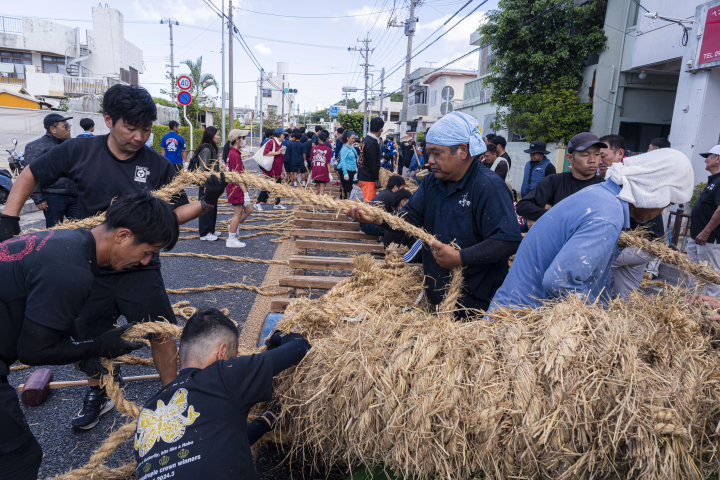
The kinetic energy of the festival begins long before the first tourist arrives. In the weeks leading up to the 15th day of the lunar month, individual districts across Itoman city meticulously craft "small ropes" (ko-tsuna). In the predawn hours of September 25, 2026, local residents will gather en masse to pool these smaller strands together.
Through collaborative, synchronized manual labor, these straw components are braided and twisted into the two colossal centerpieces of the event: the female rope (miizuna) and the male rope (uuzuna). This handcrafted labor is a monumental community-binding exercise. Piling up towering mounds of sun-dried straw and working in tandem breathes physical life into the community’s bonds and civic pride. The resulting ropes are architectural feats of organic material, stretching dozens of meters and weighing multiple tons.
2. Afternoon: The Michizune Procession and Hatagashira Gae
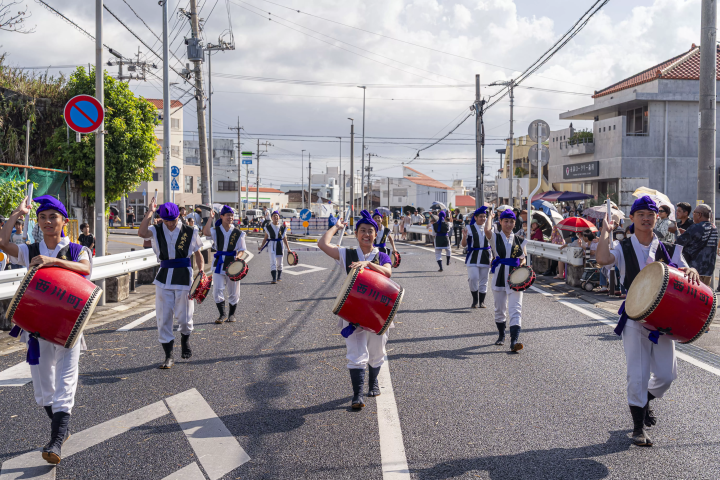
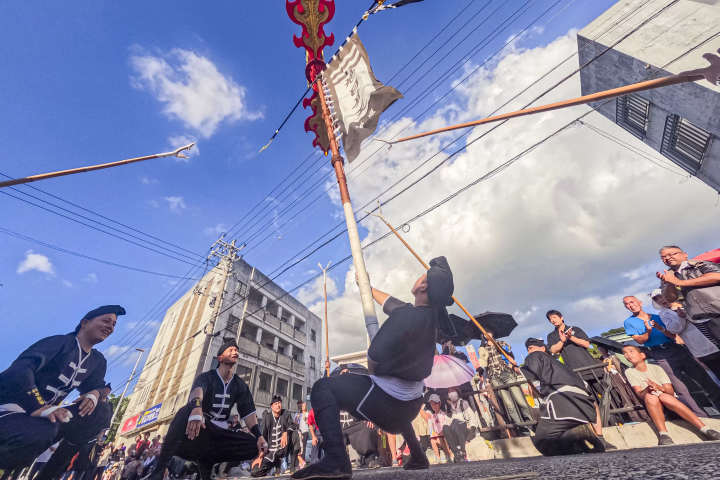
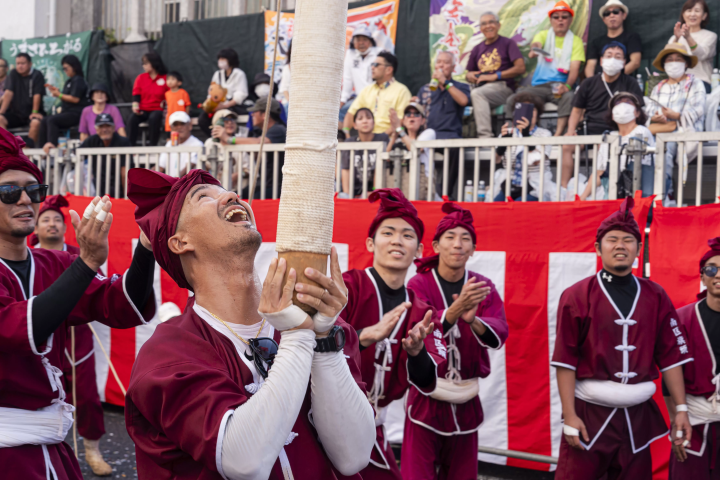
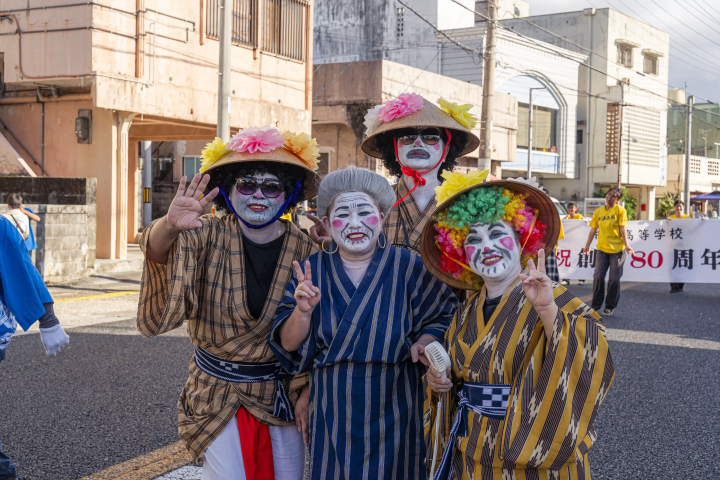
As afternoon yields to the golden hues of early evening, the focus shifts to the streets for the grand celebratory parade known locally as Michizune. Designed to elevate town-wide excitement and pray for communal prosperity and health, the procession is a brilliant explosion of color, sound, and local pride.
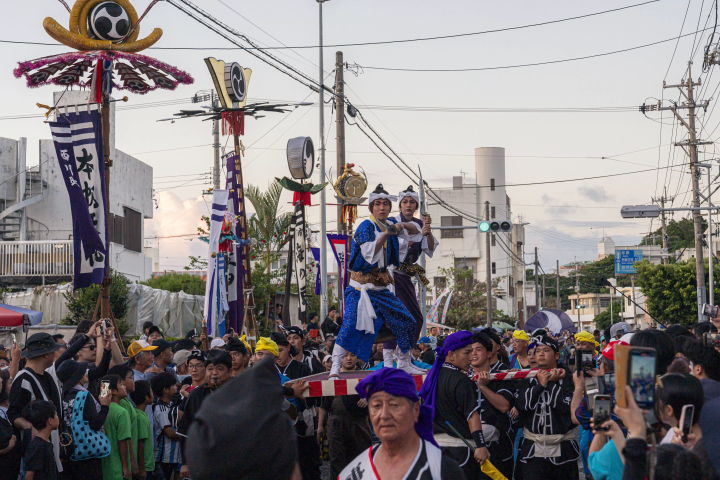
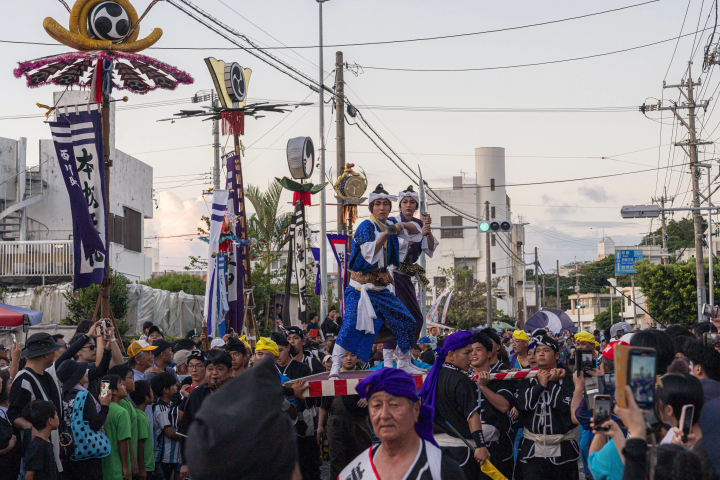
The Flag Bearers (Hatagashira): Towering, ornate regional standards (hatagashira) are hoisted high into the autumn air by seasoned local bearers. These banners represent the distinct identity and honor of each participating district.
The Chinku Ensemble: Directly following the standard bearers comes the Chinku team. Composed primarily of local toddlers and elementary school children, this youthful percussion troupe fills the air with driving rhythms, foundational drumming, and an endearing, festive warmth.
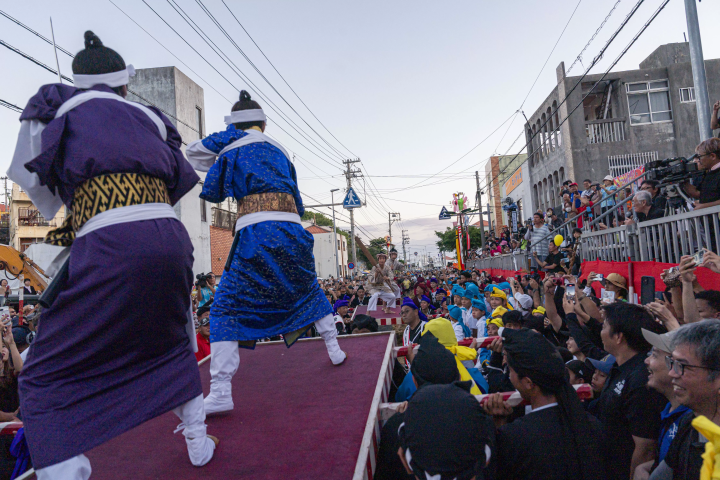
Ryukyu Dancers: Traditional dancers draped in vibrant, colorful historical costumes weave through the procession, encouraging street-side spectators and driving the collective energy upward.
Just before the primary physical competition commences, the northern and southern flag bearers stage a dramatic turf-assertion ritual directly in front of the central headquarters—an intense psychological and artistic face-off known as Hatagashira Gae. The banners sweep, clash, and dip in a choreographed display of fierce regional pride that leaves crowds spellbound.
3. Dusk: Michi-nyuchi, Shitaku, and the Clash of Legends
As the sun dips toward the horizon, the Michi-nyuchi (procession route entry) leads the parade elements directly to the battleground where the northern and southern cordages are staged to meet.
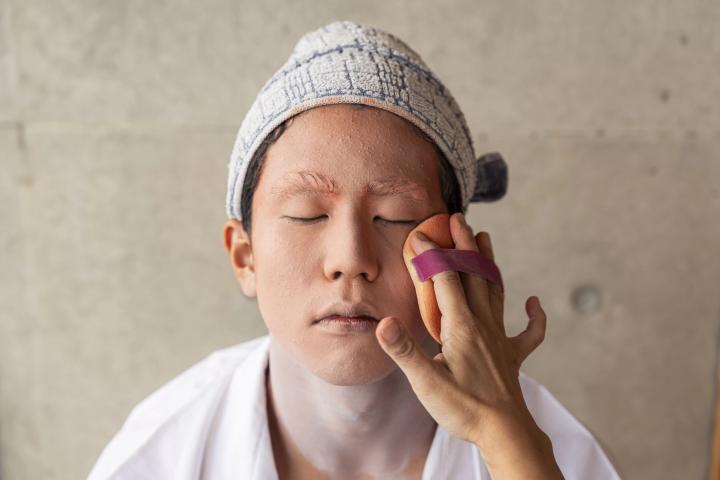
Perched directly atop the crucial locking joint of the ropes—the kanuchi—are the Shitaku (representatives). Dressed elaborately as historical heroes, military commanders, and mythical Okinawan figures from the Ryukyu Kingdom era, these performers engage in theatrical combat. With dramatic glares, stylized posturing, and clashing fans and prop swords, they invoke an atmosphere of fantastical beauty, historical gravity, and mounting tension. All eyes across the venue lock onto this moment as the psychological peak of the evening.
4. Nightfall: The Great Tug-of-War and the Victory Harvest
With the kanuchi poles securely joined, locking the northern and southern ropes into a single unified entity, the official referee’s signal pierces the night air. Instantly, the atmosphere explodes. Shouts of "Ha-iya! Ha-iya!", the shrill trills of finger whistles (kan-karakon), and the relentless thunder of Okinawan drums saturate the urban canyon.
Tens of thousands of participants—spanning generational locals, out-of-prefecture visitors, and international tourists—throw their collective weight behind the ropes. The physical sensation of thousands of bodies moving as a single, straining organism is unforgettable.
Once the contest is settled and a victor (North or South) is declared, the event transitions into its final, sacred phase. The massive ropes are methodically dismantled. Participants slice or pull away chunks of the used straw to take home. In Okinawan folk belief, this straw is heavily imbued with protective energy (muna); it is carefully preserved as a household talisman to ward off malevolent spirits, ensure domestic safety, and guarantee good health for the coming year.
Supporting Context & Metrics: Logistics and Practical Guide
For travelers planning to attend the September 25, 2026 event, navigating local logistics is critical to ensuring an enjoyable, stress-free experience.
Event Blueprint & Schedule
Event Name: Itoman Great Tug-of-War (Itoman no O-tsuna hiki)
Date: Friday, September 25, 2026 (15th Day of the 8th Lunar Month / Mid-Autumn Moon / Juuguya)
Key Locations:
Michizune Parade: Commences from Itoman Elementary School, moving toward the Itoman Rotary.
Main Tug-of-War Arena: Spans from the Itoman Rotary down toward the Shiroganedo Hotel area.
Traffic Restrictions and Transportation Advisory
Because the Itoman Great Tug-of-War draws massive regional crowds, municipal authorities implement strict traffic management protocols on the day of the event.
Road Closures: Heavy vehicular restrictions will be enforced along Prefectural Road 256 and Prefectural Road 77 encircling the primary venue corridors.
Parking Realities: While several temporary parking lots are designated on the periphery of the event zone, spaces fill rapidly by early afternoon.
Expert Recommendation: Attendees are strongly urged to rely on public bus networks from Naha or utilize designated shuttle services to mitigate severe traffic congestion. Alternatively, staying within walking distance or a short taxi ride from the venue completely neutralizes parking anxieties.
Official Statements & Cultural Impact
Cultural preservation officers and municipal leaders in Itoman City have repeatedly emphasized the social utility of the event in an era of rapid modernization.
"The Itoman Great Tug-of-War is not merely an echo of our agrarian and maritime past; it is the living glue of our modern community," noted a representative from the Itoman City Tourism Division. "When a corporate executive, a local fisherman, and a foreign backpacker lock hands on the same hemp and straw rope, social stratification melts away. Everyone pulls toward the same horizon. That shared physical exertion generates a resilience and unity that no digital medium can replicate."
Anthropologists studying Ryukyuan heritage note that festivals anchored to the lunar calendar (Juuguya) serve vital psychological functions. They ground human societies in the natural rhythms of tides, moons, and agricultural cycles—a sensory counterweight to the artificial pacing of modern industrial life. By actively inviting outsiders into the core of the ritual, Itoman has successfully avoided the trap of "staged authenticity," keeping the festival genuinely participatory, fiercely energetic, and culturally vital.
Where to Stay: Bridging Tradition and Resort Luxury
Experiencing a high-energy, sweat-drenched traditional festival like the Itoman Tug-of-War requires strategic base-camp planning. Because the event concludes well into the evening amidst heavy pedestrian crowds and road closures, lodging proximity is the single most important factor for an optimal visitor experience.
The Strategic Choice: Southern Beach Hotel & Resort Okinawa
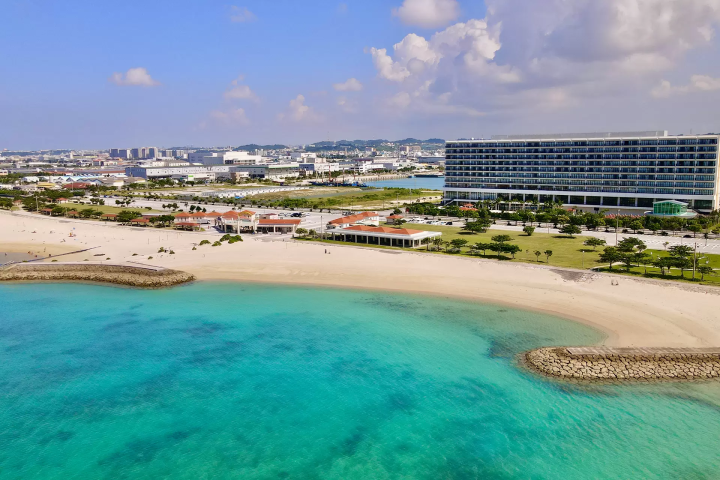
Positioned as the premier hospitality anchor for the festival is Southern Beach Hotel & Resort Okinawa, a full-scale resort complex located at 1-6-1 Itoman City (Cape Irizaki). Situated approximately 10 kilometers (a convenient 20-minute drive) from Naha Airport and merely a 5-to-7-minute taxi ride from the tug-of-war battleground around the Itoman Rotary and Shiroganedo, the hotel solves the primary logistical hurdles of the festival day.
Why Southern Beach Hotel is Ideal for Festival-Goers:
Unrivaled Proximity: By staying just minutes away from the cordoned-off festival zone, guests bypass the gridlock of evening traffic restrictions, allowing for a seamless transition from chaotic festival grounds to peaceful resort luxury.
Immediate Post-Event Recovery: The tug-of-war is an intensely physical, high-energy endeavor that leaves participants thoroughly drenched in sweat and adrenaline. Returning to the hotel in minutes allows guests to immediately shower, refresh, and unwind.
Resort Amenities and Ocean Views: Opened in June 2009, the expansive 448-room property sits directly in front of the municipal swimming beach, Mimi Beach Itoman, offering guests private beach access within a one-minute walk. All guest rooms exceed 30 square meters, featuring spacious layouts and sweeping ocean vistas.
Culinary Fusion: Mornings after the festival can begin with a sprawling breakfast buffet featuring classic Western and Japanese selections alongside authentic Okinawan specialties like sata andagi (Okinawan fried doughnuts), tofu champuru, and live-action cooking stations.
Whether you are traveling to Okinawa to document intangible cultural heritage, test your physical strength against thousands on a legendary straw rope, or simply immerse yourself in the living heartbeat of Ryukyuan tradition, the 2026 Itoman Great Tug-of-War promises an unforgettable journey into the soul of southern Japan.








Belum ada komentar. Jadilah yang pertama berkomentar!