

Executive Overview
To international adventure seekers, Niseko is synonymous with pristine powder snow, world-class alpine resorts, and a winter sports paradise tucked away in Japan’s northernmost prefecture of Hokkaido. However, for domestic Japanese residents earning a local income, Niseko has increasingly become a shorthand for astronomical living and travel costs—a localized economic phenomenon known colloquially as Niseko kakaku (Niseko prices).
Fuelled by a historically weak Japanese yen, an unprecedented surge in inbound international tourism, and the affluent nature of winter sports culture, the town has transformed into a financial ecosystem detached from the rest of the country. Foreign capital is chasing finite goods and services, pushing inflation sky-high not just during the peak ski months, but increasingly throughout the summer "green season."
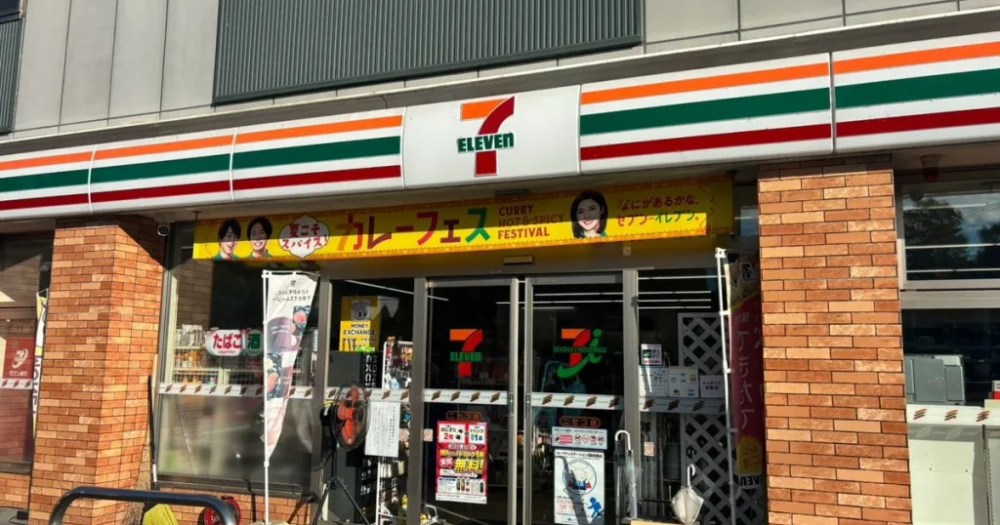
Yet, even against the backdrop of luxury ski chalets, high-end dining, and inflated restaurant menus, a recent investigative visit by reporters to a local 7-Eleven convenience store revealed a surreal peak of this economic anomaly. While Japanese convenience stores are famous for strict corporate pricing uniformity, the Niseko branch breaks the mold by trading in ultra-rare Japanese whiskies, premium champagne, craft spirits, and—most astonishingly—a 500,000-yen (approximately $3,150 USD) antique ceramic vase. This piece explores how a standard convenience store transformed into a luxury boutique, reflecting the broader structural shifts redefining modern Japanese tourism.
Detailed Chronology: An Investigation into "Niseko Prices"
The Summer Transition: Beyond the Slopes
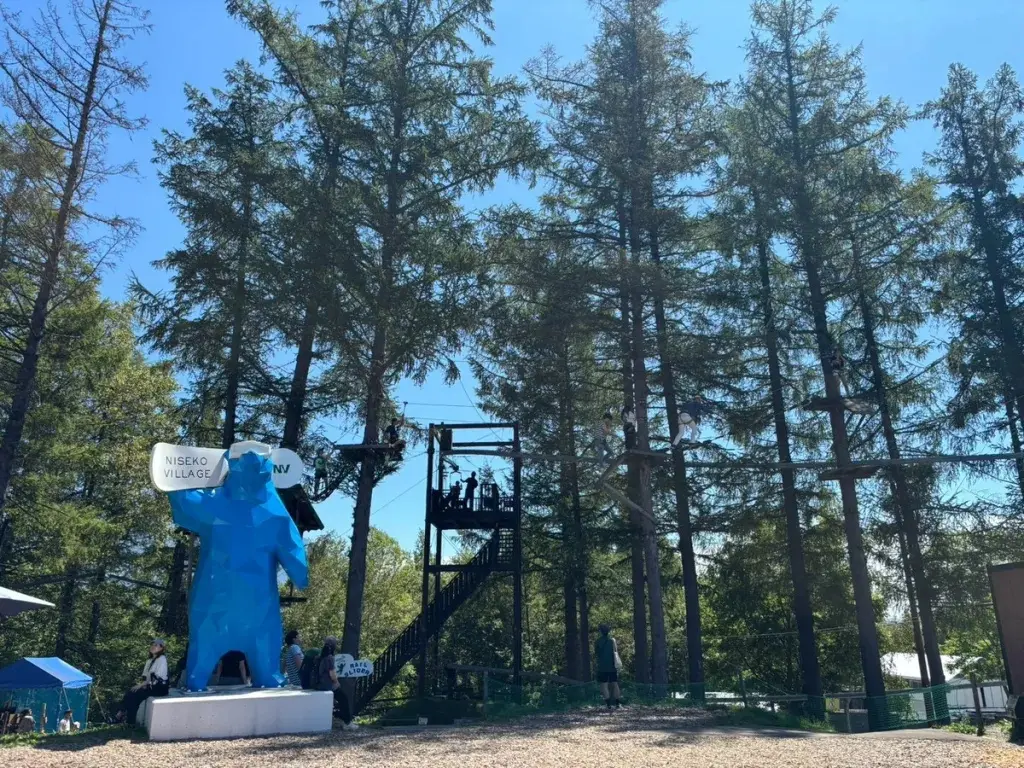
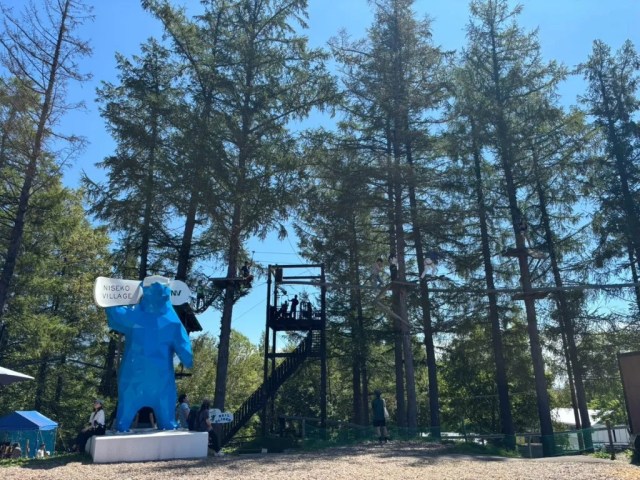
Our journey to Niseko took place during the height of the green season, immediately following an exploratory trip into Hokkaido to sample traditional Ainu cuisine. While the winter months are defined by world-renowned skiing and snowboarding, the summer paints a completely different picture of the landscape. Without snow, the rugged mountains, dense forests, and pristine rivers transform into an outdoor playground. Visitors flock to the region for river rafting, ziplining, and scenic alpine hikes.
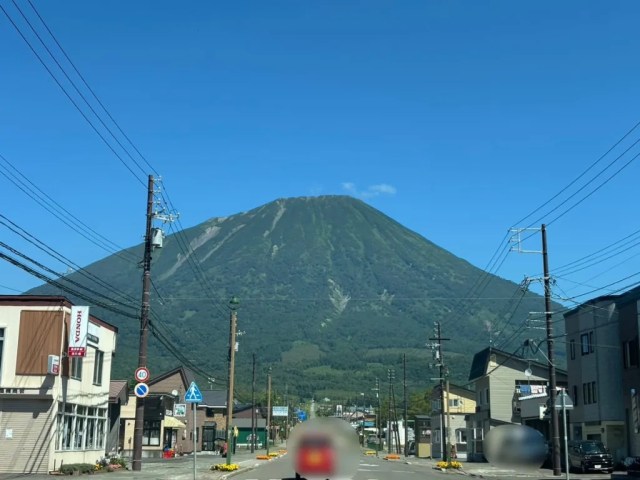
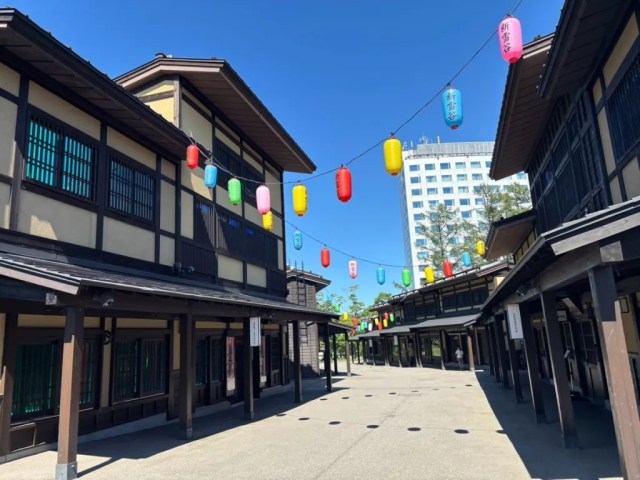
Niseko Village—a curated collection of boutiques, retail shops, and restaurants—remains partially open during these warmer months, though many seasonal businesses shut their doors completely until the first winter flakes fall. Walking through the village center, the reality of Niseko kakaku becomes immediately apparent on every restaurant menu board.
Menu Shock: Ramen and Pizza at Twice the Price
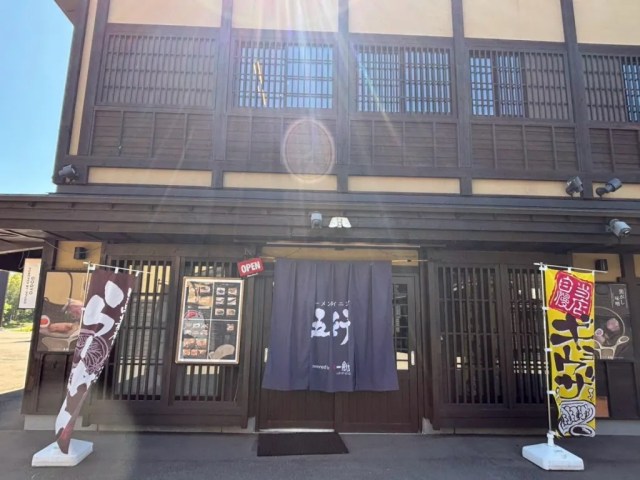
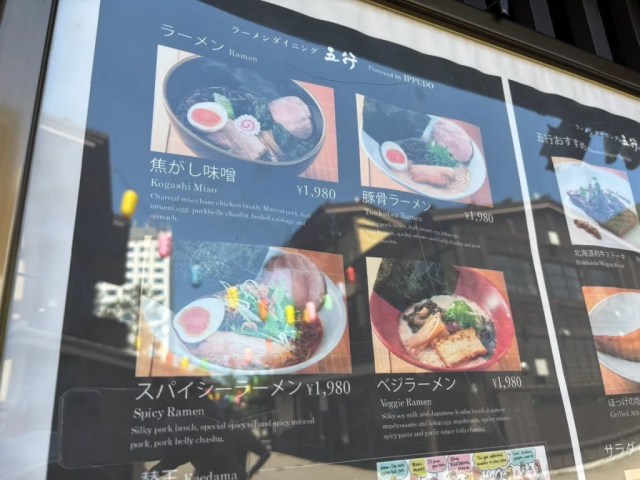
Consider Ramen Dining Gogyo, a celebrated ramen establishment operated by the Fukuoka-founded chain Ippudo. In standard urban centers across Japan, a rich bowl of signature tonkotsu ramen costs around 1,000 yen (roughly $6.30 USD). At the Niseko Gogyo branch, however, the exact same comfort food commands a staggering 1,980 yen—nearly doubling the price.
While these numbers may still appear reasonable to foreign travelers converting currencies from strong Western economies, they represent an enormous financial burden for local Japanese tourists and hospitality workers who earn salaries in a deflated yen.
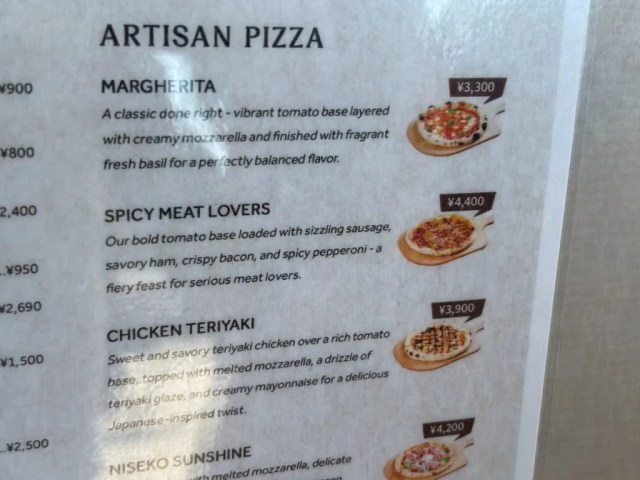
Nearby eateries offering artisanal wood-fired pizzas exhibit similar inflation. Modest, single-serving pies begin at 3,300 yen. A telling indicator of this foreign-centric market design is the prominent presence of pepperoni on the menus—an ingredient that remains largely unpopular and rare in domestic Japanese pizzerias, yet serves as a staple comfort for Western tourists.
Supporting Context & Metrics: The 7-Eleven That Defies Convention
While inflated restaurant menus in a resort town are somewhat expected, the true shock of the trip came from an unexpected retail titan: the Niseko branch of 7-Eleven.
Corporate Uniformity vs. Local Realities
Japanese convenience store chains (konbini) are renowned for corporate rigidity. Supply chains are tightly controlled, and corporate headquarters enforces strict pricing uniformity. A bottle of green tea or an egg salad sandwich costs the exact same in downtown Tokyo as it does in a rural Hokkaido hamlet.
Stepping into the Niseko 7-Eleven, initial impressions confirmed this rule. The aisles, snack racks, and refrigeration units looked entirely standard. Prices for daily staples remained normal, assuring shoppers that opportunistic corporate price gouging was absent.
The High-End Spirits Aisle
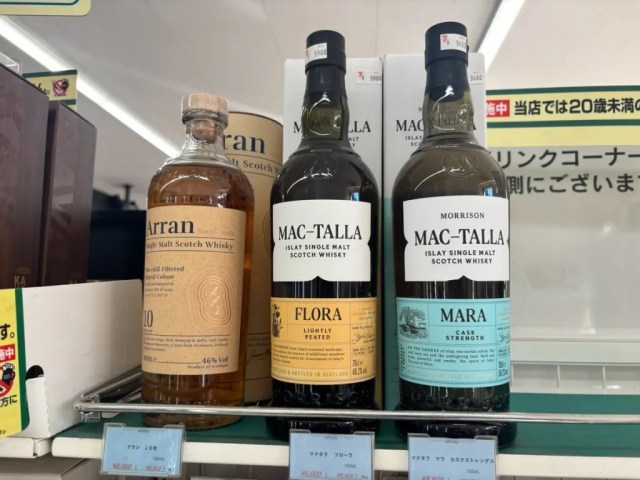
That illusion vanished entirely upon reaching the alcoholic beverage section. Alongside standard, budget-friendly domestic canned beverages like Asahi Super Dry and Kirin Hyoketsu, the store featured an astonishing curation of high-end liquor typically reserved for specialized department stores or duty-free airport lounges.
- Mid-Tier Whiskies: Standard shelves displayed specialty Japanese and international whiskies priced between 8,800 yen and 9,900 yen.
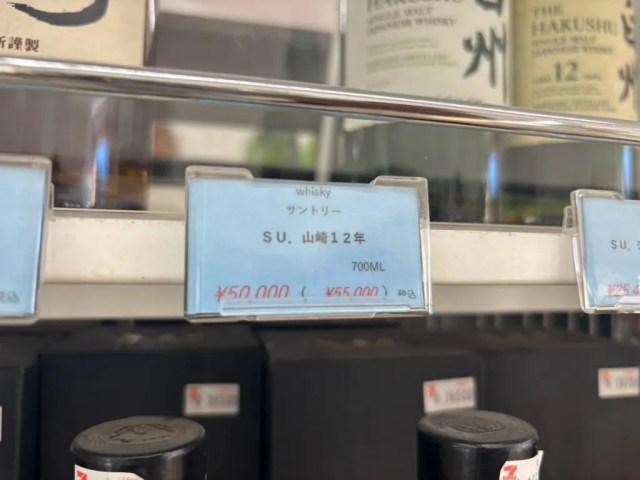
- Suntory Yamazaki 12-Year: For deep-pocketed connoisseurs, the store stocked bottles of Suntory’s coveted 12-year Yamazaki single malt whiskey for 55,000 yen—a single bottle costing more than a monthly rent payment for a studio apartment in many parts of Japan.
- Boutique Craft Gin: Shoppers looking for white spirits could toss a 5,192-yen bottle of artisanal craft gin into their baskets alongside traditional convenience store snacks like Pocky and melon bread.
- Champagne: Bubbly enthusiasts were greeted with a 27,500-yen bottle of premium champagne—a surreal sight where a five-digit luxury price tag sits directly beneath the iconic orange-and-green 7-Eleven corporate logo.
Official Statements and Store Insights
Faced with such an unusual retail lineup, the critical question remained: Do these ultra-luxury items actually sell, or are they merely high-priced window dressing designed to shock tourists?
When asked whether customers actually purchase these expensive spirits, a store clerk offered a casual and telling response:
"Hahaha yeah, we sell a whole lot of it."
According to the staff, the primary clientele for these high-ticket items consists of international travelers. Far from agonizing over the investment or treating the purchase as a momentous occasion, foreign buyers select these high-end bottles with the casual indifference of someone picking up a carton of milk or a bento box during a routine grocery run.
The Ultimate Curiosity: A 500,000-Yen Artifact
As extraordinary as a 55,000-yen whiskey bottle is within a convenience store setting, it was eclipsed by the single most surreal item discovered in the establishment: a traditional ceramic vase.
Tucked away quietly in a corner of the shop, surrounded by local tourism pamphlets and promotional signage proclaiming "Souvenir of Japan, one-of-a-kind," sat a large, handcrafted ceramic vessel. Attached to it was a price tag that completely redefined convenience store retail expectations: 500,000 yen (approximately $3,150 USD).
While fine art and antique appraisers might argue whether a one-of-a-kind traditional Japanese ceramic piece represents fair market value, the mere presence of a half-million-yen art object inside a 7-Eleven highlights the bizarre economic reality of Niseko. It is a town operating as an entirely autonomous economic bubble, where global wealth, luxury tourism, and everyday convenience retail violently collide.
Future Outlook: The Sustainability of the "Niseko Economy"
The transformation of Niseko into a hyper-inflated luxury enclave offers a fascinating case study for Japan’s broader tourism strategy. As the national government aggressively promotes inbound travel to combat demographic decline and revitalize regional economies, destinations like Niseko serve as both a success story and a cautionary tale.
- The Domestic Alienation Gap: As local prices rise to match foreign purchasing power, domestic travelers and regional workers are increasingly priced out of traditional vacation spots within their own country. This threatens to create a two-tiered tourism market in Japan.
- Infrastructure Strain and Adaptation: Retailers and service providers in resort towns are rapidly adapting their inventory to cater exclusively to high-spending global nomads. The 7-Eleven model in Niseko proves that convenience stores can pivot into luxury curators when local demographics demand it.
- Economic Spillover: While the green season has helped mitigate the extreme seasonality of Niseko’s economy, the long-term sustainability of hyper-inflationary pricing depends entirely on the stability of global exchange rates and the continued appetite of wealthy international travelers.
Ultimately, Niseko remains an outlier—a snowy frontier where you can conquer a mountain, sip a $350 whiskey, and purchase a half-million-yen ceramic vase, all before stopping by the counter for a melon bread pastry.






Belum ada komentar. Jadilah yang pertama berkomentar!