

Executive Overview
The video game industry operates on a rhythm dictated by seasonal consumer spending, quarterly financial reports, and, occasionally, monumental anchor releases that shift the tectonic plates of the entire market. As the industry looks toward the horizon, an unprecedented phenomenon is unfolding: the impending, all-consuming shadow of Grand Theft Auto 6 has virtually cleared out the entire November release schedule. Publishers across the globe, fearing the financial gravity of Rockstar Games’ juggernaut, have engaged in a mass migration, abandoning the traditional holiday window entirely.
This stampede has created an extraordinary, hyper-congested traffic jam in October. Rather than a steady trickle of diverse titles leading into the holiday shopping season, the month of October has transformed into a high-stakes gladiator arena. Major industry heavyweights—including Ace Combat 8, Gears of War: E-Day, Star Wars: Galactic Racer, and Modern Warfare 4—are crammed shoulder-to-shoulder alongside an army of ambitious independent and AA titles.
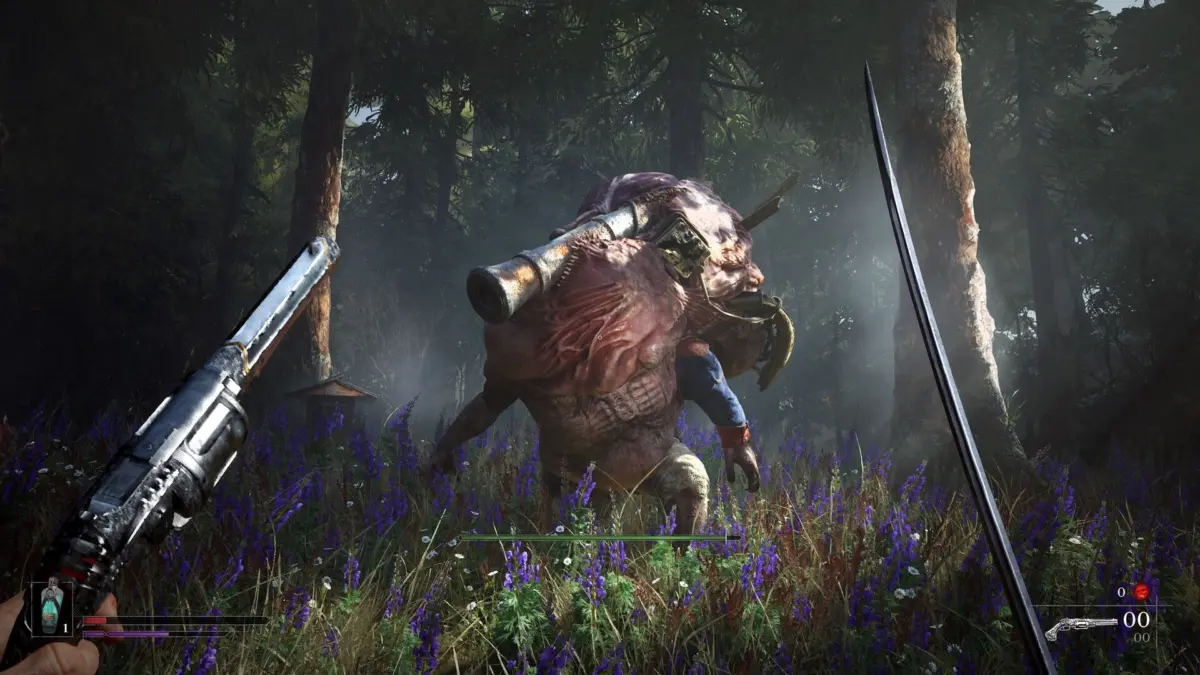
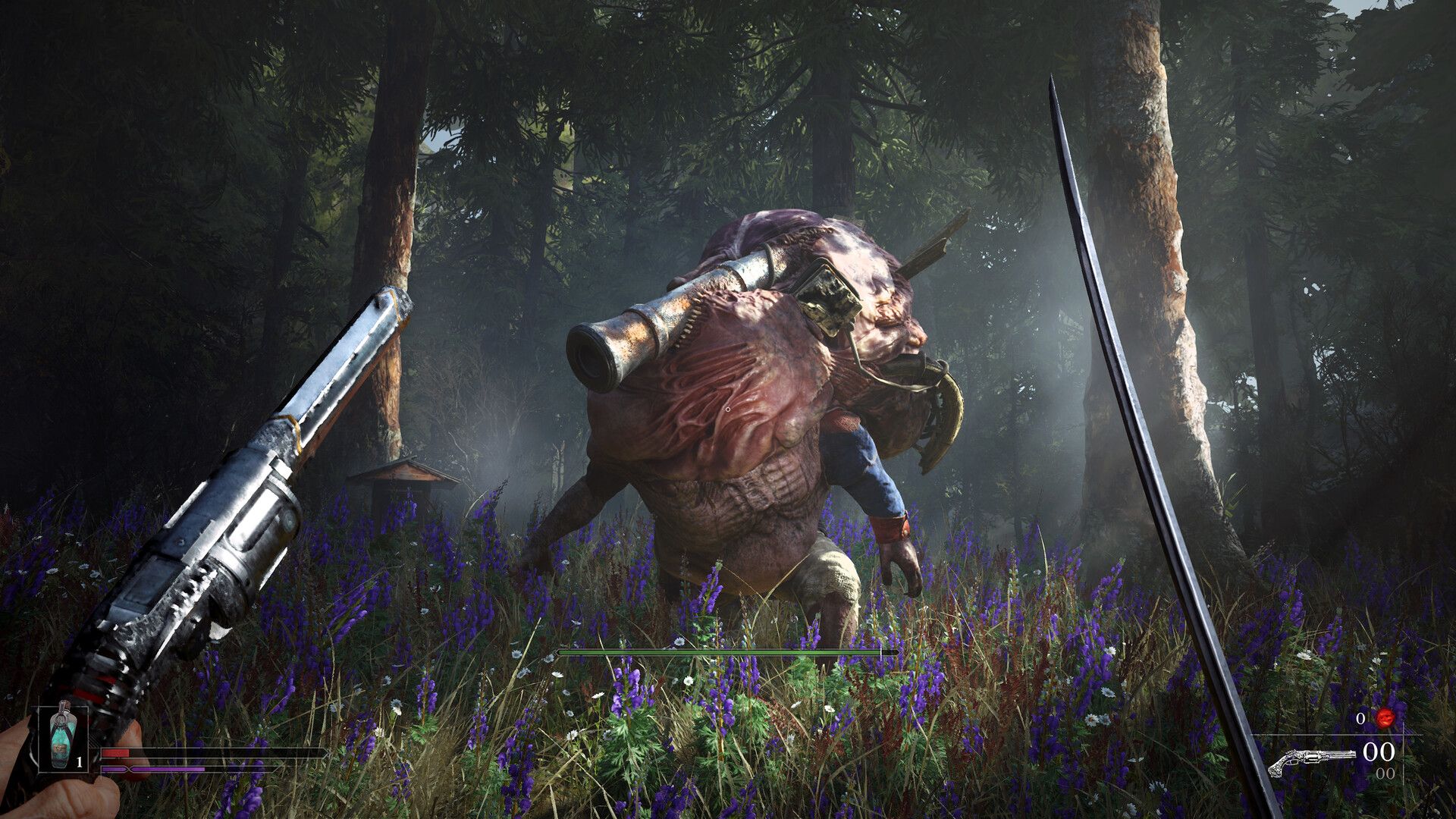
Among those braving this crowded landscape is Valor Mortis, an upcoming first-person soulslike set against a horror-infused alternate history of the Napoleonic Wars, developed by the creators of the Ghostrunner series and published by Lyrical Games. Launching on October 13, Valor Mortis faces a daunting uphill battle for consumer attention and wallet share. However, rather than shrinking away from the competition, Lyrical Games is leaning into the chaos. By adopting an aggressive pricing strategy—positioning the game at a accessible $40 price point—the publisher aims to make Valor Mortis an "and" game: a title that consumers can easily purchase alongside the month’s more expensive blockbuster releases without feeling financial strain.
This article investigates the broader economic pressures driving the October 2025 release bottleneck, the strategic maneuvering of mid-tier publishers like Lyrical Games, and how shifting consumer habits are forcing a fundamental reassessment of how video games are priced, packaged, and marketed in an increasingly crowded digital marketplace.
Detailed Chronology: The Great Fall Migration of 2025
To understand the current state of the autumn release calendar, one must examine how the industry arrived at this unprecedented bottleneck. Historically, November has served as the holy grail for video game publishers. Wedged neatly between the back-to-school season and the December holiday shopping rush, November routinely accounted for a disproportionate percentage of annual software sales, driven by blockbuster sequels, annual sports franchises, and tentpole shooter releases.
However, the announcement and subsequent marketing rollout of Grand Theft Auto 6 disrupted this age-old calculus. Recognizing that consumer wallets possess a finite capacity—and that marketing oxygen would be almost entirely sucked out of the room by Rockstar’s marketing machine—executives across major publishing houses quietly began pulling their November titles forward or pushing them deep into the following year.
By mid-summer, industry analysts realized the scale of the displacement. With November effectively written off as a no-fly zone, publishers turned their sights to October. What followed was a domino effect that compressed an entire season’s worth of major software launches into a terrifyingly narrow window.
The October Colosseum
A survey of the October calendar reveals an ecosystem pushed to its absolute limits. High-profile franchise installments and long-awaited sequels are colliding with each other in real-time:
- Ace Combat 8: Bandai Namco’s premier flight combat simulation returns with next-generation visual fidelity, targeting aerospace enthusiasts and action fans alike.
- Gears of War: E-Day: Microsoft’s critical return to the origins of its flagship sci-fi horror franchise is positioning itself as an emotional and technical tour de force for the Xbox ecosystem.
- Star Wars: Galactic Racer: A high-speed, adrenaline-pumping revival of classic futuristic arcade racing, capturing the perilous thrills of the galaxy far, far away.
- Modern Warfare 4: The annual dominant force in military shooters arrives earlier than usual, demanding tens of millions of concurrent players and countless hours of engagement.
Compounding this heavy-hitting lineup is a robust wave of mid-tier and indie-darling titles that would typically command their own breathing room. The schedule features the launch of a brand-new Hellraiser video game adaptation, the environmental strategy and management sequel Planet Zoo 2, Jonathan Blow’s deeply anticipated next artistic endeavor, a remaster of the classic RPG Tales of Eternia, the full 1.0 commercial launch of survival-crafting hit Enshrouded, and a high-profile 2D-HD remake from the Final Fantasy catalog.
Into this chaotic, high-density battlefield steps Valor Mortis. Developed by the veterans behind Ghostrunner, the game marries lightning-fast movement mechanics with brutal first-person melee combat, set against the grim backdrop of a supernatural Napoleonic War. Despite positive early previews praising its ability to execute notoriously difficult first-person melee mechanics, its commercial survival is far from guaranteed.
Supporting Context & Metrics: The Economics of the "And" Game
The decision-making process behind launching a mid-budget (AA) title into a heavyweight prize fight requires a delicate balance of market psychology, financial modeling, and raw pragmatism. Lyrical Games CEO Blake Rochkind recently illuminated these strategic realities in an interview with The Game Business, offering a rare, transparent glimpse into the boardroom calculus of modern game publishing.
"By virtue of the development schedule, the cards we’ve been dealt is that we are one of the only new IPs launching this fall," Rochkind explained. "We are pretty confident in Valor Mortis. But ultimately, the worst thing we could do is not push our chips in and say, ‘We want this to be a game that you can pick up alongside these other great games.’"
The Psychology of the $40 Price Point
At the heart of Lyrical Games’ strategy is a calculated rebellion against standard industry pricing tiers. While AAA blockbusters routinely demand $70—and occasionally flirt with higher premium editions—Lyrical Games has pinned Valor Mortis at a modest $40 price tag.
This pricing is not a reflection of a lack of confidence in the game’s production value; rather, it is a deliberate maneuver to capture "ancillary spending." In economic terms, video games often compete directly with one another for a consumer’s disposable entertainment budget within a given month. If a player has allocated $70 for Gears of War: E-Day or Modern Warfare 4, asking them to drop another $70 on an unproven intellectual property like Valor Mortis creates an insurmountable economic barrier.
By pricing the game at $40, Lyrical Games transforms Valor Mortis from an "or" purchase into an "and" purchase. As Rochkind noted, citing conversations with peer developers who achieved tremendous success at lower price points: "We never regretted being an ‘and’ game. We never regretted pricing our game as something that you can pick up alongside other games."
This consumer-friendly positioning acknowledges a fundamental truth of modern gaming economics: players want variety, but household budgets are finite. By lowering the financial friction of acquisition, publishers of mid-tier titles can cast a much wider net, capturing impulse buys from players who have already satisfied their primary blockbuster cravings.
Official Statements & Industry Perspectives
The phenomenon of the October bottleneck and the strategic adaptation of publishers highlight a broader cultural shift within the games industry. For years, the race toward photorealism and ballooning development budgets—often exceeding $200 million per AAA title—has created an environment where failure is catastrophic. A AAA game that misses its sales targets can sink an entire studio.
Consequently, mid-tier publishers must navigate an increasingly hostile landscape where they are routinely squeezed between multi-billion-dollar franchises and hyper-accessible, low-cost indie sensations.
Industry veterans have increasingly spoken out about the necessity of psychological pricing models. The philosophy echoes recent sentiments expressed by the developers of the breakout indie hit Peak, who famously deconstructed digital impulse economics with refreshing candor: "4 bucks is also kind of 5 bucks, 3 bucks is 2 bucks. And 2 bucks is basically free." While tongue-in-cheek, the underlying thesis speaks to the micro-calculations consumers make when clicking "Buy" on digital storefronts like Steam, PlayStation Network, and Xbox Marketplace.
For Lyrical Games, the challenge is proving that an alternate-history, horror-infused, first-person soulslike can cut through the noise of established military shooters and legacy franchises. The studio’s willingness to embrace the October madness—rather than retreating into the dead zones of winter or summer—demonstrates a proactive, risk-tolerant approach that could serve as a blueprint for other independent publishers facing similar schedule displacement.
Future Outlook: Navigating the Post-GTA Landscape
As the industry looks past the turbulence of October and the looming specter of November, market analysts are already questioning what the long-term ramifications of the 2025 release bottleneck will be.
Several key trends are likely to emerge from this crucible:
- De-escalation of Traditional Release Windows: The traditional wisdom that major games must launch in the fourth quarter to succeed is being severely tested. As the market becomes oversaturated by the sheer volume of high-profile projects, more publishers may begin colonizing atypical windows—such as early spring or late summer—to secure undivided consumer attention.
- The Renaissance of the AA Tier: The success or failure of titles like Valor Mortis at the $40 price point will serve as a bellwether for the mid-tier sector. If accessible pricing successfully insulates quality AA games from blockbuster cannibalization, expect to see more publishers adopt flexible, value-oriented pricing models rather than blindly chasing the $70 AAA standard.
- Platform Diversification: Notably, while October is packed with heavyweights, the absence of major PC-native releases from the core console rivalry leaves ample room for platforms like Steam to curate thriving ecosystems for titles that embrace alternative genres and risk-taking design.
Ultimately, the great October bottleneck of 2025 is a testament to the sheer volume, creativity, and economic complexity of the modern video game landscape. While the shadow of Grand Theft Auto 6 forced publishers into an uncomfortable corner, it has also sparked innovative marketing and pricing strategies. Whether Valor Mortis and its peers can successfully carve out a profitable niche amidst the chaos remains to be seen, but the industry is watching closely as the battle lines are drawn.







Belum ada komentar. Jadilah yang pertama berkomentar!