

Executive Overview
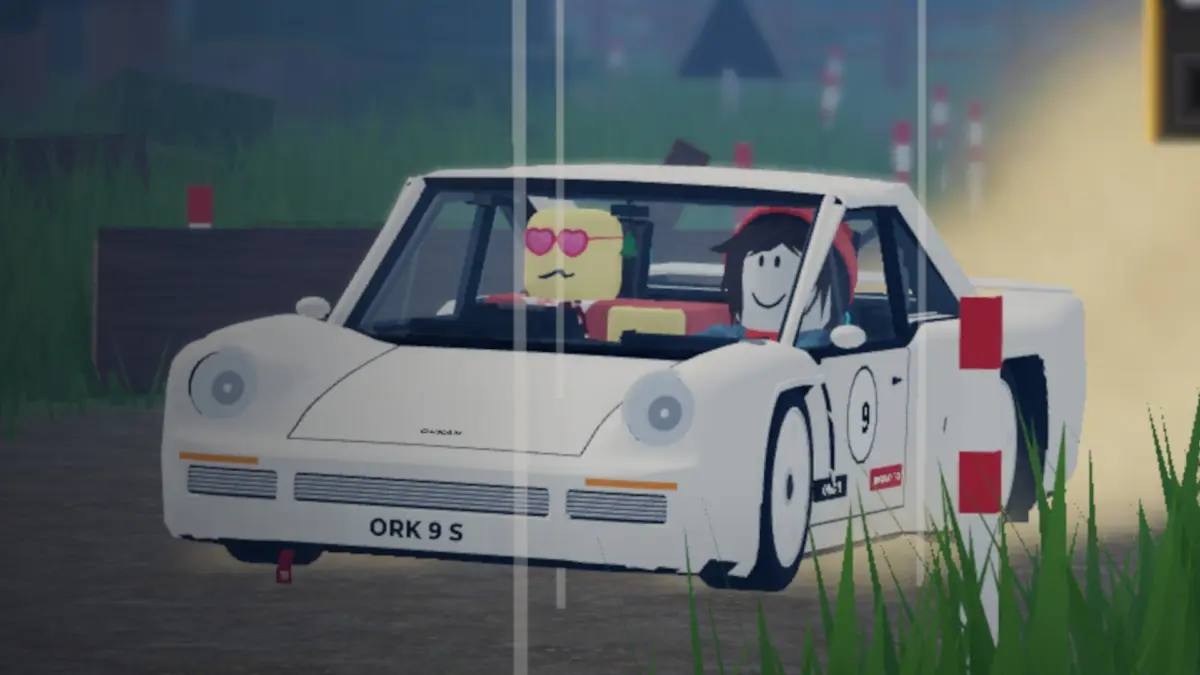
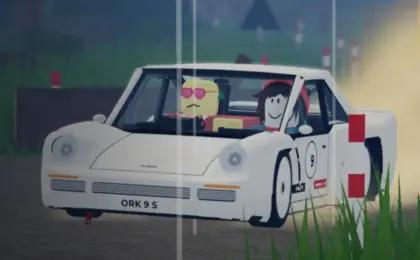
In the rapidly evolving ecosystem of Roblox user-generated content (UGC), specialized simulators and physics-based driving games have carved out a lucrative, highly engaged niche. Among the most innovative recent entrants is Backseat Rally, an asymmetric co-op racing title developed by the independent studio group No crash plez. By blending high-stakes rally racing mechanics—featuring dynamic mud slides, hairpin turns, and real-time traction shifts—with a dual-occupant or AI-assisted navigation system, the game delivers an intense competitive experience that demands both precision mechanical skill and effective communication.
Central to the title’s retention model and player progression pipeline is its virtual economy, anchored by CR (Credits). Players utilize CR to purchase randomized crates containing car upgrades, chassis enhancements, and performance modifications necessary to climb the global time-trial leaderboards. To lower the barrier to entry and compensate players during major content patches, social milestones, and maintenance fixes, the developers periodically release promotional reward codes.
This comprehensive analysis examines the operational architecture of Backseat Rally, detailing its core gameplay loops, the technical implementation of its promotional code system, the underlying economic incentives driving crate consumption, and the developer’s distinct approach to community governance without relying on traditional external channels like Discord.
Detailed Chronology & Systemic Evolution
[Development Phase] ──> [Alpha Release] ──> [In-Game Economy Rollout] ──> [Group-Centric Live Ops]
  • Physics R&D           • Mud / Hairpin Logic    • CR & Crate Systems          • Roblox Group Polling
  • Asymmetric Co-op      • AI Nav Engine          • Promotional Codes           • No Discord Infrastructure
Phase 1: Conceptualization and Physics Prototyping
Backseat Rally emerged from a clear gap in the Roblox automotive gaming landscape. While arcade-style street racers and open-world driving simulators dominate the platform, rally racing—a discipline defined by off-road surface friction, weight transfer, and co-driver pace notes—remained underserved. The development team at No crash plez spent early iteration cycles establishing vehicle chassis physics that could realistically simulate low-traction environments, notably wet clay, loose gravel, and deep mud slides.
Phase 2: Asymmetric Co-Op Integration and AI Fallbacks
To differentiate Backseat Rally from traditional single-player time trials, the studio implemented a core asymmetric gameplay mechanic:
- The Driver: Manages steering, throttle control, manual gear shifting, and braking vectors under fluid track conditions.
- The Navigator: Responsible for pacing, reading incoming terrain anomalies, identifying optimal braking points, and managing co-driver calls.
Recognizing that peer-to-peer matchmaking bottlenecks can severely hinder user retention in co-op titles, the developers engineered a real-time AI copilot framework. This autonomous system calculates environmental hazard vectors and delivers automated pace calls, ensuring solo players experience no operational disadvantage compared to paired teams.
Phase 3: Monetization and the CR Economy Rollout
Following the core physics and matchmaking stability updates, No crash plez introduced the game’s primary loop: earning CR through stage completion, competing for leaderboard rankings, and reinvesting currency into vehicle enhancement crates. To stabilize player onboarding and compensate for balance patches, the developer introduced a code redemption system capable of granting instant CR payouts to active users.

Phase 4: Modern Live-Ops and Decentralized Community Management
Unlike many contemporary Roblox titles that heavily leverage third-party platforms like Discord for updates, Backseat Rally established its primary community hub directly within the native Roblox Group infrastructure under the No crash plez banner. This decision streamlined developer-to-player communications, directing poll participation and official patch notifications through a single platform-native vector.
Supporting Context & Core Engine Metrics
+-----------------------------------------------------------------------------------+
|                            BACKSEAT RALLY GAMEPLAY LOOP                           |
+-----------------------------------------------------------------------------------+
|  [Rally Stage Execution]  -->  [CR Currency Accrual]  -->  [Loot Crate Opening]    |
|  • Mud & Hairpin Traversal      • Time-Trial Rewards       • Chassis Enhancements |
|  • Human/AI Navigator Calls     • Promotional Code Bonuses • Performance Upgrades |
+-----------------------------------------------------------------------------------+
Structural Game Mechanics
To excel on Backseat Rally’s dangerous tracks, players must master complex physics interactions that govern off-road vehicular dynamics:
- Surface-Friction Gradients: Track surface conditions transition continuously between dry asphalt, loose dirt, and deep mud slides. Dynamic tire friction parameters force drivers to adapt their cornering angles and momentum retention strategies mid-stage.
- Hairpin Navigation Systems: Tight-radius turns demand precise weight-transfer management using the handbrake, coupled with accurate calls from the navigator to prevent catastrophic rollovers or course off-tracking.
- Leaderboard Validation Engine: Stage times are calculated, validated server-side to prevent telemetry tampering, and logged directly onto global leaderboards categorized by vehicle class and copilot configurations (Human vs. AI).
In-Game Virtual Economy: CR & Loot Crates
The primary financial driver of Backseat Rally is its CR (Credits) system, which controls car customization and performance scaling:
| Economic Metric | Function & Impact on Gameplay |
|---|---|
| CR (Credits) | The primary earnable currency required to open performance and cosmetic crates. |
| Vehicle Crates | Randomized reward boxes containing engine tuning parts, suspension upgrades, off-road tires, and cosmetic liveries. |
| Promotional Codes | Instant capital injections of CR provided by developers during major milestones, server hotfixes, and content updates. |
| Leaderboard Multipliers | High-tier finishes award bonus CR yields, creating a direct reward loop for top performance. |
The loop creates a strong incentive structure: players utilize promotional codes to acquire starting capital, open initial crates to improve baseline vehicle statistics, and leverage those performance gains to compete for high-yield leaderboard spots.
Technical Implementation of Code Redemption
To guarantee integrity and prevent currency duplication bugs, the code redemption architecture relies on client-to-server validation protocols:
[User Input: Code UI] ──(Encrypted Request)──> [Roblox Server Verification]
                                                      │
         ┌────────────────────────────────────────────┴────────────────────────────────────────────┐
         ▼                                                                                         ▼
  [Code Valid & Unused]                                                                   [Code Invalid/Expired]
  • Mutate User Database Entry (+CR)                                                       • Return Rejection Error
  • Flag Account ID for Specific Code                                                      • Log Attempt Telemetry
  • Push Client UI Update Signal                                                           • Prompt Retry Signal
Step-by-Step Code Redemption Protocol:
- Launch Backseat Rally via the official Roblox client application.
- Access the Redemption Interface: Navigate to the main menu overlay and locate the dedicated code text input box (typically marked with a Twitter/X icon or stylized promo gift symbol).
- Input Data String: Enter the precise case-sensitive alphanumeric code string into the input slot.
- Execute Verification: Press the "Submit" or "Redeem" button to send an encrypted validation packet to the game server.
- Asset Disbursement: Upon successful server confirmation, the assigned CR value is immediately credited to the player’s account balance, enabling immediate crate purchases.
Official Developer Statements & Community Discourse
Rather than deploying off-platform communication servers, the development team at No crash plez maintains direct engagement through Roblox’s native community features. This strategy mitigates moderation overhead while maintaining direct feedback channels with the core player base.
Primary Community Hub
The studio explicitly confirmed its stance on community infrastructure via official updates within the group portal:

Official Notice: No official Backseat Rally Discord server exists. The definitive location for developer updates, feature polling, bug reporting, and community interactions is the official No crash plez Roblox group.
Developer Strategy on Code Dissemination
In communications posted directly to the group feed, developers outlined their distribution methodology regarding promotional CR codes:
- Milestone Releases: Codes are generated when Backseat Rally hits predefined active player, favorite, or group-member counts.
- Patch Compensations: Following emergency downtime or balance patches adjusting vehicle handling or track friction vectors, compensation codes are issued to reset affected player metrics.
- Content Drops: Major track drops—such as new alpine mud courses or night-stage updates—are paired with promotional drops to help players upgrade their vehicles for elevated stage difficulties.
Future Outlook & Industry Analysis
Evolution of the Roblox Automotive Ecosystem
Backseat Rally represents a broader paradigm shift within Roblox UGC games: moving away from simplistic arcade physics toward realistic, high-skill mechanics that reward technical play. As Roblox continues to upgrade its native physics engine and networking bandwidth, titles utilizing co-op vehicle mechanics and server-authoritative physics will experience higher retention rates among older demographics.
Infrastructure Scaling Predictions
While No crash plez currently relies exclusively on native Roblox group tools, the growth of Backseat Rally’s competitive leaderboards may necessitate further operational expansions:
- Third-Party Telemetry Integration: Dedicated web platforms or verified community hubs to track dynamic telemetry, stage records, and verified time-trial replays.
- Automated Event Cycles: Weekly procedural rally stages with randomized surface-friction configurations, rewarding top-tier co-op teams with exclusive, non-purchasable chassis crates.
- Expanded AI Copilot Models: Machine-learning-driven copilot models capable of dynamically adapting voice call frequencies to match individual driver aggression and braking patterns.
Strategic Recommendations for Players
To maintain high performance without relying entirely on grind mechanics, players should monitor the No crash plez community portal for newly authorized CR code drops. Redeeming these capital boosts during initial content drops allows drivers to upgrade suspensions and mud-terrain tire compounds before attempting top-tier leaderboard time trials.




Belum ada komentar. Jadilah yang pertama berkomentar!