

For decades, Japan has mastered the delicate art of blending deep-rooted cultural heritage with contemporary pop culture phenomena. From towering public art installations to localized tourism campaigns, the nation consistently finds innovative ways to revitalize regional economies. The latest chapter in this ongoing narrative unfolds just two hours north of Tokyo, in the picturesque Gunma Prefecture. Renowned for its crisp autumn foliage, dramatic mountainous terrain, and some of Eastern Japan’s most historically revered hot spring (onsen) towns, Gunma is adding a whimsical new layer to its appeal.
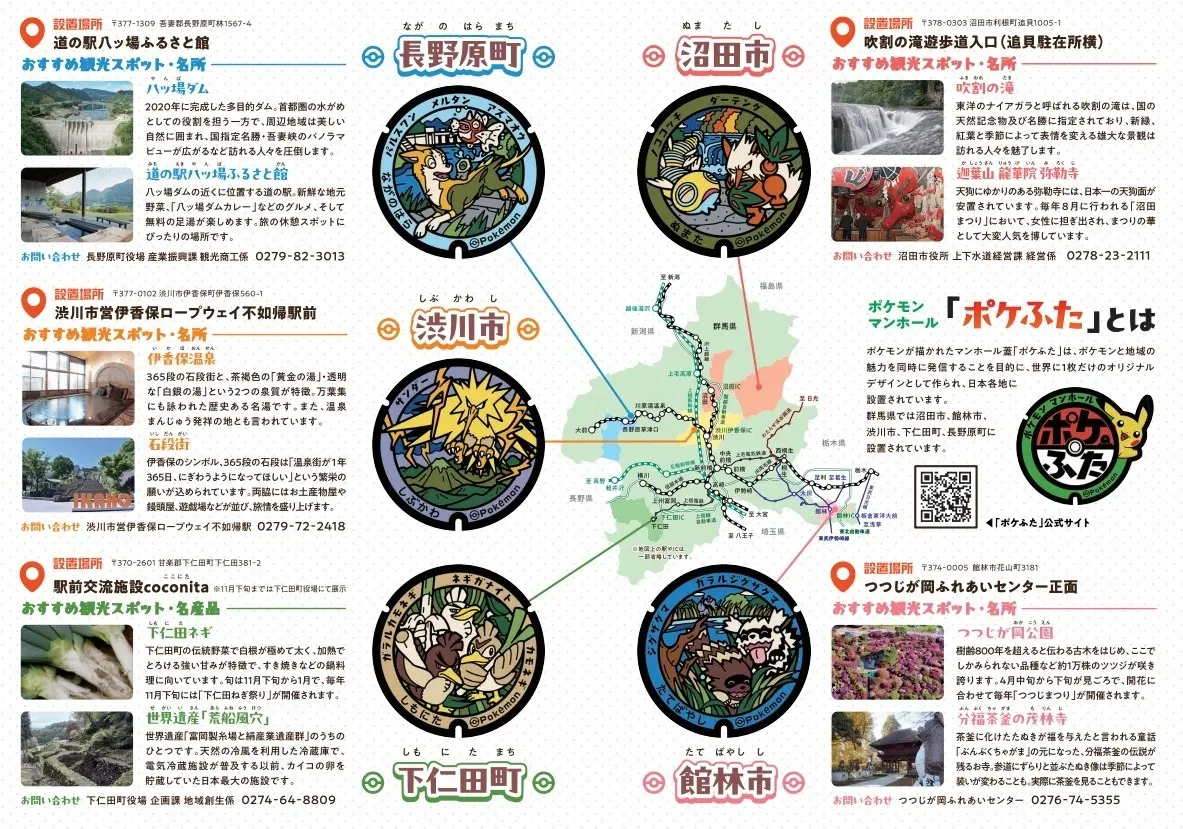
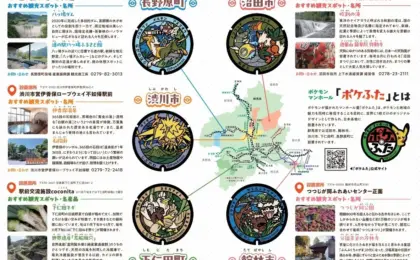
As of late autumn, the prefecture has become home to five brand-new, uniquely crafted Pokéfuta—officially licensed Pokémon manhole covers. Part of a nationwide public art initiative that began in 2018, these metallic masterpieces are far more than mere municipal utilities. They serve as cultural beacons, meticulously designed to draw travelers away from the well-trodden tourist corridors of Tokyo, Kyoto, and Osaka, steering them instead toward lesser-known regional municipalities.
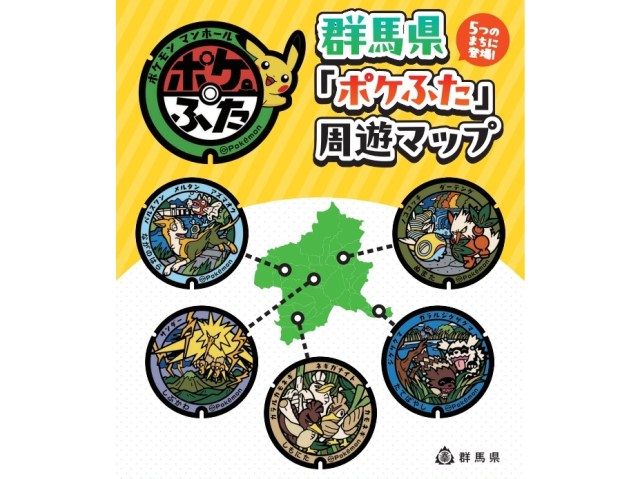
By pairing specific Pokémon species with local agricultural triumphs, landmark infrastructure, regional folklore, and breathtaking natural vistas, these installations transform ordinary street corners into vibrant tourist destinations. This comprehensive report explores the architectural significance, regional integration, cultural symbolism, and economic outlook of Gunma’s newest additions to the ever-expanding Pokéfuta map.
Detailed Chronology: The Evolution of the Pokéfuta Phenomenon
To fully appreciate the introduction of Gunma’s newest landmarks, it is essential to trace the trajectory of the Pokémon Lids project. The initiative was launched by The Pokémon Company as a post-disaster revitalization effort following the 2011 Great East Japan Earthquake, initially breathing economic and psychological life into affected prefectures like Iwate, Miyagi, and Fukushima. The immense popularity of these installations quickly proved that fans were willing to travel vast distances—a phenomenon colloquially known as "Pokéfuta pilgrimage"—just to photograph and interact with the custom manhole covers.
Encouraged by this grassroots enthusiasm, the project expanded rapidly across the Japanese archipelago. Municipalities vied for the opportunity to host these durable, hand-cast iron covers, each of which is entirely unique in design, color scheme, and Pokémon selection. The inclusion of Gunma Prefecture marks a significant milestone in the ongoing expansion of the Kanto region’s northern tourism footprint.
Planning for the Gunma installation sequence began months in advance, involving close collaboration between local municipal governments, regional tourism boards, and The Pokémon Company’s design team. Each site was hand-picked to maximize pedestrian engagement and highlight specific local assets. The rollout, announced by the Gunma Prefectural Government, culminates with all five covers scheduled to be fully installed and open to the public by the end of November.
Supporting Context & Metrics: Decoding the Five New Gunma Installations
The brilliance of the Pokéfuta project lies in its meticulous attention to detail. No two designs are alike, and every Pokémon featured on a cover is chosen deliberately to reflect the cultural, geographical, or historical identity of its host town. A closer examination of Gunma’s five new installations reveals a masterclass in thematic integration.
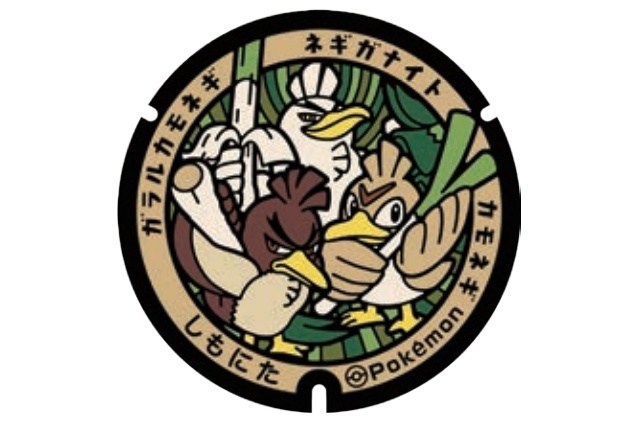
1. Shimonita: The Agricultural Pride of Green Onions
- Location: In front of the Coconita building, adjacent to Shimonita Station.
- Featured Pokémon: Farfetch’d, Galarian Farfetch’d, and Sirfetch’d.
- Thematic Connection: Shimonita is nationally famous for its premium agricultural output, most notably the thick, sweet, and succulent Shimonita green onions (negi). In the Pokémon universe, the Duck Pokémon Farfetch’d is famously depicted carrying a leek-like stalk. By featuring standard Farfetch’d alongside its regional Galarian counterpart and the knightly evolution Sirfetch’d, the installation playfully nods to the town’s most prized culinary export, turning a simple railway station approach into a celebratory tribute to local farming.
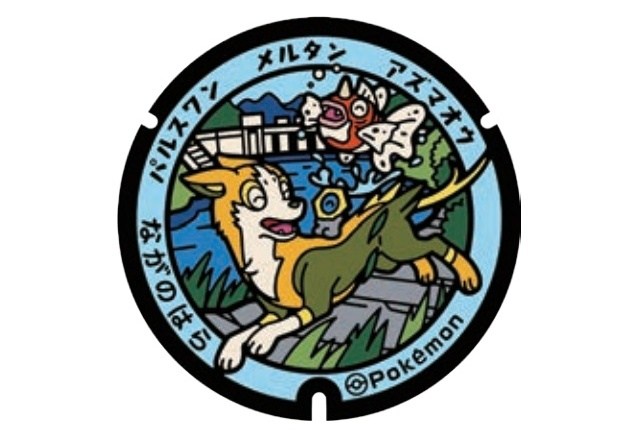
2. Naganohara: Engineering Marvels and Aquatic Harmony
- Location: Yamba Furusato-kan michi no eki (local products roadside station).
- Featured Pokémon: Boltund, Meltan, and Seaking.
- Thematic Connection: Naganohara is home to the Yamba Dam, a massive, towering hydroelectric engineering marvel that dominates the local landscape. To complement this industrial and water-heavy environment, the town’s Pokéfuta features the energetic Electric-type Boltund, perfectly suited for a dam fueled by hydroelectricity. They are joined by Meltan, a Mythical Pokémon known for its affinity for metal, and Seaking, a majestic Water-type that accentuates the hydrological engineering theme of the region.
3. Tatebayashi: Floral Splendor at Tsutsujigaoka Park
- Location: Tsutsujigaoka Fureai Center, located inside Tsutsujigaoka Park.
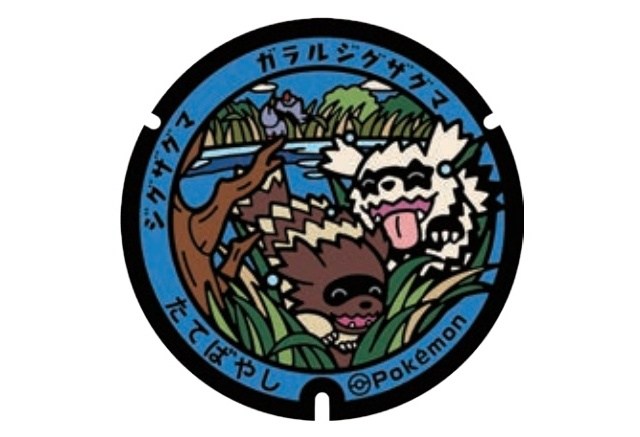
- Featured Pokémon: Zigzagoon (Standard and Galarian forms).
- Thematic Connection: Tatebayashi is internationally celebrated for its horticultural beauty, particularly at Tsutsujigaoka Park, which bursts into a sea of crimson and pink during the spring when its 10,000 azalea (tsutsuji) bushes bloom. While the park is an absolute must-visit during spring, the installation of the Pokéfuta—featuring both standard and Galarian forms of Zigzagoon frolicking together—ensures year-round engagement. The mischievous, darting nature of Zigzagoon mirrors the lively spirit of visitors exploring the sprawling floral pathways.
4. Numata: Mythological Winds and Fukiware Falls
- Location: Entrance to the hiking trail leading to Fukiware Falls, near the visitor parking area.
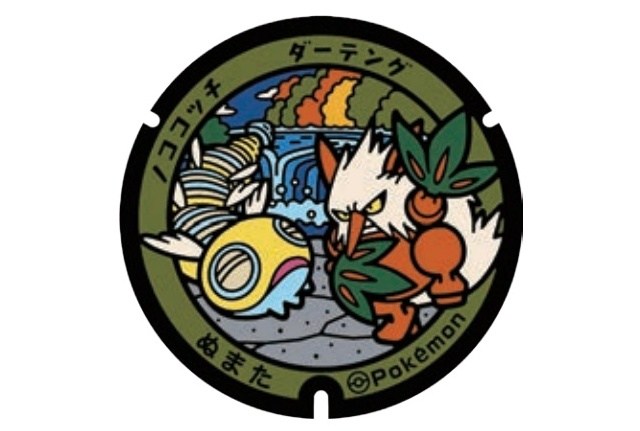
- Featured Pokémon: Dunsparce and Shiftry.
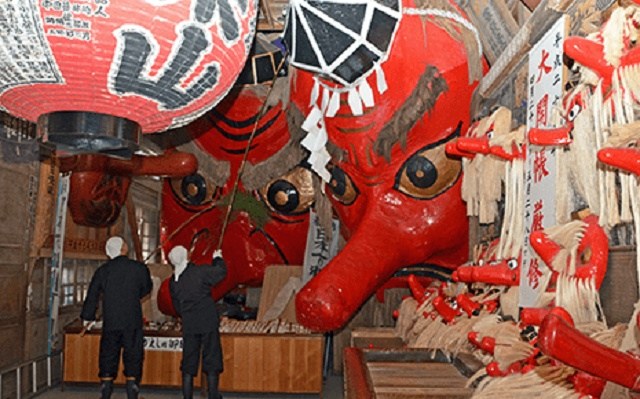
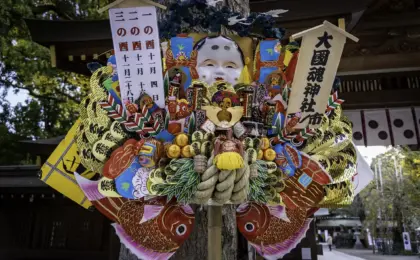
- Thematic Connection: Numata is a gateway to rugged wilderness and profound historical folklore. The installation is strategically placed near the trailhead for Fukiware Falls, often referred to as the "Niagara of Japan" due to its horseshoe-shaped cascade. The inclusion of Shiftry is deeply rooted in Japanese mythology; Shiftry’s design is directly inspired by the tengu—mythical mountain spirits or crow goblins traditionally depicted wielding fans or giant leaves to conjure powerful gusts of wind. Numata’s Miroku Temple on Mt. Kasho proudly claims ownership of the largest tengu mask in all of Japan, making Shiftry an exceptionally fitting guardian for the local hiking trails. Alongside it sits Dunsparce, adding an element of surprise and discovery for hikers embarking on their woodland journey.
5. Shibukawa: Aerial Views and Skyward Legends
- Location: Hototogisu Station, at the boarding/exit point of the Shibukawa Ikaho Ropeway.
- Featured Pokémon: Zapdos.
- Thematic Connection: Shibukawa serves as the gateway to the historic Ikaho Onsen hot spring town. For travelers ascending the mountain slopes via the Shibukawa Ikaho Ropeway, the journey offers sweeping, panoramic vistas of the surrounding Kanto plain and changing foliage. Rather than riding the gondola, the legendary Flying/Electric-type Pokémon Zapdos is depicted soaring majestically above the landscape. Stationed at Hototogisu Station, Zapdos welcomes travelers as they embark on their aerial transit, symbolizing the freedom and grandeur of Gunma’s highland skies.
Official Statements and Stakeholder Perspectives
The rollout of these five new manhole covers has generated considerable enthusiasm among local government officials, tourism boards, and community leaders who view the project as an essential catalyst for regional revitalization.
In an official statement released by the Gunma Prefectural Tourism Bureau, representatives emphasized the strategic importance of diversifying visitor itineraries. "While Gunma has long enjoyed a stellar reputation for our winter ski resorts, autumn foliage, and world-class hot spring retreats like Kusatsu and Ikaho, we continually seek creative avenues to engage younger demographics and international travelers," the statement read. "The Pokéfuta project offers an interactive, gamified way to explore our municipalities. When a visitor comes to Shimonita for a Farfetch’d manhole cover, they discover our green onions, our local eateries, and our warm hospitality. It transforms passive sightseeing into an active adventure."
Local business owners near the installation sites have similarly expressed optimism. Shopkeepers stationed near the Yamba Dam michi no eki in Naganohara anticipate an increase in foot traffic as Pokémon GO players and dedicated franchise fans make pilgrimages to document the new covers. Because these manhole covers are also integrated into the Pokémon GO mobile game—frequently serving as in-game PokéStops or Gyms—they create an immediate bridge between digital gameplay and real-world physical exploration, driving tangible foot traffic directly to local storefronts, cafes, and artisan craft shops.
Future Outlook: The Ongoing Legacy of Regional Revitalization
As Japan continues to navigate shifts in tourism trends—balancing the immense influx of international visitors in mega-cities with the economic needs of depopulating rural regions—initiatives like the Pokéfuta project offer a sustainable blueprint for success.
The installation of Gunma’s five new manhole covers by the end of November sets the stage for a thriving winter tourism season. Unlike temporary pop-up exhibits or seasonal festivals, these cast-iron installations are permanent fixtures of municipal infrastructure. They require minimal maintenance while continuously generating social media engagement, user-generated content, and repeat tourism as collectors strive to complete their regional and national Pokéfuta check-lists.
Looking ahead, regional planners in Gunma are already examining ways to leverage the success of these installations. Collaborative merchandise, themed regional railway passes, and digital stamp rallies tied directly to the new covers are currently under discussion. For travelers seeking an authentic escape from the neon-lit concrete jungles of Tokyo, a brisk autumn or winter journey north to Gunma now offers an irresistible combination: healing hot springs, breathtaking mountain landscapes, and the quiet thrill of discovering a piece of interactive art hidden in plain sight.






Belum ada komentar. Jadilah yang pertama berkomentar!