In the realm of Japanese home cooking and traditional gastronomy, few dishes occupy as revered a space of deceptive simplicity as dashimaki tamago. At first glance, this classic Japanese rolled omelet appears entirely straightforward, requiring merely three fundamental components: fresh eggs, water, and dashi—the quintessential umami-rich broth crafted from fish and kelp. The cooking technique itself is an exercise in rhythmic precision: a delicate dance of pouring, layering, and folding (maku) the egg mixture back over itself repeatedly inside a specialized rectangular frying pan to achieve the characteristic pillowy cylinder.
However, culinary simplicity frequently masks profound technical difficulty. While any novice can scramble together a passable, edible variation of the dish, achieving the coveted, cloud-like texture that defines a masterclass dashimaki tamago requires years of disciplined practice, a deft hand, and an intimate understanding of heat distribution. For home cooks struggling to attain that elusive balance of airy lightness and moisture, the margin for error has traditionally been razor-thin.
Enter a brilliant, unconventional culinary hack popularized by Asahi TV’s acclaimed investigative talk and variety program, Tantei! Knight Scoop. By substituting regular still water with carbonated, sparkling water—and drastically scaling up its volume—home cooks can effortlessly unlock unprecedented levels of fluffiness and juiciness.
To test the validity of this viral kitchen secret, SoraNews24 reporter Natsuki Gojo descended into the SoraKitchen for a rigorous, multi-tiered experiment. The findings not only shattered conventional wisdom regarding liquid-to-egg ratios in omelet making, but also provided a foolproof method for culinary enthusiasts of all skill levels to elevate their breakfast table staples. This comprehensive report explores the methodology, scientific implications, and sensory results of the sparkling water dashimaki tamago revolution.
Detailed Chronology: The SoraKitchen Experiment
To evaluate the merit of the carbonated water technique, reporter Natsuki Gojo established a controlled culinary test inside the SoraKitchen. The objective was clear: determine whether a simple substitution of tap or bottled still water with sparkling water could genuinely alter the structural integrity, volume, and mouthfeel of a traditional dashimaki tamago.
Phase I: Establishing the Baseline
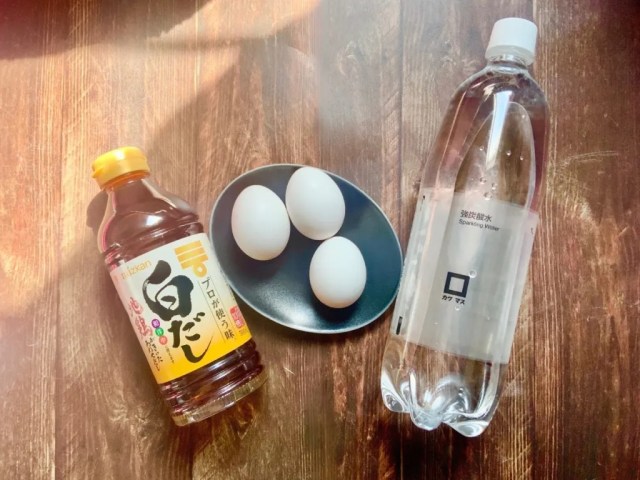
The investigation began with the establishment of a traditional control batch using standard culinary ratios. The baseline recipe called for:
1 tablespoon of shirodashi (a concentrated, light-colored fish and kelp stock)
3 tablespoons of regular water
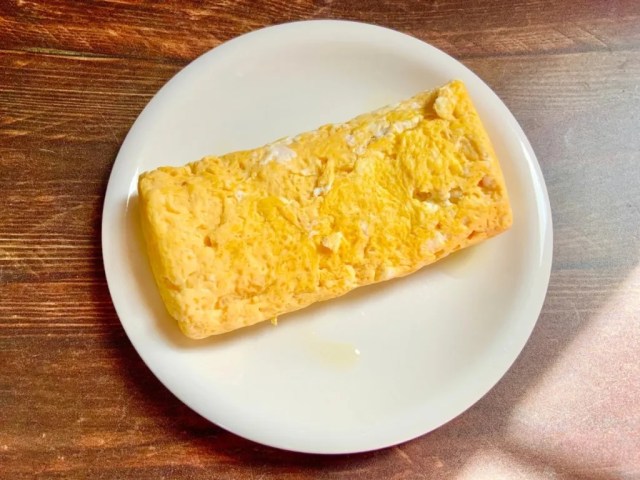
The components were thoroughly whisked together in a mixing bowl. Concurrently, a traditional rectangular copper-alloy frying pan was placed over medium heat and lightly coated with cooking oil. Natsuki executed the classic pouring technique: dividing the batter into three equal portions, she poured the first third into the sizzling pan, introduced subtle aeration using cooking chopsticks, and—once the base had reached a semi-solid, half-cooked state—skilfully rolled the sheet toward the front of the pan.
After re-oiling the vacant surface, the second portion of the mixture was introduced, lifting the initial roll to allow the fresh liquid to flow underneath and bind. This sequence was repeated for the final third, culminating in a neatly squared, golden-brown loaf of dashimaki tamago.
Phase II: The First Intervention — The Sparkling Swap
For the second trial, the recipe remained identical in every respect save for one crucial variable: regular water was swapped out for carbonated sparkling water. Guided by broadcast tips from Tantei! Knight Scoop, Natsuki executed a precise tactical adjustment to maximize the chemical benefits of the carbonation. Rather than mixing all ingredients simultaneously at the outset, the eggs and shirodashi were whisked together first, and the sparkling water was folded in immediately prior to cooking. This ensured that the dissolved carbon dioxide ($CO_2$) gas remained trapped within the liquid matrix rather than dissipating prematurely into the atmosphere.
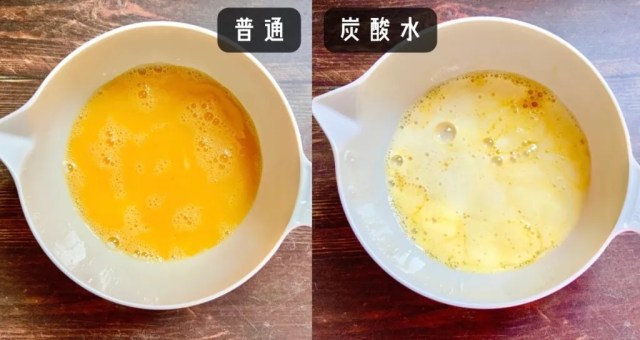
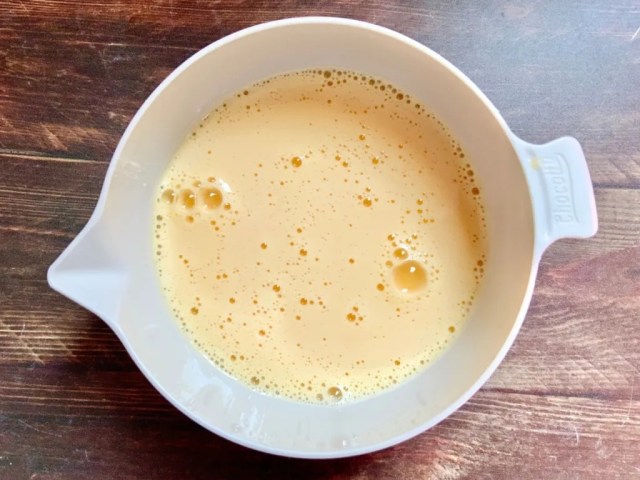
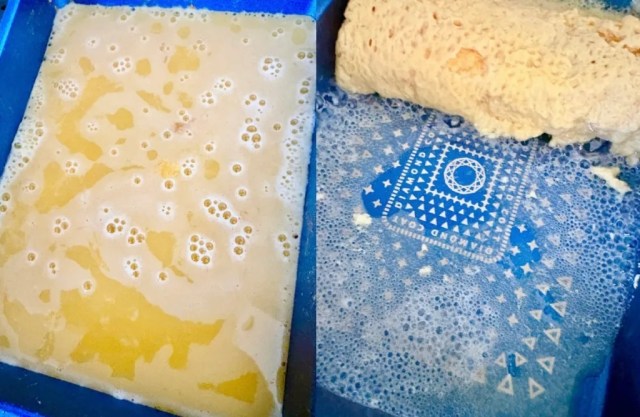
Upon initial combination, the sparkling water introduced a noticeable layer of effervescence atop the yellow batter. Although vigorous stirring temporarily quelled the visible fizz, the true test commenced the moment the liquid hit the hot pan.
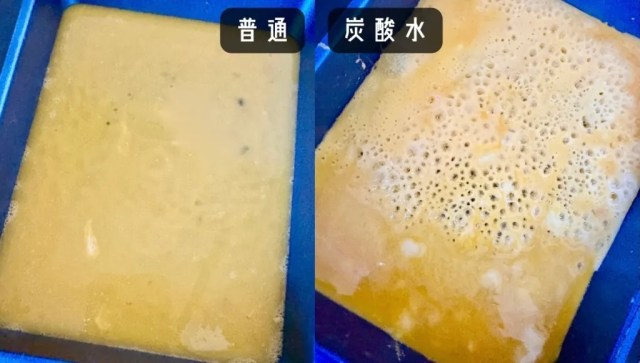
"Once Natsuki poured them into the pan, the bubbles came back to the sparkling mix in a big way," notes the observational log. As the heat applied thermal shock to the carbonated solution, the dissolved $CO_2$ rapidly expanded, creating a microscopic network of gas pockets throughout the egg proteins as they coagulated.
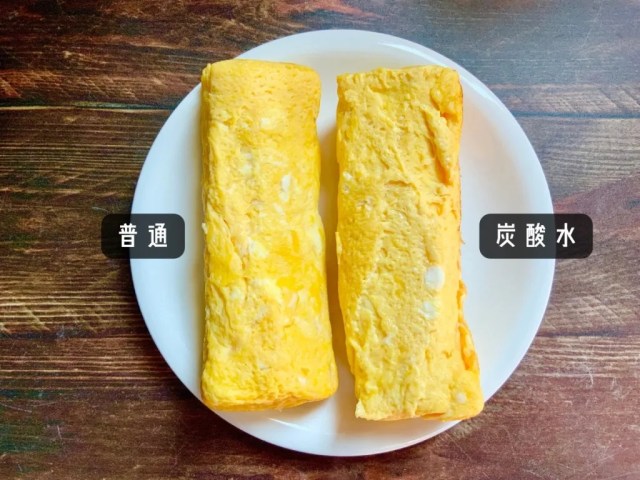
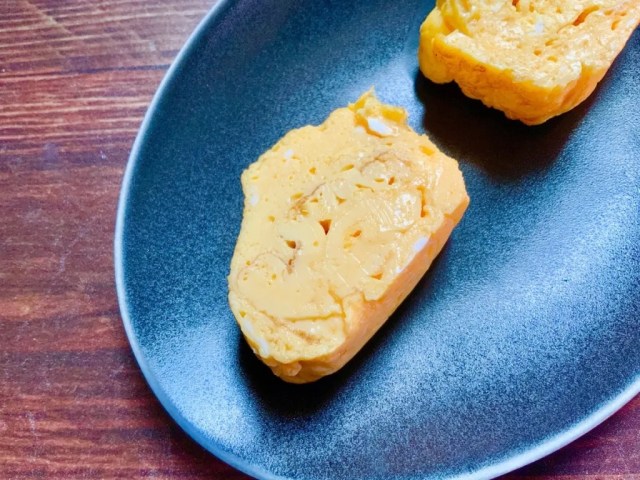
When laid side-by-side upon completion, the visual disparity was undeniable. Despite utilizing the exact same volume of raw ingredients, the sparkling water dashimaki tamago cooked into a noticeably larger, plumper, and more voluminous cylinder than its still-water counterpart.
Phase III: Pushing the Boundaries — High-Volume Carbonation
Emboldened by the success of the initial sparkling trial, Natsuki elected to investigate a second, more radical rumor circulating within Japanese culinary forums: could the volume of sparkling water be increased exponentially to achieve maximum aeration without destroying the structural integrity of the egg?
In this final high-risk trial, the water content was radically increased from 3 tablespoons to a staggering 175 milliliters (approximately 5.9 ounces, or roughly 10 tablespoons) for the same 3-egg base.
At the mixing stage, the bowl resembled a frothy, pale-yellow foam. Pouring such a diluted, highly fluid mixture into a hot frying pan induced immediate psychological anxiety; the sheer volume of liquid threatened to swamp the pan and resist proper coagulation. However, culinary intuition yielded to empirical reality. The high-volume carbonated mixture cooked through smoothly, capturing vast quantities of expanding gas bubbles within its expanding protein web.
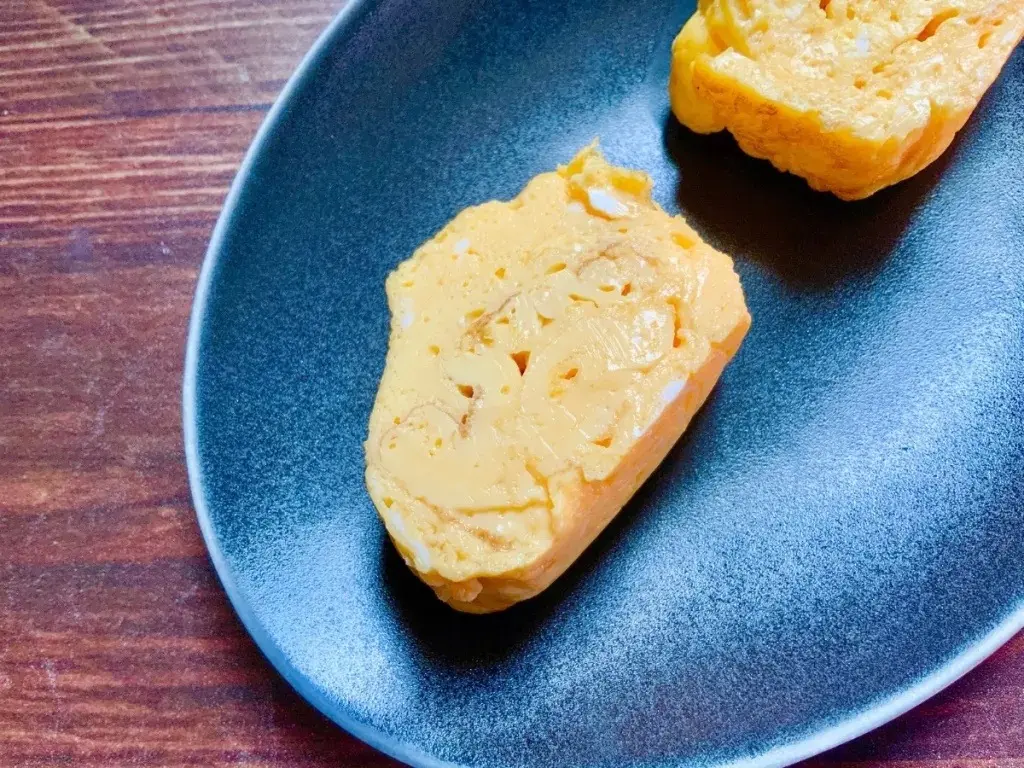
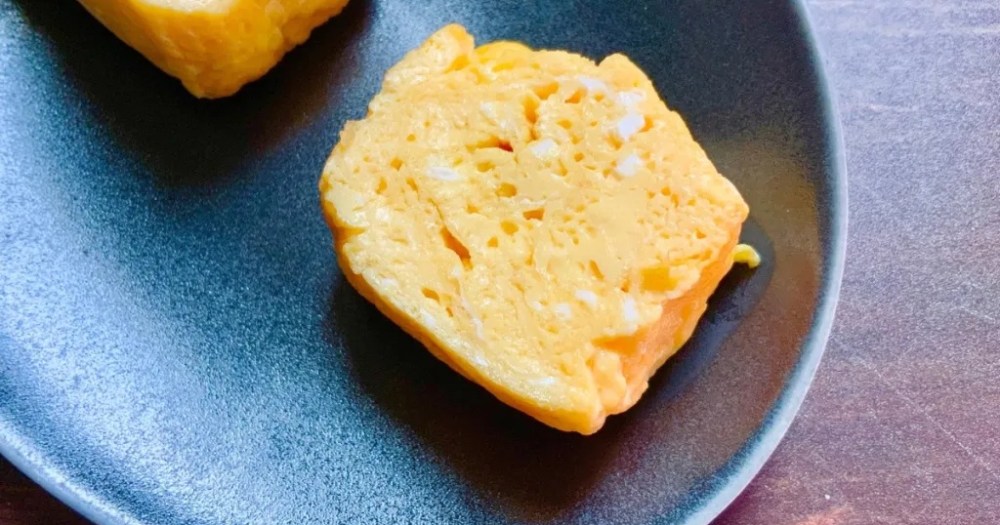
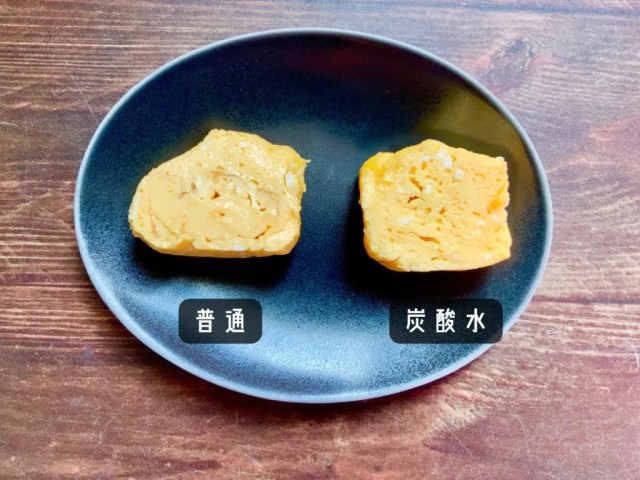
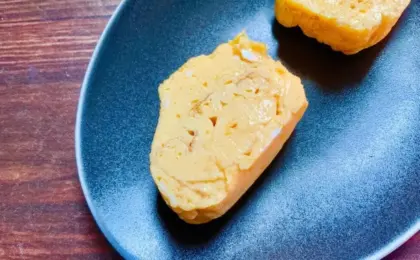
Upon slicing the finished product, the results surpassed all expectations. The high-volume sparkling dashimaki tamago emerged as the undisputed victor of the experiment: towering, extraordinarily buoyant, impossibly juicy, and structurally sound despite its high moisture content.
Supporting Context & Metrics
To fully appreciate why the sparkling water hack yields such dramatic results, one must examine the culinary science underpinning egg coagulation and gas retention.
The Physics of Omelet Coagulation
An egg is fundamentally a complex colloidal suspension of water and proteins (primarily ovalbumin, conalbumin, and livetin). When subjected to thermal energy, these globular proteins denature—unfolding from their tightly coiled structures—and cross-link with one another to form a three-dimensional gel network that traps moisture.
In a traditional dashimaki tamago, adding plain water or dashi serves to dilute the protein density, keeping the cooked omelet tender rather than rubbery. However, plain water simply evaporates as steam during the cooking process. If added in excessive amounts, it causes the egg mixture to become watery, pooling heavily at the bottom of the roll and resulting in a dense, congealed base with a heavy, uneven texture.
The Role of Carbon Dioxide ($CO_2$)
When carbonated water is introduced, the liquid is saturated with dissolved carbon dioxide gas under pressure. When the bottled water is opened and subsequently exposed to the high heat of a frying pan, the solubility of the gas decreases rapidly, forcing the dissolved $CO_2$ to come out of solution and form microscopic bubbles.
As these gas bubbles expand within the thermally coagulating egg matrix, they act as natural leavening agents—identical in principle to the action of baking powder or yeast in baked goods, albeit driven by physical phase change rather than chemical reaction. These trapped bubbles push the surrounding protein strands apart, creating a permanent, sponge-like network of microscopic air pockets.
Comparative Metric Analysis
Parameter
Control Batch (Regular Water)
Standard Sparkling Batch
High-Volume Sparkling Batch
Egg Count
3 large eggs
3 large eggs
3 large eggs
Dashi Volume
1 tablespoon
1 tablespoon
1 tablespoon
Water Volume & Type
3 tablespoons (Tap Water)
3 tablespoons (Sparkling)
175 ml / ~10 tbsp (Sparkling)
Visual Volume
Compact, standard profile
Noticeably plumper and broader
Maximum expansion, towering profile
Internal Texture
Dense at the base, moderately soft
Evenly aerated, light, and bouncy
Exceptionally pillowy, uniform micro-pockets
Juiciness Rating
Moderate
High
Superior (Maximum moisture retention)
As demonstrated in the comparative metric breakdown, the high-volume sparkling water variation not only solved the structural density issue common in amateur attempts, but fundamentally altered the moisture profile of the omelet. Because the trapped gas pockets locked moisture evenly throughout every layered fold, the omelet retained significantly more liquid without feeling soggy, delivering an extraordinarily succulent mouthfeel.
Official Statements and Industry Perspective
While professional itamae (traditional Japanese chefs) rely on precise knife skills, copper pans, and years of apprenticeship to whip air into eggs manually using chopsticks, the commercial and home-cooking sectors have increasingly embraced accessible kitchen innovations.
Producers of traditional Japanese seasonings have long recognized the challenges faced by home cooks attempting delicate preparations like dashimaki tamago. In official statements regarding recipe optimization, culinary institutions such as Ninben—a historic purveyor of high-grade dashi and traditional Japanese foodstuffs—emphasize that temperature control and liquid ratios are the primary determinants of success.
Commenting on the viral reception of the sparkling water technique, media analysts note that public broadcasting programs like Asahi TV’s Tantei! Knight Scoop occupy a unique cultural space in Japan, frequently serving as grassroots laboratories where quirky viewer hypotheses are rigorously tested by celebrity investigators and everyday citizens alike.
Natsuki Gojo, reflecting on her own amateur status as a home cook, offered an encouraging perspective for readers intimidated by traditional Japanese techniques:
"I don’t have a ton of experience cooking my own dashimaki tamago, so we’re not saying that using sparkling water is a must for good results. At the same time, my relative inexperience proves that you don’t have to be an expert to benefit from this simple ingredient swap. If you’re looking to make your Japanese-style omelets as fluffy as you can, this is definitely worth giving a shot."
This sentiment underscores the democratizing power of modern culinary hacks. By removing the steep technical barrier traditionally associated with mastering rolled omelets, home cooks of all proficiency levels can achieve restaurant-quality results in their own kitchens with minimal equipment.
Future Outlook: The Evolution of Modern Home Cooking
The viral success of the sparkling water dashimaki tamago hack highlights a broader, ongoing shift in contemporary culinary culture. As home cooking intersects with digital media and investigative television programming, traditional boundaries separating professional techniques from domestic kitchens are rapidly dissolving.
Looking forward, food scientists and culinary creators anticipate a surge in experiments utilizing carbonation and alternative aeration agents across traditional egg-based dishes worldwide—from French omelettes soufflées to Chinese steamed eggs. The fundamental chemistry of gas retention in protein matrices offers vast potential for innovation that requires zero specialized hardware, relying instead on readily available grocery store staples.
For enthusiasts eager to replicate Natsuki Gojo’s SoraKitchen success at home, the roadmap is clear:
Whisk three fresh eggs with your preferred high-quality shirodashi.
Keep your sparkling water chilled until the absolute last second to preserve maximum carbonation.
Fold in up to 175 milliliters of carbonated water immediately prior to hitting the oiled pan.
Maintain medium heat, execute the traditional multi-layered rolling technique with confidence, and prepare to experience a dashimaki tamago of unprecedented fluffiness and juiciness.
As culinary science continues to validate ancient kitchen wisdom through modern experimental lenses, one thing remains certain: the humble breakfast egg will never cease to amaze us.








Belum ada komentar. Jadilah yang pertama berkomentar!