

Executive Overview
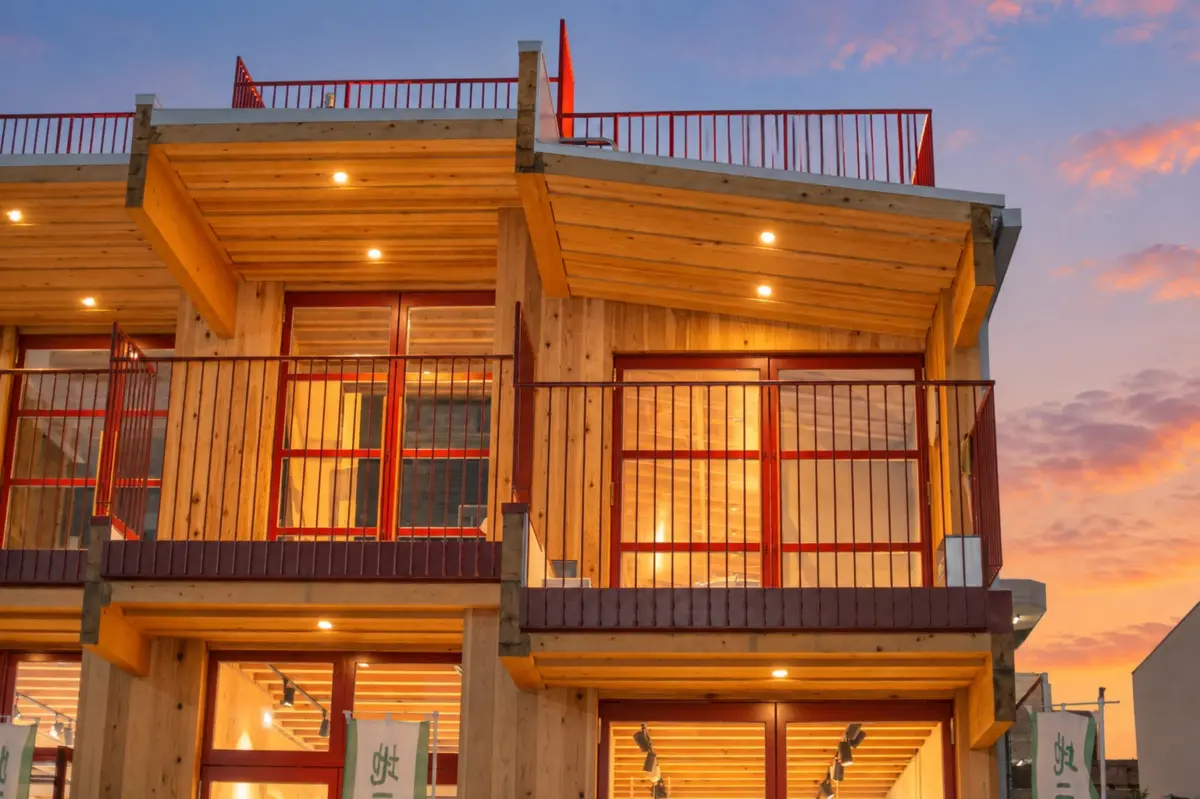
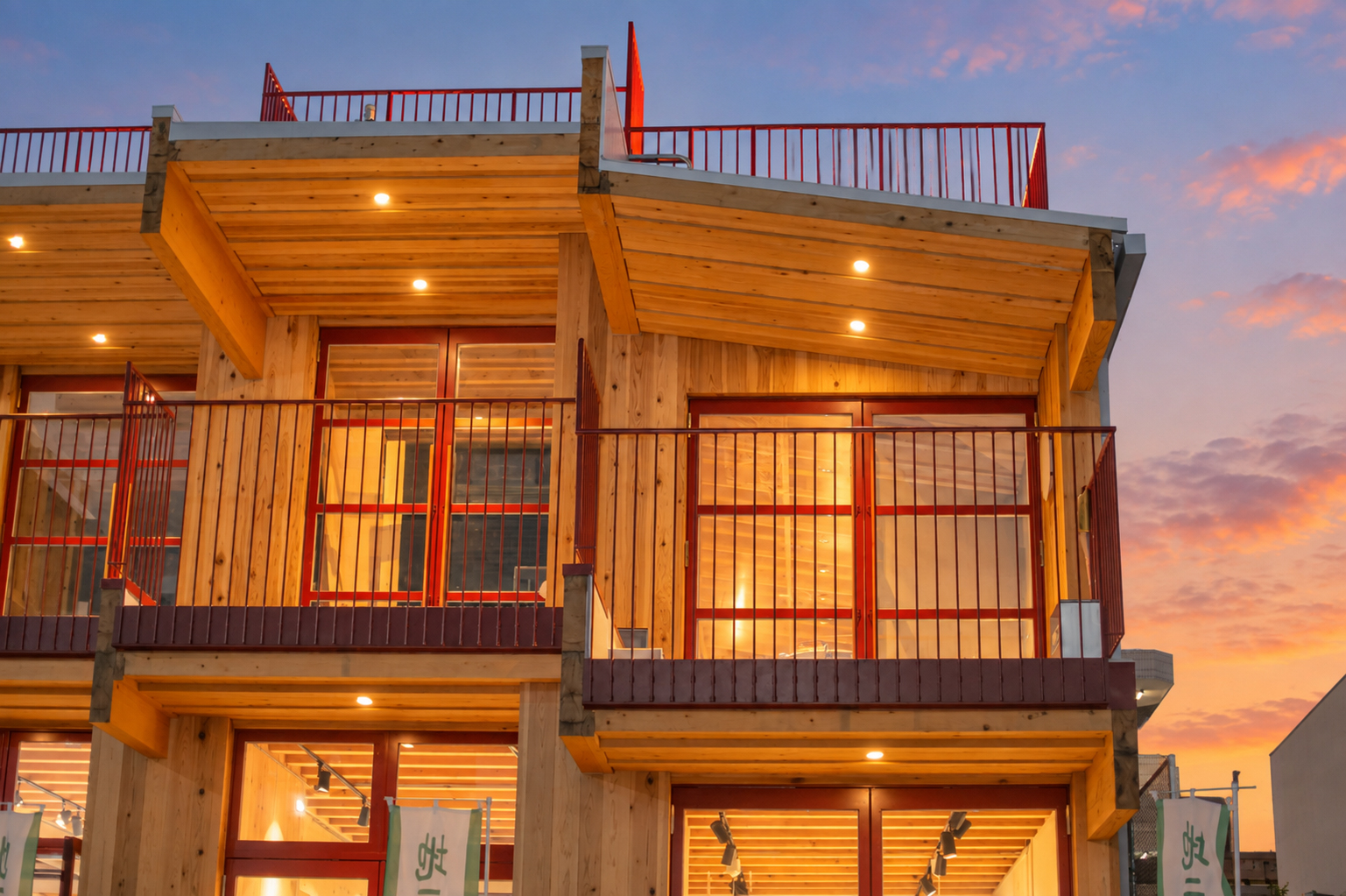
The urban landscape of Kunitachi, Tokyo, has long been defined by its academic heritage, stately Zelkova-lined boulevards, and a deliberate cultural pace that sets it apart from the high-density frenzy of central metropolitan Tokyo. On October 21, however, this quiet intellectual enclave welcomed a profound structural addition to its civic fabric. The debut of "nonoich kunitachi"—a cutting-edge municipal redevelopment facility situated right outside Kunitachi Station—has signaled a bold new chapter for the city’s public-private architecture.
At the pulsating heart of this new complex lies a venue that is simultaneously deeply nostalgic and radically contemporary: "Snack Suimon" (スナック水門). Operating as a modern interpretation of the traditional Japanese snack bar—a social institution historically characterized by intimate counter seating, maternal or paternal hosts, and spontaneous cross-generational dialogue—Snack Suimon is designed to bridge the gap between Kunitachi’s storied past and its vibrant, shifting future.
More than merely a watering hole, Snack Suimon is engineered as an inclusive social commons. It opens its doors in the late afternoon, inviting commuters, local residents, artists, students, and transient visitors to step off the high-speed treadmill of modern urban life and into a space governed by human connection. This feature-length report examines the genesis of Snack Suimon, the architectural and sociological philosophy driving nonoich kunitachi, the broader implications for Tokyo’s suburban communities, and what this innovative social experiment portends for the future of urban communal spaces.
Detailed Chronology: From Concept to Grand Opening
To fully understand the weight of Snack Suimon’s launch, one must trace the timeline of Kunitachi’s recent urban evolution, a trajectory spanning over two decades of careful municipal planning, community consultation, and architectural iteration.
The Foundation: Kunitachi’s Identity and Post-2022 Shifts
For over 25 years, Kunitachi City has grappled with the delicate balancing act familiar to many bedroom communities across Japan: maintaining its distinct cultural identity as a university town while adapting to demographic shifts, aging populations, and changing consumer habits. The area surrounding Kunitachi Station has long served as the municipal gateway, yet prior urban planning efforts struggled to create a central gravitational pull that could anchor the community across generations.
In 2022, local stakeholders initiated a series of comprehensive urban revitalization dialogues. These forums brought together city planners, small business owners, real estate developers, and residents to reimagine how public and semi-public spaces could combat the rising tide of urban isolation. The core finding was clear: while Kunitachi possessed abundant green spaces and high educational capital, it lacked a physical nexus where strangers could comfortably converse without transactional pressure.

The Birth of "nonoich kunitachi"
Enter nonoich kunitachi, a multi-use municipal facility designed to serve as a catalyst for community engagement. Constructed directly adjacent to Kunitachi Station, the facility represents a modern architectural hybrid—incorporating flexible workspaces, exhibition areas, public consultation rooms, and hospitality zones.
The planning phase prioritized human-centric design, ensuring that every square meter of the facility fostered visibility and interaction. Unlike traditional municipal offices that function purely during standard business hours, nonoich kunitachi was envisioned as a 24/7-adjacent ecosystem, with its internal spaces transitioning seamlessly from daytime productivity hubs to evening social incubators.
October 21: The Launch of Snack Suimon
The grand opening on October 21 marked the culmination of this multi-year vision. While other tenants within nonoich kunitachi focus on commercial retail or civic administration, Snack Suimon occupies a unique cultural niche. Positioned as the evening anchor of the facility, the bar opened its doors to widespread anticipation, drawing local dignitaries, cultural critics, and curious commuters alike.

From its opening night, Snack Suimon demonstrated its intended function: a porous boundary where the rigidity of daytime commuter life dissolves into the warmth of evening communality.
Supporting Context & Metrics: The Sociological Architecture of the Snack
To appreciate why Snack Suimon is a masterclass in urban design, one must analyze the socio-cultural mechanics of the traditional Japanese snack bar and how modern curators are weaponizing this format for social good.
The Evolution of the Snack Bar
Historically, the snack bar (sunakku) is a distinctly post-war Japanese phenomenon. Typically operated by a charismatic master or mama-san, these establishments are characterized by intimate counter spaces where patrons—often regular customers—gather to sing karaoke, share grievances, and converse across social strata.
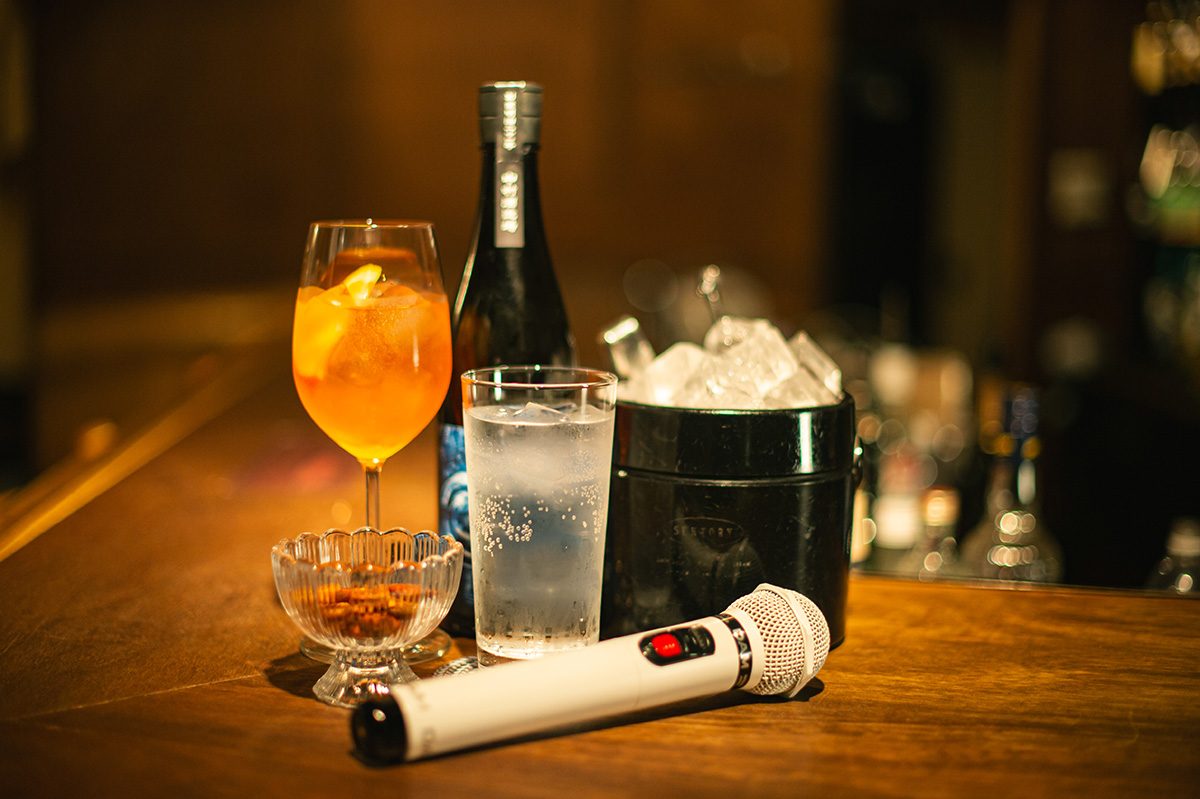
However, traditional snacks have often suffered from an exclusionary reputation. For outsiders, first-timers, or younger generations, walking into a dimly lit, membership-esque snack bar can feel intimidating.
Re-Engineering the Format for the 21st Century
Snack Suimon subverts this historical insularity. By embedding the snack format within a municipal-backed urban renewal project (nonoich kunitachi), the operators have systematically stripped away the exclusivity while retaining the core psychological benefits of the traditional format:
- Radical Inclusivity: The space is physically and socially engineered to welcome first-time visitors as warmly as long-term Kunitachi residents.
- Intergenerational Friction: By operating in the late afternoon and evening, it captures a diverse demographic—bridging university students, remote workers, retirees, and corporate commuters.
- Combatting Urban Loneliness: In alignment with modern public health initiatives addressing urban isolation, Snack Suimon functions as a low-pressure mental health refuge, utilizing casual conversation as a form of community care.
Quantitative and Qualitative Metrics
While traditional commercial bars measure success purely by volume of alcohol sold, Snack Suimon’s operational philosophy—influenced by its inclusion in progressive civic dialogues—evaluates its impact through distinct qualitative metrics:

- Cross-Pollination Index: The frequency with which individuals from different generations and professional backgrounds initiate spontaneous dialogue.
- Civic Retention: The degree to which evening visitors subsequently engage with daytime programming inside nonoich kunitachi (such as workshops, exhibitions, and startup incubators).
- Neighborhood Cohesion: Surveys tracking residents’ reported sense of belonging and local connectedness before and after the facility’s launch.
Official Statements and Institutional Vision
The opening of Snack Suimon and the broader nonoich kunitachi complex has generated substantial discourse among urbanists, sociologists, and municipal leaders.
The Public-Private Partnership Behind the Vision
The development of nonoich kunitachi represents a collaborative triumph between municipal authorities and forward-thinking private enterprises. Speaking at the pre-launch symposia, municipal representatives emphasized that the facility was built not merely to modernize transport infrastructure, but to "re-weave the social fabric of Kunitachi."
A notable institutional partner in the broader cultural discourse surrounding Kunitachi’s evolution is Zebras and Company, a pioneering firm championing "Zebracorn" economics—business models that balance social impact with sustainable profitability. Through platforms such as the FUTURE LENS awards (hosted by CINRA in May 2025), Kunitachi’s urban revitalization strategies have been spotlighted as national models for sustainable, community-first development.

The Philosophy of "Suimon" (The Sluice Gate)
The name "Suimon" (水門, meaning sluice gate or water gate) is deeply symbolic. In water management, a sluice gate controls the flow of currents, managing volume, direction, and release. Metaphorically, Snack Suimon acts as a social sluice gate—regulating the flow of human energy between the chaotic currents of the commuter train lines and the tranquil domesticity of Kunitachi’s residential neighborhoods.
As stated by the creative editorial teams documenting the launch, the venue is designed to "catch the overflow of daily life, filtering the fatigue of the workday into nourishing evening conversations." It acknowledges that modern citizens do not merely want to consume products; they want to inhabit spaces where their presence matters, where their stories are received, and where the neighborhood feels like an extension of their living room.
Future Outlook: What Snack Suimon Portends for Suburban Tokyo
As Tokyo continues to grapple with shifting demographic trends—including an aging population, the decentralization of corporate labor via remote work, and a rising demand for hyper-local community spaces—the model pioneered by nonoich kunitachi and Snack Suimon offers a compelling blueprint for other municipalities.
Reimagining Suburban Transit Hubs
For decades, Tokyo’s suburban train stations were treated merely as transit pipelines: spaces designed to funnel workers out in the morning and dump them back in at night with maximum efficiency and minimum dwell time. nonoich kunitachi flips this paradigm on its head. By transforming the station-adjacent zone into a social destination, it encourages commuters to linger, decompress, and integrate into their local communities rather than retreating immediately into private isolation.
The Rise of "Civic Hospitality"
Snack Suimon points toward an emerging economic and cultural category: civic hospitality. This is a space that operates with the warmth, intimacy, and indulgence of the hospitality sector, yet is underpinned by a civic mission to foster social cohesion, mental well-being, and democratic participation.
As urban planners look toward the 2030s, the success of Snack Suimon will undoubtedly be closely monitored. If a reimagined snack bar in Kunitachi can successfully bridge the generational divide and cure the silent epidemic of urban loneliness, similar social architecture will likely proliferate across railway lines throughout the Greater Tokyo Area and beyond.
Conclusion
Snack Suimon is much more than a novel watering hole or a clever branding exercise. It is a physical manifestation of a profound cultural desire: the longing for genuine, unscripted human connection in an increasingly digitized and fast-paced world. By anchoring itself within the civic ambitions of nonoich kunitachi, Snack Suimon has successfully transformed the liminal space of the commuter station into a welcoming, vibrant neighborhood hearth. As the sun sets over Kunitachi’s Zelkova trees, its glowing lanterns invite passersby to step inside, pull up a stool, and discover that the most modern innovation an urban center can offer is the timeless comfort of community.






Belum ada komentar. Jadilah yang pertama berkomentar!