

Executive Overview
In the fast-paced ecosystem of global technology and venture capital, timing, talent, and technology are often cited as the Holy Trinity of startup success. Yet, an equally vital, though less quantifiable, element underpins the trajectory of nearly every breakthrough company: propinquity—the state of being close to people who can change your business trajectory.
As the countdown to TechCrunch Disrupt 2026 enters its final phase, with just three days remaining to secure early registration discounts, the tech community’s attention is zeroing in on San Francisco’s Moscone West. Scheduled for October 13–15, the upcoming conference is slated to bring together over 10,000 founders, investors, operators, and industry disruptors under one roof.
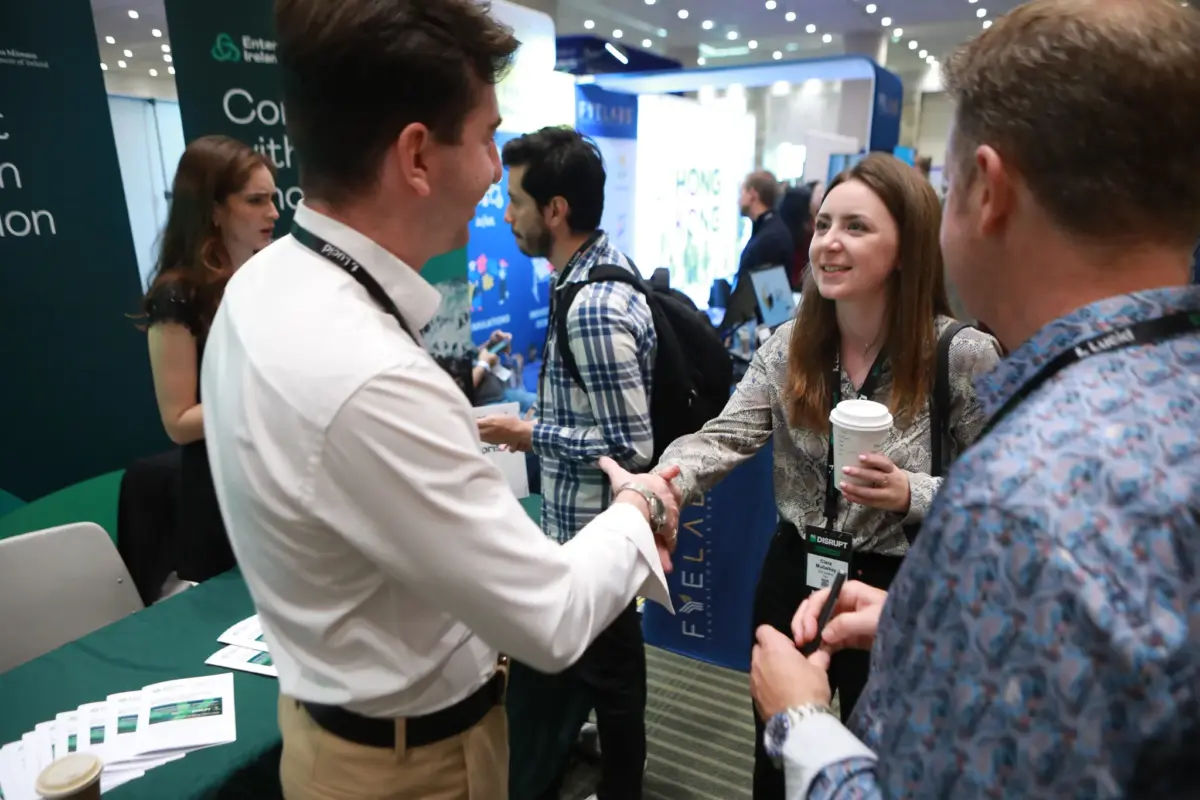
At its core, Disrupt has never been merely a series of keynote speeches or panel discussions. It is an intensive, high-density marketplace of human capital. This year, as part of our ongoing editorial countdown detailing why attendance is non-negotiable for tech professionals, we examine Reason No. 3: Connections.
For startups fighting for runway, enterprise software companies looking for their next enterprise client, or venture capitalists seeking the next outlier fundable concept, the single right introduction can alter corporate history. With ticket prices scheduled to increase sharply after September 25 at 11:59 p.m. PT, industry participants face a narrowing window to lock in savings of up to $200 per pass, alongside targeted multi-ticket discounts including 50% off secondary passes and up to 30% off for group registrations of four or more.
Detailed Chronology: The Countdown to Disrupt 2026
The operational timeline leading up to TechCrunch Disrupt 2026 has been meticulously structured to maximize value for early adopters, sponsors, and exhibitors. Understanding the progression of registration phases highlights why the current 72-hour window represents a critical financial and strategic inflection point.
Phase 1: Early Announcements and Vision Setting (Q1–Q2 2026)
Months prior to the event, the organizing team laid the groundwork by mapping out the core thematic pillars for 2026: decentralized artificial intelligence, next-generation climate tech, robotics, autonomous enterprise systems, and the evolving macroeconomic landscape for venture capital. Early-bird ticket sales opened to accommodate enterprise teams planning their quarterly budgets well in advance.

Phase 2: Feature Rollouts and Matchmaking Infrastructure (Mid-2026)
As summer progressed, TechCrunch introduced enhanced iterations of its proprietary event software. This included upgraded iterations of the AI-powered matchmaking algorithm within the TechCrunch Events app. Designed to systematically link complementary business profiles—such as seed-stage founders seeking Series A capital and investors specializing in specific verticals—the platform transformed passive ticketing into active schedule curation.
Phase 3: The 72-Hour Warning (Current Window)
We have now arrived at the crucial threshold: three days remaining before the first major pricing tier shifts.
- Deadline: September 25, 2026, at 11:59 p.m. PT.
- Financial Stakes: Savings of up to $200 off standard registration rates.
- Special Incentives: Buy one ticket, get a second pass of the same type at 50% off; group discounts of up to 30% for teams of four or more.
Once this deadline passes, registration rates increase incrementally, scaling up toward the live event dates in mid-October. For bootstrapped startups and lean operating teams, securing passes during this final discount window is a matter of fiscal prudence.
Supporting Context & Metrics: The Mathematics of Modern Networking
Why do thousands of tech professionals travel from across the globe to descend upon Moscone West year after year? The answer lies in the conversion rates of modern conference networking—a metric that starkly contrasts traditional digital outreach with in-person serendipity.
The Limitations of Digital Outreach
In an era dominated by remote work, Slack channels, and LinkedIn InMail, cold outreach has experienced severe diminishing returns.
- The Noise Floor: Founders and investors receive dozens, if not hundreds, of cold pitches daily. Response rates for unsolicited digital messages frequently hover below single digits.
- Context Deficiency: A digital profile provides a snapshot of an individual’s professional history, but it entirely misses the nuance, cultural fit, and immediate responsiveness required for high-stakes business partnerships.
The Disrupt Multiplier Effect
In contrast, an in-person tech conference compresses months of prospecting into a concentrated 72-hour window. Consider the structural assets built into the TechCrunch Disrupt 2026 floor plan and software infrastructure:

- AI-Powered 1:1 Matchmaking: Rather than relying purely on random chance, attendees leverage algorithms designed to parse professional objectives, funding stages, and industry sectors to schedule targeted, high-value meetings.
- The Dedicated Networking Lounge: Operating across all three days, this centralized zone provides a dedicated ecosystem for deep conversations away from the bustling keynote stages.
- Curated Roundtables & Industry Meetups: These specialized forums gather peers tackling identical operational roadblocks—whether navigating regulatory hurdles in AI or optimizing burn rates in a tight macroeconomic climate.
- The Expo Hall Ecosystem: Housing hundreds of emerging startups, venture capital booths, and tech giants, the Expo Hall functions as a living laboratory where new technologies are demonstrated and evaluated in real-time.
+-----------------------------------------------------------------+
|               THE DISRUPT NETWORKING FUNNEL                     |
|                                                                 |
|  [ 10,000+ Total Attendees ]                                    |
|              |                                                  |
|              v                                                  |
|  [ AI-Powered Matchmaking & App Curation ]                      |
|              |                                                  |
|              v                                                  |
|  [ Structured 1:1s & Dedicated Networking Lounge ]              |
|              |                                                  |
|              v                                                  |
|  [ Impromptu Encounters (Expo Hall, Sessions, Meetups) ]        |
|              |                                                  |
|              +---------------------------------> [ THE OUTLIER  |
|                                                    CONNECTION ] |
+-----------------------------------------------------------------+
Official Statements and Industry Insights
The emphasis on human connection as the primary driver of conference value is echoed by past attendees, startup veterans, and organizers alike.
"You can read a founder’s white paper, analyze their pitch deck, and track their metrics on Crunchbase," notes a veteran Silicon Valley angel investor who has attended Disrupt for over a decade. "But within fifteen minutes of sitting down with them across a table—watching how they field difficult questions, how passionate they are about their underlying hypothesis, and how they react to unexpected feedback—you learn more than you would in three weeks of asynchronous email exchanges."
Startup operators frequently highlight the psychological weight of isolation inherent in early-stage company building. Founders often operate under the assumption that their specific operational challenges—hiring engineering talent under tight constraints, managing customer churn, or bridging a financing round—are unique failures of their own management.
Disrupt dissolves this isolation through spatial proximity.
"The person sitting next to you while you wait for a keynote to begin might be grappling with the exact same supply-chain bottleneck you spent all of last week trying to solve," points out a past Startup Battlefield participant. "That casual conversation in the aisle often yields a pragmatic, battle-tested solution that would have taken months to uncover independently."
Furthermore, corporate strategists emphasize the ROI of intentional scheduling. Attendees are consistently advised to treat the event not merely as a passive conference where one consumes content, but as an active operational deployment. By mapping out meeting schedules weeks in advance while leaving intentional white space for spontaneous encounters, participants turn the three-day event into a masterclass in pipeline generation.

Future Outlook: Navigating the 2026 Tech Landscape
As we look toward October 13–15, 2026, the technology sector finds itself at a fascinating crossroads. The initial hype cycle surrounding foundational artificial intelligence models has matured into an era of rigorous application, economic accountability, and scalable deployment. In this environment, hyper-specialized operators and agile startups hold the advantage—provided they can form the right strategic alliances quickly.
Events like TechCrunch Disrupt serve as the connective tissue for this ecosystem. As industries consolidate and regulatory landscapes shift around emerging technologies, the ability to rapidly validate ideas, secure pilot customers, and forge investor relationships becomes an existential competitive advantage.
Actionable Next Steps for Attendees
With the clock ticking down to the September 25, 11:59 p.m. PT deadline, prospective attendees should take immediate action to optimize both their schedules and their budgets:
- Secure Your Passes Now: Visit the official TechCrunch Disrupt registration portal before the deadline to capture the full $200 savings per ticket.
- Leverage Multi-Ticket Incentives: Utilize the 50% discount on secondary passes to bring a co-founder, technical lead, or business development partner. For larger teams, leverage the group discount of up to 30% for four or more registrations.
- Download and Configure the Event App: Begin building your networking schedule early. Populate your profile with specific partnership goals to allow the AI matchmaking engine to work for you ahead of time.
- Balance Structure and Serendipity: Block out time for scheduled 1:1 meetings and roundtables, but reserve generous windows to explore the Expo Hall and participate in impromptu industry meetups.
The next great technological partnership, enterprise contract, or venture investment round may very well trace its origins to a fifteen-minute conversation in Moscone West this October. The remaining question is whether your team will be in the room to make it happen.
Disclaimer: When you purchase tickets through links in our articles, TechCrunch may earn a small commission. This independent monetization structure does not affect our rigorous editorial independence or reporting standards.








Belum ada komentar. Jadilah yang pertama berkomentar!