


Executive Overview
The contemporary horror landscape has long thrived on the perversion of classic moral axioms. From Faustian bargains to ancient curses, the cinematic tradition of cautionary tales has continuously evolved to mirror the societal anxieties of its respective era. Enter Obsession (2025), directed by former YouTube creator-turned-filmmaker Curry Barker. Re-adapting the timeless thematic architecture of The Monkey’s Paw for a modern, digitally connected generation, the film serves as both a pulse-pounding genre exercise and a sharp, often unsettling time capsule of 2020s social behavior, romantic desperation, and the psychological weight of consent.
At its core, Obsession follows Bear (Michael Johnston), an incurable romantic and chronically shy young man hopelessly in love with his childhood friend, Nikki (Inde Navarrette). Unwilling to risk the stability of their platonic bond through a traditional confession, Bear seizes an uncanny opportunity at a local new-age boutique: the mysterious “One Wish Willow.” Designed to grant a single, absolute desire upon being snapped in half, the artifact seems to offer a shortcut to domestic bliss. Bear wishes for Nikki to fall deeply and irrevocably in love with him—and his wish is instantly granted.
However, the film quickly subverts standard romantic-comedy tropes, plunging headfirst into psychological terror. What begins as an idyllic honeymoon phase defined by intense mutual affection devolves into a nightmare of pathological possessiveness. Nikki’s free will is effectively overridden, mutating her personality into something erratic, obsessive, and terrifyingly unstable.

As Obsession makes its way to home media with a comprehensive 4K Ultra HD release, critics and audiences alike are left unpacking its layers. Blending the atmospheric dread of John Carpenter with the visceral, uncompromising gore reminiscent of S. Craig Zahler, Barker’s feature establishes him as a formidable new voice in genre filmmaking—so much so that his upcoming attachment to direct the next installment of The Texas Chainsaw Massacre franchise comes as little surprise. This comprehensive review examines the narrative architecture, thematic depth, technical achievements, and broader cultural implications of Obsession.
Detailed Chronology and Narrative Breakdown
The narrative trajectory of Obsession unfolds as a slow-burn descent into domestic claustrophobia, carefully balancing character-driven dread with shocking bursts of physical violence.
Act I: The Temptation of the Willow
The film opens by establishing the low-stakes, relatable misery of its protagonist. Bear is depicted as an archetypal “wet blanket”—a well-meaning, passive young man paralyzed by the fear of rejection. His adoration for Nikki is transparent to everyone except Nikki herself, who views him through the comforting, yet restrictive lens of lifelong friendship.
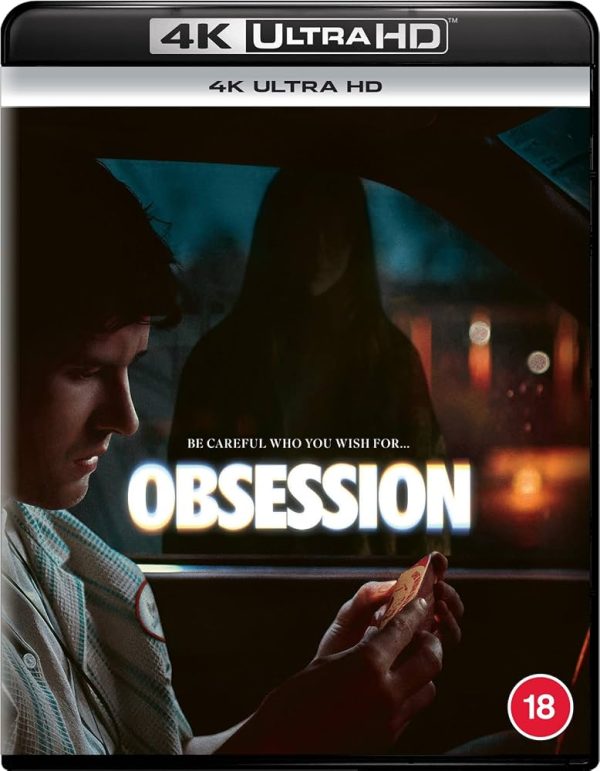
The inciting incident occurs within the eccentric confines of a local esoteric gift shop, where Bear encounters the “One Wish Willow.” Eschewing complex mythologies or elaborate exposition regarding how the artifact functions, Barker wastes little time getting to the meat of the premise. Bear snaps the twig, casting his wish into the ether: that Nikki will love him back.
Act II: The Honeyed Trap and Escalating Control
Initially, the wish appears to be a miraculous success. The film breezes through a montage of early romance, showcasing Bear and Nikki wrapped in an intoxicating, almost insatiable bubble of passion. Yet, Barker signals the rot beneath the surface with subtle shifts in framing and pacing.
Cracks soon form in the fragile foundation of manufactured affection. Nikki’s demeanor undergoes a radical, alarming transformation. When Bear attempts to maintain healthy boundaries—such as talking to female acquaintances like Sarah (Megan Lawless) or planning a night out with his male friends—Nikki’s reaction is swift and smothering. She demands total integration into every facet of his life, morphing from a loving partner into a psychopathic sentinel.

The psychological horror reaches a chilling zenith in a sequence where Bear returns home from work to discover Nikki frozen in the exact physical spot he left her hours prior. Covered in urine and developing pressure sores because she is too terrified to disobey the psychological mandate of his wish to "be with him," the scene transcends standard horror tropes. It forces Bear into the tragic, degrading role of a full-time caretaker, bound not by romantic devotion, but by a morbid sense of guilt and duty.
Act III: Carnage and Resolution
As Nikki’s behavior spirals past the point of domestic volatility, the film pivots into visceral body horror and suspense. The third act features a series of escalating, over-the-top attacks that showcase Barker’s penchant for cartoonish yet wincing practical effects.
While the narrative occasionally stumbles—indulging in minor pacing issues, such as an overlong running time and delayed realizations on Bear’s part regarding how to dismantle the curse—it lands its emotional and visceral beats. The climax delivers a grim meditation on the consequences of tampering with human agency, leaving viewers with a haunting final image that lingers long after the credits roll.

Supporting Context and Metrics: The 4K Ultra HD Release
For physical media collectors and home-theater enthusiasts, Obsession arrives on 4K Ultra HD with a technical presentation that enhances the film’s atmospheric dread.
Audio-Visual Specifications
- Aspect Ratio: Presented in a tight, claustrophobic 1.50:1 aspect ratio. This deliberate framing choice traps the characters within the vertical space of the screen, utilizing deep shadows and dark corners that seamlessly bleed into the pillarbox bars.
- Visual Palette: The cinematography leans heavily into desaturated, low-key lighting schemes. While the color grading is not traditionally vibrant, the transfer ensures that black levels are inking, crisp, and free from macroblocking, honoring the film’s meticulous lighting choices.
- Audio Track: The Dolby Atmos soundtrack is a standout feature, expertly calibrated to maximize spatial awareness. It weaponizes silence before punctuating quiet scenes with aggressive, masterfully executed jump-scare audio cues that utilize height channels to disorient the viewer.
Special Features
The 4K release includes a modest yet insightful suite of supplemental materials:
- Audio Commentary: Director Curry Barker provides a scene-by-scene breakdown of the production, focusing primarily on technical hurdles, framing choices, and logistical insights rather than dense thematic analysis.
- Behind-the-Scenes Featurette: A short documentary offering a glimpse into the practical effects work, stunt choreography, and the collaborative atmosphere on set.
Official Statements and Critical Reception
Since its theatrical rollout and subsequent physical media debut, Obsession has sparked considerable discourse across critical circles. Industry analysts have frequently drawn comparisons to Adrian Lyne’s 1987 psychological thriller Fatal Attraction, though critics note a fascinating subversion of dynamic: whereas Michael Douglas’s character in the classic film was a culpable, unfaithful husband, Bear is an entirely passive figure whose primary crime is an excess of romantic desperation.

Independent reviewers have particularly lauded the breakout performance of Inde Navarrette. Critics have noted that Navarrette successfully shoulders the emotional and physical weight of the film, portraying an innocent bystander whose bodily autonomy and free will have been hijacked by external forces. Her transition from a warm, grounded friend to a hollowed-out, mentally unstable vessel of compulsive devotion is widely considered a masterclass in fearless genre acting.
Director Curry Barker, reflecting on the film’s thematic undercurrents in promotional interviews, emphasized his desire to modernize classic cautionary folklore. "We wanted to explore what happens when you remove the choice from love," Barker noted during a festival Q&A. "If you force someone to adore you, do they actually love you, or are you just holding their mind hostage?"
Future Outlook: A New Voice in Horror
The commercial and critical reception of Obsession marks a pivotal moment for Curry Barker. Successfully transitioning from digital content creation to feature-film direction is a notoriously difficult tightrope walk, yet Barker has navigated it with a distinct visual signature and a clear grasp of psychological tension.
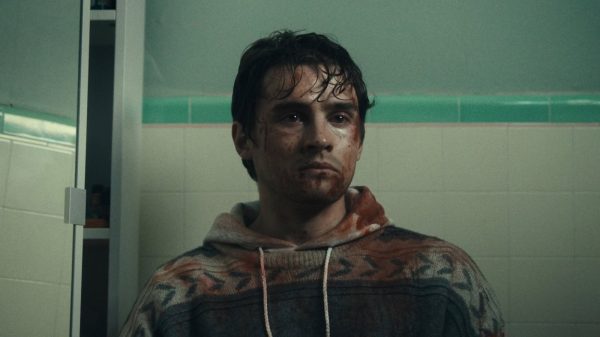
The industry impact of Obsession extends far beyond its box-office metrics or home-video sales. Shortly after the film’s release, production studios took notice of Barker’s sharp direction, culminating in his high-profile appointment to helm the next installment of the iconic The Texas Chainsaw Massacre franchise.
This upcoming transition presents an intriguing creative intersection. Moving from the hyper-focused, intimate psychological claustrophobia of Obsession to the dusty, sun-baked, chaotic brutality of Leatherface’s universe will test Barker’s range as an auteur. However, if his ability to blend John Carpenter-esque suspense with S. Craig Zahler-level physical grit in Obsession is any indication, the future of the Texas Chainsaw franchise is in capable, uncompromising hands.
For horror aficionados, Obsession stands as a required viewing—a flawed yet fiercely ambitious milestone that cements Curry Barker as one of the most exciting young directors to watch in the modern genre landscape.








Belum ada komentar. Jadilah yang pertama berkomentar!