

October 1, 2026
By Global Gaming Wire Investigative Desk
Executive Overview
The video game industry has spent the better part of the last decade navigating a volatile landscape defined by ballooning budgets, corporate consolidation, and the gradual erosion of mid-tier ("AA") development. For studios that built their reputations on eccentric, idiosyncratic visions rather than homogenized blockbuster formulas, survival has required either painful restructuring or outright acquisition by tech conglomerates.
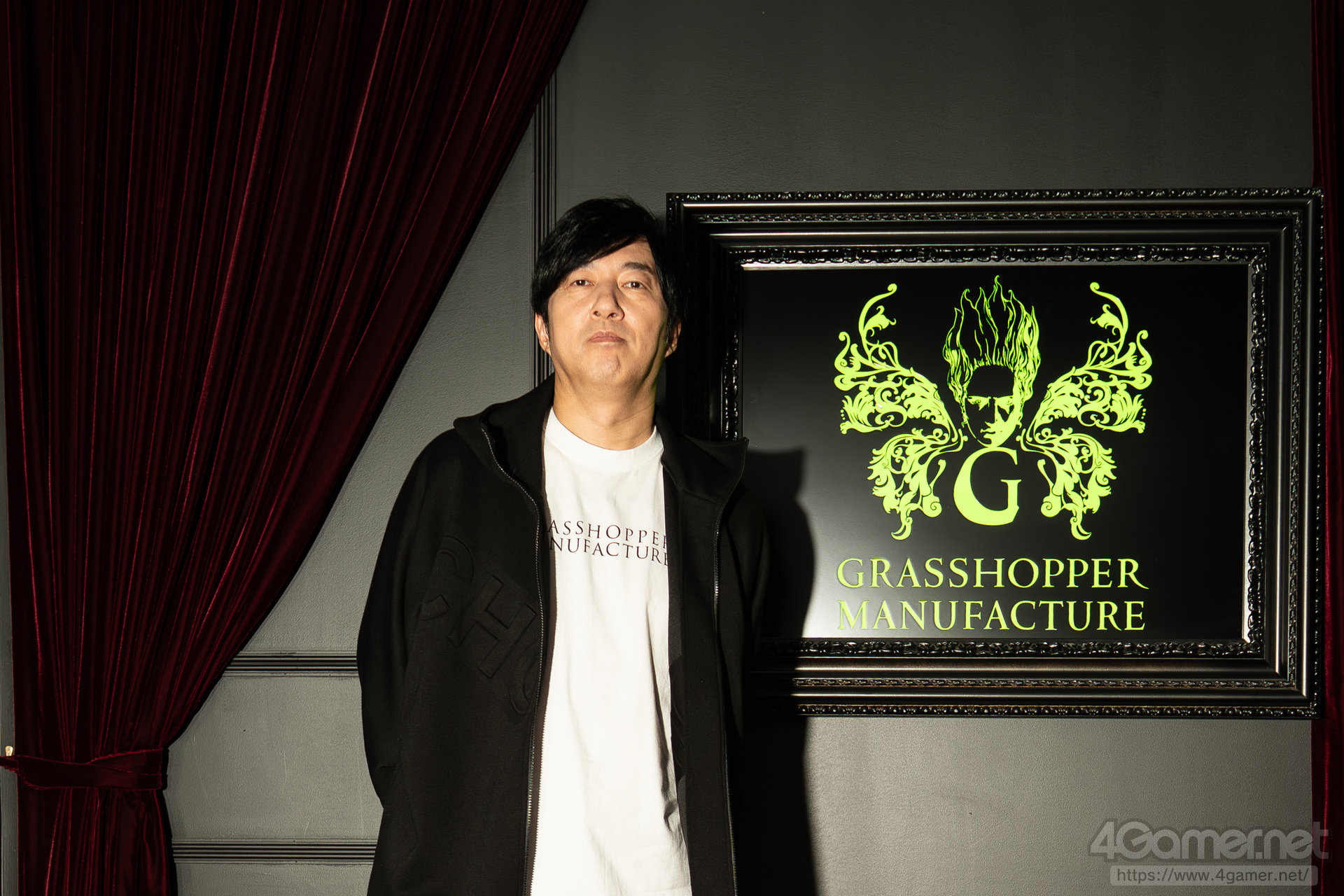
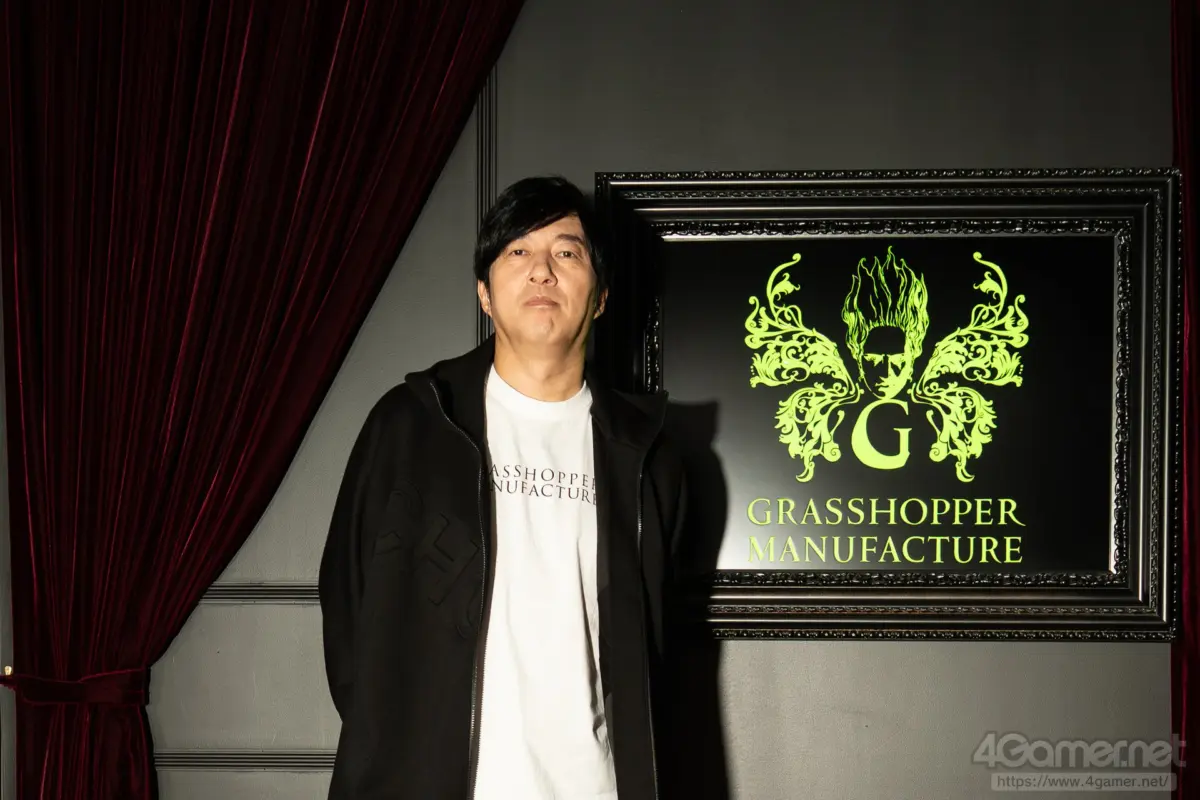
Yet, against this bleak backdrop, Grasshopper Manufacture (GhM)—the legendary Japanese studio helmed by industry icon Goichi Suda (commonly known as Suda51)—has carved out a radically different path. In a landmark development, Grasshopper Manufacture has marked its strategic evolution through an ongoing, high-profile partnership with NetEase Games.
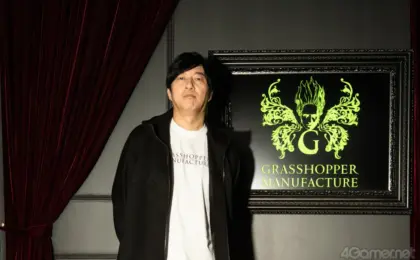
Far from signaling a loss of creative freedom or a capitulation to corporate mandates, the alliance with NetEase represents a sophisticated masterclass in how an independent auteur-driven studio can secure financial stability while doubling down on the quirky, boundary-pushing sensibilities that put them on the map. In a recent joint interview with industry publication 4Gamer, Suda51 and key leadership from NetEase laid bare the reality behind this collaboration: a sustainable ecosystem designed to let creators build what they want to build, without the suffocating economic pressures currently strangling traditional AAA development.
This report explores the mechanics of the Grasshopper-NetEase partnership, the development and philosophy behind their latest titles—including the self-published venture ROMEO IS A DEAD MAN—and what this means for the broader future of mid-budget, high-concept game design.
Detailed Chronology: A Decade of Transition and Creative Autonomy
To understand the weight of Grasshopper Manufacture’s current operational model, one must look back at the trajectory of the studio over the past fifteen years. Founded in 1998, Grasshopper built an intensely loyal global following through cult classics like Killer7, No More Heroes, Lollipop Chainsaw, and Shadows of the Damned. These games were defined by punk aesthetics, hyper-stylized violence, cinematic flair, and a distinct lack of adherence to conventional game design tropes.
However, the path to creative independence was rarely smooth. Throughout the 2010s, Grasshopper navigated various publishing partnerships, shifting from independent self-production to working under corporate umbrellas like GungHo Online Entertainment, before eventually orchestrating a buyout that returned them to independence. Suda51 has frequently been candid about the financial realities of running an independent studio during an era when development costs have skyrocketed past the hundred-million-dollar mark.
The pivot toward NetEase Games, formalized and steadily expanded leading up to 2026, has provided the studio with a financial safety net unlike any it has enjoyed before. NetEase, expanding its global footprint by investing heavily in visionary Japanese creators, has adopted a hands-off approach to creative direction.
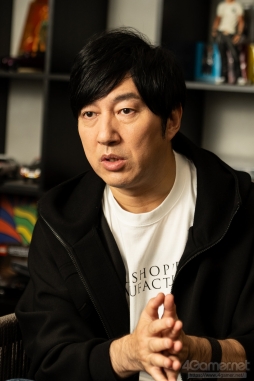
As Suda51 noted during the 4Gamer interview, the partnership allows Grasshopper to maintain its core studio size—keeping teams lean, agile, and fiercely dedicated—while leveraging NetEase’s formidable publishing and funding infrastructure. Rather than forcing the studio to chase the elusive, high-risk metrics of traditional AAA blockbusters, NetEase has backed Grasshopper’s ambition to focus on what they do best: distinct, director-driven experiences that prioritize artistic expression over homogenized market appeal.
Supporting Context & Metrics: The Economics of Mid-Tier Survival
The modern gaming industry is plagued by a structural crisis: the death of the mid-tier. For years, publishers poured hundreds of millions of dollars into AAA blockbusters, leaving little room for the eccentric, creative, medium-budget games that historically fueled industry innovation. Studios that attempted to operate in this space either went under or were absorbed into mega-corporations, where their unique identities were often sanded down by risk-averse committees.
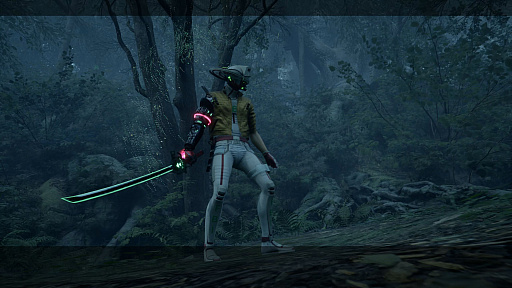
Grasshopper Manufacture has consistently defied this trend. By keeping team sizes manageable and focusing heavily on stylistic execution, Suda51 and his team have avoided the bloated overhead that sinks larger publishers. Yet, even for Grasshopper, the escalating cost of developing modern 3D action games presented a looming hurdle.
Enter the strategic backing of NetEase. By securing a partnership with a tech giant willing to fund AA-scale and high-concept projects without demanding corporate homogenization, Grasshopper has solved the primary economic dilemma facing independent developers.
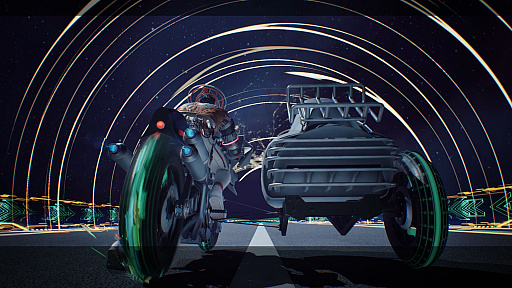
Furthermore, the studio has made aggressive strides toward self-sufficiency. Projects like ROMEO IS A DEAD MAN—published under Grasshopper’s own banner with NetEase’s backing—demonstrate a hybrid model. The studio retains primary ownership of its intellectual properties, handles its own creative vision, and utilizes global digital distribution platforms like Steam to bypass traditional physical retail bottlenecks.
This multi-platform, digital-first approach has paid dividends. Older titles in Grasshopper’s catalog, such as the PC ports of Killer is Dead and various No More Heroes iterations, continue to find new audiences. NetEase’s support has ensured that these legacy titles are preserved and optimized for modern hardware, bridging the gap between nostalgic fans and a younger generation of gamers discovering Suda51’s oeuvre for the first time.
Official Statements: Inside the Partnership
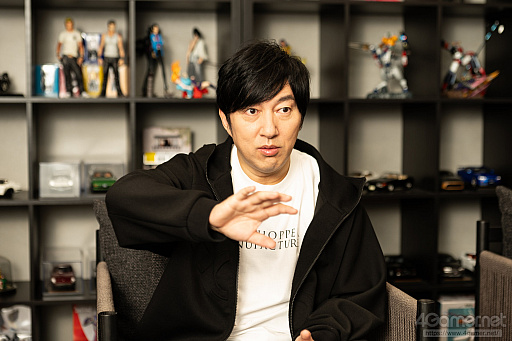
The 4Gamer interview provided rare, unfiltered insight into the corporate philosophy governing the NetEase-Grasshopper alliance. When asked about how the two entities coordinate without compromising Grasshopper’s notorious creative freedom, NetEase representatives emphasized a philosophy of "empowered authorship."
"Our goal is not to dictate how Suda-san and his team make games," a NetEase spokesperson explained during the discussion. "Grasshopper Manufacture has a unique voice that cannot be replicated. When you try to micro-manage an auteur, you destroy the very thing that makes their work valuable. Our role is to provide the canvas, the financial security, and the global infrastructure so they can focus entirely on creation."
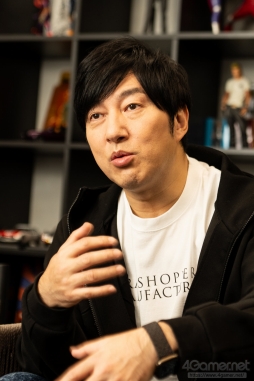
Suda51 echoed this sentiment, reflecting on the studio’s upcoming 30th anniversary in 2028. He noted that the industry has changed drastically since Grasshopper opened its doors in the late 90s, but the studio’s fundamental mission has remained untouched: "We want to keep making interesting things."
"Working with NetEase hasn’t meant watering down our ideas; it has meant we finally have the breathing room to execute them properly," Suda51 stated. "In the past, independent development meant constantly fighting fires, worrying about the next payroll, and cutting corners out of necessity. With NetEase’s backing, we can focus on polish, depth, and realizing our bizarre ideas to their absolute fullest extent."
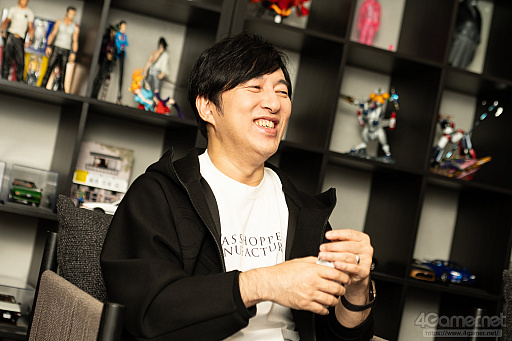
The discussion also touched upon the rise of user-generated content platforms like Roblox and how traditional studios view the shifting preferences of younger players. While acknowledging the massive market share held by UGC platforms, Suda51 argued that there will always be an insatiable appetite for handcrafted, narrative-driven single-player experiences—provided those experiences possess a distinct soul.
Future Outlook: Grasshopper at 30 and Beyond
As Grasshopper Manufacture approaches its milestone 30th anniversary, the studio shows no signs of slowing down. If anything, the partnership with NetEase has inaugurated a second golden age for the developer.
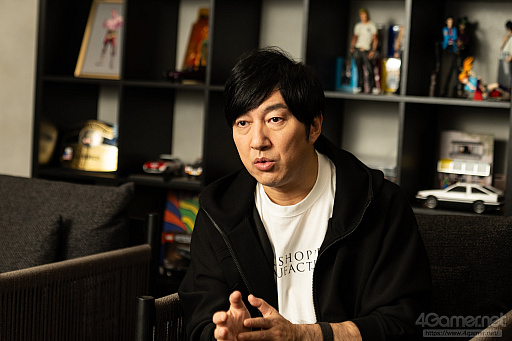
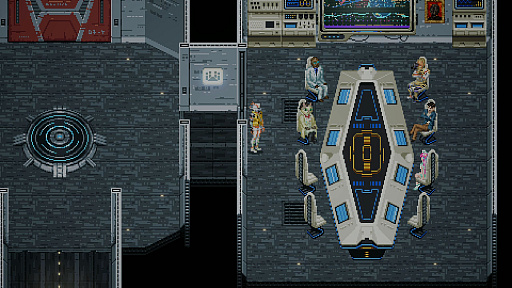
Projects currently in the pipeline leverage modern game engines and advanced rendering technologies to bring Suda51’s signature surrealism to life with unprecedented fidelity. Yet, the core DNA of the studio remains resolutely punk. Whether they are developing quirky indie-scale passion projects or larger-scale action games, Grasshopper’s developers continue to prioritize attitude, style, and narrative audacity.
Furthermore, the studio’s successful navigation of the digital marketplace suggests a sustainable blueprint for other mid-sized developers looking to escape the boom-and-bust cycle of traditional publishing. By pairing independent creative control with robust financial backing, Grasshopper has proven that you do not need to be a monolithic publisher to survive—and thrive—in the modern gaming ecosystem.
As the interview concluded, Suda51 offered a characteristic grin to fans eagerly awaiting their next project:
"We’re just getting started. The games we’re making right now? They’re going to melt some brains. Stay tuned."





Belum ada komentar. Jadilah yang pertama berkomentar!