

Executive Overview
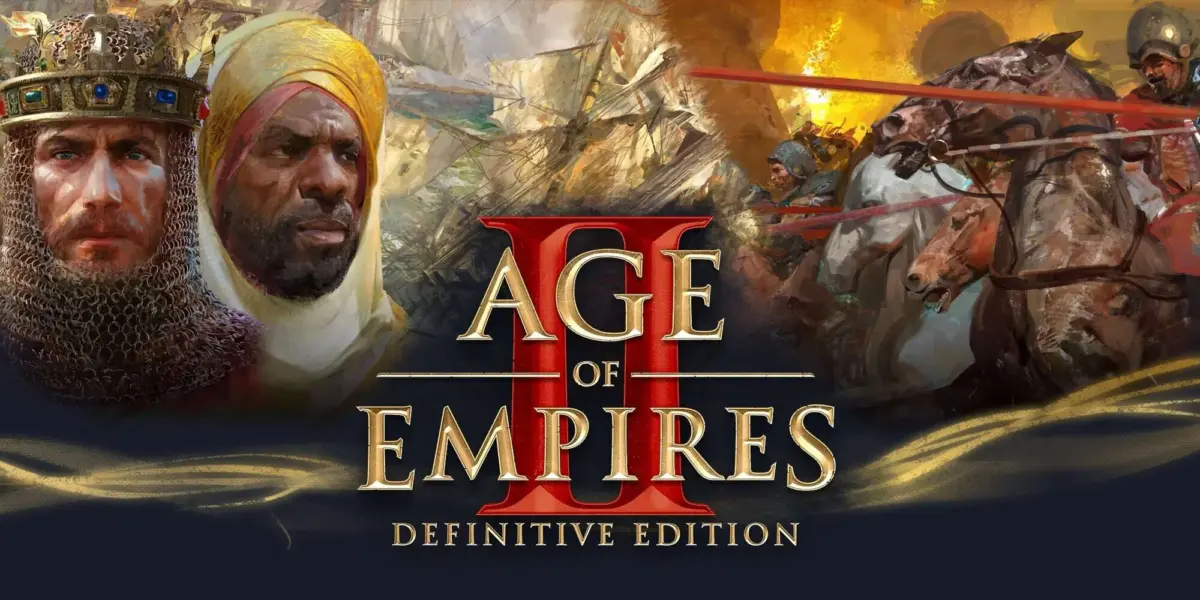
In a significant development for the ongoing evolution of the Apple gaming ecosystem, Microsoft and its development partners have officially announced that Age of Empires II: Definitive Edition—one of the most celebrated and enduring real-time strategy (RTS) games in PC history—is making its long-awaited debut on macOS. Scheduled for release on Thursday, May 28, the title will initially be available through Steam, with a subsequent launch slated for the Mac App Store later in the year.
This release underscores a broader, concerted push by Apple to position the Mac as a viable, high-performance platform for modern gaming. Powered by the architectural efficiency and graphics horsepower of Apple Silicon (M-series chips), the Mac has slowly transformed from a productivity-only machine into a legitimate destination for AAA titles and complex simulations. While historical ports to macOS often faced agonizing delays, optimization hurdles, and fragmented support, the arrival of a massive franchise cornerstone like Age of Empires II highlights a changing tide.
This article explores the technical implications of the upcoming macOS release, the game’s extensive feature set, the broader trajectory of Mac gaming—including recent landmarks like the day-one release of Crimson Desert—and what this means for strategy fans invested in the Apple ecosystem.
Detailed Chronology: The Journey of a Strategy Titan to Apple Silicon
The path of Age of Empires II spans over two decades, evolving from a 1999 classic into a modern, highly optimized definitive edition. Understanding its arrival on macOS requires looking at both the history of the franchise and Apple’s recent efforts to court developers.
From 1999 to the Definitive Era
Originally developed by Ensemble Studios and published by Microsoft Game Studios, Age of Empires II: The Age of Kings captured the imaginations of millions upon its initial release at the turn of the millennium. Set in the Middle Ages, the game tasked players with guiding one of thirteen civilizations through historical epochs, gathering resources, constructing sprawling towns, raising armies, and conquering opponents.
Over the years, the game received critical expansions—such as The Conquerors—and eventually spawned a vibrant competitive scene that has persisted for over twenty years. Recognizing this enduring passion, Microsoft released Age of Empires II: Definitive Edition to celebrate the 20th anniversary of the franchise. This version introduced:
- Stunning, razor-sharp 4K Ultra HD graphics.
- A fully remastered, symphonic orchestral soundtrack.
- Quality-of-life improvements including enhanced pathfinding, modern UI scaling, and spectator modes.
- Regularly updated content drops, balancing patches, and major expansions.
The Porting Process and Launch Timeline
Bringing a heavily PC-centric title built on DirectX architecture to Apple’s Metal-powered macOS environment is no small technical feat. While modern Apple Silicon chips possess the raw computational and graphical throughput required to render complex RTS simulations with hundreds of active units on screen, translation layers and native optimization remain vital for smooth frame rates.
According to the official announcement, the release schedule is broken down as follows:
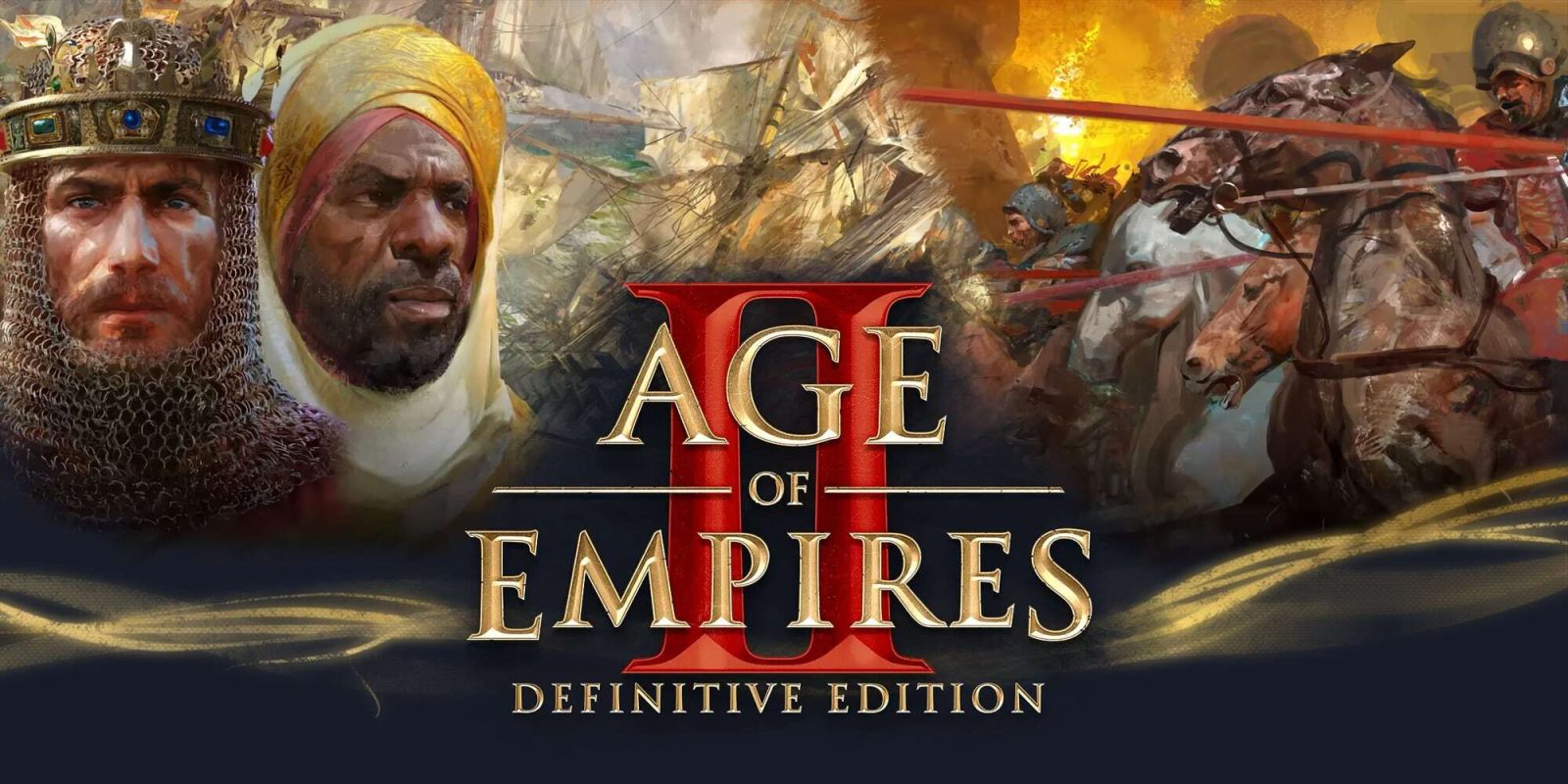
- May 28: Official launch of Age of Empires II: Definitive Edition on Steam for macOS, allowing players with compatible Apple hardware to download and jump straight into match-making and campaigns.
- Later This Year: A dedicated rollout on the Mac App Store, expanding accessibility for users who prefer Apple’s unified storefront ecosystem.
Unlike rare simultaneous day-one releases—such as the recent arrival of Crimson Desert on macOS alongside other platforms—Age of Empires II follows the more traditional, staggered porting pipeline. Historically, Mac gamers have grown accustomed to waiting months or even years after a PC release (if a port arrived at all). The fact that a classic of this magnitude is officially making the jump is a testament to the maturation of Apple’s graphics APIs and tools like the Game Porting Toolkit.
Supporting Context & Metrics: The Expanding Landscape of Mac Gaming
To fully appreciate the significance of this launch, one must analyze the current state of macOS gaming, the hardware driving it, and the software ecosystem supporting developers.
The Apple Silicon Revolution
For decades, the Achilles’ heel of Mac gaming was hardware fragmentation and thermal constraints. Intel-based Macs—particularly laptops—struggled with thermal throttling, integrated graphics bottlenecks, and a lack of dedicated driver support from major GPU vendors like NVIDIA and AMD.
The introduction of Apple Silicon (M1, M2, M3, and M4 generations) fundamentally upended this paradigm. By integrating unified memory architecture (UMA) directly onto the chip alongside high-efficiency CPU cores and powerful integrated GPUs, Apple created a hardware foundation capable of handling heavy workloads with minimal power draw and heat generation.
Furthermore, Apple introduced features explicitly designed to bridge the developer gap:
- Metal 3 and MetalFX Upscaling: Advanced graphics APIs that deliver high-fidelity rendering comparable to DirectX 12 and Vulkan, coupled with machine-learning-based spatial upscaling to boost frame rates without sacrificing visual clarity.
- Game Porting Toolkit (GPTK): A translation environment that allows developers to quickly evaluate how Windows games run on macOS, significantly reducing the engineering time required to test and port existing PC titles.
Broadening the Library: From Crimson Desert to Age of Empires
The Mac gaming catalog is undergoing a quiet renaissance. While titles like World of Warcraft have long maintained native macOS support, recent years have seen a steady influx of high-profile single-player and multiplayer games.
The launch of Crimson Desert on macOS on the exact same day as its multi-platform release sent ripples through the industry, signaling that AAA developers are beginning to view Apple Silicon as a viable day-one market. While Age of Empires II takes the more traditional route of arriving years later, its inclusion adds a crucial genre—deep, tactical real-time strategy—to a library that has historically leaned toward action-adventure and RPG titles.
Official Statements & Content Breakdown: What’s Included in the macOS Version?
According to the official press release from the development team behind Age of Empires II: Definitive Edition, the macOS release will not be a stripped-down version. Instead, it arrives feature-complete, packed with decades of content and expansions.

The Core Package and Included Expansions
When players download the game on May 28 via Steam, the base installation will immediately grant access to an enormous volume of historical campaigns, multiplayer modes, and civilization options. Alongside the base game, the macOS version includes three major expansions right out of the box:
- Lords of the West: Adds two new civilizations (Burgundians and Sicilians), fully voiced campaigns, and unique achievements.
- Dynasties of India: Introduces three new Indian civilizations (Bengalis, Dravidians, and Gurjaras), alongside new historical scenarios and mechanics.
- Dawn of the Dukes: Transports players to Eastern Europe with the Bohemians and Poles, featuring campaigns centered around figures like Jan Žižka.
Day-One DLC Availability and Extended Content
For empire builders looking for even greater depth, a comprehensive stable of downloadable content (DLC) will be available for purchase from day one. This ensures that Mac players can immediately sync up with friends on PC to play the latest content drops. Notable expansions available in the ecosystem include:
- Return of Rome: A unique expansion that seamlessly transplants the original, nostalgia-inducing Age of Empires experience directly into the modern Age II engine, allowing classic mechanics to benefit from modern pathfinding and UI improvements.
- The Last Chieftains: The most recently released expansion, which explores the rich, complex, and often overlooked medieval societies of South America, adding fresh strategic dynamics to multiplayer and skirmish modes.
Future Outlook: What Next for Strategy Fans on macOS?
The arrival of Age of Empires II: Definitive Edition on macOS raises an exciting question for the future: Will other historical strategy staples follow suit?
For years, RTS enthusiasts on Mac have relied heavily on virtual machines, dual-booting (on older Intel Macs), or cloud gaming services like GeForce Now to play genre-defining titles. While cloud gaming remains a viable alternative, native performance—free from latency issues, compression artifacts, and internet dependency—is always the gold standard for competitive and cooperative strategy gaming.
Challenges and Opportunities Ahead
Despite the positive momentum, challenges remain for Mac gaming:
- Market Share vs. Monetization: While the installed base of Apple Silicon Macs is massive, the percentage of users who utilize their machines for hardcore gaming is still smaller than the dedicated PC Windows market. Convincing executives to fund dedicated Mac ports requires ongoing financial incentives and streamlined porting tools.
- Cross-Play and Ecosystem Parity: For multiplayer titles like Age of Empires II, maintaining feature parity, synchronous updates, and seamless cross-play between macOS, Windows, and consoles is essential. Delays in pushing patches to the Mac version can fracture communities and alienate players.
If the rollout of Age of Empires II on May 28 proves successful—yielding stable performance, strong sales numbers, and a healthy multiplayer population—it could serve as the ultimate proof of concept for Microsoft and other major publishers. We may soon see other titles from the Xbox Game Studios umbrella, or additional strategy giants, seriously consider native macOS releases as part of their standard multi-platform strategies.
Conclusion
The release of Age of Empires II: Definitive Edition on macOS on May 28 via Steam (with a Mac App Store release to follow) is more than just the port of an old favorite; it is a milestone for the Apple Silicon gaming movement. By combining 4K visuals, a remastered soundtrack, massive expansions, and deep tactical gameplay, the Mac is gaining a cornerstone title that appeals to both nostalgic veterans and a new generation of players.
As Apple continues to refine its hardware architecture, graphics APIs, and developer toolkits, the historical barrier between macOS and high-end gaming is slowly dissolving. For Mac-owning strategy fans who have spent decades waiting for native epics to unfold on their screens, the age of empires has finally arrived on Apple Silicon.









Belum ada komentar. Jadilah yang pertama berkomentar!