

Executive Overview
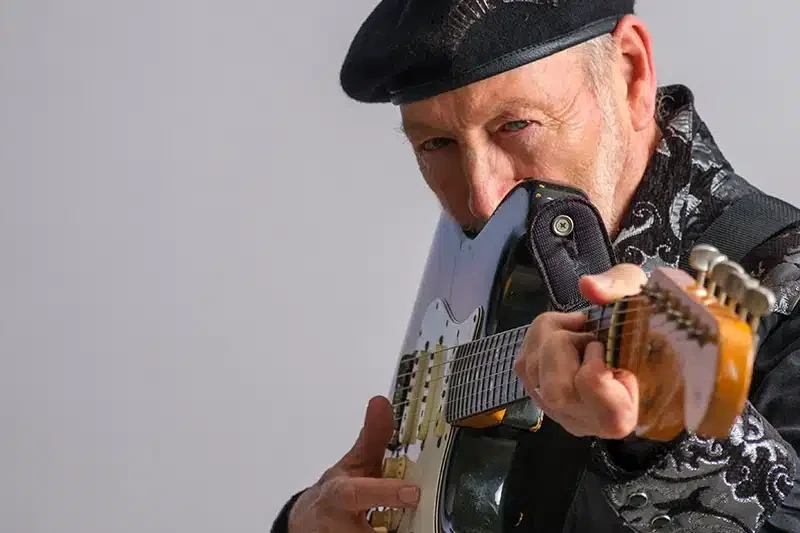
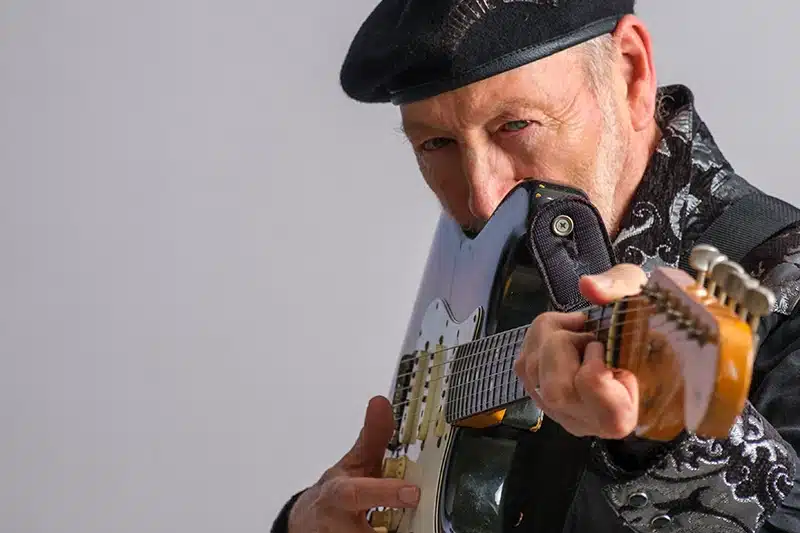
More than half a century after bursting onto the British folk-rock scene as a teenage prodigy and founding member of Fairport Convention, legendary singer-songwriter and virtuoso guitarist Richard Thompson has returned with what critics are already calling one of the finest records of his illustrious career. Released via New West Records on October 16, 2026, Hippies, Thugs and Heroes is a masterclass in modern songwriting, lyrical cynicism, and dynamic musicianship.
Across a dozen meticulously crafted story-songs, Thompson trains his sharp, unblinking gaze on the frailties, vices, and corruptions of human nature. Far from resting on the laurels of a storied career that has spanned acoustic laments, electric masterworks, and wildly idiosyncratic subjects—ranging from historical figures like Alexander Graham Bell to pop-culture anomalies like Janet Jackson’s wardrobe malfunction—Thompson remains fiercely restless.
Hippies, Thugs and Heroes is not a nostalgia trip; it is an urgent, biting, and brilliantly executed dispatch from an artist who views the modern moral landscape with a mixture of dark humor, deep empathy, and a knowing sneer. Anchored by his world-renowned guitar work—shifting effortlessly from searing, fuzzed-out electric solos to delicate acoustic fingerpicking—and bolstered by his longtime touring band and the vocal harmonies of his wife, Zara Phillips, the album proves that Thompson’s creative fires are burning hotter than ever. This comprehensive review and report examine the anatomy of a career-defining release, the thematic core of its tracks, the mechanics of its production, and what this milestone means for the enduring legacy of a true musical titan.
Detailed Chronology: From Fairport Convention to a Late-Career Masterpiece
To understand the weight and significance of Hippies, Thugs and Heroes, one must contextualize the extraordinary arc of Richard Thompson’s musical life. His journey is a foundational chapter in the history of British folk-rock.
The Formative Years (Late 1960s – Early 1970s)
In the late 1960s, a teenage Thompson picked up his guitar to help form Fairport Convention, a band that single-handedly invented British folk-rock by fusing traditional Celtic melodies with the driving, amplification-heavy instrumentation of American rock and roll. Thompson quickly established himself as a formidable guitarist and a remarkably mature songwriter. After leaving Fairport Convention in the early 1970s, he embarked on a celebrated, critically adored musical partnership with his then-wife, Linda Thompson. Together, they released a string of landmark albums, including I Want to See the Bright Lights Tonight (1974) and Shoot Out the Lights (1982), the latter widely regarded as one of the greatest break-up records in rock history.
The Solo Voyage and Stylistic Versatility (1980s – 2010s)
Following his separation from Linda and his formal conversion to Sufism, Thompson embarked on a prolific solo career that saw him traverse the globe. He built a reputation as an artist capable of turning his hand to virtually any musical style or thematic subject. He could write heart-wrenching ballads on love, mortality, and existential grief—such as "Beeswing," "Dimming of the Day," and "Read About Love"—while simultaneously penning whimsical, sharply observed ditties about eccentric historical footnotes and pop culture.
Unlike many of his contemporaries from the 1960s and ’70s, Thompson never fell into the trap of self-parody or creative stagnation. He effortlessly bridged the gap between the quiet, folkloric intimacy of traditional British storytelling and the aggressive, lightning-fast execution of modern rock improvisation. By the time he reached his seventies, Thompson’s status as a "guitarist’s guitarist"—frequently appearing on all-time great lists compiled by publications like Rolling Stone—was unquestionable, yet he continued to tour relentlessly and record with vitality.
The Genesis of Hippies, Thugs and Heroes (2025–2026)
The creation of Hippies, Thugs and Heroes began in the quiet isolation of Thompson’s home studio, where he tracked detailed, granular demos of new material. Rather than relying on rushed studio sessions, Thompson spent months shaping the skeletons of these twelve story-songs. Once the core structures were ironed out, he reunited with his trusted, high-octane rhythm section and collaborators: bassist Taras Prodaniuk, drummer Michael Jerome, and multi-instrumentalist David Mansfield, who lent his talents on both guitar and fiddle.
The resulting album, released in October 2026 via New West, represents the culmination of decades of technical refinement, emotional maturity, and observational wit. It stands not merely as a late-career entry into a massive catalog, but as an artistic peak.
Supporting Context & Metrics: Themes, Lyrical Architecture, and Instrumentation
Hippies, Thugs and Heroes derives its thematic power from a unifying, cynical yet profoundly empathetic worldview: in Thompson’s universe, humanity is universally compromised, driven less by pure malice and more by desperate self-interest.
The Complicity of All: "Everybody’s Stealing"
The track "Everybody’s Stealing" serves as a thematic microcosm for the entire record. The song opens with the jaunty, deceptive veneer of a bouncy ballad detailing a straightforward domestic burglary. However, as the verses progress, the scope widens exponentially, transforming into a biting, systemic critique of institutional theft executed by landlords, governments, and the police.
Musically, the track features an off-kilter, carnivalesque instrumentation that feels unsettlingly happy. This auditory juxtaposition brilliantly underscores the fractured morality of the lyrics. By the conclusion of the song, the narrator’s perspective shifts ambiguously, suggesting a personal confession of guilt. The underlying implication is clear: if larceny is woven into the fabric of modern society, then every single citizen is fundamentally complicit.
The Anatomy of Modern Narcissism: "Cocaine Walking, Booze Talking"
As the lead single, "Cocaine Walking, Booze Talking" offers a chillingly unvarnished look at contemporary human interaction, stripped of romantic illusions. Explicitly distancing itself from the traditional love song, the track tracks a seduction fueled entirely by chemical escapism and mutual exploitation.
The male protagonist is meticulously dissected as a master of performative intellect; he plays a calculated role, quoting Shakespeare and feigning superficial knowledge of ancient Greek and hieroglyphics purely to secure a hookup. While the woman’s internal motivations remain murkier, the ultimate trajectory of the interaction is crystal clear: a transactional, short-lived pursuit of momentary gratification. Thompson avoids moralizing, choosing instead to coldly document the sad, hollow dance of two pleasure-seekers who are entirely out for themselves.
Literary Shorthand and Mythological Allusions
Thompson’s lyrical architecture on Hippies, Thugs and Heroes is enriched by an astonishing density of literary, cinematic, and mythological references.
- In "The Sorcerer’s Apprentice," Thompson weaves together disparate cultural touchstones, citing everything from classic Disney animated features to the cinematic surrealism of Federico Fellini.
- In "She Burns It All," he reaches back into ancient Celtic folklore, evoking imagery of "mandrake roots and serpent’s kisses" to evoke primal destruction and rebirth.
- In "Siren," classical mythology is repurposed as a deeply personal allegory. The track serves as a poetic tribute to Thompson’s love for his wife and frequent collaborator, Zara Phillips, whose sublime vocal harmonies weave throughout the fabric of the new record.
Guitar Virtuosity and Arrangement
Musically, the album highlights Thompson’s dual mastery of acoustic and electric instruments. His guitar playing does not merely accompany the lyrics; it deepens, contradicts, and amplifies them.
- On the crime-boss saga "Stringer," Thompson unleashes fiery, fuzzed-out electric guitar licks that crackle with menace and cinematic tension.
- Conversely, on "Pauper’s Grave," he strips the arrangement back to mournful, minimalist acoustic guitar riffs that evoke deep melancholy and quiet finality.
This dynamic range is supported by Prodaniuk’s driving bass lines, Jerome’s propulsive yet nuanced percussion, and Mansfield’s versatile string work, creating a rich sonic tapestry that elevates Thompson’s narratives from mere songs to fully realized cinematic vignettes.
Official Statements and Industry Insights
The release of Hippies, Thugs and Heroes has generated widespread critical acclaim within the music industry, prompting reflections from critics, collaborators, and Thompson himself regarding his enduring creative stamina.
In promotional interviews surrounding the launch of the album via New West Records, Thompson discussed his motivation for diving back into complex, character-driven storytelling. "When you’ve been writing songs for over fifty years, the danger is that you start writing versions of your old hits," Thompson noted. "You have to actively seek out the uncomfortable corners. You have to look at the people who make you slightly uneasy—the grifters, the desperate, the hypocrites—and try to find the human being underneath. If you can empathize with a thief or a charlatan without excusing them, you’ve done your job as a writer."
Collaborators have similarly marveled at Thompson’s relentless work ethic in the studio. Longtime bandmate David Mansfield highlighted the organic nature of the album’s creation:
"Richard doesn’t show up with half-baked ideas. Even when he brought in those initial home demos, they were so structurally sound and lyrically vivid that playing on them felt less like building a song from scratch and more like stepping inside a fully furnished room. His standard of excellence hasn’t dropped by a single notch in decades. If anything, he’s sharper and more uncompromising now than he was in the ’70s."
Music critics have universally lauded the album’s refusal to pander to nostalgia. Reviewers have pointed out that while many legacy artists lean heavily on safe, comforting sounds to appease aging fanbases, Thompson continues to challenge his audience with dark, intellectually stimulating material that tackles contemporary disillusionment with razor-sharp wit.
Future Outlook: The Ever-Expanding Legacy of Richard Thompson
As Richard Thompson embarks on the promotional touring cycle for Hippies, Thugs and Heroes, the broader cultural landscape is forced to reckon with a rare phenomenon: an artist who has maintained peak artistic relevance across six distinct decades.
What’s Next on the Horizon
- The Live Circuit: Thompson and his band are slated for an extensive international tour throughout late 2026 and 2027, bringing the intricate narratives and blistering guitar solos of Hippies, Thugs and Heroes to stages across North America, the United Kingdom, and Europe. Live reviews suggest that tracks like "Everybody’s Stealing" and "Stringer" translate into electrifying concert centerpieces, effortlessly holding their ground alongside classic catalogue staples like "1952 Vincent Black Lightning."
- Archival and Cultural Impact: Beyond his current output, Thompson’s ongoing influence on modern indie-folk and Americana artists remains immeasurable. Younger generations of guitarists and lyricists frequently cite his blend of traditional British folk structures with rock-and-roll aggression as a template for modern acoustic songwriting.
A Master at the Peak of His Craft
Hippies, Thugs and Heroes is ultimate proof that Richard Thompson is an unyielding force in contemporary music. By refusing to compromise his lyrical bite, his narrative ambition, or his blistering instrumental prowess, he has delivered an album that thrills longtime devotees while throwing down an unmistakable gauntlet for a new generation of musicians. As the tracks on this record demonstrate, Thompson remains our most eloquent chronicler of human imperfection—a brilliant, guitar-wielding bard who finds profound beauty, dark comedy, and universal truth in the messy, stolen moments of everyday life.




Belum ada komentar. Jadilah yang pertama berkomentar!