

Executive Overview
Rooted deeply in the rugged topography and dramatic coastlines of Ishikawa Prefecture, the legendary flight of the 12th-century military commander Minamoto no Yoshitsune and his fiercely loyal retainer, Musashibō Benkei, continues to capture the imagination of travelers and historians alike. More than eight centuries after political betrayal fractured the Minamoto clan, the echoes of their harrowing escape northward resonate powerfully across four distinct municipalities: Komatsu, Kaga, Hakusan, and Nonoichi.
This cultural trail weaves together ancient port towns facing the Sea of Japan (Nihon Sea), sacred mountain shrines, and Edo-period highways. Central to this geographic and narrative tapestry is the Ataka Barrier Site (Ataka-no-Seki) in Komatsu City—the legendary setting of Kanjincho, a masterpiece of traditional Kabuki theater. Far more than a mere open-air museum of theatrical lore, modern Ishikawa offers an evolving landscape where traditional arts, historical preservation, and contemporary tourism intersect. Recent infrastructural additions, such as the newly renovated ATAKA TERRACE and the adaptive reuse of historic merchant properties like Ataka no Yado Oki, invite visitors to step beyond passive sightseeing and immerse themselves fully in the living heritage of Japan’s feudal past.
Detailed Chronology: The Flight of Yoshitsune and Benkei
To fully appreciate the historical weight of Ishikawa Prefecture’s heritage sites, one must look back to the late 12th century, a turbulent era defined by the rise and fall of Japan’s warrior class.
The Fall from Grace (Late 12th Century)
Minamoto no Yoshitsune was a military genius whose tactical brilliance played a pivotal role in securing victory for the Minamoto clan against their fierce rivals, the Taira (Heike) clan, during the Genpei War. Alongside his older brother, Minamoto no Yoritomo—who would go on to establish the Kamakura Shogunate—Yoshitsune achieved legendary status on battlefields like Ichinotani and Dannoura.
However, peace proved fragile. Political intrigue, fueled by court-bestowed ranks that Yoshitsune accepted without Yoritomo’s direct permission, created an irreparable rift between the brothers. Fearing Yoshitsune’s immense popularity and suspected of harboring rebellious ambitions, Yoritomo turned on his younger brother. Stripped of his titles and hunted by the fledgling shogunate’s forces, Yoshitsune, accompanied by a small band of loyal retainers including the formidable warrior monk Musashibō Benkei, was forced to flee north toward the relative safety of Ōshū in the Tōhoku region.
The Drama at the Ataka Barrier (Kanjincho)
As the fugitives attempted to slip past heavily guarded checkpoints along the coast of the Sea of Japan, they reached the narrow choke point known as the Ataka Barrier in present-day Komatsu City. Commanded by the vigilant local lord Togashi no Saemon, the checkpoint was under strict orders to intercept Yoshitsune and his men.
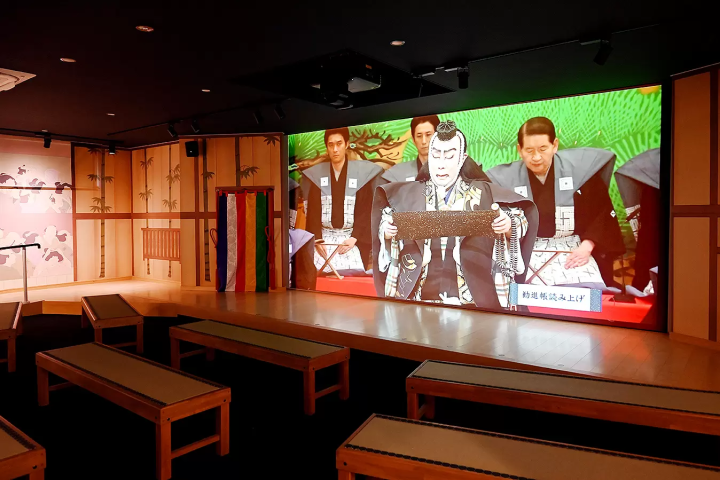
Disguised as yamabushi (mountain ascetics) soliciting donations to rebuild a destroyed temple (Todai-ji), Yoshitsune and his party attempted a high-stakes bluff. When a suspicious Togashi demanded proof of their mission, Benkei—displaying staggering presence of mind—unrolled a completely blank scroll and began to improvise a stirring, impassioned recitation as if reading from a genuine subscription list (kanjincho).
The climax of the legend—and the core of the immortal Kabuki play of the same name—arrives when Togashi remains unconvinced because a porter in the group bears a striking resemblance to the wanted Yoshitsune. To save his lord’s life, Benkei commits an unthinkable act of treason against his master: he brutally strikes Yoshitsune with his wooden staff, berating him for drawing suspicion upon their party.
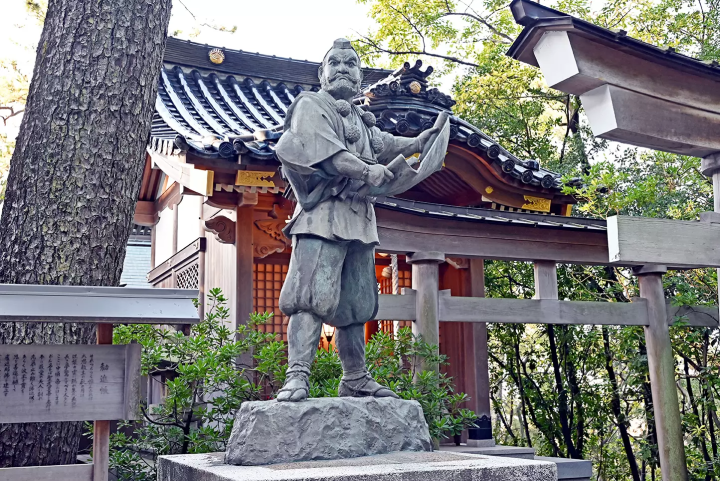
Moved to tears by Benkei’s agonizing devotion and the profound depth of his loyalty, Togashi recognizes the true identity of the travelers yet deliberately looks the other way, allowing them to pass to freedom. While theatrical adaptations like the Noh play Ataka and the subsequent Kabuki masterpiece Kanjincho dramatized and romanticized these events, the emotional core of wisdom, courage, and ultimate sacrifice has been etched indelibly into the Japanese cultural psyche.
Following the Trail: Municipality by Municipality
1. Komatsu City: The Gateway of Ataka-no-Seki
Komatsu City serves as the geographic and emotional epicenter of the Yoshitsune-Benkei legend. Facing the windswept shores of the Sea of Japan, the coastal district of Ataka has functioned as a vital maritime hub since ancient times.
The Ataka-no-Seki Historical Site
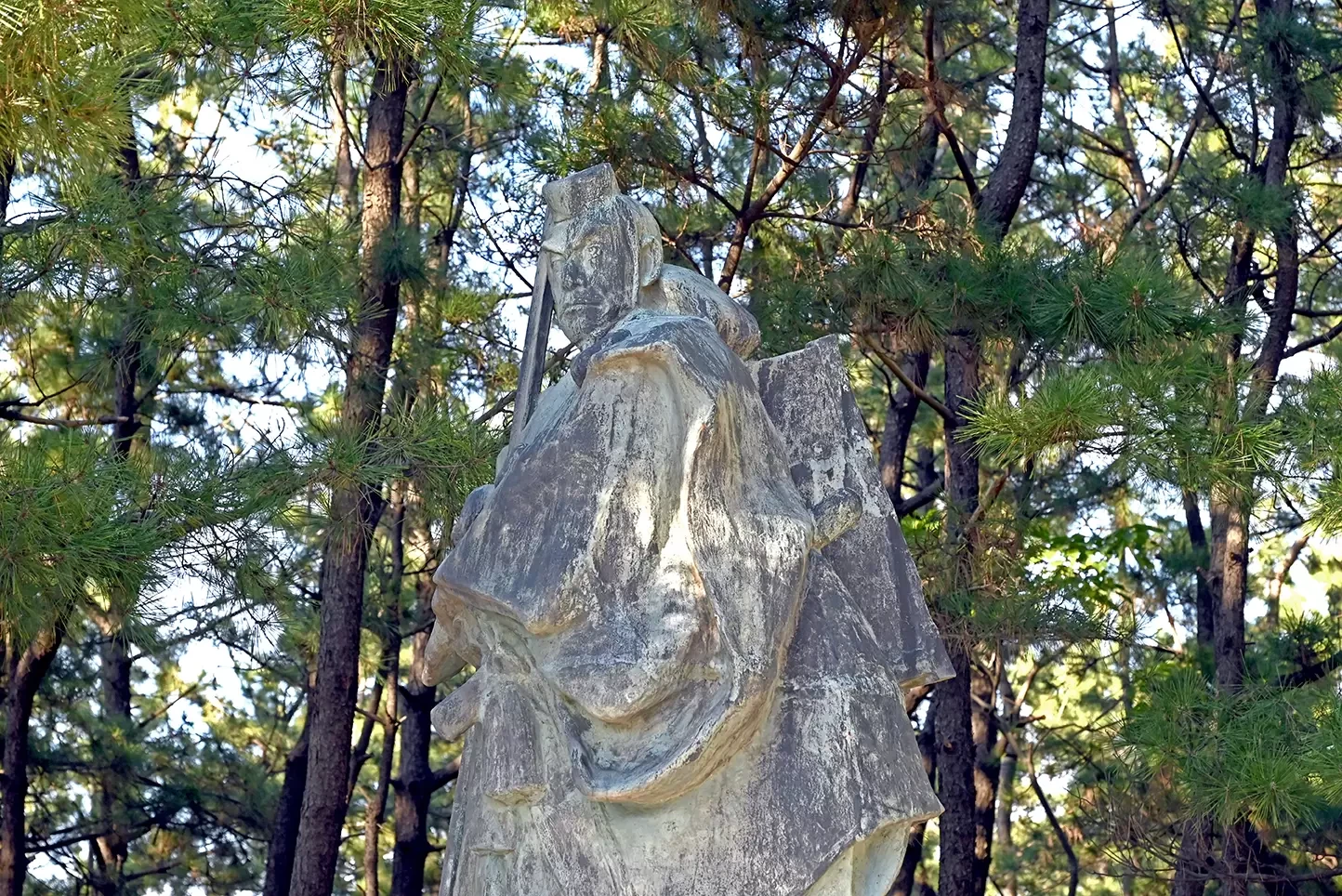
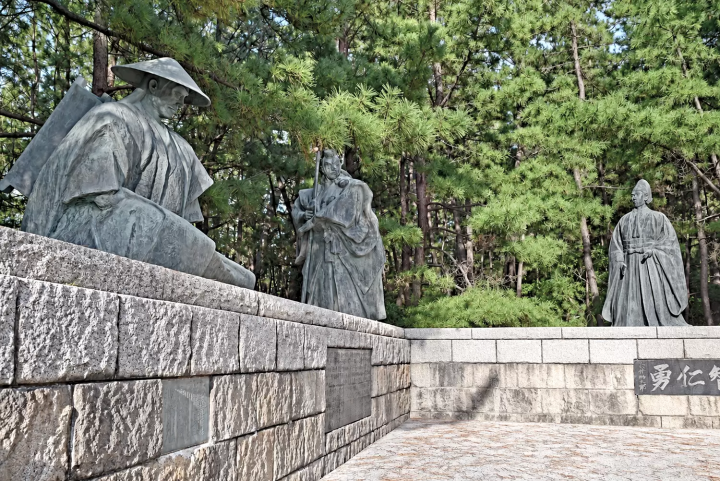
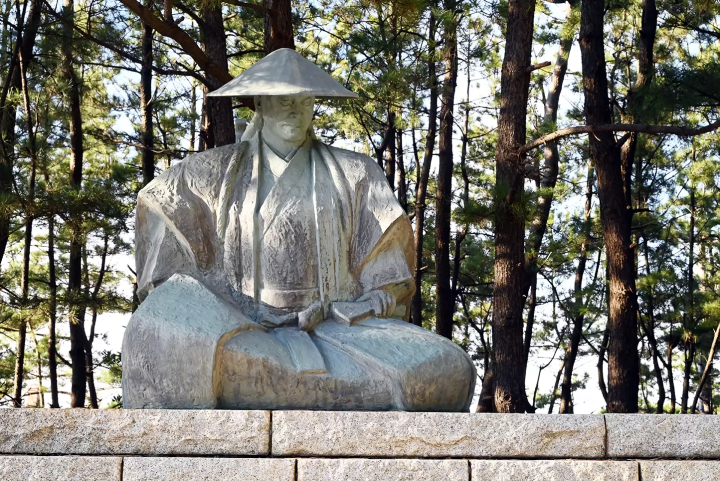
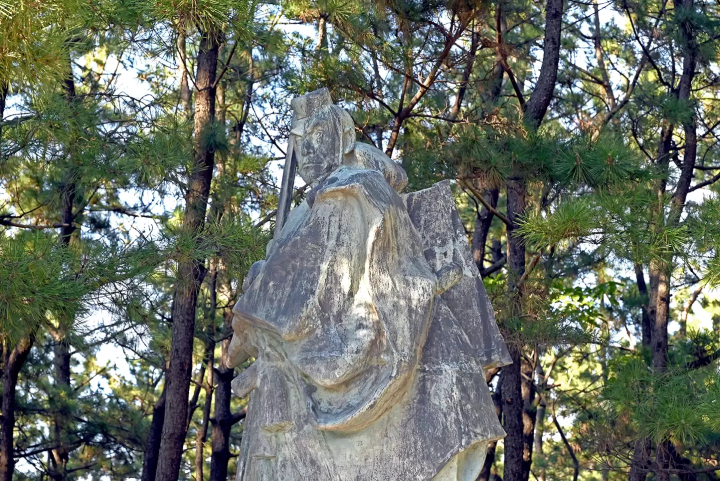
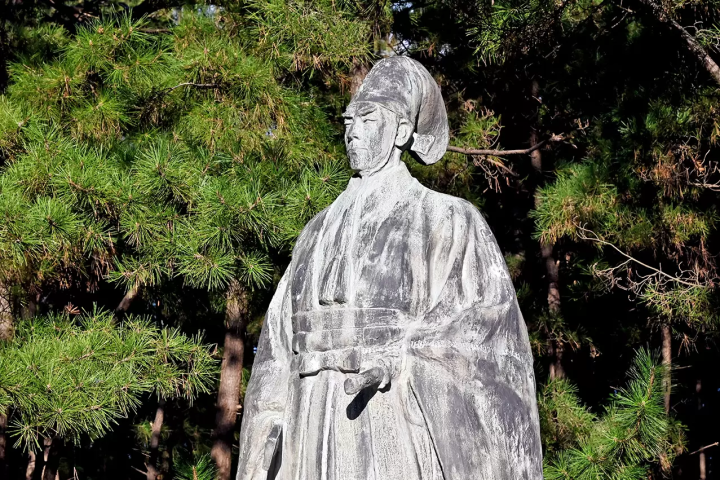
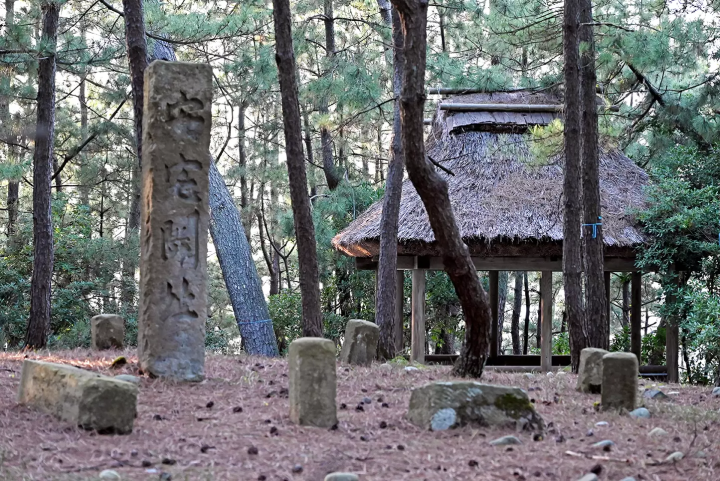
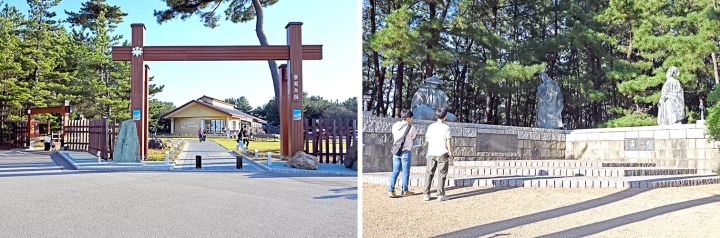
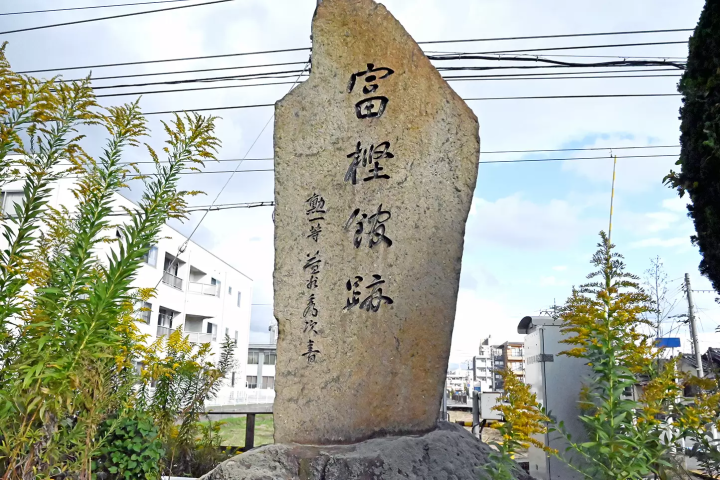
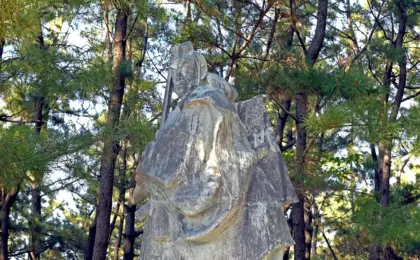
Surrounded by a tranquil pine forest, the modern Ataka Barrier site preserves the atmosphere of the medieval checkpoint. Visitors walking the small path leading to the barrier site are greeted by striking bronze statues of Yoshitsune (disguised as a humble porter), Benkei (caught in the agonizing moment of striking his master), and Togashi no Saemon.

Ataka Sumiyoshi Shrine
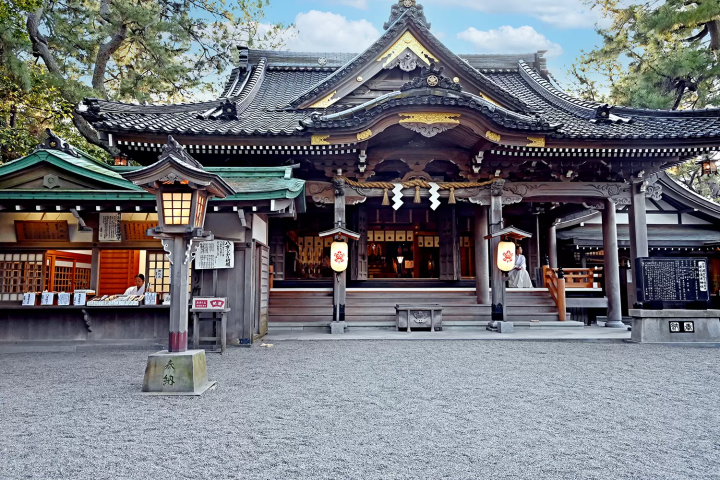
Adjacent to the barrier stands the Ataka Sumiyoshi Shrine, historically revered by mariners praying for safe sea voyages. In modern times, because of the legend of Yoshitsune’s party successfully overcoming extreme peril at this very location, the shrine has evolved into a powerful spiritual destination for individuals facing major life challenges—such as university entrance examinations or critical career milestones.
Kanjincho Monogatari Museum
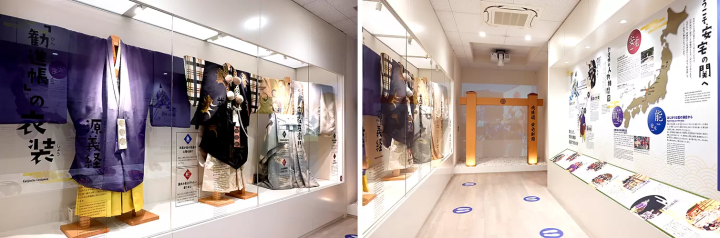
Located within the Komatsu Kanjincho no Sato tourist facility, the Kanjincho Monogatari Museum offers a comprehensive multimedia introduction to the Kabuki masterpiece. Visitors can explore authentic theatrical costumes, view historical exhibits, and engage with interactive digital displays that allow them to overlay traditional Kabuki makeup (kumadori) and costumes onto their own images via high-definition monitors.

Modern Innovations: ATAKA TERRACE and Ataka no Yado Oki
Bridging historical exploration with contemporary leisure, the coastal area has seen significant modern investment:
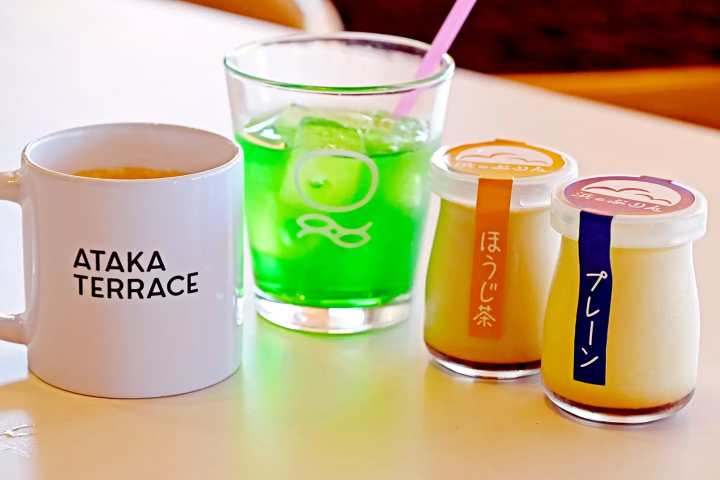
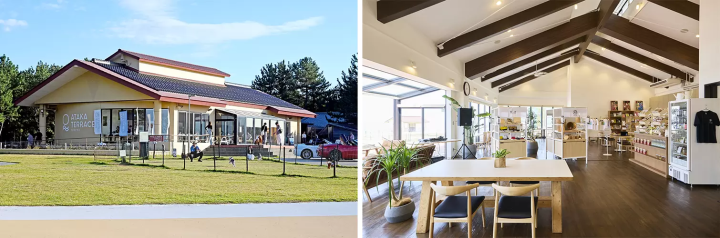
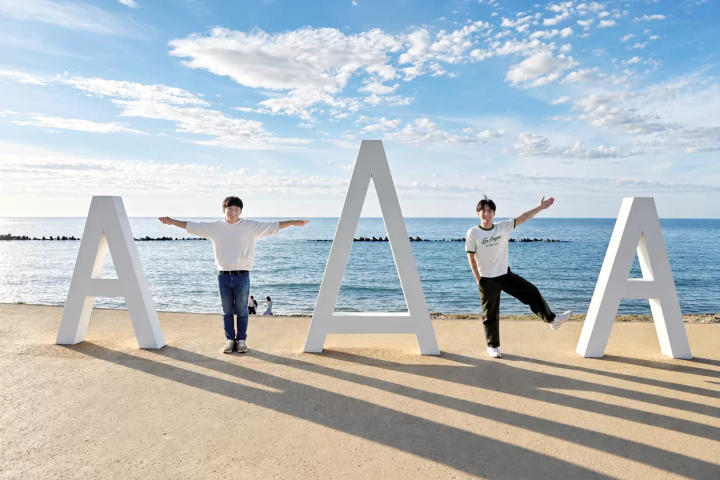
- ATAKA TERRACE: Renovated and reopened in the spring of 2026, this dining and shopping complex overlooks the Sea of Japan. Visitors can enjoy local culinary specialties—such as hamburger steak sets crafted by Komatsu ironworkers and pasta dishes featuring local Komatsu tomatoes—complemented by a self-serve drink bar and the region’s signature Hamano Pudding. Outdoors, a scenic terrace and a dedicated dog run provide a welcoming environment for pet owners. Just off the beach, the popular "AAA" monument offers a memorable photo opportunity, allowing guests to frame themselves against the coastline to spell out "ATAKA."
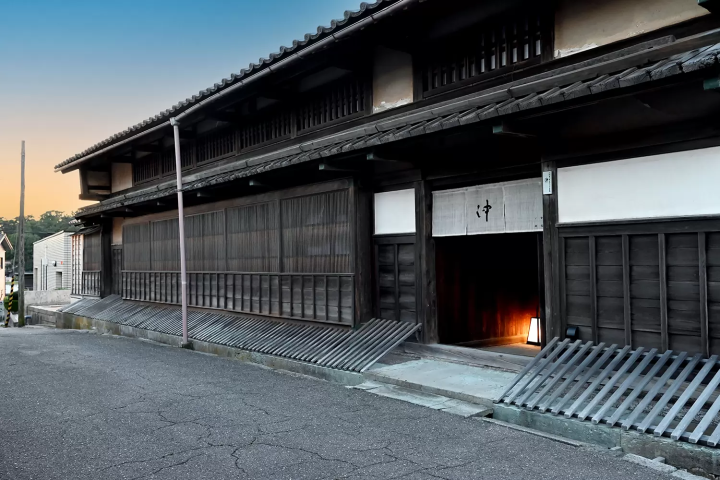
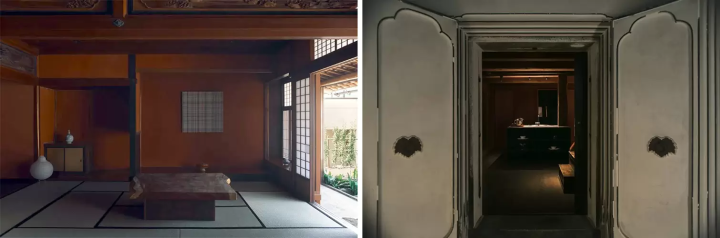
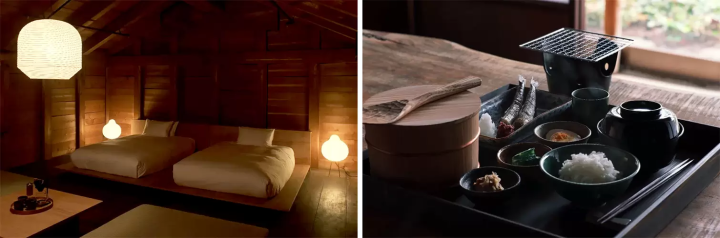
- Ataka no Yado Oki: Opened in 2026, this high-end lodging facility is a masterful adaptive reuse of a historic property once belonging to the Oki family, who flourished as shipping agents during the height of the Kitamae-bune merchant vessel era (Edo to Meiji periods). Guests can choose between suites like Nagi (featuring a private sauna renovated from the main house) and Getsumei or Migiwa (converted storehouses featuring dramatic skylights and wide verandas overlooking the sea), merging historic port architecture with uncompromising modern luxury.
2. Kaga City: The Tragedy of Ama-gozen Misaki
Traveling south from Komatsu brings visitors to Kaga City, home to another poignant, albeit tragic, local legend tied to Yoshitsune’s flight.
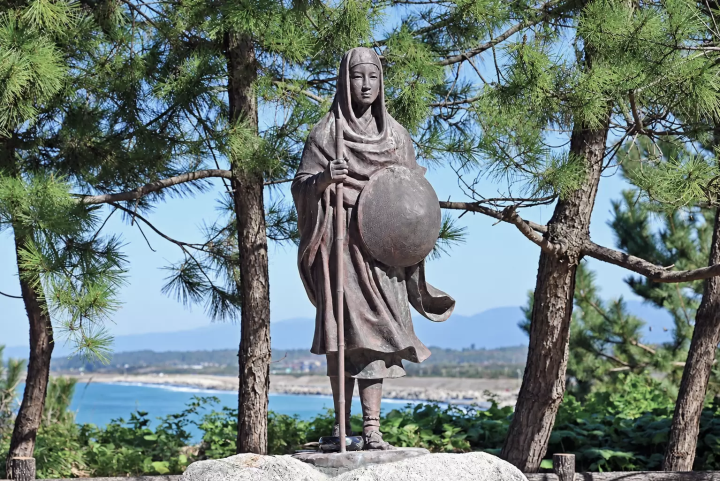
- Amagozen Misaki: Jutting dramatically into the Sea of Japan, this scenic cape features a rugged coastline framed by windswept pine trees. According to local lore, a female attendant named Ama-gozen, traveling with Yoshitsune’s entourage, learned of the heavily fortified security awaiting them at the Ataka Barrier. Fearing that her presence would slow the party down and endanger her lord, she chose to leap from the cliffs into the sea. Today, a well-maintained walking path allows travelers to traverse the coastline, taking in the magnificent marine views while reflecting on the human toll of the Genpei clan conflicts.
3. Hakusan City: Sacred Vows at the Foot of Mount Hakusan
Heading northeast from Komatsu leads to Hakusan City, nestled at the foot of Mount Hakusan—one of Japan’s three holy mountains (Sanreizan).
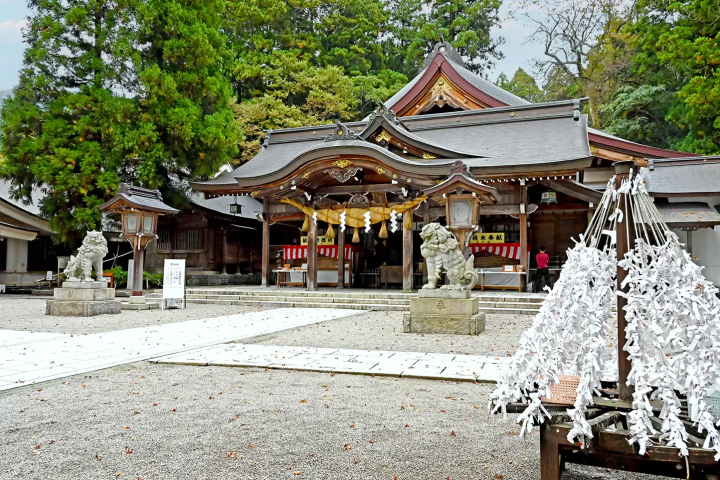
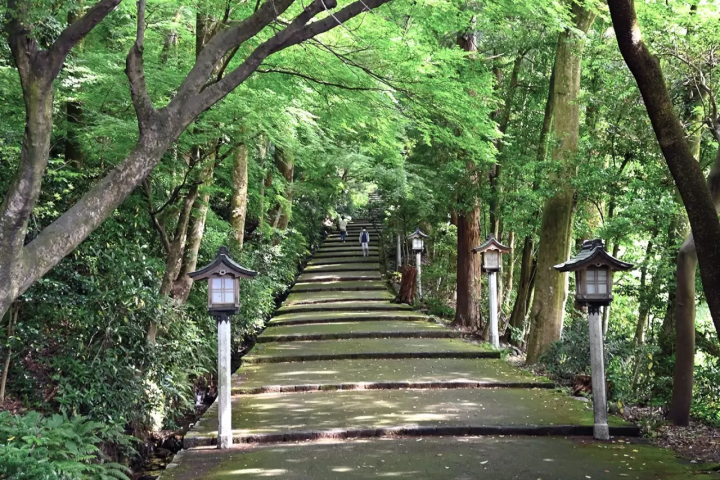
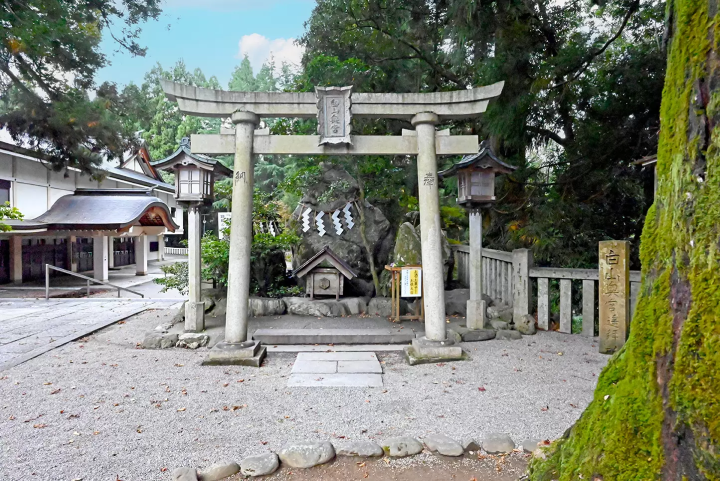
- Shirayama Hime Shrine: Serving as the head shrine (motomiya) for thousands of Hakusan shrines across Japan, this sacred site has been a center of mountain worship (Hakusan Shinko) for centuries. According to military chronicles such as the Gikeiki, after successfully bypassing the Ataka Barrier, Yoshitsune and his retainers journeyed inland to worship at the holy shrines of Hakusan, offering prayers for safe passage. The shrine’s majestic omotesando approach, lined with towering centuries-old cedars and zelkova trees, envelops visitors in a profound silence. Within the shrine grounds, travelers can explore historic worship halls designed for paying remote homage to the shrine’s inner sanctuary located at the distant summit of Mount Hakusan.
4. Nonoichi City: The Strongholds of the Togashi Clan and Merchant Legacies
Positioned southwest of Kanazawa, Nonoichi City represents an essential chapter in the broader narrative, serving historically as the territorial base of the influential Togashi clan—the very lineage from which the barrier guard Togashi no Saemon originated.
Nunoichi Shrine and Benkei’s Power Stone
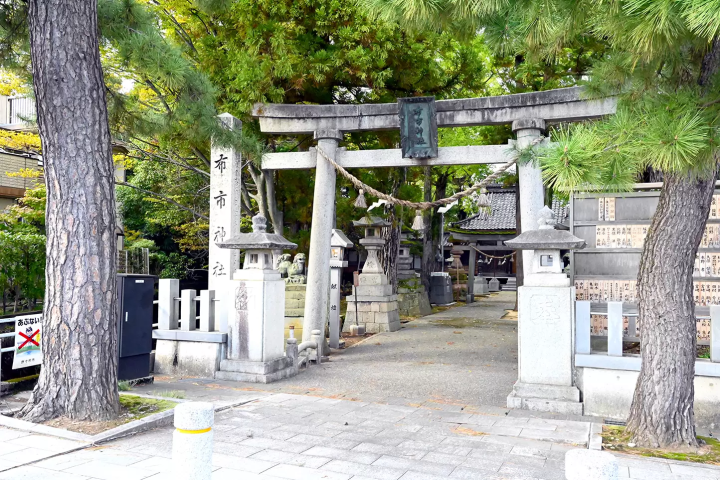
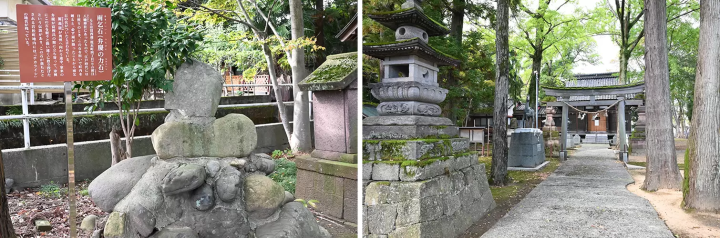
Within the grounds of Nunoichi Shrine stands a massive boulder known as Benkei’s Power Stone (Chikaraishi). Local legend holds that during their travels northward, Benkei visited the Togashi clan’s mansion and, during a celebratory banquet, effortlessly hoisted the gargantuan rock as a display of supernatural strength, hurling it far away. Throughout the Edo period, this stone became the focal point of local rainmaking rituals.
Nonoichi City Local History Museum (NoNo)
Housed within the impeccably preserved late-Edo-period residence of the former Uozumi merchant family, Museum NoNo offers deep insights into rural merchant life and the administrative history of the Togashi clan. The facility incorporates English-language Mixed Reality (MR) video experiences, allowing visitors to virtually step back in time to witness historical domestic life.
Kitaya Residence and Fugakudo Confectionery
Another architectural jewel along the old Hokkoku Kaido highway is the Kitaya Residence, a National Important Cultural Property that once belonged to a prominent local sake-brewing family. Visitors can explore the Oe-no-ma reception room, complete with intricate ash patterns in the sunken hearth (irori), traditional lattice doors, and the old brewing storehouse.
Directly adjacent to the Kitaya Residence sits Fugakudo, a traditional Japanese confectionery shop specializing in monaka—crispy glutinous rice wafers filled with sweet bean paste. Their signature creation, Monaka Kanjincho, is uniquely molded in the shape of the blank scroll Benkei read aloud at Ataka, featuring a delicate filling of matcha-infused white bean paste and walnuts, crafted entirely by hand without artificial additives.
Supporting Context & Metrics
- Geographic Scope: The cultural trail spans four contiguous municipalities in southern Ishikawa Prefecture: Komatsu, Kaga, Hakusan, and Nonoichi, bridging coastal marine environments with interior alpine pilgrimage routes.
- Historical Timeline Anchor: Late 12th century (Genpei War aftermath and flight of Minamoto no Yoshitsune, circa 1185–1187 CE).
- Transportation Access: Komatsu City is directly accessible from Tokyo’s Haneda Airport via domestic flights to Komatsu Airport, as well as via high-speed rail connections on the Hokuriku Shinkansen terminating at Komatsu Station. Due to the geographical spread of heritage sites across municipal boundaries, regional car rental services are recommended for efficient travel.
- New Tourism Infrastructure (2026): Key developments include the complete spring 2026 renovation and relaunch of ATAKA TERRACE in Komatsu and the opening of the luxury adaptive-reuse lodging property Ataka no Yado Oki, marking a significant push toward experiential, high-value heritage tourism in historic port districts.
Official Statements & Cultural Impact
Local administrative bodies and tourism boards emphasize the importance of preserving these tangible and intangible cultural assets for contemporary audiences.
Representatives from the Komatsu City Tourism and Culture Division note that the enduring appeal of Ataka-no-Seki lies not merely in its theatrical fame through Kanjincho, but in its universal themes of loyalty, quick-thinking resilience under pressure, and cross-party compassion. By modernizing visitor amenities—such as the digital Kabuki experience at the Kanjincho Monogatari Museum and the panoramic dining facilities at ATAKA TERRACE—the region successfully bridges the gap between classical performing arts and modern lifestyle tourism.
Furthermore, civic leaders across Nonoichi and Hakusan highlight that extending the tourist trail beyond Komatsu allows visitors to grasp the full historical ecosystem of medieval Kaga Province. Whether examining a Edo-period merchant estate at the Kitaya Residence or walking the cedar-shaded paths of Shirayama Hime Shrine, travelers are invited to engage with a multi-layered narrative that spans feudal military drama, sacred mountain devotion, and the robust mercantile culture of the Kitamae-bune shipping routes.
Future Outlook
As Ishikawa Prefecture continues to recover and innovate in the wake of regional infrastructural enhancements completed in 2026, the Ataka-to-Nonoichi heritage corridor stands as a model for regional cultural tourism. Future initiatives aim to expand multilingual digital interpretation—including immersive MR and AR applications at historical sites—to cater to an increasingly international demographic of travelers interested in Japanese theater, samurai history, and regional gastronomy.
By harmonizing historical preservation with upscale, sustainable hospitality developments like Ataka no Yado Oki, the municipalities of Komatsu, Kaga, Hakusan, and Nonoichi ensure that the legend of Yoshitsune, Benkei, and Togashi will continue to inspire generations of visitors for centuries to come.





Belum ada komentar. Jadilah yang pertama berkomentar!