As November descends upon Japan’s capital, Tokyo enters one of its most visually striking and culturally dynamic transitions of the year. Hovering around a crisp 57°F (14°C) during the daylight hours, the meteorological conditions provide an optimal environment for pedestrian exploration. The city bridges the gap between vibrant autumnal foliage—characterized by sweeping canopies of golden ginkgo and fiery crimson maples—and the nascent magic of Tokyo’s world-renowned winter illuminations.
Far from a quiet shoulder season, November in Tokyo is defined by high-density cultural engagement. Millions of residents and international visitors alike participate in centuries-old shrine festivals, massive open-air culinary exhibitions, and cutting-edge design expos. This comprehensive journalistic report details ten of the most significant events scheduled across the metropolis, offering travelers and cultural analysts a definitive roadmap to Tokyo’s late-autumn landscape.
Detailed Chronology of November Events
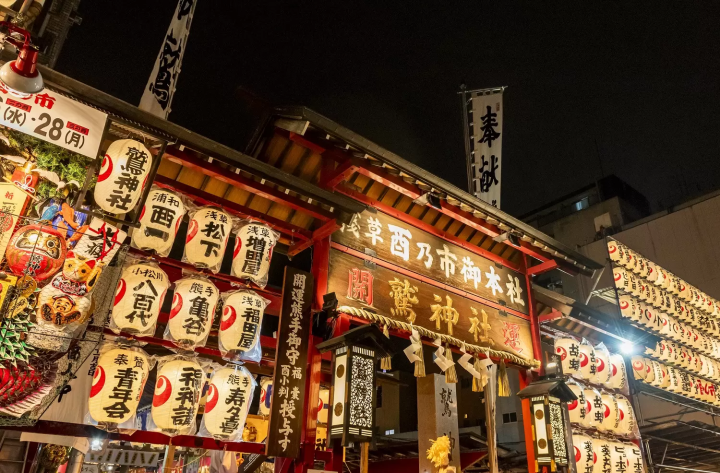
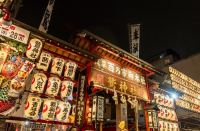
1. Asakusa Tori-no-Ichi (November 7 and 19)
Location: Otori Shrine and Chokokuji Temple, Asakusa
Historical Significance: Rooted deeply in the Edo period (1603–1867), this festival is held on designated "Days of the Rooster" according to the traditional Chinese zodiac calendar. Merchants and citizens converge on these sacred grounds to pray for commercial prosperity, financial security, and general good fortune for the upcoming year.
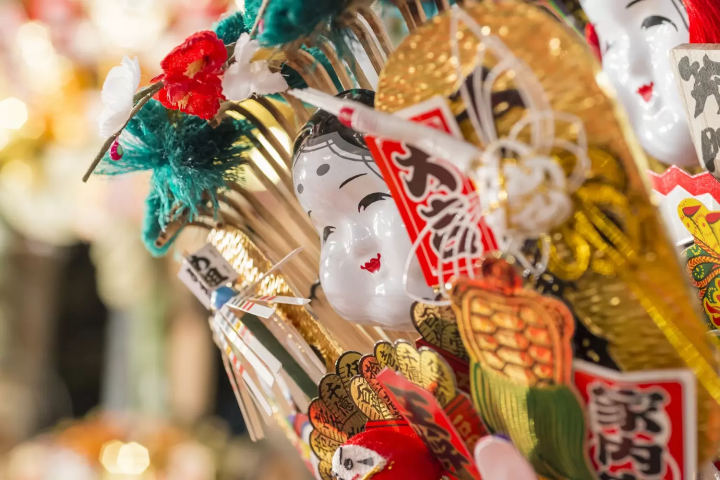
The Experience: The temple and shrine precincts glow under the amber wash of hundreds of traditional chochin lanterns. Open-air stalls line the alleys, vending kumade—intricately decorated bamboo rakes adorned with miniature gold coins, lucky masks (hyottoko and okame), and treasure ships (takarabune). Every time a kumade is purchased, the vendor and buyer engage in a synchronized, rhythmic clapping ritual known as tejime, echoing through the historic alleys to cement the business transaction and invite wealth.
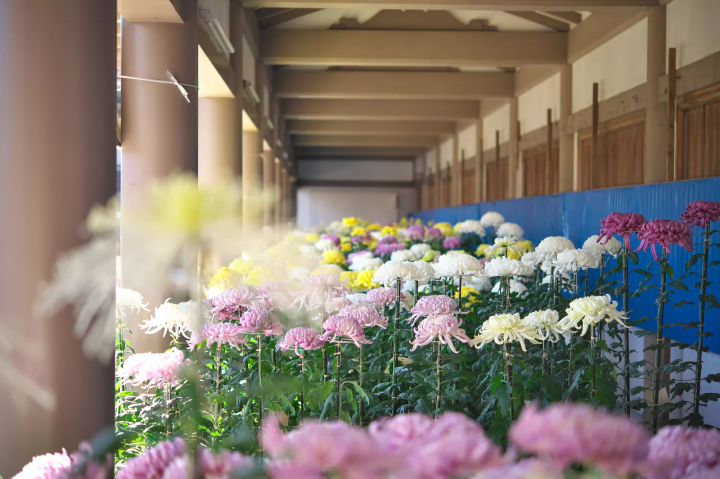
Cultural Heritage: Initiated during the Showa era (1926–1989), this month-long floral exposition takes place at a shrine historically dedicated to Sugawara no Michizane, the Shinto deity of scholarship and learning.
The Visuals: The festival grounds showcase approximately 2,000 meticulously potted chrysanthemum plants, cultivated into cascading waterfalls, massive globes, and bonsai-like structures. Of particular note are the kiku-ningyo (chrysanthemum dolls)—life-sized historical and theatrical figures dressed entirely in fresh, living chrysanthemum blooms. Against the traditional architecture of Yushima Tenjin, the exhibition offers a tranquil window into classical Japanese horticulture.
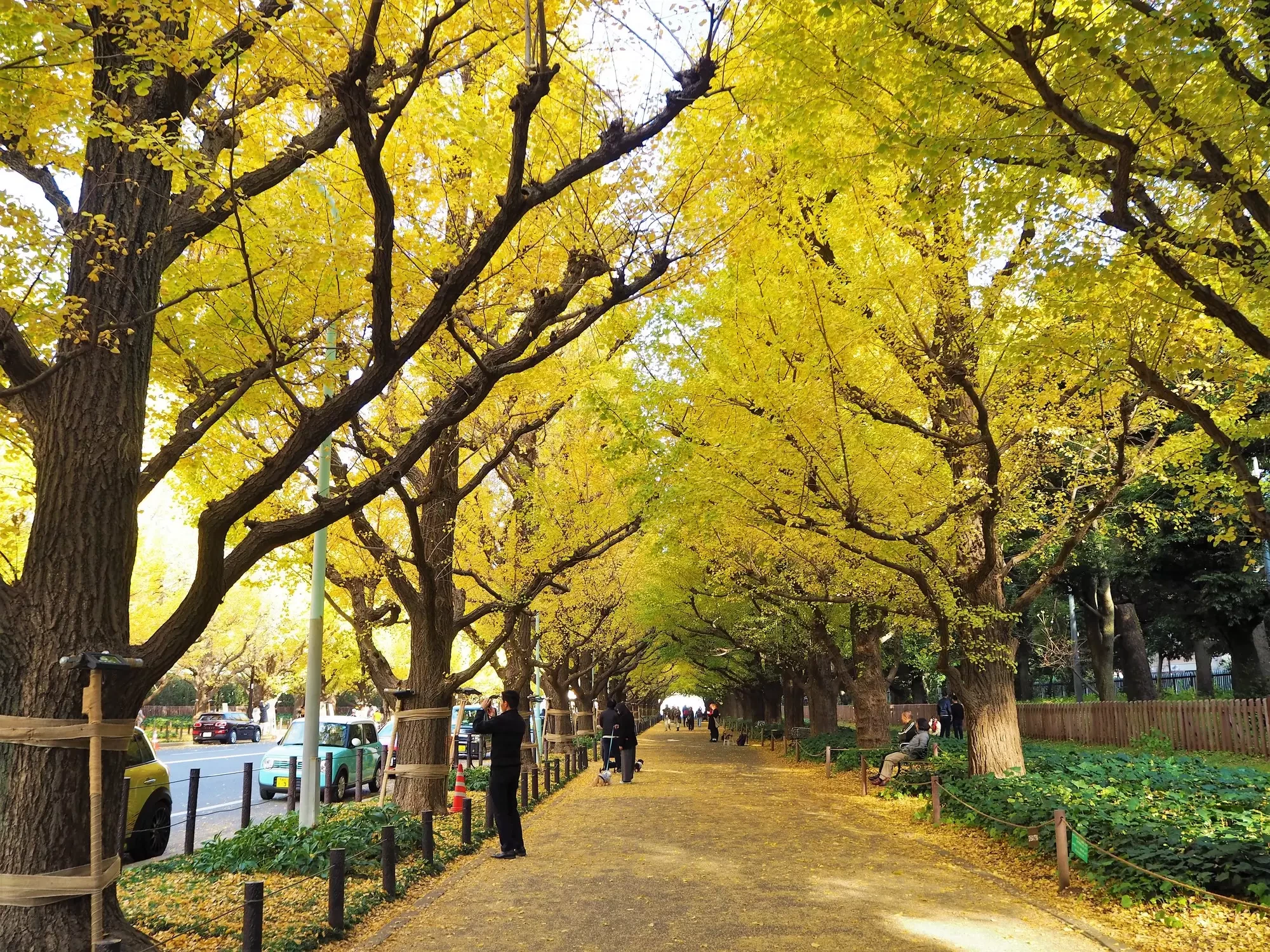
3. Meiji Jingu Gaien Ginkgo Festival (November 15 – December 8)
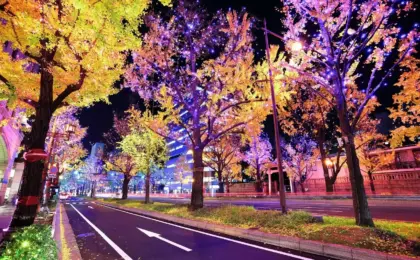
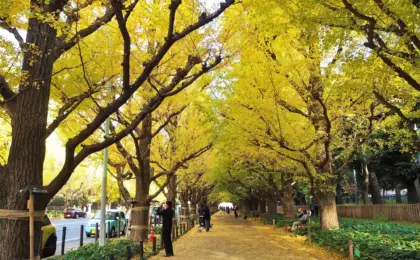
Urban Design Icon: Spanning a grand 300-meter avenue originally designed during the Taisho era (1912–1926), this festival highlights 146 precisely pruned, conical ginkgo trees. They converge visually on the historic Seitoku Kinen Kaigakan (Meiji Memorial Picture Gallery).
Atmosphere: As sunlight penetrates the dense overhead foliage, the corridor transforms into a glowing natural golden tunnel, complemented by a thick, rustling carpet of yellow leaves underfoot. Temporary street-food pavilions line the avenue, offering regional Japanese delicacies that visitors can enjoy while absorbing Tokyo’s most famous autumn urban landscape.
4. Mt. Takao Autumn Leaves Festival (October 24 – December 13)
Location: Takaosanguchi Station base, Hachioji
Accessibility & Nature: Situated a mere 50-minute train journey west of Shinjuku, Mount Takao serves as Tokyo’s premier ecological escape. With afternoon temperatures averaging a refreshing 55°F (13°C), the mountain draws hikers looking for panoramic vistas that, on clear days, extend all the way to the snow-dusted summit of Mount Fuji.
Ascent Options: Visitors can access the lower slopes via Kiyotaki Station, choosing between scenic hiking trails, a traditional chairlift, or Japan’s steepest cable car. The entire route winds through radiant tunnels of Japanese maples displaying brilliant scarlet and gold hues.
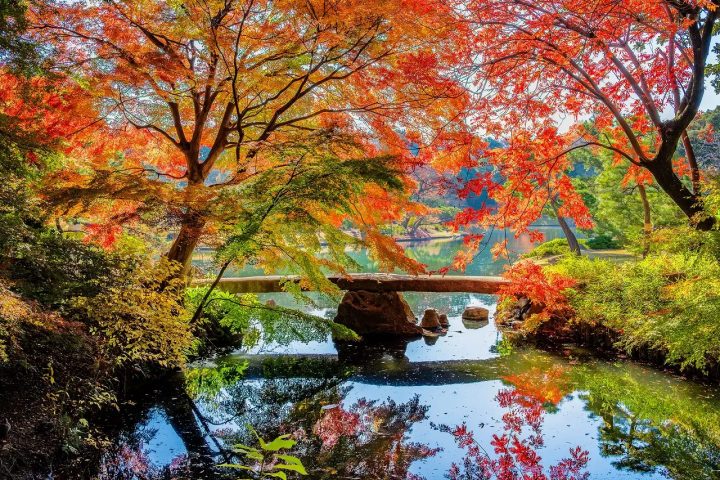
Historical Context: Constructed in the early 18th century by Kawagoe Domain lord Yanagisawa Yoshiyasu, Rikugien is a masterpiece of Edo-period strolling garden (kaiyu-shiki-teien) design, reflecting classic scenes from Japanese waka poetry.
Illumination Technology: Modern LED spotlighting is artfully deployed to illuminate the park’s hundreds of red maples without damaging the flora. The resulting amber and crimson glows cast mirror-like reflections across the central pond. Visitors follow illuminated pathways toward the lakeside teahouse, sipping freshly whisked matcha and eating traditional wagashi confections while observing the shimmering water.
6. Hachioji Ginkgo Festival (November 21–22)
Location: Ryonan Park and Ryonan Ginkgo Hall, Hachioji
Corridor Scale: This regional festival celebrates a 2.5-mile (4-kilometer) corridor along the historic Koshu Kaido roadway, lined by over 770 massive ginkgo trees planted during the early Showa era.
Community Engagement: Festival-goers participate in a historical stamp rally using wooden passes (kinen-kitte), mimicking the journeys of travelers along the ancient highway. Vintage car parades, local music performances, street craft stalls, and food vendors create a lively community atmosphere just 40 minutes from central Shinjuku.
7. Design Festa at Tokyo Big Sight (November 14–15)
Location: Tokyo Big Sight, Koto Ward
Scale of Innovation: As Asia’s largest open-air art and design exposition, Design Festa brings together over 10,000 independent artists, illustrators, fashion designers, and sculptors.
The Experience: The massive exhibition halls buzz with creative energy, featuring live mural paintings, avant-garde fashion runways, handmade jewelry booths, and interactive craft workshops. Paired with an international food court, the event offers an unfiltered look into contemporary Japanese subcultures and independent artistic expression.
8. Tokyo Ramen Festa at Komazawa Olympic Park (October 30 – November 3)
Location: Komazawa Olympic Park, Setagaya Ward
Culinary Significance: Formerly known as the Tokyo Ramen Show, this outdoor festival is Japan’s largest annual gathering of regional noodle artisans. Award-winning ramen shops from Hokkaido in the north to Kyushu in the south assemble in one park.
Gastronomic Appeal: Attendees purchase tickets and navigate stalls offering steaming bowls of rich tonkotsu, complex miso, and delicate shoyu broths. With November temperatures averaging a brisk 54°F (12°C), piping-hot ramen provides the ultimate culinary comfort.
9. Roppongi Hills Keyakizaka Illumination (November 5 – December 25)
Location: Roppongi Keyakizaka Dori, Minato Ward
Urban Aesthetics: Marking the unofficial commencement of Tokyo’s winter holiday lighting season, this 400-meter (1,300-foot) stretch of sloping roadway is draped in approximately 800,000 blue and silver LED nodes.
The Composition: Known as the "Snow & Blue" installation, the cool-toned lights frame the distant, warmly lit orange-and-white Tokyo Tower, creating one of the most photographed urban compositions in the world.
10. Marunouchi Illumination (November 12 – February 14)
Scale and Elegance: Positioned directly outside the majestic red-brick Marunouchi Exit of Tokyo Station, this upscale boulevard features over a million low-energy "champagne gold" LEDs wrapped around hundreds of street trees.
Atmosphere: The glowing gold canopies reflect off the glass facades of luxury boutiques and cobblestone pedestrian zones. Outdoor pop-up cafes allow visitors to enjoy warm beverages amid one of the capital’s most sophisticated evening displays.
Supporting Context & Metrics
To contextualize the seasonal influx, municipal and tourism data indicate that November represents a critical economic window for Tokyo’s hospitality and retail sectors.
Climatological Stability: Average maximum temperatures of 57°F (14°C) and minimums dipping to 46°F (8°C) create optimal conditions for urban walking tours compared to the humid extremes of summer.
Pedestrian Footfall: Major cultural nodes—such as Asakusa, Meiji Jingu Gaien, and Mt. Takao—experience peak weekend visitor densities, frequently drawing tens of thousands of domestic and international tourists daily.
Energy Efficiency: In alignment with Tokyo’s municipal sustainability targets, major illumination events (such as Marunouchi and Roppongi Hills) have transitioned entirely to high-efficiency LED infrastructure, reducing aggregate power consumption by upwards of 65% compared to legacy incandescent displays.
Official Statements and Cultural Outlook
Urban planners and cultural preservation committees have emphasized the dual mission of November’s events: honoring historical continuity while embracing modern technological and artistic expression.
"November in Tokyo is a delicate dialogue between our historical roots and our urban future," notes a representative from the Tokyo Metropolitan Foundation for History and Culture. "Whether it is the centuries-old rhythm of the tejime clap at Tori-no-Ichi or the advanced LED artistry of our illumination districts, these events ground our citizens in a shared sense of seasonal transition and community identity."
Future Outlook
Looking ahead, Tokyo’s autumn and early-winter events calendar serves as a blueprint for sustainable, high-impact tourism. As global interest in Japanese seasonal phenomena (koyo for foliage, illumination for winter lights) continues to accelerate, city authorities are exploring enhanced crowd-management strategies, expanded pedestrianization zones along historic avenues like Marunouchi Naka-dori, and further integration of eco-friendly energy solutions for public light displays.
For the traveler, researcher, or expatriate, November remains an unparalleled time to experience Tokyo—a metropolis where ancient spiritual traditions, world-class gastronomy, and cutting-edge urban design exist in seamless harmony.








Belum ada komentar. Jadilah yang pertama berkomentar!