

Executive Overview
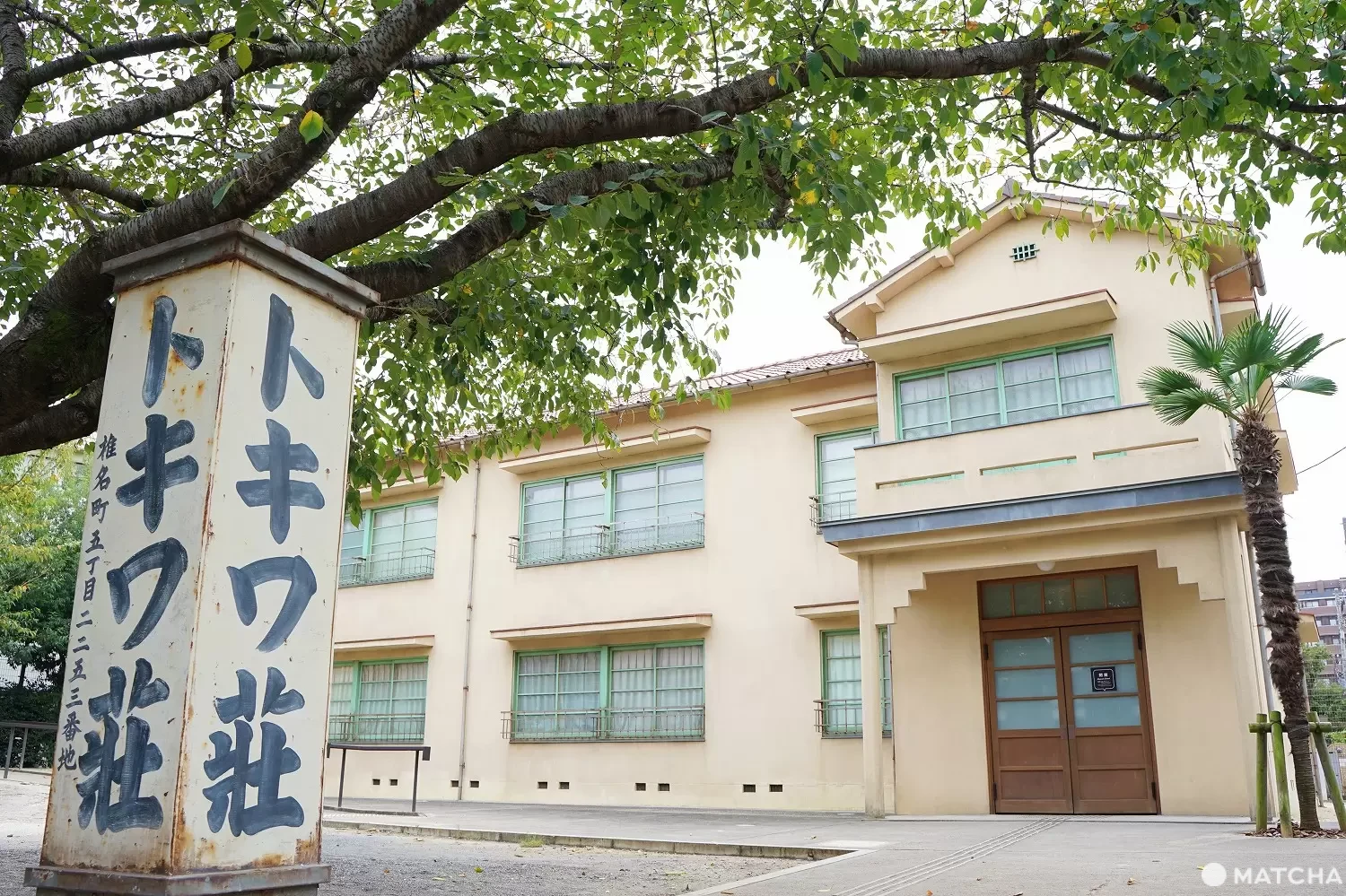
To understand the global phenomenon of modern Japanese manga and anime—industries that currently pull in tens of billions of dollars annually and captivate hundreds of millions of fans across every continent—one must look far beyond the gleaming glass towers of modern Tokyo or the neon-drenched arcades of Akihabara. The true structural foundation of this multi-billion-dollar creative ecosystem was forged in a remarkably modest, two-story wooden apartment building constructed in 1952 in the working-class neighborhood of Minaminagasaki, Toshima Ward.
Known historically as Tokiwaso, this humble structure served as an impromptu incubator for the founding fathers and mothers of contemporary Japanese visual storytelling. Titans of the industry such as Osamu Tezuka, Fujiko F. Fujio (creators of Doraemon), Fujiko Fujio Ⓐ, and Hideko Mizuno once inhabited its cramped quarters, sharing not just ideas, inspiration, and meager meals, but the very architectural constraints of post-war scarcity.
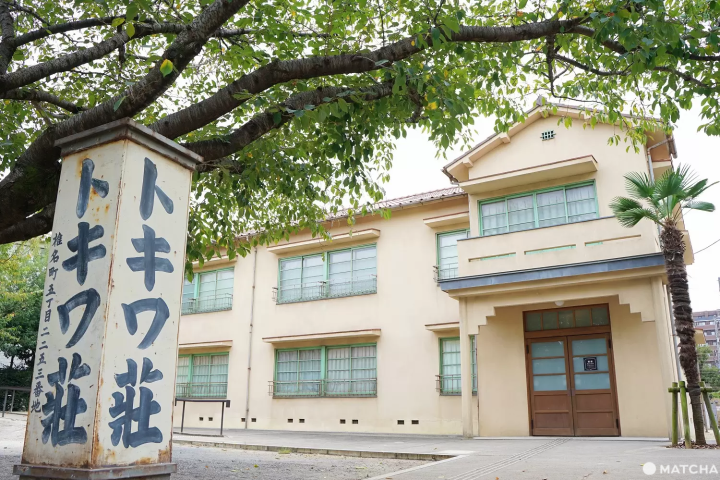
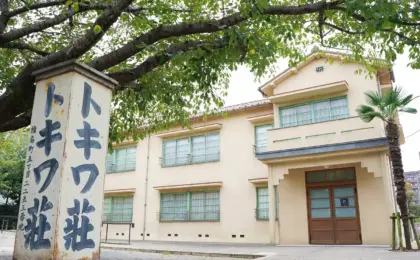
Though the original physical building was demolished in 1982 due to structural decay, its cultural legacy was triumphantly resurrected in July 2020 with the public opening of the Tokiwaso Manga Museum. Built with obsessive, forensic attention to architectural detail, the museum is not merely a memorial; it is an active portal into 1950s and 1960s Shōwa-era Tokyo. Supported by the surrounding neighborhood—which features interactive welcome centers, historical archives, reading rooms, and the very ramen shop that once sustained these artistic pioneers—the Tokiwaso district offers an unmatched historical immersion. For cultural historians, international tourists, and dedicated anime pilgrims alike, a journey to Tokiwaso is an essential expedition to the very bedrock of global pop culture.
Detailed Chronology: The Rise, Fall, and Resurrection of Tokiwaso
1952–1959: The Crucible of Post-War Creativity
Tokiwaso was originally built in 1952 as a standard, wood-frame boarding house designed to accommodate low-income workers and students in Toshima Ward. However, its historical destiny changed forever when Osamu Tezuka—widely revered as the "God of Manga" and the father of story manga and modern anime aesthetics—moved into Room 22 in 1953.
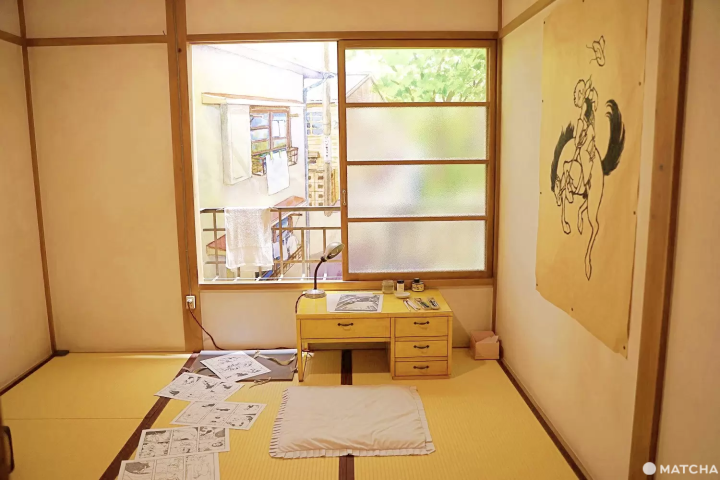
Tezuka was already achieving commercial success with titles like Jungle Emperor (Kimba the White Lion) and Astro Boy, but the punishing deadlines demanded by Tokyo publishing houses meant he needed a reliable, low-cost base of operations near the city’s editorial hubs. When Tezuka eventually moved out, he left behind a fully functioning drafting desk and a reputation that attracted a new wave of ambitious, impoverished young artists looking to break into the nascent manga industry.
Throughout the mid-to-late 1950s, Tokiwaso’s second floor evolved into a bohemian salon of genius. Among its residents were:
- Fujiko F. Fujio (Hiroshi Fujimoto) and Fujiko Fujio Ⓐ (Motoo Abiko), the creative duo who would later gift the world Doraemon.
- Shinzō Suzuki, Naoya Moriyasu, and Tokuo Yokota, pioneering stylists of early serialized manga.
- Hideko Mizuno, who shattered glass ceilings to become Tokiwaso’s sole female resident, carving out a legendary career in Shōjo (girls’) manga.
- Johji Yamauchi, who utilized cinematic framing techniques imported straight from Hollywood film canisters to revolutionize action pacing on paper.
- Hiroo Terada, the elder statesman and moral compass of the building, who anchored the community with his steady leadership and financial support.
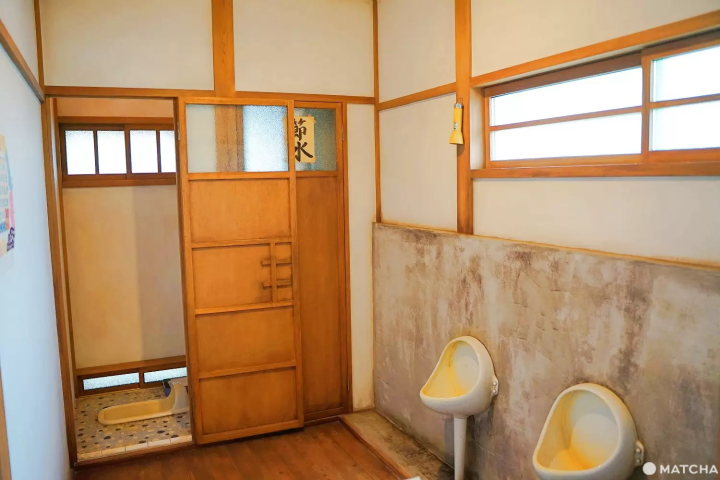
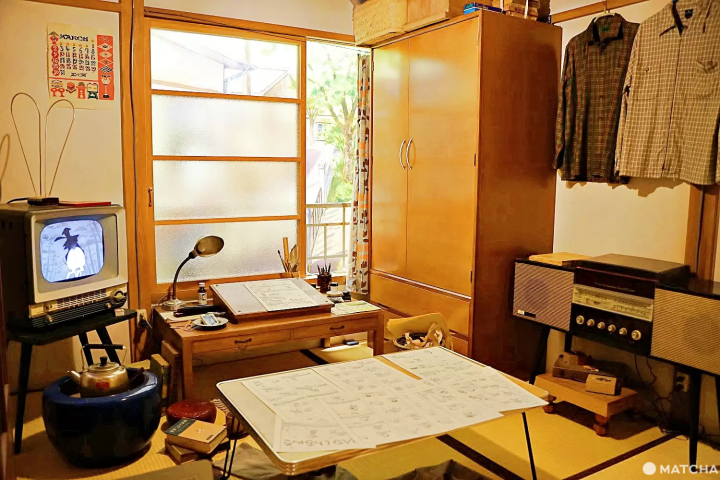
Life inside Tokiwaso was defined by a delicate balance of intense, back-breaking labor and tight-knit communal survival. The building possessed no private bathrooms, no running water in individual rooms, and no modern heating or air conditioning. Residents relied on shared, non-flush pit latrines, washed up at local neighborhood sento (public bathhouses), and kept warm during harsh Tokyo winters using small, traditional coal heaters.
Despite these hardships, a vibrant camaraderie flourished. Editors from major publishing houses made regular pilgrimages to Tokiwaso, often playing frantic games of hide-and-seek with creators struggling to finish their inked pages before strict morning deadlines. A local family even resided on-site temporarily to assist the overworked artists with cooking, laundry, and daily chores. Meanwhile, a local stray cat befriended by the Fujiko Fujio duo provided emotional comfort—and direct inspiration for what would become Japan’s most beloved robotic feline, Doraemon.
1960–1982: The Diaspora and Demolition
As the 1960s progressed, the artists who called Tokiwaso home began to achieve mainstream commercial success. With financial stability came the inevitable exodus; one by one, the creators moved out to establish their own independent studios and suburban homes. New, younger generations briefly occupied the building, but the structure itself could not withstand the passage of time.
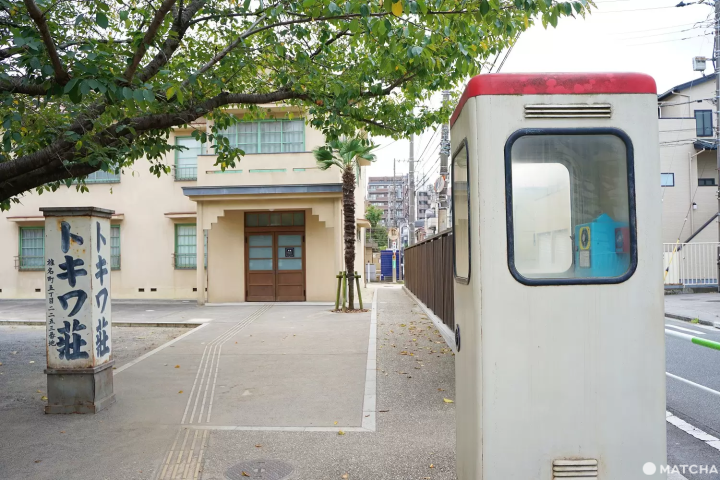
By the late 1970s, the wooden beams had warped, the foundation had settled unevenly, and modern urban zoning demands rendered the aging structure obsolete. Despite mounting protests from preservationists and nostalgic fans, the original Tokiwaso building was officially demolished in 1982. For nearly four decades, the site was commemorated only by a modest stone monument, leaving fans to imagine the creative tempests that once raged within its walls.
2020–Present: The Architectural Rebirth
Recognizing the site’s immense cultural significance to Toshima Ward and Japanese national heritage as a whole, local government officials and cultural preservationists launched an ambitious initiative to rebuild Tokiwaso from the ground up.
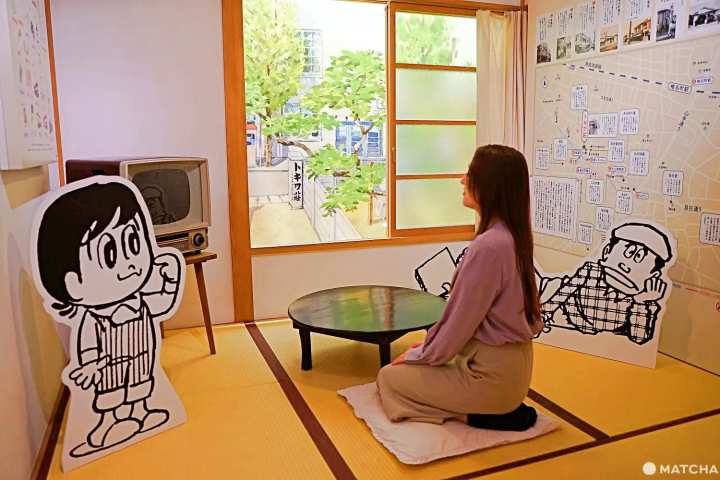
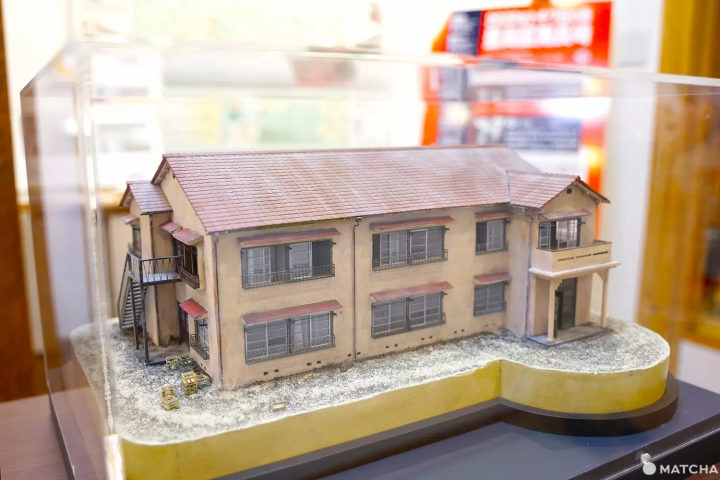
Opened in July 2020, the Tokiwaso Manga Museum was constructed on a site just a short walk from the original footprint. Utilizing surviving blueprints, historical photographs, and oral testimonies from former residents, architects meticulously recreated the building’s exterior and interior spaces. In a triumph of historical restoration, construction materials were intentionally aged to mirror the exact patina, texture, and rustic atmosphere of Tokiwaso during its 1960s heyday, ensuring that contemporary visitors step into a living, breathing historical archive.
Supporting Context & Metrics: Inside the Museum and Neighborhood
A comprehensive exploration of the Tokiwaso district requires visiting multiple interconnected facilities that collectively preserve the history of post-war Japanese illustration.
1. The Tokiwaso Manga Museum (Main Building)
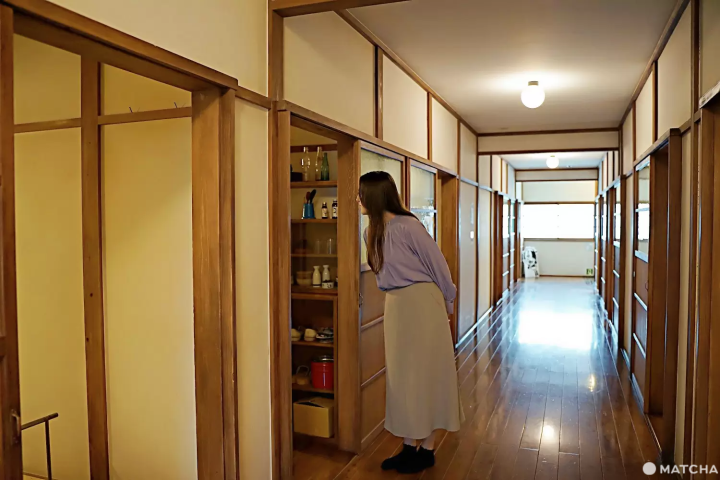
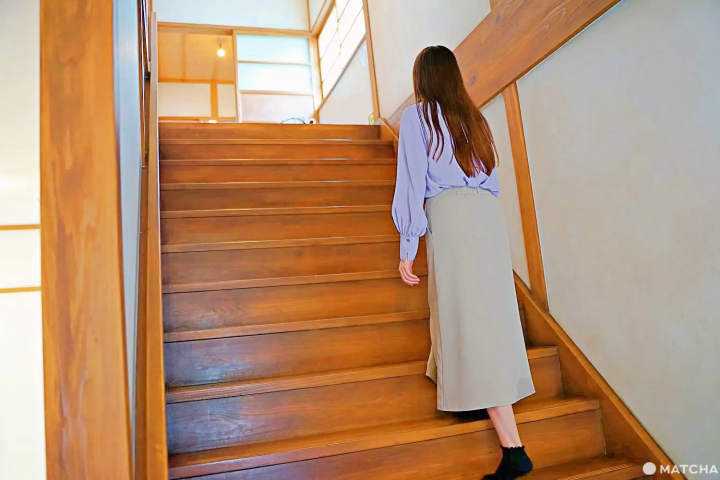
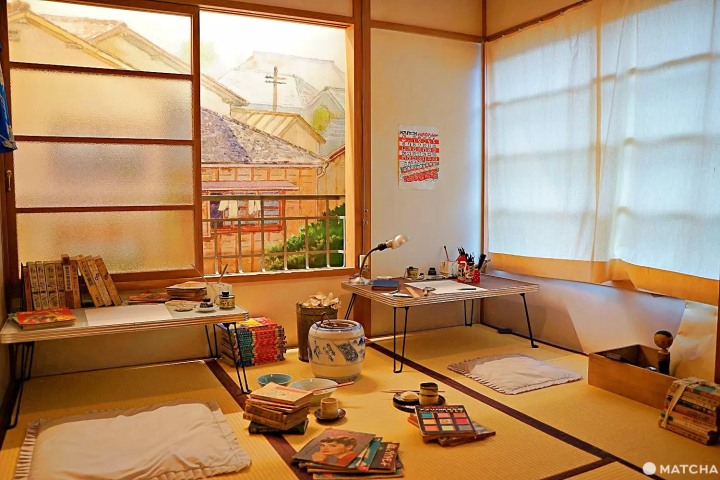
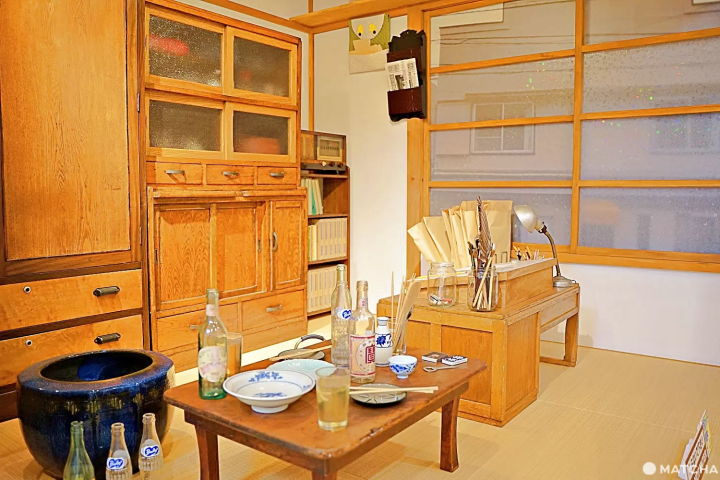
- The Second Floor (Recreated Rooms and Shared Spaces): Visitors ascend authentic wooden stairs engineered to produce a nostalgic, resonant creak. The long, narrow hallway features original paper signs posted by landlords instructing residents to keep their personal belongings out of common areas. Rooms belonging to Mizuno, Yamauchi, and the Suzuki/Moriyasu/Yokota rotation have been reconstructed down to the smallest detail: stray ink bottles, half-finished manuscripts, reference books, and floor cushions worn flat by hours of kneeling.
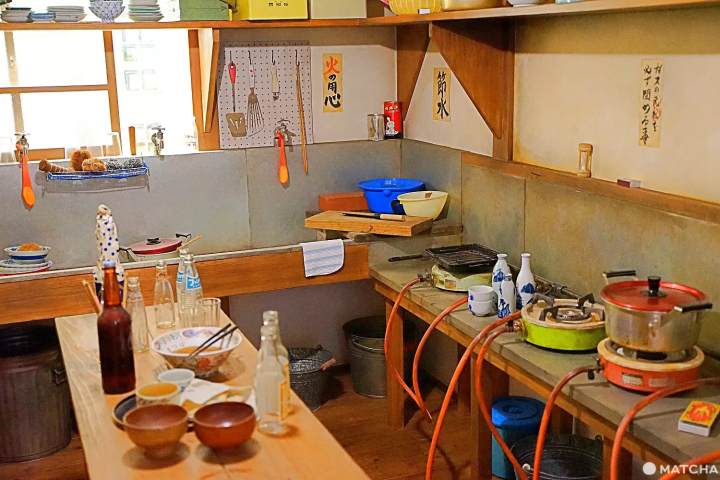
- Communal Facilities: The shared kitchen features an authentic, vintage ramen bowl resting on the table—a direct homage to Matsuba, the neighborhood noodle shop that sustained the artists. The exterior drainage pipes and the pit latrine setup accurately reflect mid-century Japanese urban housing standards.
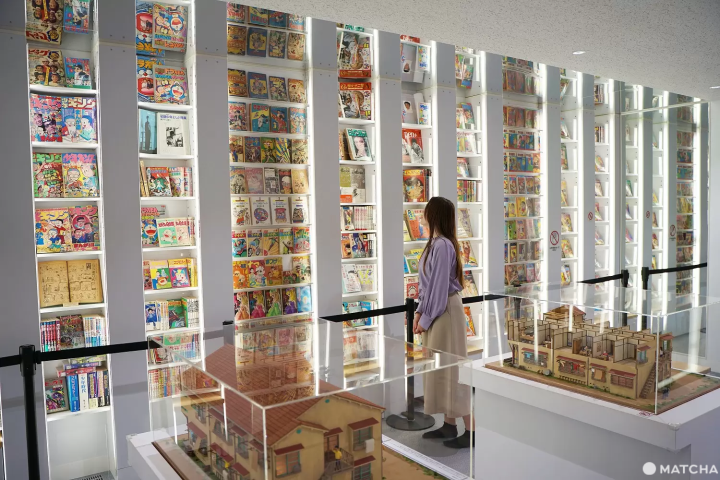
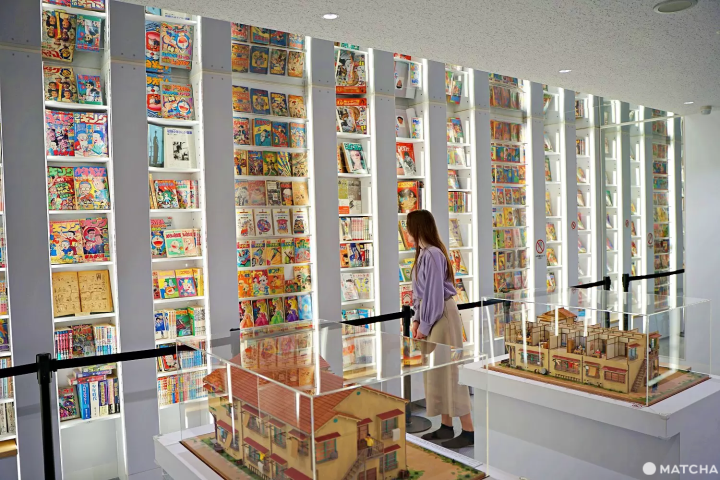
- The First Floor (Exhibition & Lounge): Dedicated to rotating thematic exhibitions (refreshed roughly three times a year), this space showcases rare archival materials, original cel art, and eye-level displays of vintage manga covers, celebrating the distinct visual evolution of Shōwa-era publishing.
2. Tokiwaso-Dori Oyasumidokoro (Welcome Center & Archives)
Located a short walk from the main museum, this community hub offers deep dives into the social network of the artists:
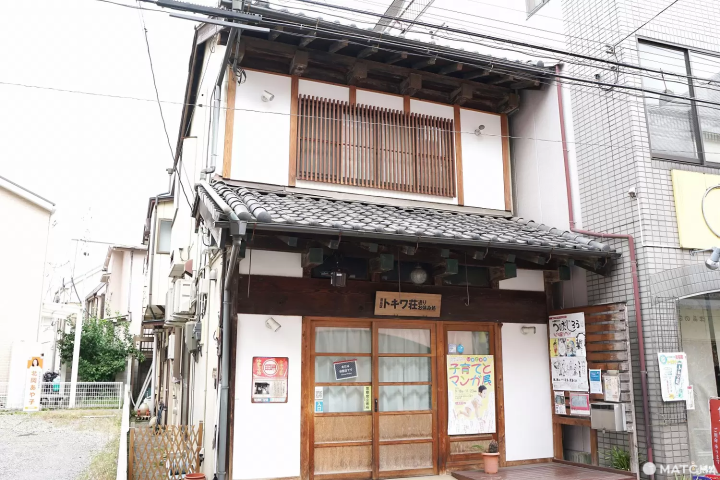
- Hiroo Terada’s Room: A faithful recreation of the quarters belonging to Terada, the mentor who famously invented Chuda—a signature local cocktail mixing shochu and sweet cider. Today, visitors can purchase non-alcoholic Chuda-flavored candies as a playful nod to neighborhood history.
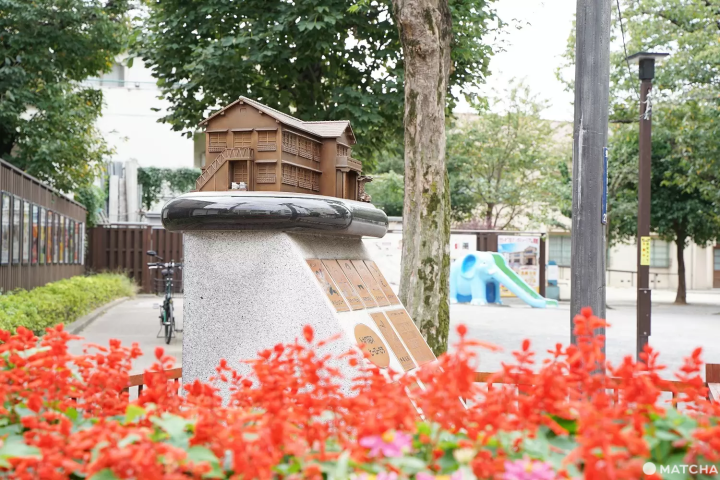
- Miniature Models & Artifacts: The second floor houses a hyper-detailed architectural scale model of the original Tokiwaso compound, alongside personal artifacts including Terada’s personal wristwatch and vintage matchbooks from the long-defunct Coffee Shop Eden, where artists once gathered to brainstorm storylines.
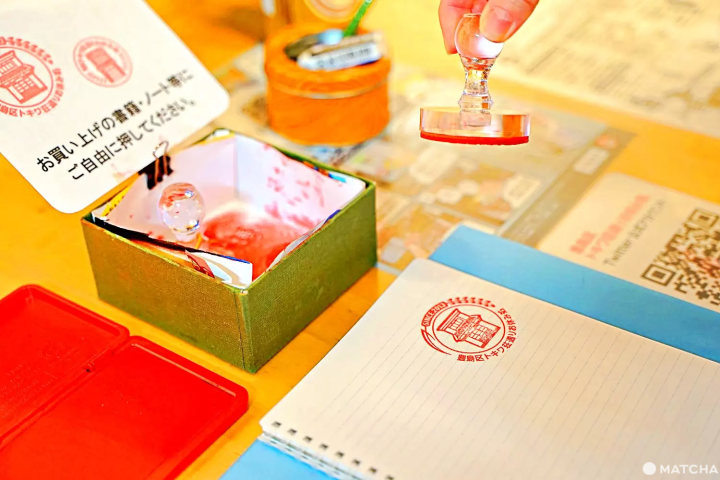
- Souvenir Shop: The first floor operates as a premier boutique for merchandise, offering custom postcards illustrated by Hideko Mizuno, collector’s editions of classic manga, and commemorative stationery.
3. Tokiwa-so Manga Station and Surrounding Landmarks
- Tokiwa-so Manga Station: Opened concurrently with the museum, this public reading library houses an astonishing collection of approximately 6,000 classic manga volumes—including rare out-of-print editions by Tokiwaso residents—accessible to the public for free study.
- Matsuba Ramen: Still operational today, this legendary neighborhood ramen shop continues to serve traditional, comforting bowls of noodles to hungry manga fans, maintaining recipes nearly identical to those consumed by Tezuka and his peers over half a century ago.
- Street-Level Monuments: Walking down Tokiwaso-Dori reveals the exact replica of the outdoor telephone booth used by artists to coordinate with stern publishing editors (famously depicted in Fujiko Fujio Ⓐ’s semi-autobiographical series Manga Michi), exterior walls bearing subtle baseball-ball indents from the artists’ impromptu athletic matches, and bronze monuments featuring the neighborhood cats.
Official Statements and Cultural Impact
The preservation and ongoing operation of the Tokiwaso district are viewed by cultural authorities not merely as acts of historic nostalgia, but as essential investments in Japan’s global soft power.
In statements released by the Toshima Ward Cultural Affairs Division, municipal leaders emphasize that Tokiwaso represents the egalitarian spirit of Japanese creativity. “Tokiwaso was never a palace; it was a sanctuary of shared struggle,” notes the curatorial board of the Tokiwaso Manga Museum. “The masters who lived here did not have corporate backing or digital tools; they had cheap paper, dipping pens, mutual encouragement, and an unshakeable belief in the emotional power of sequential art. By preserving these physical rooms, we honor the human endurance behind the pop culture that now connects the entire world.”
International manga scholars frequently cite Tokiwaso as the literal ground zero where the artistic grammar of anime was codified. The cross-pollination of ideas that occurred within its thin walls—where creators critiqued each other’s storyboards over cheap bowls of ramen—accelerated the maturation of manga from disposable children’s entertainment into a sophisticated, universally resonant literary medium capable of addressing complex philosophical, political, and emotional themes.
Future Outlook: Integrating Tokiwaso into the Modern Tokyo Itinerary
As global tourism to Japan reaches historic highs, the Tokiwaso district stands poised to absorb an increasing share of culturally curious travelers seeking alternatives to hyper-commercialized districts like Shibuya and Shinjuku.
Practical Visiting Guide & Recommendations
- Location: Minaminagasaki, Toshima Ward, Tokyo.
- Access: A convenient 15-minute walk from Shiinamachi Station (just one stop from Ikebukuro Station on the Seibu Ikebukuro Line). It serves as an ideal morning excursion before spending an afternoon hunting for anime merchandise in Ikebukuro’s bustling Otome Road or Sunshine City.
- Admission & Ticketing: Admission to the Tokiwaso Manga Museum is exceptionally affordable at 500 yen. Due to spatial constraints within the replicated historical rooms, advance time-slot reservations are strongly recommended.
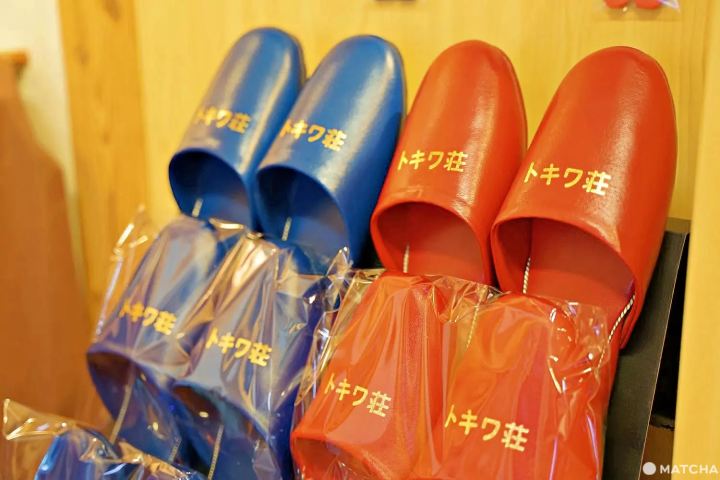
- Important Etiquette: Both the Tokiwaso Manga Museum and the Oyasumidokoro operate as strict shoe-free environments. Visitors must remove their footwear at the entrance and store them in provided lockers; therefore, wearing or packing clean, comfortable socks is mandatory.
- Operating Hours: 10:00 AM to 6:00 PM (Last admission at 5:30 PM). Generally closed on Mondays (or the following weekday if Monday falls on a national holiday), during exhibition changeover periods, and over the New Year holiday season.
Ultimately, the Tokiwaso Manga Museum transcends the definition of a traditional museum. It is a profound monument to perseverance, camaraderie, and the transformative magic of human imagination—a must-visit sanctuary for anyone who has ever turned a page and fallen in love with the world of Japanese animation and manga.



Belum ada komentar. Jadilah yang pertama berkomentar!