

Executive Overview
Old-school role-playing games, particularly massive multiplayer online titles rooted in the early 2000s, have long faced gentle ribbing for a singular, inescapable truth: they are fundamentally games about watching numbers go up. Titles like RuneScape defined an entire generation of PC gaming through their deep, uncompromising devotion to the grind. Players spent countless hours chopping digital trees, fishing virtual sharks, and fighting low-level goblins—all in the pursuit of unlocking the next tier of equipment or achieving that coveted level 99 in a skill.
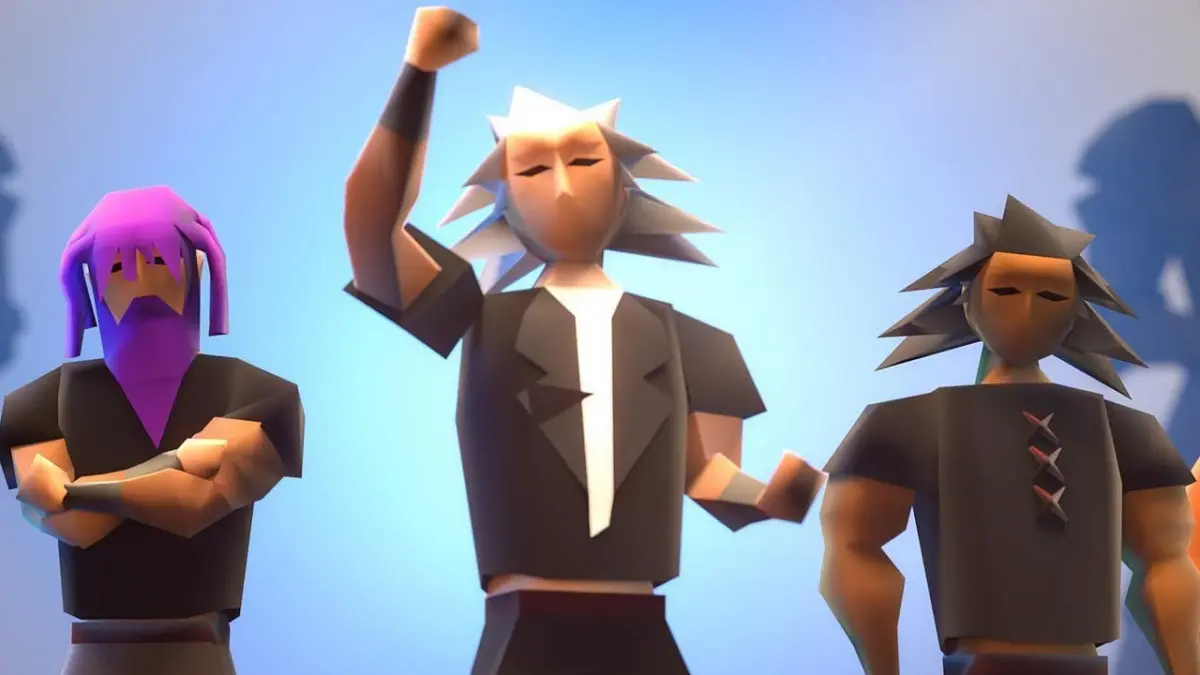
Enter Melvor Idle, a project that strips the traditional MMORPG experience down to its absolute core mechanics. Self-billed as a RuneScape-inspired idle adventure, the game takes the complex skilling systems, combat loops, and item progressions of classic MMOs and condenses them into a streamlined, idle-friendly format.
Now, this marriage of nostalgic gameplay and passive progression has taken a monumental step forward. Developer Games by Malcs has officially partnered with RuneScape creator Jagex to brand the upcoming sequel as Melvor Idle 2: A RuneScape Adventure. While the original game operated under Jagex’s publishing umbrella, this new branding cements a deeper, official synergy between the indie passion project and the giant MMO franchise that inspired it.
Yet, this partnership arrives with intriguing caveats. Despite carrying the prestigious RuneScape namesake, Melvor Idle 2 will not take place in the iconic fantasy world of Gielinor. Furthermore, amidst an industry increasingly plagued by aggressive monetization, Jagex and Games by Malcs have explicitly promised that the sequel will launch with no microtransactions. This comprehensive report examines the history of the collaboration, the mechanics of the upcoming sequel, fan reception, and what this means for the future of idle gaming and classic MMORPG franchises.
Detailed Chronology: From Indie Passion Project to Official Franchise Expansion
To understand the significance of the Melvor Idle 2 announcement, one must trace the timeline of how a solo developer’s tribute transformed into an officially backed franchise extension.
The Genesis of Melvor Idle
Long before partnering with one of the most enduring names in British game development, solo developer Malcs (operating as Games by Malcs) set out to build a game inspired by the mechanics of classic RuneScape. Released initially as an independent browser and mobile title, Melvor Idle captured the attention of players who loved the progression systems of MMORPGs but lacked the time required for active, marathon gaming sessions.
The game successfully translated complex mechanics—such as Woodcutting, Fishing, Firemaking, Runecrafting, and combat loops—into automated background tasks. Players could close the tab or put away their phones, knowing their characters were continuously grinding levels and gathering resources.
The First Jagex Partnership (2021)
Five years ago, Jagex recognized the potential within Malcs’ creation. In October 2021, Jagex stepped in to become the official publisher of Melvor Idle. At the time, the collaboration was strictly infrastructural and logistical. Jagex provided the publishing muscle to help the indie title reach broader audiences across Steam, iOS, and Android platforms, while allowing Games by Malcs to retain creative control.
Naturally, this initial announcement was met with a degree of skepticism. The RuneScape community, having weathered decades of changing monetization models, corporate buyouts, and contentious updates within Jagex’s own portfolio, raised cautious eyebrows on platforms like Reddit. Players worried that corporate intervention might introduce intrusive microtransactions, battle passes, or pay-to-win mechanics into a game celebrated for its pure, straightforward design. Fortunately, those fears proved unfounded, as the game maintained its integrity and enjoyed widespread critical and commercial success.
The Official Rebranding and Melvor Idle 2 Announcement
Building upon the success of the first title, Jagex and Games by Malcs announced the official greenlighting of Melvor Idle 2. This time, however, the partnership is more than just a publishing agreement; it is a full branding integration.
By officially entitling the sequel Melvor Idle 2: A RuneScape Adventure, Jagex is formally bringing the project into its ecosystem of games. According to official communications from Jagex, the decision stems from a mutual respect for the fan-built mechanics that mirror the publisher’s core design philosophy. While Gielinor—the canonical setting of RuneScape and Old School RuneScape—will not serve as the backdrop for the sequel, Jagex has deemed the project a worthy torchbearer of the RuneScape ethos.
Supporting Context & Metrics: Decoding the Idle Genre Boom
The decision by Jagex to heavily invest in the idle genre is far from arbitrary. Over the past decade, the idle and incremental gaming sectors have exploded from niche browser curiosities into a dominant multi-platform force.
Why Idle Games Resonate with Modern Gamers
Modern gamers are older, busier, and frequently constrained by professional and personal responsibilities. The traditional MMORPG model—which demands hours of uninterrupted focus to achieve meaningful progression—can feel inaccessible to adults who grew up playing RuneScape in the early 2000s.
Melvor Idle bridged this generational gap. It allowed aging gamers to recapture the dopamine hits of watching their skill levels tick upward from 1 to 99, all while maintaining full-time jobs, families, and busy schedules. By distilling the "grind" to its mathematical essence, idle games tap into a deep psychological satisfaction without demanding active, high-intensity gameplay.

Market Positioning and Monetization Standards
The announcement of Melvor Idle 2 carries another vital data point for consumers: the explicit guarantee of zero microtransactions. In an era where mobile and desktop idle games are frequently suffocated by energy meters, forced ad-watches, and pay-to-progress mechanics, Melvor Idle carved out a reputation as a premium, honest experience.
By maintaining this stance for the sequel, Jagex and Games by Malcs are signaling that the game will rely on a traditional buy-to-play or expansion-based model rather than predatory monetization. This strategy not only preserves the goodwill of the existing player base but also elevates the game’s prestige as a legitimate, artisanal RPG experience rather than a cynical cash-grab.
Official Statements and Community Reception
The partnership and subsequent sequel announcement have generated significant discourse across community forums, developer blogs, and social media channels.
What Jagex and the Developers Are Saying
In their official announcement blog, Jagex highlighted the profound thematic overlap between their flagship MMOs and Malcs’ creation:
"Melvor Idle takes a lot of inspiration from RuneScape and you can just feel it… Jagex’s support and branding is intended to help make the game even bigger. While Melvor Idle 2 doesn’t take place in Gielinor, we think a fan-built idle game inspired by our MMOs is more than worthy of the title."
The emphasis on scale is palpable. The developers intend for the sequel to expand drastically upon the foundations laid by its predecessor, introducing overhauled visuals, deeper systems, and a significantly expanded scope while retaining the core gameplay loop that fans fell in love with.
The Community Response: Skepticism Cautiously Replaced by Excitement
When Jagex first acquired publishing rights in 2021, community reactions on subreddits like r/MelvorIdle were laced with apprehension. Veteran RuneScape players have long memories regarding corporate monetization strategies.
However, looking at the reception to Melvor Idle 2, the tone has noticeably shifted. Because the first game proved that Jagex could act as a hands-off, supportive publisher without corrupting the game’s economy or design philosophy, players are welcoming the expanded collaboration. The promise of "no microtransactions" has served as the ultimate olive branch, successfully placating wary fans and generating genuine enthusiasm for the upcoming sequel.
Future Outlook: What to Expect from Melvor Idle 2
As development on Melvor Idle 2 continues, players and industry analysts alike are looking closely at what the sequel will bring to the table.
Overhauled Visuals and Expanded Progression
One of the primary criticisms—or rather, endearing quirks—of the original Melvor Idle was its minimalist, text-and-icon-heavy user interface. While functional, it favored utility over spectacle. Melvor Idle 2 promises to deliver overhauled visuals, modernizing the presentation while keeping the interface clean and efficient for long-term idle sessions.
Furthermore, the sequel is raising the stakes regarding character progression. With a planned level cap increase to 120, players will face an even more staggering, mathematically satisfying mountain to climb. This mirrors the trajectory of modern RuneScape, where skill caps have similarly expanded to reward dedicated veterans.
Navigating the Lore Divide
A unique narrative challenge for Melvor Idle 2 is its setting. Despite being branded as a "RuneScape Adventure," the game deliberately sidesteps the canonical world of Gielinor. For lore purists, this might initially feel like a disconnect.
However, as industry commentators have pointed out, the vast majority of players do not engage with grind-heavy idle games for high-art worldbuilding or scintillating narrative pacing. They play for the numbers, the gear optimization, and the quiet satisfaction of systemic progression. And if players truly miss the authentic, chaotic social atmosphere of early 2000s MMOs, they can always resort to traditional community pastimes—like hiring someone to spam "buying gf" in an active chat window while their character quietly chops digital mahogany trees in the background.
Conclusion
Melvor Idle 2: A RuneScape Adventure represents a fascinating convergence of indie ingenuity and corporate stewardship. By officially welcoming Games by Malcs deeper into the fold while firmly rejecting exploitative monetization, Jagex is proving that classic MMORPG legacies can evolve into new genres without losing their soul. For grinders, number-crunchers, and nostalgic PC gamers alike, the future of idle adventures has never looked brighter—or more persistently, delightfully demanding of your background processing power.






Belum ada komentar. Jadilah yang pertama berkomentar!