

Executive Overview
In the coastal district of Kojima, nestled within Kurashiki City, Okayama Prefecture, a quiet culinary revolution is underway. Long celebrated for its storied past as a powerhouse of traditional salt production along the Seto Inland Sea, Kojima has found an innovative way to honor its heritage. Enter "Kojima Shio Ramen"—a dynamic local specialty born from the multi-year Salt Connection Project (officially known as the Kurashiki Kojima Enmusubi Project).
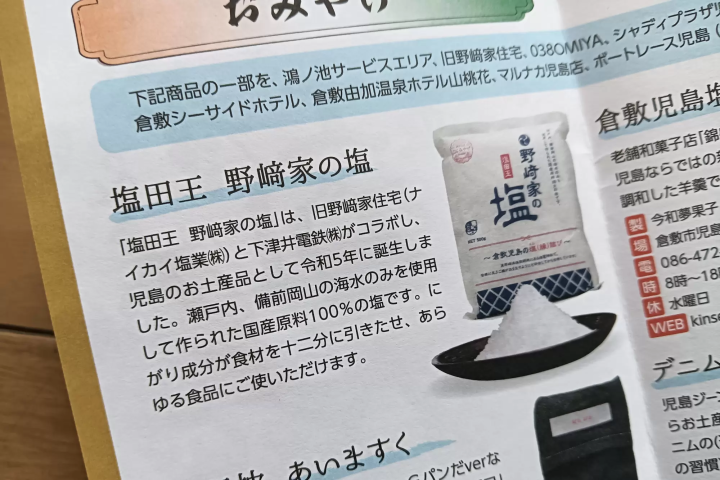
Launched to revitalize the local economy and forge deeper community bonds, this initiative unites regional businesses, tourism boards, and culinary artisans. The unifying thread across participating eateries is deceptively simple yet historically profound: every single bowl of Kojima Shio Ramen must feature premier local salt, specifically Salt King Nozaki Family Salt. Yet, because individual master chefs are given creative freedom over their recipes, the local ramen scene has transformed into a vibrant tasting tour. From golden, delicate seafood broths near JR Kojima Station to hearty, yuzu-kissed pork bone variations and vegetable-packed family-style bowls, Kojima Shio Ramen offers a masterclass in regional gastronomy. As the initiative races toward its fourth year in 2026—highlighted by upcoming celebrations like the "Bitchu Shiozai in Kojima" festival at Mt. Ojigatake—this article explores how historical preservation and modern food culture have converged to create Japan’s most exciting new noodle phenomenon.
Detailed Chronology: From Ancient Salt Fields to the Shio Ramen Boom
To understand the depth of flavor in a bowl of Kojima Shio Ramen, one must first trace the rich, centuries-old history of the soil—and the sea—from which it originates.
The Island of Salt: Ancient Beginnings
Kojima, located in the southern reaches of Kurashiki City, Okayama Prefecture, was not always connected to the mainland. In antiquity, it existed as an isolated island floating serenely in the Seto Inland Sea. This geographical positioning made it an ideal environment for salt extraction, a labor-intensive craft that flourished here for centuries, earning the area renown as the quintessential "town of salt fields." The historical pedigree of Kojima’s salt is undisputed; written records referencing the region’s salt production appear as early as the Nihon Koki, an official imperial historical text compiled at the dawn of the Heian period.
The Rise of the "Salt King" (1789–1864)
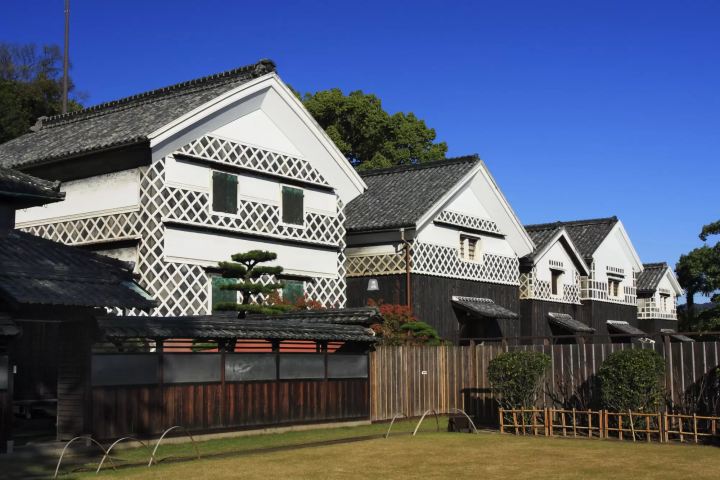
The definitive golden age of Kojima’s salt industry is inextricably linked to the visionary merchant Buzaemon Nozaki. Living through the tumultuous yet culturally rich late Edo period, Nozaki secured official permission from the Okayama Domain in 1827 to dramatically expand salt manufacturing operations. Through sheer ambition and masterclass engineering, he reclaimed vast swaths of land, constructing sprawling salt fields that operated on an unprecedented industrial scale.
So immense was his impact on Japan’s economy and domestic trade that history remembers him as the "Salt King of Japan." Today, the legacy of Buzaemon Nozaki remains impeccably preserved. Visitors and history enthusiasts exploring Kojima can tour The Nozaki Family Historic Residence and the adjacent Nozaki Family Salt Field History Museum, offering a tangible glimpse into the arduous labor, wealth, and unique lifestyle that shaped the region centuries ago.
The Genesis of the Salt Connection Project
Despite its rich historical tapestry, modern Kojima faced a distinct contemporary challenge: a lack of recognizable, highly portable local souvenirs that tourists could easily purchase and gift. Recognizing this gap, the Shimotsui Electric Railway—a vital local transit provider—forwarded a visionary proposal to the Kojima Chamber of Commerce and Industry: “Kojima’s identity is built on salt. Why not leverage this historical asset to revitalize regional tourism?”
This brainstorming session catalyzed the Kurashiki Kojima Enmusubi Project (colloquially known as the Salt Connection Project), designed to weave together people, local enterprises, and community spirit through the medium of salt.
- Year One: Stakeholders focused on product development and souvenirs. Collaborating with The Nozaki Family Historic Residence, Naikai Salt Industry Co., and the Shimotsui Electric Railway, they successfully launched the signature Salt King Nozaki Family Salt. Consultations spanned businesses across Kurashiki, Kojima, and both inside and outside Okayama Prefecture.
- Year Two: Driven by the ambition to draw travelers directly into the district, project organizers conceptualized "Kojima Shio Ramen." This move transitioned salt from a passive retail souvenir into an interactive, experiential tourism draw.
- Year Three: The initiative expanded into large-scale thematic events celebrating local food culture.
- Year Four (2026): The project continues to scale upward, anchored by major regional festivals and an expanding roster of participating dining establishments.
Supporting Context & Metrics: The Shio Ramen Landscape
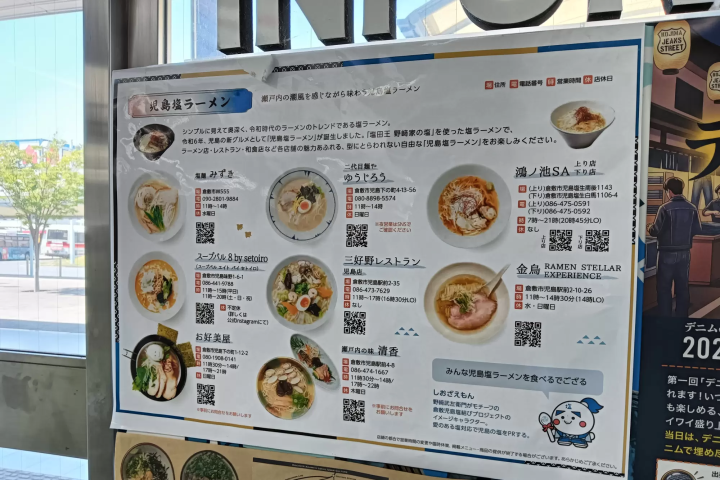
As of September 2026, the Kojima Shio Ramen ecosystem has grown to encompass nine distinct dining establishments, each offering its own interpretation of the regional specialty. While the network continues to expand—backed by welcoming promotional signage at JR Kojima Station—the current culinary lineup features:
- Shiomen Mizuki
- Nidaime Menya Yujiro
- Konoike Service Area (Upbound)
- Konoike Service Area (Downbound)
- Soup Bar 8 by setoiro
- Miyoshi Restaurant Kojima
- Kin’u RAMEN STELLAR EXPERIENCE
- Okonomiya
- Setouchi no Aji Seika
To evaluate how these venues execute the project’s singular mandate—incorporating Salt King Nozaki Family Salt—we examine a cross-section of three standout restaurants visited during our regional tasting tour.
Field Dispatch 1: Kin’u RAMEN STELLAR EXPERIENCE
- Location: Kojima 7th Street (5-minute walk from JR Kojima Station)
- Price: ¥900
- Profile: A Masterclass in Refined Elegance
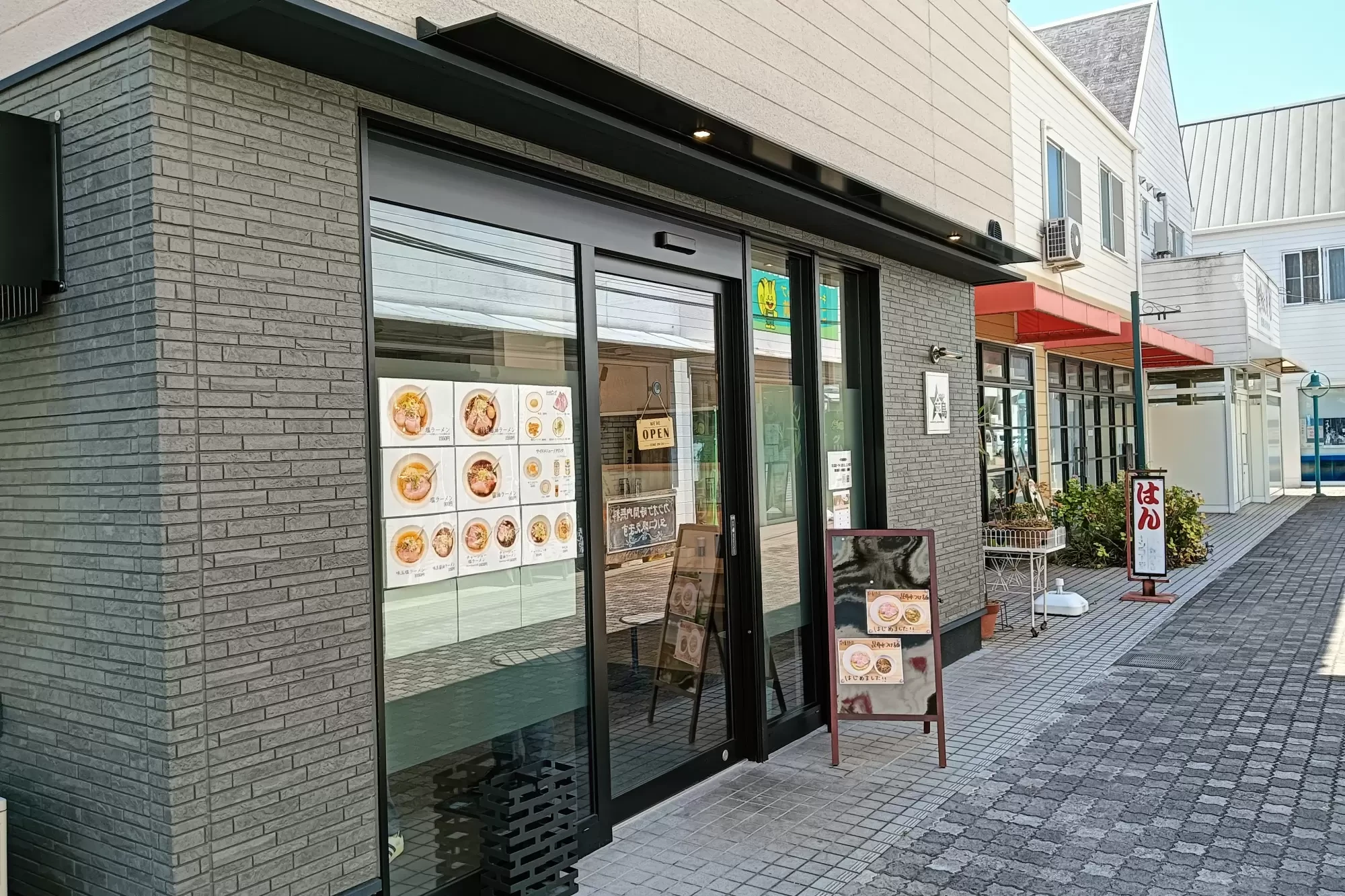
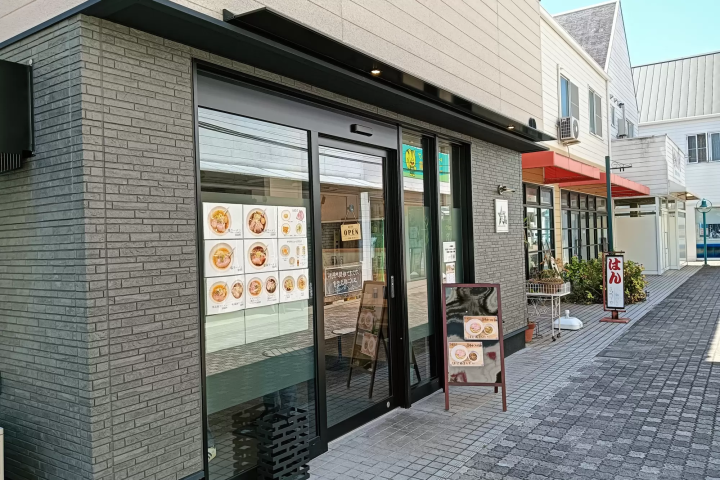
Opening its doors in late October 2025 within the vibrant shopping district near JR Kojima Station, Kin’u RAMEN STELLAR EXPERIENCE serves as the ideal entry point for travelers stepping off the train.
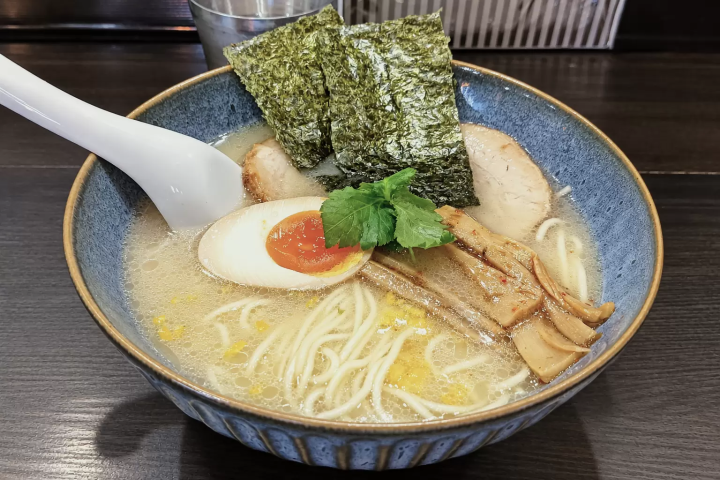
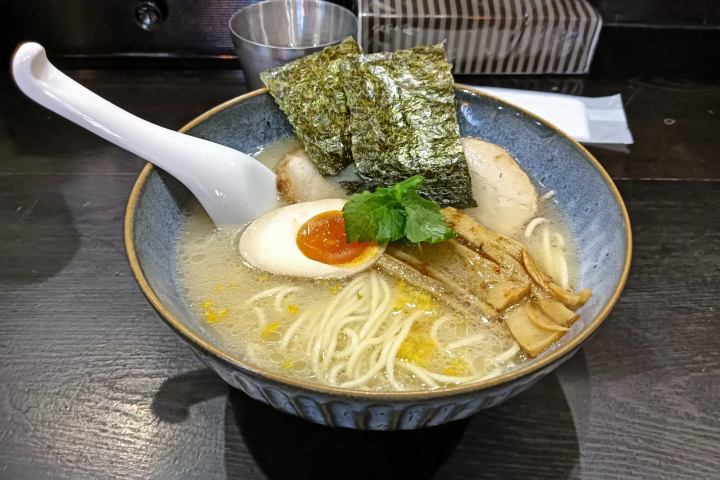
According to official project notes, the establishment prides itself on meticulous culinary craftsmanship. The kitchen produces entirely homemade noodles paired with a crystalline, golden-hued broth. The soup achieves its complex oceanic umami via a delicate blend of bonito flakes, horse mackerel flakes, and high-grade kelp. The foundational salt tare (seasoning sauce) relies entirely on Kojima salt, elevated with subtle notes of Japanese sake, white wine, and white soy sauce.
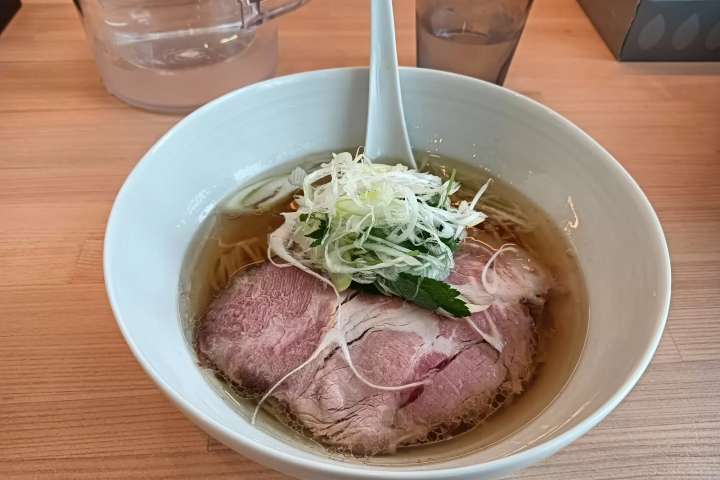
An olive oil-based aromatic oil rounds out the profile, offering a gentle yet robust mouthfeel. The thin, fragrant homemade noodles effortlessly lift the broth, while the protein component features moist, tender roast-pork-style char siu locked in via vacuum low-temperature cooking. Garnished with fresh green onions and aromatic mitsuba (Japanese parsley), the dish effectively cleanses the palate, presenting a light, harmonious bowl that allows the integrity of every individual ingredient to shine.
Field Dispatch 2: Nidaime Menya Yujiro
- Location: Kojima District, Kurashiki City (Accessible by car)
- Price: ¥1,020
- Profile: Sophisticated Umami with Coastal Accents
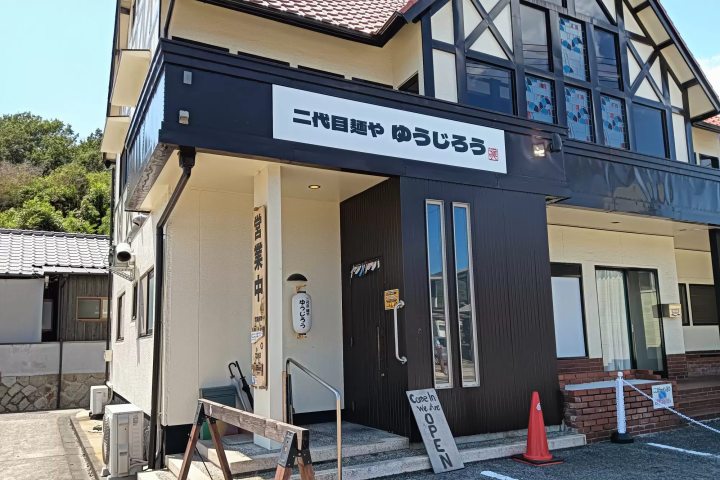
Situated a short drive from the central station, Nidaime Menya Yujiro is renowned locally for its expansive menu of pork bone-based miso ramen. However, its iteration of Kojima Shio Ramen has quickly become a whispered favorite among ramen connoisseurs.
The dish builds upon a rich, deeply savory pork bone broth, which is brilliantly tempered by the sharp, refreshing salinity of Kojima salt. True to regional pride, the bowl incorporates locally sourced Washu nori (seaweed harvested from the nearby fishing port town of Shimotsui) and a dusting of fragrant yuzu peel. Notably, the kitchen intentionally foregoes traditional green onions in favor of mitsuba, ensuring that the botanical aroma does not overpower the delicate salt-based broth. Complete with chicken char siu, tender pork char siu, and a perfectly cooked boiled egg included in the base price, Yujiro delivers a masterclass in balance and textural variety.
Field Dispatch 3: Miyoshino Restaurant Kojima
- Location: 2nd Floor, Tenmaya Happytown Kojima
- Price: ¥980
- Profile: The Three-Generation Family Favorite
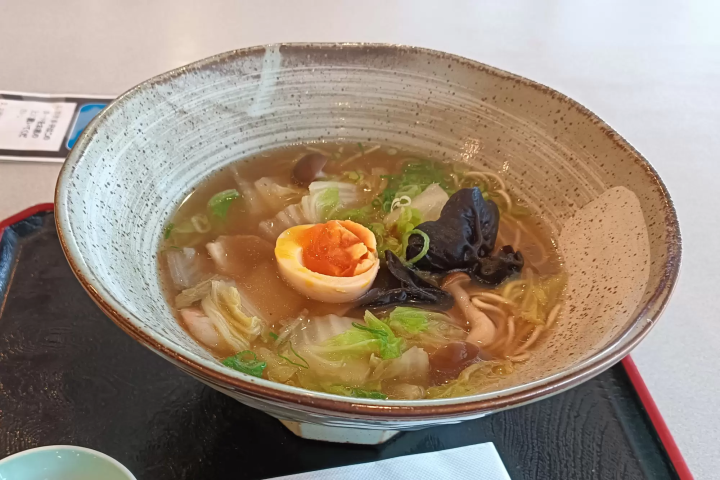
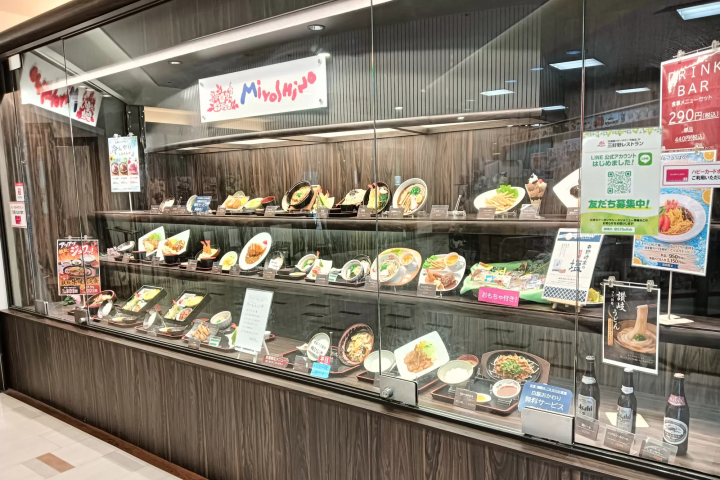
For diners seeking a nostalgic, spacious atmosphere rooted in community traditions, Miyoshino Restaurant Kojima offers a unique spin on the trend. Located inside a beloved local shopping center and historically tied to Okayama’s culinary traditions (including famous regional ekiben like Matsuri-zushi), this family restaurant designed its "Chicken Salt Vegetable Ramen" to appeal across generations.
Heavily laden with fresh vegetables, chicken, shrimp, and a boiled egg, this bowl resembles a traditional tanmen. The broth blends the natural sweetness of seafood and garden-fresh vegetables into a gentle, hearty base that sustains the diner through the very last bite. The inclusion of a side dish of yuzu pepper paste allows diners to dynamically adjust the heat and citrus punch halfway through the meal, proving that local innovation can successfully bridge comfort food with regional pride.
Official Statements & Community Vision
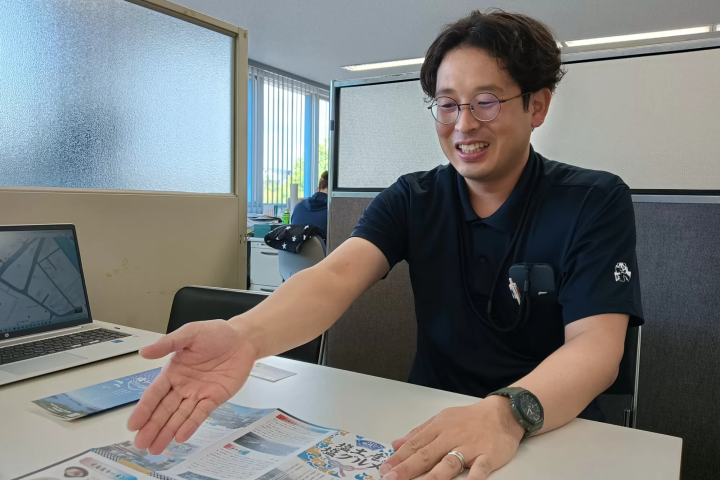
To uncover the strategic framework driving these culinary endeavors, we spoke directly with Tatsuya Komatsubara of the Kojima Chamber of Commerce and Industry.
Reflecting on the origins of the movement, Komatsubara emphasized that the Salt Connection Project was born from both economic necessity and civic imagination. "Kojima historically possessed world-class historical assets, such as the expansive salt fields pioneered by Buzaemon Nozaki, yet we lacked accessible retail touchpoints that visitors could take home," Komatsubara explained.
By pivoting toward a unified branding strategy, the Chamber sought to reverse-engineer tourism engagement. "Our philosophy was simple: start with the retail product, transition to an immersive culinary experience via Kojima Shio Ramen, and anchor it all with community-wide festivals," he noted.
By refusing to enforce a standardized ramen recipe—allowing chefs absolute creative freedom save for the mandatory inclusion of local salt—the project has fostered healthy, creative competition among local restaurateurs. The result is a thriving ecosystem where small-town diners, roadside service areas, and family restaurants alike are all contributing to a unified regional identity.
Future Outlook: The Road to 2026 and Beyond
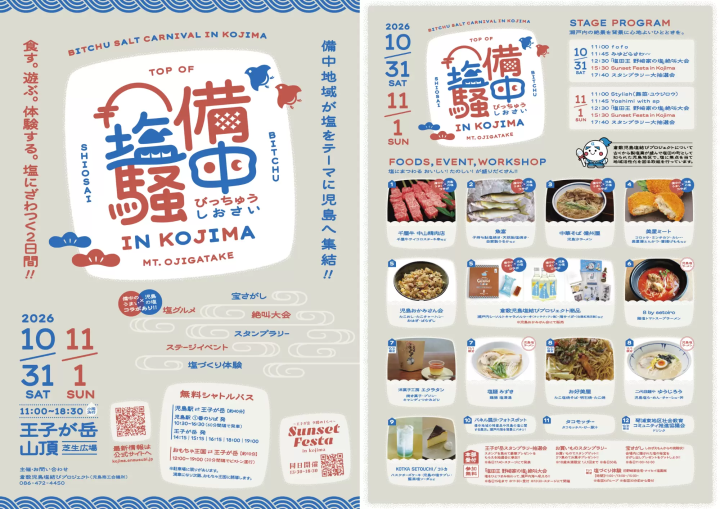
As the Kojima Shio Ramen phenomenon enters its fourth official year in autumn 2026, momentum shows no signs of slowing. The initiative is set to reach a crescendo with the upcoming "Bitchu Shiozai in Kojima" festival, scheduled for Saturday, October 31st, and Sunday, November 1st, 2026.
Hosted against the dramatic backdrop of the grassy summit at Mt. Ojigatake, the festival serves as the flagship showcase for the Shio Musubi Project. Attendees can sample bowls of Kojima Shio Ramen directly from pop-up food stalls alongside collaborative gourmet creations fusing Kojima salt with other regional delicacies from Okayama. The weekend will feature live stage performances, interactive stamp rallies, and family-friendly treasure hunts designed to celebrate the district’s maritime and industrial history.
Beyond the festival grounds, the retail footprint of the project continues to expand. Souvenirs crafted from Salt King Nozaki Family Salt—alongside packaged ramen kits and collaborative goods—are now readily available at the gift corner inside Tenmaya Happytown Kojima and select boutique hotels throughout the district.
For travelers, food historians, and ramen enthusiasts alike, Kojima has successfully transformed its historical white gold into a golden culinary future. Whether you are stepping off the train at JR Kojima Station for a quick bowl of refined seafood broth or scaling Mt. Ojigatake for a festival feast, a steaming bowl of Kojima Shio Ramen offers an unforgettable taste of a town built by the sea.






Belum ada komentar. Jadilah yang pertama berkomentar!