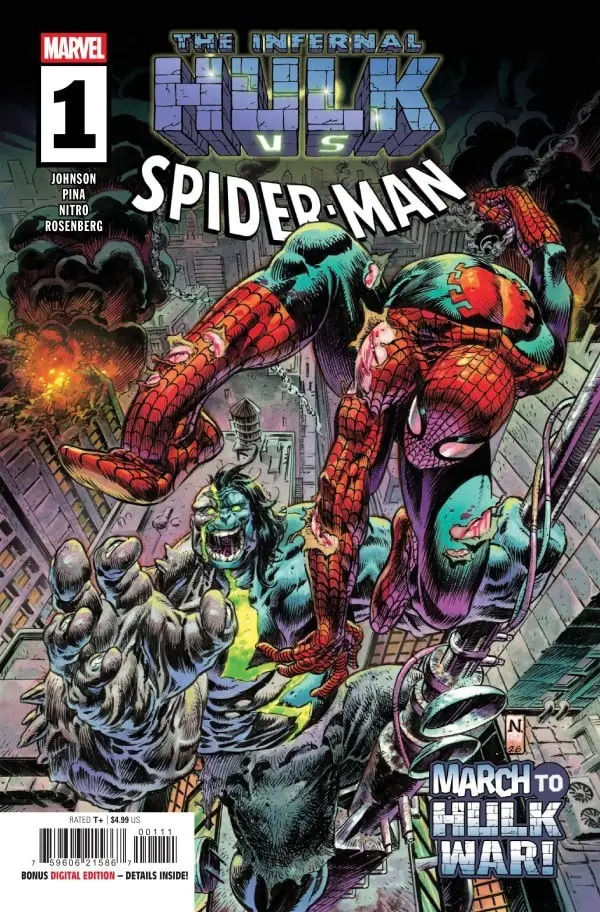
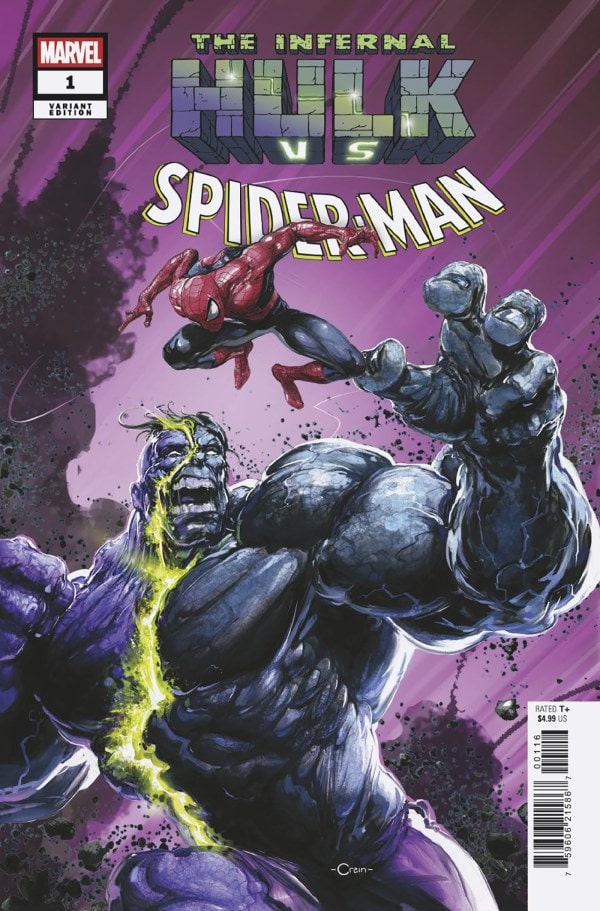
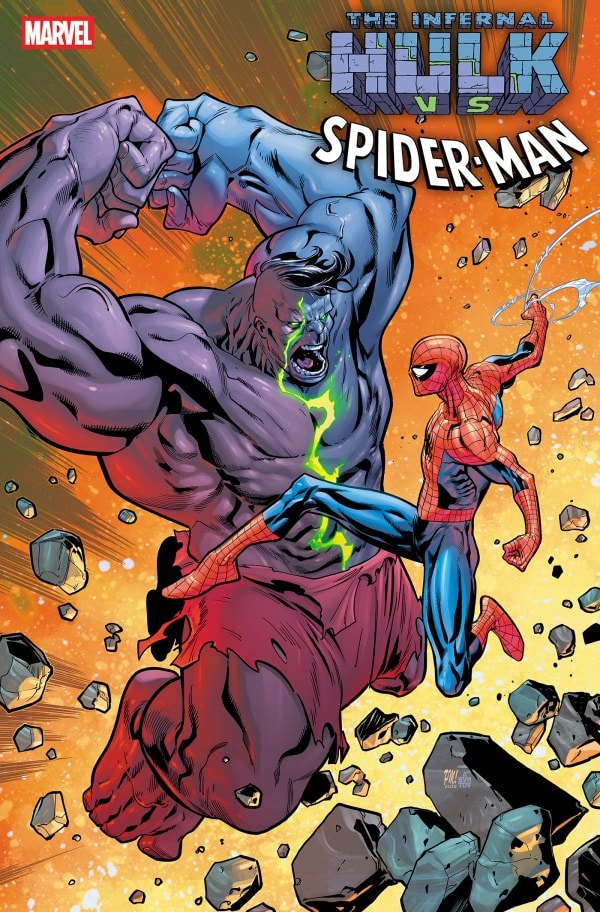
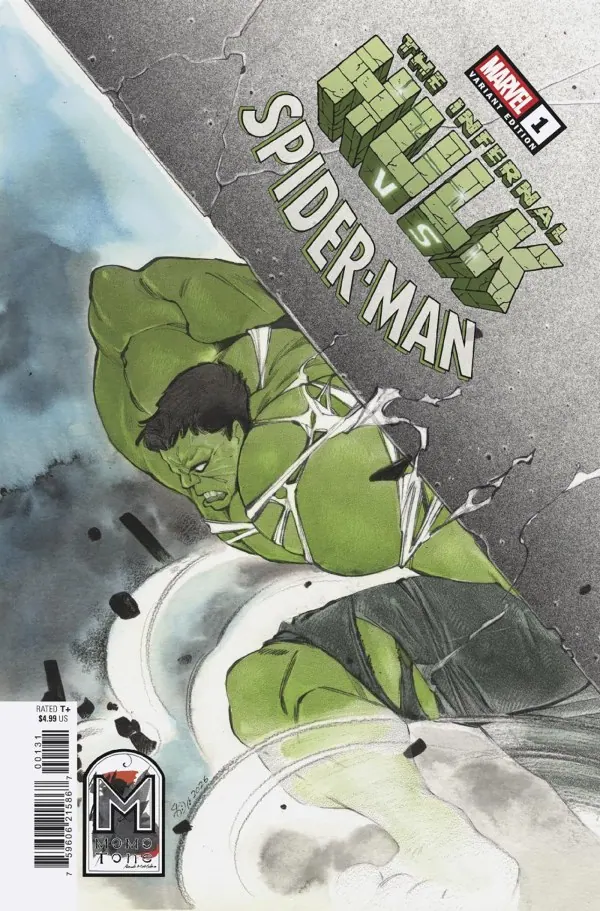
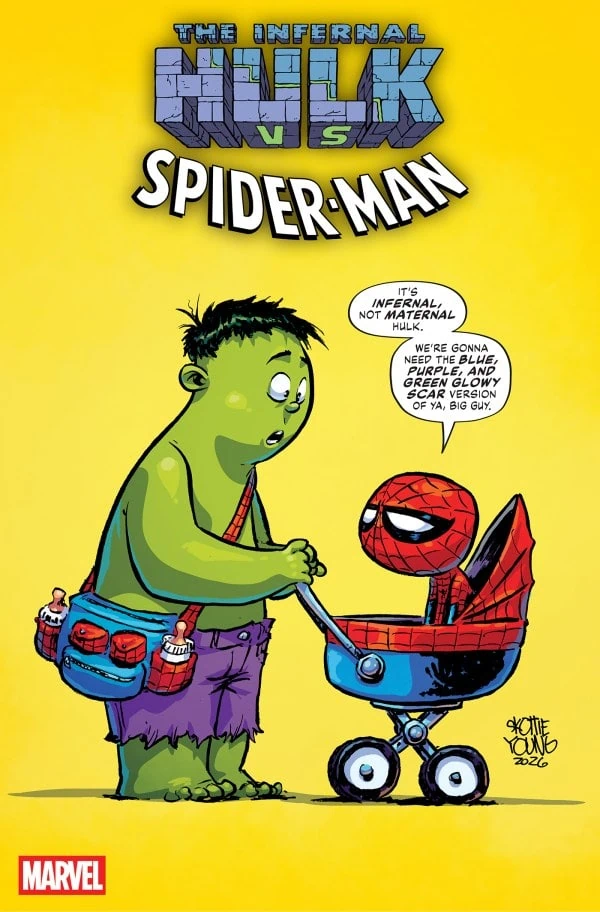
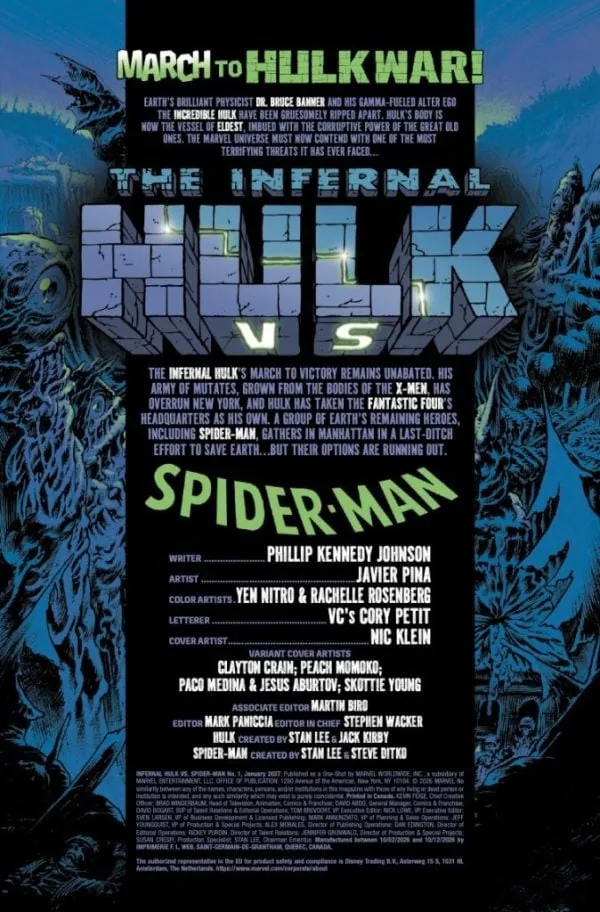
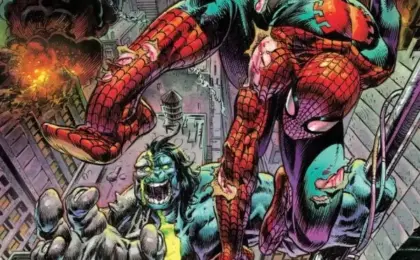
The Marvel Universe stands on the precipice of an unprecedented cataclysm as Marvel Comics unleashes Infernal Hulk vs. Spider-Man #1. Hitting comic book shelves and digital platforms this Wednesday, this penultimate issue serves as a critical linchpin in the relentless, multi-title narrative march toward the impending "Hulk War." The stakes have never been higher for New York City, which currently lies under a devastating, monolithic siege.
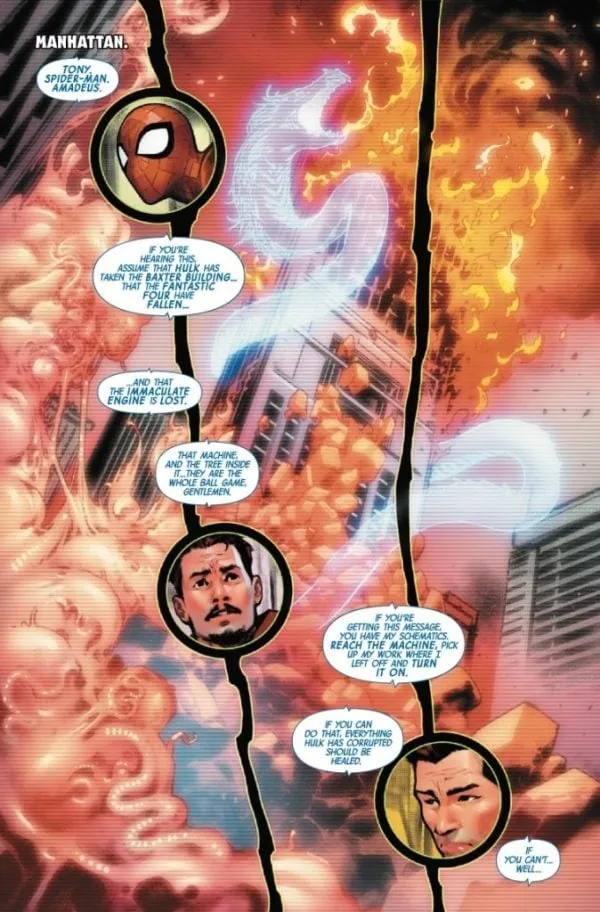
The immediate catalyst for this issue’s harrowing plot is as absolute as it is terrifying: the mighty Fantastic Four and their fortress, the iconic Baxter Building, have fallen completely to the corrupting influence of the Infernal Hulk. With the situation escalating from a localized emergency to an apocalyptic threat, the antagonist’s insidious corruption spreads unchecked through the concrete canyons of Manhattan.
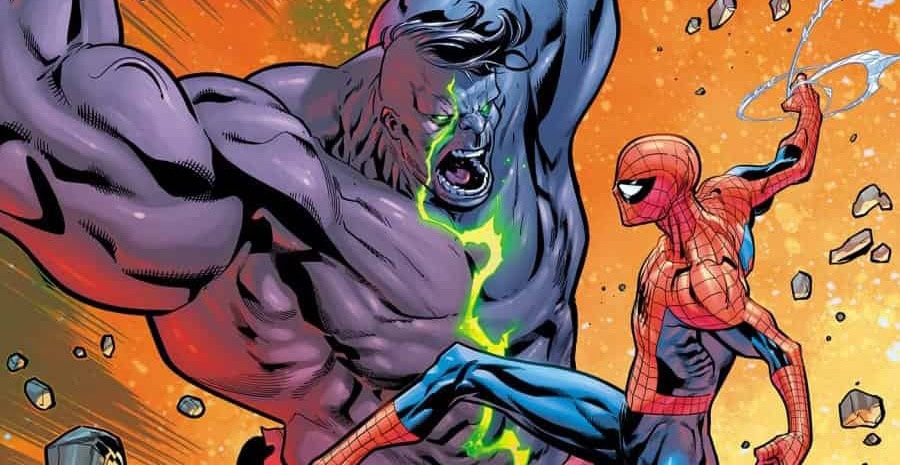
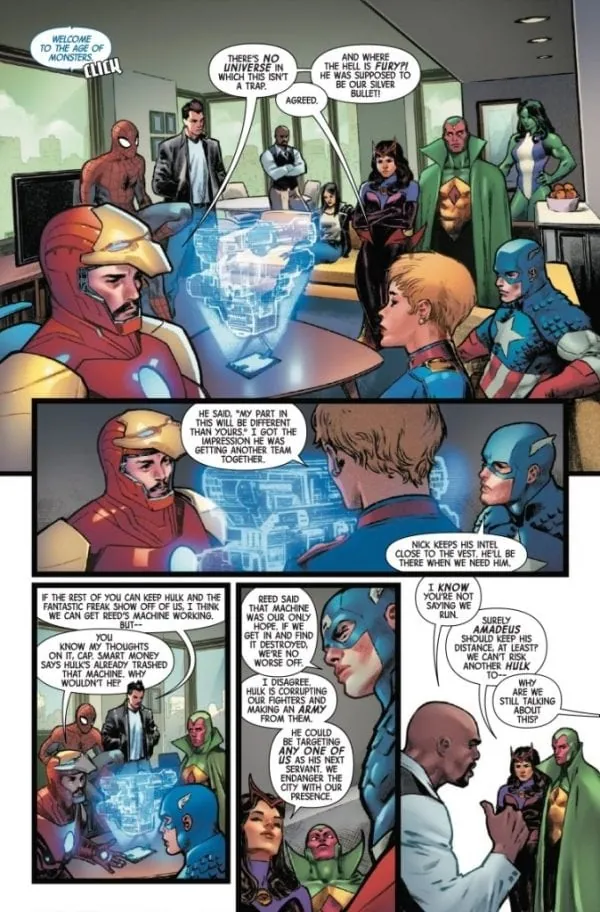
The narrative thrust of this blockbuster issue centers on a desperate, high-risk gambit. When the young Richards children are abducted by the encroaching forces of corruption, Peter Parker—operating as Spider-Man—makes the agonizing decision to deliberately disobey direct orders. Choosing familial loyalty and moral imperative over tactical preservation, the web-slinger embarks on a self-imposed suicide mission. His mission is twofold: rescue the Richards kids at all costs, and secure a mysterious, highly coveted weapon that the Avengers desperately need to stop the Infernal Hulk and avert the looming "Age of Monsters."
As the pieces fall into place for the emergence of the Hulk’s inevitable "Infernal Avengers," this issue promises to be an unmissable, pulse-pounding milestone for fans of both characters and the broader Marvel continuity.
Detailed Chronology of the Siege
To fully understand the gravity of Infernal Hulk vs. Spider-Man #1, one must trace the rapid, catastrophic escalation of events that have brought New York City to its knees. The timeline of this unfolding tragedy reveals a calculated, unstoppable assault on the very foundation of the Marvel Universe’s scientific and superheroic community.
Phase One: The Fall of the Baxter Building
The opening salvos of the conflict did not occur in the shadows; they struck at the heart of the intellectual capital of the superhero community. The Baxter Building—long considered one of the most heavily fortified, technologically advanced structures on Earth—was systematically breached and subjugated by the Infernal Hulk.
Despite the combined cosmic might, intellect, and tactical genius of the Fantastic Four, the sheer, unrelenting corrupted power of the Hulk proved to be an insurmountable obstacle. Reed Richards’ formidable defenses, Sue Storm’s impenetrable force fields, Johnny Storm’s blazing plasma, and Ben Grimm’s bedrock strength were not enough to stem the tide. The fall of the Baxter Building sent shockwaves across the global hero community, signaling that traditional defensive paradigms were entirely obsolete against this new, demonic tier of strength.
Phase Two: The Manhattan Lockdown and the Abduction
With the Baxter Building secured as a staging ground, the Infernal Hulk’s corruption spilled out into the broader expanse of New York City, plunging the metropolis into a state of absolute siege. Emergency services were instantly overwhelmed, and civilian evacuations stalled as supernatural and gamma-irradiated hazards choked the streets.
The psychological breaking point for the hero community arrived when the Infernal Hulk’s forces successfully captured the Richards children—Franklin and Valeria. Possessing immense cosmic and intellectual potential, the children represent both invaluable leverage and existential danger in the wrong hands. Their abduction transformed a regional emergency into a deeply personal crisis for the superhero community, triggering reactive measures that would ultimately fracture allied unity.
Phase Three: Spider-Man’s Rogue Protocol
Faced with inaction from command structures or sidelined by cautious tactical protocols, Peter Parker makes a defining moral choice. Refusing to let the children pay the ultimate price for a war they never asked for, Spider-Man breaks ranks.
The narrative of Infernal Hulk vs. Spider-Man #1 chronicles this dangerous divergence. Operating completely off-book, the wall-crawler infiltrates the corrupted warzone of Manhattan. His objectives are starkly defined:
Infiltration and Extraction: Breach the heavily defended stronghold holding Franklin and Valeria Richards and extract them alive.
The Acquisition: Locate and secure a clandestine weapon identified by Earth’s Mightiest Heroes as the single, necessary component required to halt the Infernal Hulk’s advance.
This suicide mission pushes Spider-Man past his psychological and physical limits, testing whether a human-level hero (augmented by spider-powers) can survive in a playground of corrupted gods and monsters.
Supporting Context & Metrics
The release of Infernal Hulk vs. Spider-Man #1 does not exist in a vacuum; it is a calculated masterstroke within Marvel’s broader editorial strategy for late 2026. Analyzing the metrics, creative lineage, and market positioning of this title highlights its weight within the industry.
Publishing Specifications and Availability
Release Date: November 4th
Retail Price: $4.99
Format: Standard comic book floppy / Digital edition available via Amazon Kindle and ComiXology.
Editorial Oversight: Overseen by Executive Editor Amie Cranswick and the dedicated editorial teams at Marvel Comics, maintaining continuity across the sprawling "March to Hulk War" event tree.
The "March to Hulk War" Initiative Matrix
To appreciate the narrative pressure cooker of this issue, one must evaluate the overarching event metrics currently driving Marvel’s sales:
Event Metric / Component
Description
Current Status
Core Event
Hulk War
Upcoming overarching crossover event
Direct Precursor
Infernal Hulk vs. Spider-Man #1
Penultimate issue, setting up the finale
Primary Antagonist
Infernal Hulk
Active corrupting agent, controlling Manhattan
Major Casualties (So Far)
The Baxter Building & Fantastic Four
Defeated and subjugated
Key Objectives
Richards Children / The Ultimate Weapon
Subject of Spider-Man’s suicide mission
The synergy between these components illustrates Marvel’s strategy of utilizing character-driven miniseries to flesh out the macro-conflict of the upcoming war. By focusing the lens on a classic dynamic—the street-level, morally driven Spider-Man pitted against an apocalyptic, corrupted powerhouse—the creative team delivers high-stakes drama that resonates with long-time readers and casual fans alike.
Official Statements and Creative Insights
While Marvel Comics maintains tight security regarding the final twists of the "March to Hulk War," promotional materials and editorial notes shed light on the creative intent powering Infernal Hulk vs. Spider-Man #1.
The official logline released by Marvel’s editorial division sets a grim, uncompromising tone:
"THE MARCH TO HULK WAR CONTINUES AS INFERNAL HULK CORRUPTS ALL IN HIS PATH! The FANTASTIC FOUR and the BAXTER BUILDING have fallen to INFERNAL HULK, and NEW YORK is under siege! When the RICHARDS KIDS are taken too, SPIDER-MAN disobeys orders and goes on a suicide mission to save them at all costs… and to get the AVENGERS the weapon they need to stop Infernal Hulk and prevent the AGE OF MONSTERS. Hulk’s inevitable INFERNAL AVENGERS come one step closer to fruition in this unmissable penultimate issue!"
Industry analysts note that the phrasing "Infernal Avengers" points toward a terrifying thematic evolution. If the Hulk succeeds in corrupting Earth’s mightiest heroes to match his own dark metamorphosis, the remaining uninfected resistance will face an unwinnable war.
Executive commentary emphasizes that Spider-Man’s inclusion in this narrative arc is designed to highlight vulnerability against overwhelming cosmic dread. Unlike heavy-hitters who can trade blows on a planetary scale, Spider-Man relies on agility, intellect, and indomitable willpower—qualities that will be tested to their absolute breaking point as he navigates a Manhattan transformed into a house of horrors.
Future Outlook: The Road to the "Age of Monsters"
As Infernal Hulk vs. Spider-Man #1 arrives on November 4th, it sets off a ticking clock for the entire Marvel Universe. Serving as the penultimate chapter in this specific narrative funnel, the issue is engineered to leave readers on a precipice of uncertainty.
What Lies Ahead for the Marvel Universe?
The Fate of the Richards Children: Will Spider-Man’s unauthorized rescue mission succeed, or will Franklin and Valeria become permanent fixtures of the Infernal Hulk’s corrupted regime? The psychological toll on Reed and Sue Storm hangs in the balance.
The Mysterious Weapon: The exact nature of the weapon sought by the Avengers remains shrouded in mystery. Its revelation in this issue—or the tragic failure to secure it—will dictate whether Earth has a fighting chance in the upcoming Hulk War.
The Rise of the Infernal Avengers: With the corruption spreading exponentially, the threat of corrupted iterations of Captain America, Iron Man, Thor, and other icons looms large. The seeds planted in this issue will undoubtedly bloom into full-scale nightmares in the months ahead.
For comic book collectors, digital pull-list subscribers, and continuity purists alike, Infernal Hulk vs. Spider-Man #1 is positioned as a mandatory acquisition. As New York burns and the line between hero and monster blurs, Peter Parker’s gamble may be the final, desperate spark of light before the dawn of the Age of Monsters.








Belum ada komentar. Jadilah yang pertama berkomentar!