Nestled in the lush, pine-scented highlands of Nagano Prefecture, Karuizawa has long served as an elite alpine sanctuary for Tokyo’s discerning urbanites, foreign diplomats, and literary figures alike. At the very historical heart of this resort town lies the vibrant 750-meter promenade known as Old Karuizawa Ginza Street. For decades, this pedestrian thoroughfare has functioned as the symbolic anchor of the region, seamlessly blending deep-rooted Meiji-era history with modern artisanal craftsmanship.
Stepping off the Hokuriku Shinkansen at Karuizawa Station, travelers are immediately greeted by a noticeable shift in atmospheric pressure and temperature—a crisp, high-altitude alpine breeze that invigorates the senses and sharpens the appetite. Most visitors make Old Karuizawa Ginza Street their inaugural port of call, drawn by the irresistible promise of historic bakeries, family-run jam purveyors, and innovative modern street food.
This comprehensive report provides an authoritative, deep-dive itinerary into the finest culinary stops, artisanal souvenir boutiques, and historic eateries surrounding Old Karuizawa Ginza Street and the station area. Whether you are searching for award-winning preserves crafted from Shinshu’s legendary agricultural bounty, legendary pastries that once captivated international icons like John Lennon, or ultra-fresh organic gelato, this guide illuminates the essential stops for any serious gastronomic traveler exploring Japan’s premier mountain escape.
Detailed Chronology: The Evolution of Karuizawa’s Food Culture
To truly appreciate the culinary landscape of Old Karuizawa Ginza Street, one must examine its historical trajectory—a fascinating timeline of cross-cultural exchange, agricultural adaptation, and entrepreneurial resilience.
1. The Meiji Awakening and Western Influence (Late 19th Century)
Karuizawa’s modern identity was forged in the late 19th century, most notably when Canadian Anglican missionary Alexander Croft Shaw visited the area in 1886. Captivated by its striking resemblance to his Canadian homeland—complete with rolling hills, cool summers, and dense pine forests—he built the first foreign summer villa here. Soon, other Western missionaries, diplomats, and academics followed, transforming the quiet post town along the historic Nakasendo trail into an international summer retreat. This influx of foreign residents introduced Western baking techniques, dairy farming, and fruit preservation methods to local villagers, laying the foundation for Karuizawa’s distinct culinary hybridity.
2. Post-War Resurgence and the Birth of Iconic Shops (1945–1960s)
Following the disruptions of World War II, Karuizawa experienced a dramatic cultural and economic renaissance. Recognizing the area’s rich agricultural potential in soft fruits—such as apples, grapes, and wild blueberries—local entrepreneurs began establishing specialized businesses along the main promenade.
1948:JAM KOBAYASHI began its commercial evolution from a humble local greengrocer into an esteemed specialty jam shop, capturing the essence of Shinshu agriculture in glass jars. Simultaneously, Mikado Coffee opened its doors, introducing Showa-era coffee culture to mountain vacationers.
1951:French Bakery was founded, eventually becoming a quiet sanctuary for international luminaries, most famously rock legend John Lennon, who vacationed in Karuizawa with his family during the 1970s and frequented the bakery daily for traditional baguettes.
3. The Modern Artisanal Era (1990s–Present)
In recent decades, Old Karuizawa Ginza Street has transitioned from a traditional domestic resort market into a sophisticated epicurean hub. While legacy institutions continue to thrive, a new wave of artisans—focusing on additive-free processing, farm-to-table traceability, and avant-garde flavor pairings (such as Damask rose gelato and artisanal Bagna Cauda dips)—has revitalized the commercial landscape. Today, the street balances deep historical reverence with cutting-edge culinary innovation, making it a dynamic destination for contemporary food tourists.
The gastronomic allure of Old Karuizawa Ginza Street cannot be separated from the broader geographical and agricultural metrics of Nagano Prefecture (historically known as Shinshu). Situated in a landlocked basin surrounded by some of Japan’s highest mountain ranges—including the Japanese Alps—Nagano possesses a unique microclimate defined by:
High Diurnal Temperature Variation: The significant swing between warm daytime sunlight and cool nighttime temperatures causes fruits and vegetables to concentrate their natural sugars, resulting in exceptional sweetness and rich flavor profiles.
Pristine Mountain Watersheds: Runoff from snowmelt filters through mineral-rich volcanic rock layers, supplying the region with exceptionally pure water essential for cultivating high-grade wheat, brewing world-class coffee, and producing immaculate dairy products.
Agricultural Yields: Nagano consistently ranks among Japan’s top producers of apples, grapes, and stone fruits, providing local merchants along Ginza Street with an unmatched, hyper-localized supply chain.
Culinary Highlights & Curated Stops Along Old Karuizawa Ginza Street
1. FINE: Artisanal Fruit Jams and Savory Dips
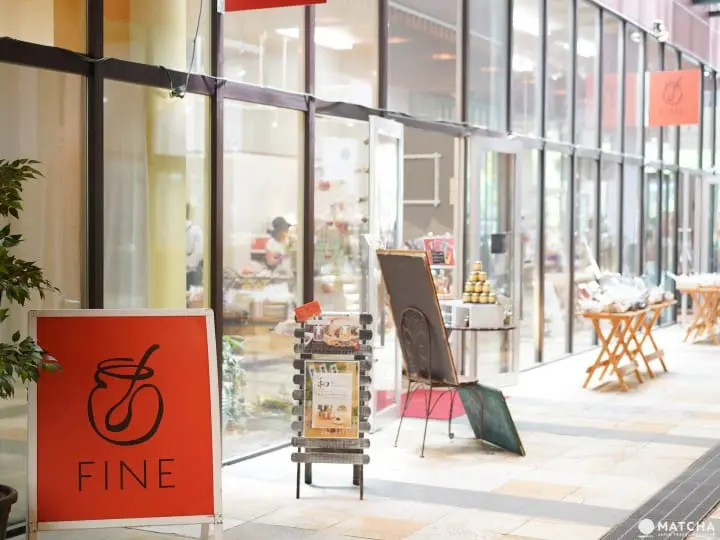
Located within the Church Street Shopping Mall directly along the main promenade, FINE is an essential stop for lovers of natural, additive-free preserves. Capitalizing on Nagano’s agricultural abundance, the shop is internationally famous for its "Shinshu Marugoto Kajitsu" (Whole Shinshu Fruit) series, which encompasses over 30 varieties of fruit preserves. Crucially, the store encourages complete transparency through comprehensive in-store tasting samples.
Editor’s Pick — FINE House-Made Bagna Cauda Dip (860 JPY, tax included): Moving beyond sweets, this savory Italian-style dip blends garlic, high-grade olive oil, and anchovies. It transforms fresh crudités, green salads, and pasta into gourmet experiences, and pairs exceptionally well with crusty baguettes.
Shinshu Marugoto Kajitsu Megumi Blueberry Jam (740 JPY before tax): Unlike mass-produced jams, this artisanal variant preserves the tactile, plump texture of whole blueberries. The recipe is intentionally minimalist: premium Shinshu blueberries, beet sugar, and fresh lemon juice, resulting in a delicate, fruit-forward sweetness.
FINE Karuizawa Address: 1F Church Street Karuizawa, 601-1 Karuizawa, Kitasaku, Nagano Hours: 10:00 – 19:00
2. JAM KOBAYASHI: A Historic Greengrocer Turned Jam Specialist
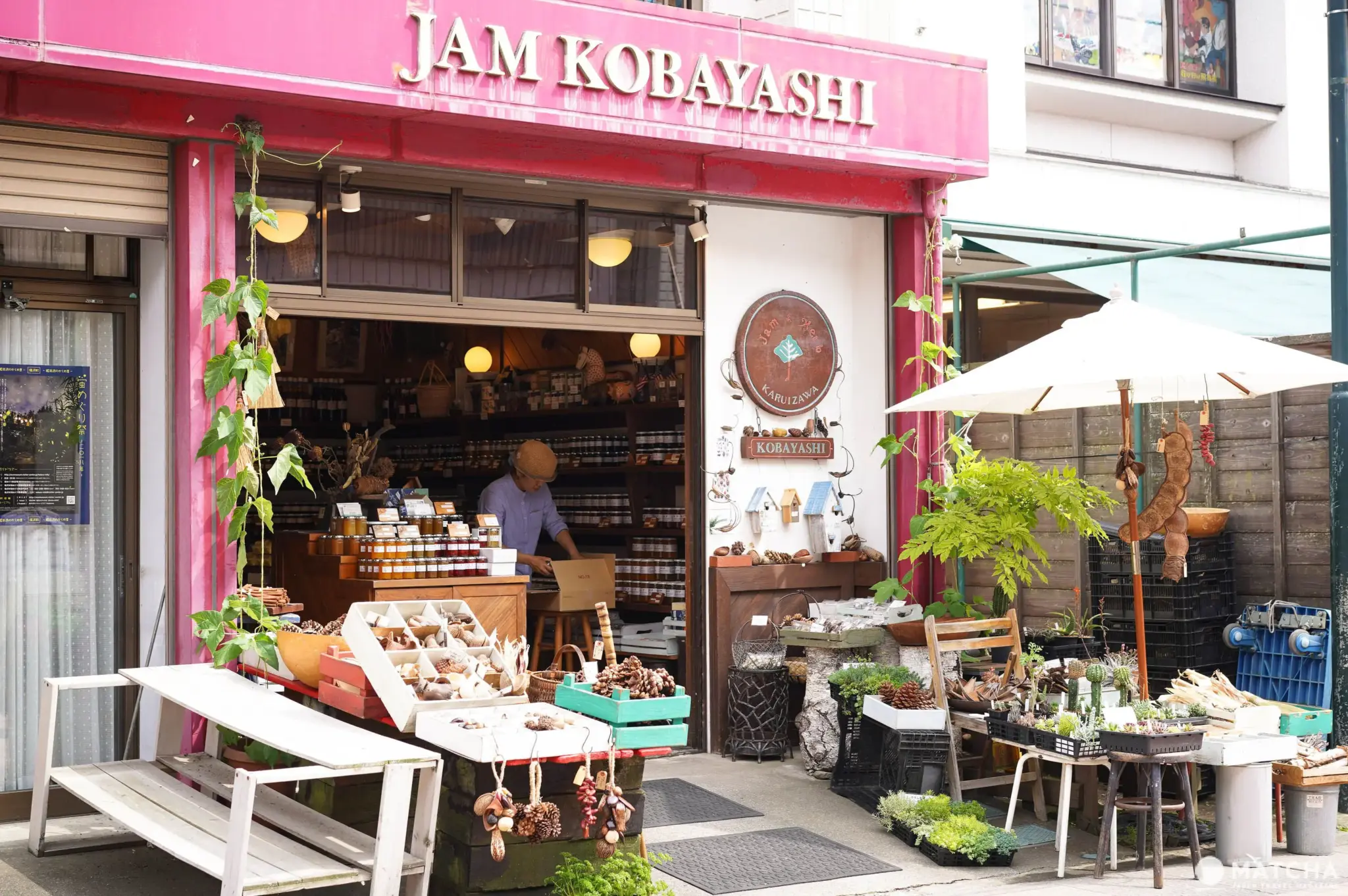
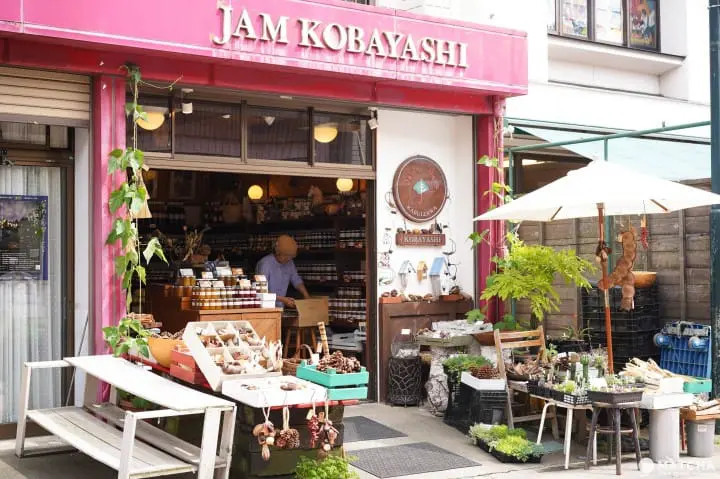
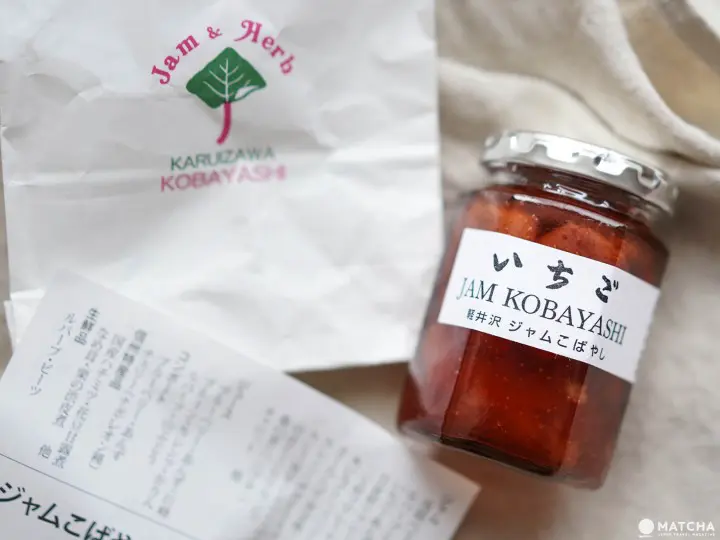
Operating continuously since 1949, JAM KOBAYASHI bridges the gap between historical heritage and modern net-idolized snack culture. Its rustic, diminutive storefront—spillover-loaded with dried fruits and charming retro miscellaneous goods—demands a photographic pause from passersby.
Signature Strawberry Jam (500 JPY before tax): Packed visibly with whole, intact strawberries suspended in a shimmering ruby syrup, this jam elevates simple morning toast, yogurt bowls, or pancakes into decadent morning rituals.
JAM KOBAYASHI Address: 710 Karuizawa, Karuizawa, Kitasaku, Nagano Hours: 10:00 – 18:00 (Closed Wednesdays and Thursdays)
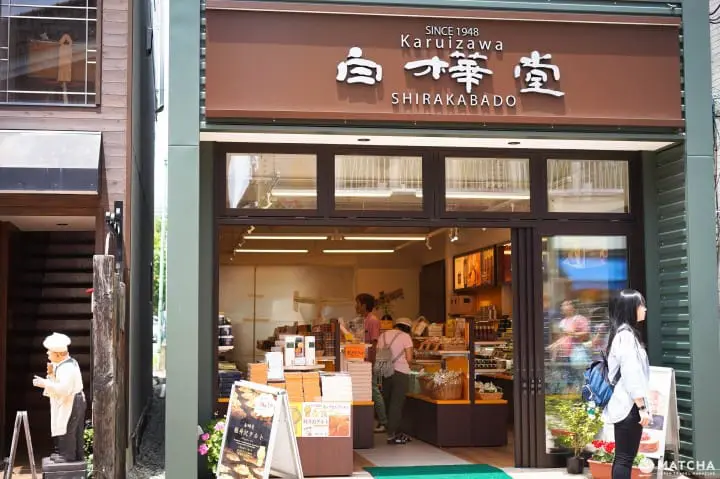
3. Shirakabado: The Legendary Karuizawa Tart
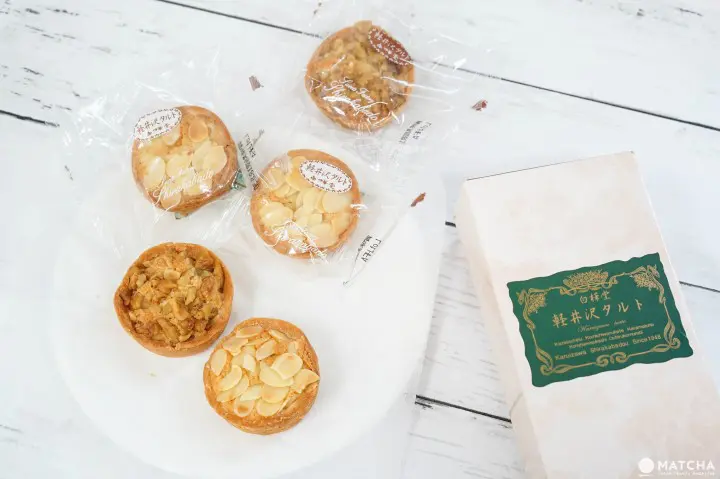
While renowned for various local confections, Shirakabado’s undisputed crown jewel is the Karuizawa Tart—a culinary creation prestigious enough to be selected as an official in-flight snack for Japan Airlines (JAL).
Product Overview: Individually packaged for maximum freshness and portability, these palm-sized tarts feature a masterclass in texture: a structurally crisp outer crust enveloping a tender, buttery cake filling. Available in dual-flavor boxes highlighting crunchy walnuts or sliced almonds, they provide an ideal accompaniment to afternoon tea.
Shirakabado Former Karuizawa Ginza Main Store Address: 605 Karuizawa, Karuizawa Town, Kitasaku District, Nagano Prefecture
4. Coriss Karuizawa: Curated Japanese Lifestyle Goods
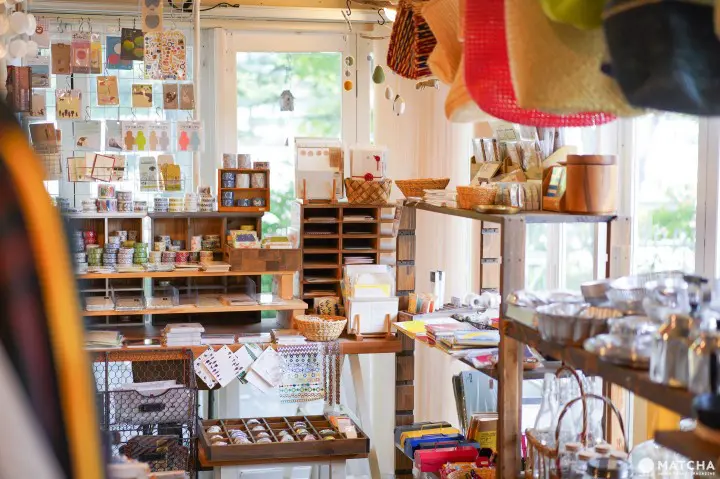
For travelers wishing to balance their gastronomic pursuits with material appreciation, Coriss offers a sophisticated sanctuary. Positioned just off the main drag, this lifestyle and apparel boutique curates exceptional, 100% Japanese-made clothing, handcrafted kitchenware, and daily zakka (miscellaneous goods) sourced from across the archipelago. It is a dangerous stop for tableware enthusiasts and design aficionados alike.
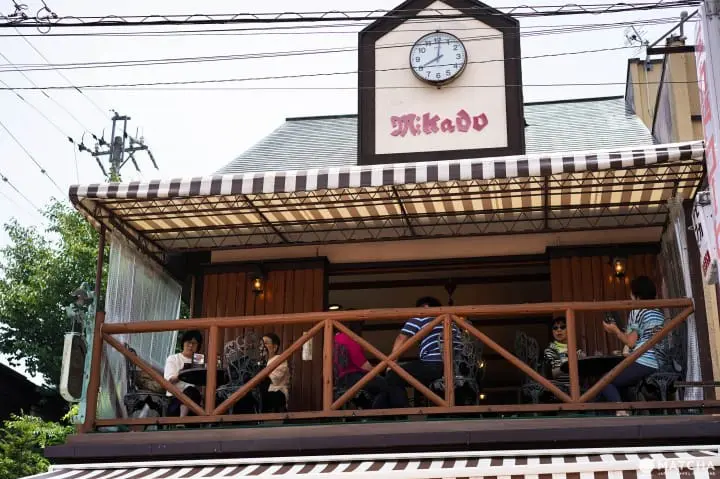
5. MIKADO Coffee: Showa-Era Heritage and Mocha Soft Serve
Established in 1948, MIKADO Coffee is a historic institution celebrated for its perfectly acid-balanced brews.
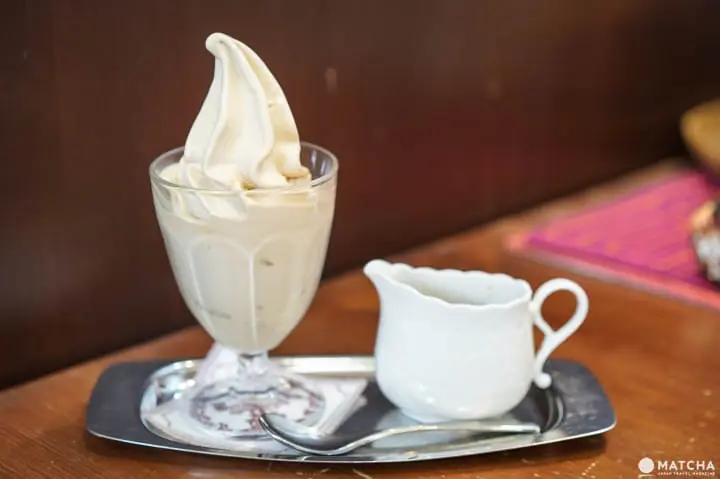
The Legendary Mocha Soft Serve & Mocha Express: Available as a standalone treat or as an affogato-style "Mocha Express" (where a shot of rich, bitter espresso is poured over smooth, decadent coffee soft-serve), this dessert delivers a sophisticated adult flavor profile that cuts through summer heat. Additionally, their illustrated drip coffee sets make exceptional, lightweight non-perishable souvenirs.
Mikado Coffee Karuizawa Old Road Store Address: 786-2 Karuizawa, Karuizawa Town, Kitasaku District, Nagano Prefecture
Handcrafted fresh every morning, Libisco Gelato prioritizes absolute ingredient integrity. By eliminating eggs entirely and using minimal cane sugar, the gelateria allows the true voice of its raw materials to shine.
Flavors & Highlights: The rotating menu spans fresh raw milk, dark raw chocolate, cream cheese, white pumpkin, and single-origin matcha. Particularly noteworthy is the Damask Rose gelato (500 JPY), infused with authentic petals imported from Cyprus, offering a transcendent, delicately floral and sophisticated palate cleanser.
Operating since 1951, French Bakery stands near the northern terminus of Old Karuizawa Ginza Street. Emblazoned with commemorative memorabilia of its most famous patron, John Lennon—who made visiting this bakery a daily ritual during his family’s summer getaways—the shop honors traditional French and Japanese-Western baking traditions.
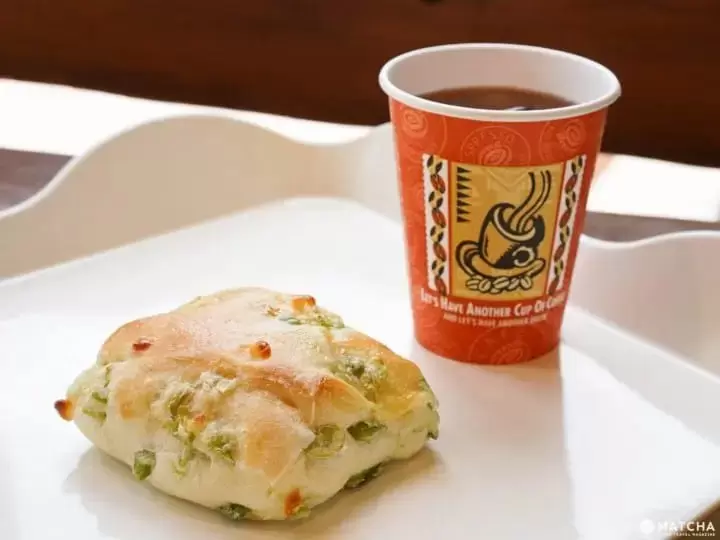
Must-Try: Beyond their famous French baguettes and nostalgic yakisoba breads, the unassuming edamame bread offers a soft, pillowy crumb paired with a subtle, savory salinity that lingers pleasantly on the palate.
French Bakery Address: 618 Kyu-Karuizawa, Karuizawa, Karuizawa-machi, Kitasaku-gun, Nagano Prefecture Hours: 8:00 – 17:00 (Closed Tuesday through Friday)
8. Vegibier: Hearty Gourmet Sandwiches Near the Station
For travelers seeking a substantial, protein-rich meal before boarding the Shinkansen home, Vegibier near Karuizawa Station offers a welcome reprieve from lighter street snacks.
Signature Fare: Specializing in innovative dishes utilizing Hokkaido venison and vibrant local produce, the shop also caters to traditional palates with items like their chicken ham sandwich. Stuffed with crisp lettuce, house-stewed ratatouille, and exceptionally tender chicken ham inside chewy, artisanal toast, it represents farm-to-table comfort food at its finest.
Local municipal bodies and tourism boards have increasingly emphasized sustainable gastronomy and heritage preservation as core pillars of Karuizawa’s economic strategy. In a recent regional tourism symposium, municipal representatives underscored the critical balance between accommodating millions of annual visitors and preserving the quiet, architectural dignity of the historic district.
"Karuizawa’s enduring appeal lies not merely in its natural beauty, but in the living heritage preserved by multi-generational shopkeepers," notes the Karuizawa Tourism Association. "When a visitor purchases a jar of artisanal blueberry jam from a shop operating since the post-war era, or tastes a pastry baked according to recipes perfected over half a century ago, they are actively participating in the cultural continuity of this mountain community. Our objective is to safeguard these intimate, high-quality culinary experiences against over-commercialization while welcoming global explorers to share in our agricultural wealth."
Furthermore, agricultural cooperatives within Nagano Prefecture have reported a 15% year-on-year increase in direct-to-consumer artisanal product sales, driven largely by domestic and international culinary tourists seeking traceable, additive-free foodstuffs.
Future Outlook: The Next Chapter for Karuizawa’s Culinary Scene
As global tourism patterns shift toward experiential, slow-travel itineraries, Old Karuizawa Ginza Street is uniquely positioned for sustainable growth. Future developments within the district are projected to focus on several key pillars:
Enhanced Traceability and Sustainability: Younger generations of shop owners are increasingly adopting zero-waste packaging, partnering exclusively with certified organic Shinshu farmers, and implementing solar-powered infrastructure to reduce the carbon footprint of historic storefronts.
Digital Integration for International Visitors: To bridge language barriers and enhance the tasting experience, many boutique jam shops and bakeries are rolling out multi-lingual digital menu guides, NFC-enabled historical walking tours, and international shipping services for heavy glass preserves.
Year-Round Destination Engineering: While historically viewed as a summer and autumn escape, concerted efforts are underway to market Karuizawa as a premier winter gastronomy destination—pairing crisp snowscapes with warm, hearty alpine fare like steaming stews, artisanal hot chocolates, and winter-harvest fruit preserves.
Conclusion
Though Old Karuizawa Ginza Street spans a modest 750 meters, its intricate side alleys and historic storefronts contain a universe of flavor, history, and craftsmanship. Whether traversed in a brisk one-hour cycling excursion or savored over an unhurried weekend, the culinary topography of Karuizawa offers an unforgettable masterclass in Japanese mountain hospitality.















Belum ada komentar. Jadilah yang pertama berkomentar!