

Executive Overview
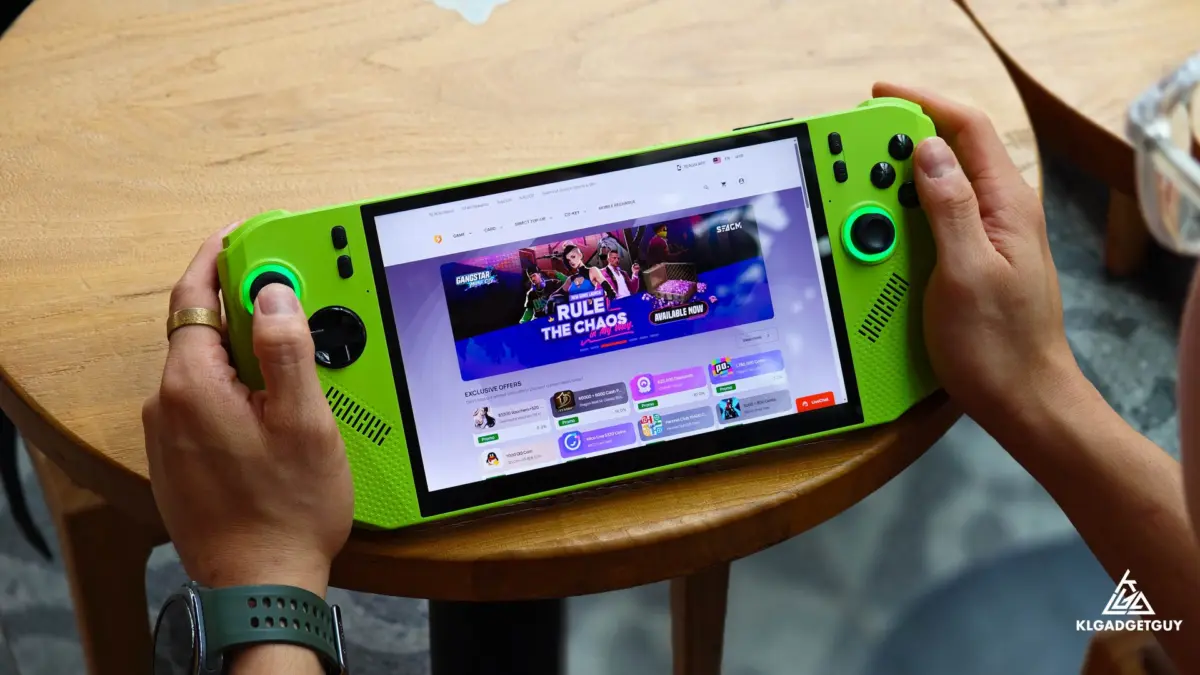
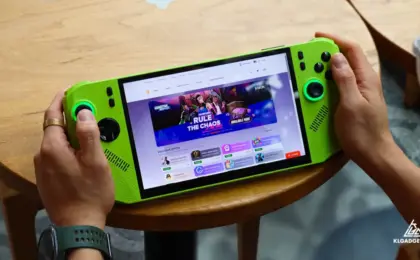
Unboxing a brand-new gaming device—whether it is a high-performance gaming laptop, a cutting-edge portable handheld, a flagship smartphone, or a next-generation home console—remains one of the most exhilarating experiences in modern technology. The initial setup phase, characterized by sleek boot animations, system updates, and profile configurations, quickly gives way to the primary objective: installing favorite titles and diving straight into the action.
However, modern gaming hardware represents only half of the complete entertainment equation. Once the physical console or PC is operational, users invariably confront the ongoing reality of the digital economy. Players require specialized game licenses, seasonal battle passes, subscription extensions, downloadable content (DLC), and, increasingly, a steady stream of in-game currencies to unlock core features and cosmetic enhancements.
Historically, satisfying these requirements necessitated managing a fractured landscape of disparate storefronts, localized payment gateways, and platform-exclusive wallets. Gamers jumping between a PC for Steam titles, a smartphone for competitive mobile multiplayer games, and a console for living room blockbusters were forced to maintain multiple accounts, navigate separate checkout procedures, and repeatedly expose sensitive financial credentials across various networks.
Enter SEAGM (Sea Gamer Mall), a globally recognized digital marketplace engineered to consolidate these fragmented experiences. By acting as a centralized, highly secure nexus for thousands of gaming products—ranging from Steam Wallet credits and PlayStation Network (PSN) cards to direct top-ups for titles like Mobile Legends: Bang Bang and PUBG Mobile—SEAGM addresses the inherent friction of the modern digital marketplace. This article provides a comprehensive examination of how platform convergence, alternative payment integrations, and cross-device gaming habits are redefining the way players fund and manage their digital entertainment ecosystems.
Detailed Chronology: The Evolution of Digital Gaming Commerce
To understand the value proposition of centralized digital marketplaces like SEAGM, one must analyze the chronological evolution of how video game content has been bought, sold, and delivered over the past three decades.
Era 1: The Physical Dominance (Pre-2010s)
For decades, the video game industry operated almost exclusively on physical media. Gamers purchased cartridges, optical discs (CDs, DVDs, Blu-rays), and printed instruction manuals from brick-and-mortar retail stores. Transactions were straightforward: cash or credit card was exchanged for a physical box containing the software.
Simultaneously, digital distribution was in its infancy. While early pioneers like Steam launched in 2003, broadband limitations meant that physical retail remained king. Expansion packs and supplementary content required subsequent trips to the store or mail-order expansion disks.
Era 2: The Fragmentation of Digital Storefronts (2010–2018)
As global internet infrastructure matured and broadband speeds increased, the industry underwent a seismic shift toward digital distribution. Valve’s Steam revolutionized PC gaming, turning a simple patch client into a sprawling global marketplace. Soon, competitors rushed to capture market share, leading to the proliferation of dedicated, closed-ecosystem storefronts:
- Console Ecosystems: Sony established the PlayStation Store, Microsoft launched Xbox Marketplace (later Xbox Games Store), and Nintendo introduced the Nintendo eShop.
- PC Launchers: Electronic Arts introduced Origin (now EA App), Ubisoft launched Uplay (now Ubisoft Connect), Epic Games established the Epic Games Store, and CD Projekt Red launched GOG.
- Mobile Stores: Apple’s App Store and Google Play cemented duopolistic control over smartphone gaming economies.
While this shift liberated players from physical media clutter, it introduced a new challenge: digital fragmentation. Gamers could no longer rely on a single vendor or wallet. Maintaining active balances across five to ten distinct platforms became standard practice, creating accounting headaches and administrative friction.
Era 3: The Rise of Live-Service Ecosystems and Microtransactions (2018–Present)
The contemporary gaming landscape is defined heavily by free-to-play, live-service titles. Games like PUBG Mobile, Genshin Impact, Mobile Legends, and Fortnite operate on continuous update cycles supported by microtransactions and premium in-game currencies.
Simultaneously, subscription services such as Xbox Game Pass, PlayStation Plus, and Nintendo Switch Online have altered how players consume software. In this hyper-connected environment, the frequency of transactions has skyrocketed. Gamers no longer buy just two or three full-priced games a year; they make dozens of micro-purchases, seasonal top-ups, and subscription renewals.
It is within this third era that platforms like SEAGM have evolved from niche regional code-resellers into sophisticated, globally trusted financial and digital clearinghouses. By bridging the gaps between closed ecosystems, platforms like SEAGM provide a much-needed layer of convenience, security, and accessibility.
Supporting Context & Metrics: Why Gamers Shift Away from Direct Purchasing
While purchasing digital goods directly from primary storefronts (such as Steam, Sony, or Apple) remains the default path for many, a confluence of socioeconomic, regional, and security factors has driven millions of users toward third-party digital marketplaces.
1. Payment Method Limitations and Financial Inclusion
Not all gamers possess internationally recognized credit cards or standard banking accounts linked to digital visa/mastercard networks. In many emerging markets across Southeast Asia, Latin America, and parts of Eastern Europe, digital commerce relies heavily on alternative payment rails:
- E-Wallets: Regional solutions like Touch ‘n Go, GrabPay, GCash, DANA, and KakaoPay.
- Over-the-Counter Cash Payments: Convenience store cash settlement models (e.g., 7-Eleven, FamilyMart).
- Carrier Billing: Direct deductions from mobile phone prepaid or postpaid balances.
Primary platform storefronts often support only a narrow band of traditional payment instruments. SEAGM bridges this gap by integrating hundreds of localized payment methods, allowing gamers to use the financial tools most accessible and native to their daily lives.
2. Cybersecurity and Credit Card Exposure
Data privacy remains a paramount concern for internet consumers. Linking a primary credit card to multiple gaming accounts—some of which may be accessed by younger family members or shared across devices—increases the surface area for potential security breaches or unauthorized transactions.
By utilizing prepaid gift cards, digital wallet codes (such as Steam Wallet vouchers or Nintendo eShop cards), or isolated top-up platforms, users can maintain strict budgetary control. Parents, in particular, favor this prepaid model, as it eliminates the risk of children running up unexpected bills on linked master credit cards.
3. Currency Restrictions and Regional Pricing Parity
Cross-border digital commerce is notoriously complicated by regional locking, currency conversion fees, and fluctuating exchange rates. SEAGM provides a consolidated environment where users can source region-verified digital keys, redeemable codes, and currency top-ups tailored to their specific localized account registrations, mitigating the friction of international currency barriers.
Official Insights & Platform Utility
To fully appreciate the utility of a multi-platform digital hub, one must examine how different demographics within the gaming community interact with services like SEAGM.
Cross-Platform Versatility
Modern players rarely restrict themselves to a single piece of hardware. A typical gamer’s daily routine might involve:
- Competing in a quick match of Mobile Legends: Bang Bang or PUBG Mobile on a smartphone during a morning commute.
- Playing an indie masterpiece on a portable handheld console like the Steam Deck or Nintendo Switch during a lunch break.
- Engaging in a high-fidelity AAA multiplayer session on a high-end gaming PC or a PlayStation 5 console in the evening.
Managing the digital upkeep of this multi-device lifestyle across separate platforms can be tedious. SEAGM addresses this by housing products for PC, console, and mobile ecosystems under a single roof. Instead of maintaining active tabs for five different publisher stores, users can secure all necessary digital tokens, game cards, and subscriptions in a single checkout session.
+------------------------------------------------------------------+
|                     SEAGM Unified Hub                            |
+------------------+-------------------+---------------------------+
|   PC Ecosystem   | Console Ecosystem |     Mobile Ecosystem      |
+------------------+-------------------+---------------------------+
| - Steam Wallet   | - PlayStation Net | - Mobile Legends Diamonds |
| - Epic Games     | - Nintendo eShop  | - PUBG Mobile UC          |
| - Xbox PC Pass   | - Xbox Live Gold  | - Direct Game Top-ups     |
+------------------+-------------------+---------------------------+
Promotional Campaigns and Value Optimization
Beyond mere convenience, digital marketplaces frequently introduce distinct promotional advantages. Platforms like SEAGM routinely offer seasonal discounts, loyalty rewards programs, and coupon centers that allow price-conscious consumers to stretch their gaming budgets further. For regular spenders, these supplementary savings compound over time, making third-party platforms a financially strategic destination for digital shopping.
Future Outlook: The Next Decade of Digital Game Distribution
As the video game industry continues its aggressive march toward a fully digital, cloud-enabled future, the role of platforms like SEAGM is poised to expand even further. Several macro-trends will shape this evolution over the coming decade:
1. The Expansion of Cloud Gaming and Subscription Models
With cloud gaming services—such as Xbox Cloud Gaming, GeForce NOW, and Amazon Luna—gaining traction, the requirement for physical hardware is gradually diminishing. As players stream games directly to smart TVs, tablets, and lightweight laptops, the reliance on digital subscription time cards, service extensions, and cloud-gaming currency will surge. Marketplaces optimized for instant code delivery will serve as the financial backbone for these fluid, hardware-agnostic ecosystems.
2. Increased Integration of Web3 and Decentralized Micro-Economies
While blockchain and NFT gaming have experienced volatile adoption curves, virtual asset ownership within metaverse and live-service titles remains a multi-billion-dollar market. As game publishers introduce more complex internal economies, the demand for secure, frictionless third-party asset and currency exchanges will necessitate higher standards of transactional security and regulatory compliance—areas where established digital platforms are investing heavily.
3. Heightened Regulatory Scrutiny and Consumer Protection
As digital commerce faces stricter global regulatory frameworks regarding consumer rights, cross-border data protection, and transparent pricing, platforms operating in this space must prioritize robust compliance measures. Verified user authentication, instant customer support resolution, and transparent product categorization will become baseline requirements for survival in the digital retail sector.
Conclusion
Hardware innovation moves at a breathtaking pace. Each year brings thinner, more powerful gaming laptops, more responsive mobile processors, and more immersive home consoles. Yet, regardless of how advanced a piece of hardware may be, it remains fundamentally inert without software, content, and the digital fuel required to power it.
SEAGM does not seek to replace foundational storefronts like Steam, the PlayStation Network, or official mobile app stores. Instead, it serves as a vital, highly convenient bridge—a specialized gateway that simplifies how players acquire credits, gift cards, and direct top-ups across a fractured technological landscape.
For gamers navigating a multi-device lifestyle who value security, payment flexibility, and centralized convenience, bookmarking a comprehensive digital hub like SEAGM is a practical step toward a more streamlined gaming experience.
To explore available digital products, seasonal promotions, and global top-up options, visit the official SEAGM Portal.




Belum ada komentar. Jadilah yang pertama berkomentar!