

Executive Overview
For decades, international film preservation has focused heavily on canonical masterpieces, leaving the wild, untamed territories of Japanese fringe cinema largely relegated to the shadows of VHS bootlegs and low-resolution digital rips. However, boutique physical media distributors have increasingly stepped forward to rescue these cinematic outlaws from obscurity.
Among the most aggressive and daring champions of this movement is Eureka Entertainment, which has once again shaken the foundations of home video with its latest limited-edition box set: Cruel Tales of the Bohachi.
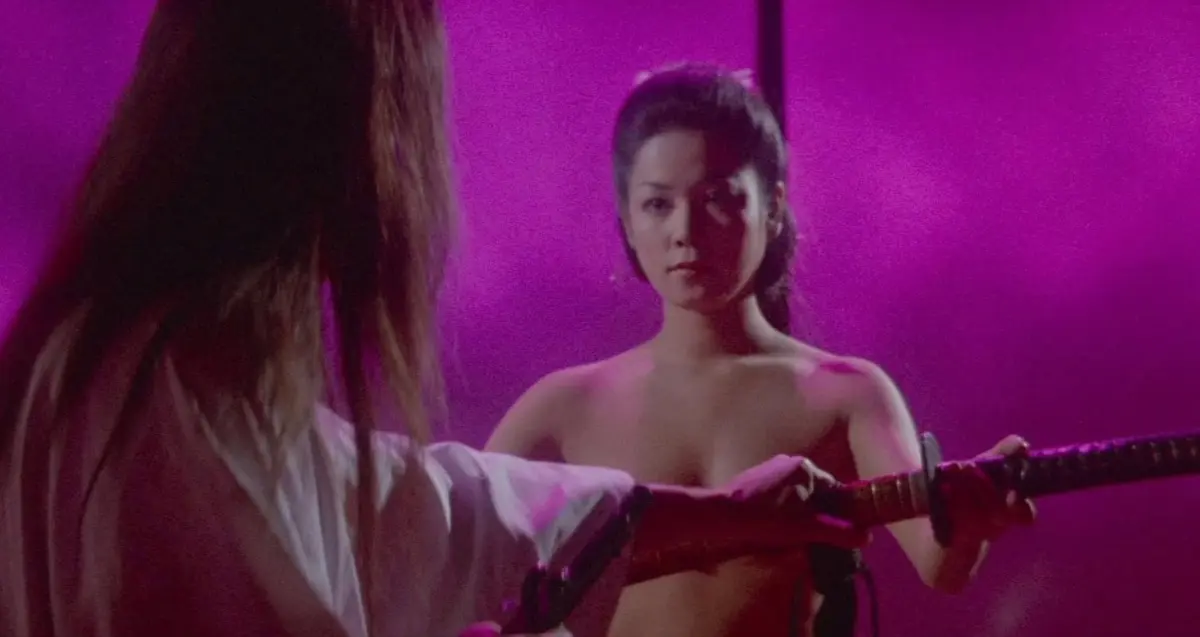
Curated for cinephiles with an appetite for the transgressive, this release throws open the vault doors to the early 1970s ero guro jidaigeki movement—a subgenre of period samurai films heavily injected with graphic eroticism, nihilistic violence, and unbridled counter-cultural defiance. Frequently categorized under the umbrella of Japanese grindhouse or pinky violence cinema, these works push the boundaries of conventional narrative filmmaking.
The set anchors itself around two specific cult classics:
- Teruo Ishii’s Code of the Forgotten Eight (1973)
- Takashi Harada’s The Villain (1974)
Presented across a hybrid 4K UHD and standard Blu-ray release—limited strictly to 2,000 copies worldwide—this package represents more than just a home video release; it is a masterclass in contextual film archiving. Featuring star turns from legendary Japanese screen icons such as Tetsurō Tamba and Gorō Ibuki, alongside a formidable supporting cast featuring Reiko Ike, Bin Amatsu, and Takashi Ebata, the set offers a comprehensive, albeit deeply unsettling, window into a bygone era of Japanese cinematic rebellion.

This review examines the historical lineage, thematic weight, technical merits, and comprehensive bonus features packed into Eureka’s definitive physical release.
Detailed Chronology and Film Analysis
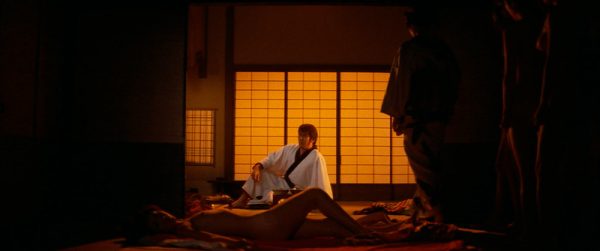
Code of the Forgotten Eight (1973): The Apex of Ero Guro Samurai Cinema
Directed by Teruo Ishii—a titan of Japanese exploitation cinema renowned for his fearless experimentation—Code of the Forgotten Eight (1973) stands as the crown jewel of the Bohachi subgenre. The film derives its thematic foundation from the iconic manga creators Kazuo Koike and Goseki Kojima, best known globally for their monumental work on Lone Wolf and Cub.
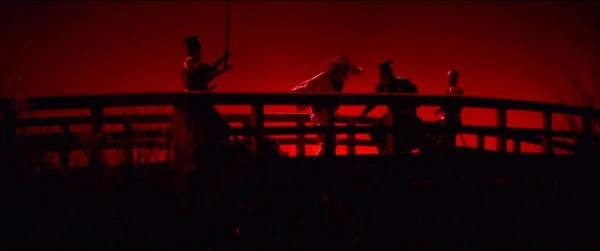
The narrative introduces audiences to Shino, played with a weathered, world-weary stoicism by Tetsurō Tamba. Shino is a samurai who has fundamentally exhausted his will to live. In the film’s breathtaking opening sequence, he dispatches a wave of anonymous assassins on a bridge, framed starkly against a blood-red sky—a masterclass in visual composition that immediately establishes the film’s artistic ambitions. Rather than reveling in his survival, Shino deliberately casts himself into a rushing river to embrace death.
Instead of drowning, however, he is pulled from the water by the Bohachi clan.
The Bohachi operate under a strict, corrupted inversion of traditional martial honor. Their existence is governed by a code that actively mandates the violation of eight distinct moral strictures, creating an internal society built entirely on institutionalized sadism, vice, and corruption. Initially, Shino fails the brutal initiation tests and faces summary banishment. Yet, the clan’s chief recognizes the utility of a hardened warrior and overrules the decision, employing Shino to eradicate local, low-tier prostitution rings in the surrounding area. The ultimate goal? To clear the board so the Bohachi can monopolize and control the region’s sex trade.
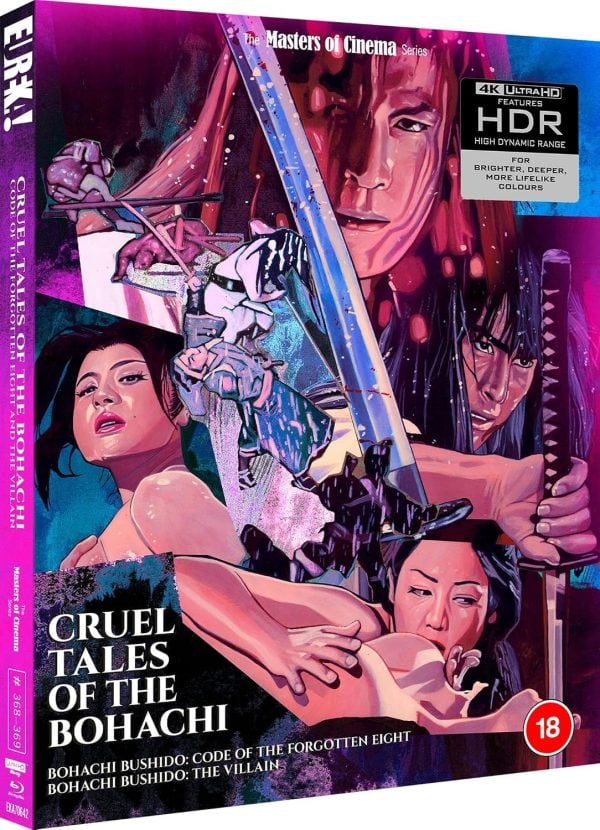
Shino accepts the mission out of total apathy toward his own survival. However, as the campaign unfolds, it becomes increasingly apparent that the Bohachi clan has played a deeper, more manipulative hand, setting the stage for a tragic, blood-soaked reckoning.
Performance and Directorial Mastery
What elevates Code of the Forgotten Eight above typical grindhouse fare is its refusal to rely solely on exploitation tactics. While the film is saturated with graphic violence and uninhibited nudity, Ishii directs with an undeniable sense of classical rhythm and visual elegance. The fight choreography is crisp, purposeful, and executed with lethal efficiency.
Tetsurō Tamba delivers a performance that anchors the chaos. His deadpan, immovable seriousness makes him look as though he wandered out of a high-budget Akira Kurosawa epic and straight into a neon-lit chamber of horrors. Yet, this stylistic dissonance works brilliantly. Tamba’s philosophical weariness contrasts sharply against the chaotic, hedonistic energy of the clan members and the exploitation performers surrounding him.
The Villain (1974): The Spiritual Successor
Released a year later in 1974, The Villain (directed by Takashi Harada) functions as a loose spiritual sequel or structural remake of its predecessor. While direct narrative continuity is absent, the thematic DNA remains identical.
Gorō Ibuki—who appeared in Code of the Forgotten Eight in a different role—takes center stage as Kyushi-Issho, another battle-hardened ronin harboring a profound death wish. When a violent turf war erupts between the Bohachi clan and a rival faction over lucrative sex-trafficking operations, Kyushi-Issho is hired as a blunt instrument to swing the balance of power.
A Steeper Descent into Sleaze
While The Villain delivers a generous helping of samurai action and unadulterated grindhouse sleaze, it suffers when measured against Ishii’s preceding film. Harada’s direction lacks the visual panache and stylistic grace that Ishii brought to Code of the Forgotten Eight.
The fight choreography feels less inventive, the cinematography is flatter, and the overarching production values register as a step down. Furthermore, the film leans into a much nastier, more mean-spirited tone. It lacks the dark, subversive sense of humor that kept Code of the Forgotten Eight engaging even during its most absurd moments.
Despite these shortcomings, The Villain remains an entertaining curio for hardcore genre enthusiasts. It functions effectively as a case study in how exploitation studios attempted to franchise successful formulas, even if the creative spark occasionally burned dimmer on the second pass.
Supporting Context & Metrics: The Anatomy of the Box Set
To fully appreciate Eureka Entertainment’s release, one must examine the physical media metrics and the cultural context of the films themselves.
| Metric / Feature | Code of the Forgotten Eight (1973) | The Villain (1974) |
|---|---|---|
| Director | Teruo Ishii | Takashi Harada |
| Lead Actor | Tetsurō Tamba | Gorō Ibuki |
| Source Material | Original Concept / Kazuo Koike & Goseki Kojima themes | Independent Production / Bohachi formula |
| Format Inclusion | 4K UHD & Standard Blu-ray | Standard Blu-ray |
| Visual Quality | Exceptional color saturation; crisp restoration | Standard definition-era preservation feel |
| Tone | Stylized, philosophical, darkly comedic grindhouse | Mean-spirited, sleazy, generic genre exercise |
| Critical Rating (Flickering Myth) | Film: 3/5 | Movie: 4/5 | Film: 2/5 | Movie: 3/5 |
Dissecting the Physical Release and Packaging
The packaging strategy deployed by Eureka caters directly to serious physical media collectors. Limited strictly to 2,000 numbered copies worldwide, the set bridges high-end restoration technology with deep-dive archival supplementals.
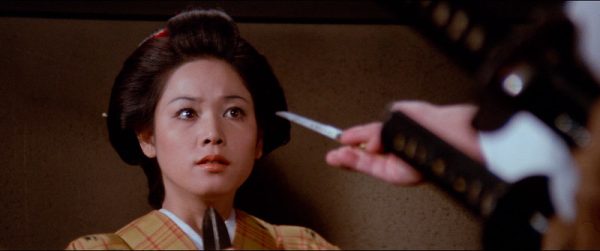
- Format Strategy: Code of the Forgotten Eight is presented on a stunning 4K UHD disc, while both films share space on a complementary standard Blu-ray format. Review metrics indicate that even standard high-definition presentations of Code of the Forgotten Eight boast vibrant color grading, making the 4K upgrade a transformative experience for color reproduction, shadow detail, and film grain preservation.
- Bonus Features & Supplements:
- Audio Commentaries: Dedicated tracks accompanying both features, offering granular historical and technical analysis.
- Video Essay: An insightful piece by Japanese cinema expert Joe Hickinbottom, contextualizing the broader Bohachi Bushido cinematic universe.
- Director Insights: A rare interview with Tetsuo: The Iron Man director Shinya Tsukamoto, discussing the profound influence and working methods of Teruo Ishii.
- Archival Interivews: Contributions from actress Yuriko Hishimi alongside audio conversations with Japanese filmmakers J-Taro Sugisaki and Takao Nakano.
- Collector’s Booklet: A professionally bound companion book featuring comprehensive new scholarship on the Bohachi films penned by academic author Jennifer Coates.
Official Statements and Industry Reception
While major trade publications rarely cover the extreme fringes of 1970s Japanese exploitation cinema, specialized film critics and physical media journalists have rallied behind Eureka’s release as a watershed moment for niche curation.
Reviewing the package for Flickering Myth, critic Chris Ward emphasized the indispensable nature of the set for genre novices and veterans alike:
"If you are unfamiliar with the style, then this set is the perfect place to start as it gives you all the touchstones in two fairly tight and concise movies… These are (mostly) fun insights into a genre that doesn’t get a lot of coverage outside of Asian cinema specialists."
Industry analysts note that releases of this caliber underscore a fundamental shift in home video distribution. Rather than relying on mass-market appeal, boutique labels are thriving by catering to highly dedicated micro-communities. By packaging obscure, culturally transgressive texts with academic essays and comprehensive video essays, companies like Eureka elevate exploitation cinema from cheap trash to recognized, studied pieces of pop-culture history.
Future Outlook: The Resurgence of Grindhouse Preservation
The release of Cruel Tales of the Bohachi signals a broader, highly encouraging trend in global film archiving. For decades, subgenres like ero guro and pinky violence faced systemic neglect, threatened by deteriorating master prints, shifting cultural attitudes, and the sheer logistical difficulty of licensing exploitation titles across international borders.
However, as physical media transitions increasingly into a collector-driven boutique market, labels are discovering a passionate, global audience willing to invest in pristine restorations of taboo cinema. The success of limited runs—such as this 2,000-copy allocation—proves that demand for transgressive international cinema remains robust.
Looking forward, preservationists hope that the critical and commercial success of sets like Cruel Tales of the Bohachi will pave the way for deeper dives into the filmographies of Teruo Ishii, Norifumi Suzuki, and other pioneers of Japanese counter-cultural cinema. Until then, Eureka Entertainment’s latest offering stands as an essential monument to the dark, beautiful, and unapologetically brutal fringes of cinematic history—a must-own artifact for anyone dedicated to the preservation of global film culture.





Belum ada komentar. Jadilah yang pertama berkomentar!