

Executive Overview
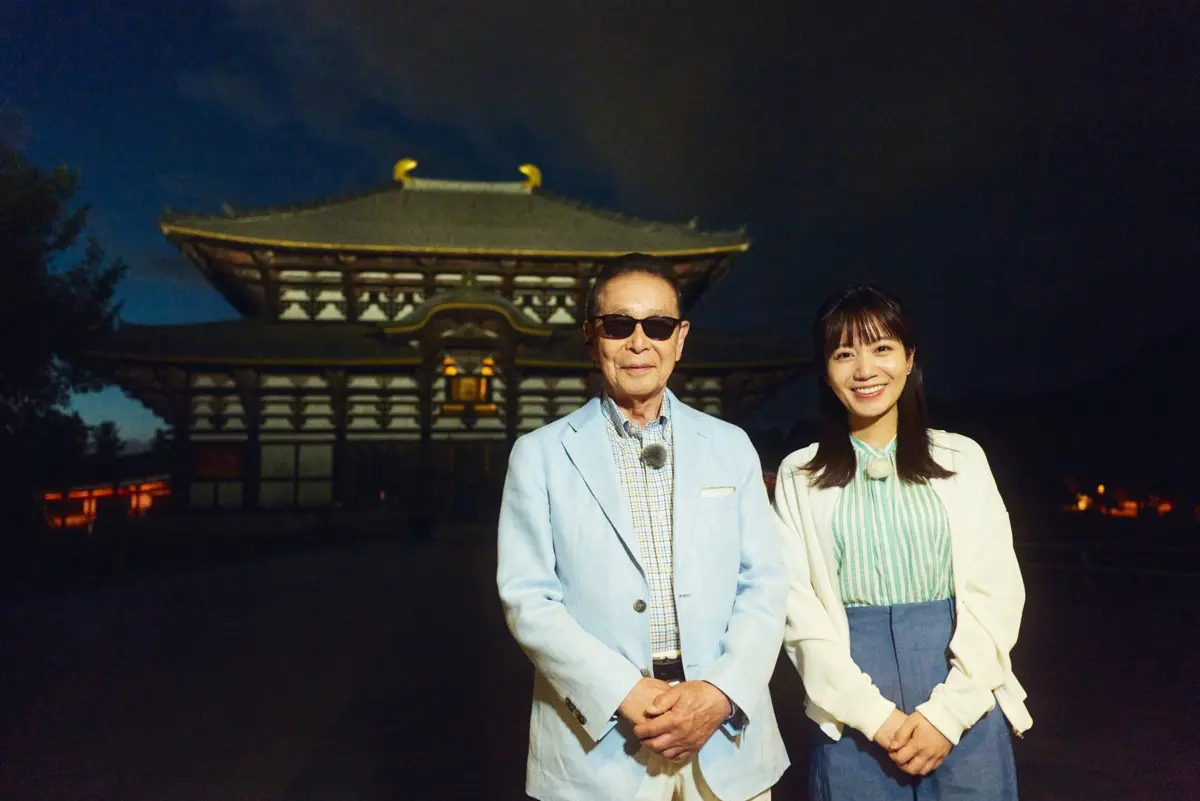
In the realm of Japanese public broadcasting, few programs command the cultural reverence and intellectual curiosity of NHK’s flagship documentary series, Bura Tamori (ブラタモリ). Co-created by iconic entertainer, comedian, and television personality Tamori alongside NHK’s sharpest investigative camera crews, the program has consistently redefined how modern audiences engage with the topography, urban evolution, and deep-seated history of Japan’s most storied locations.
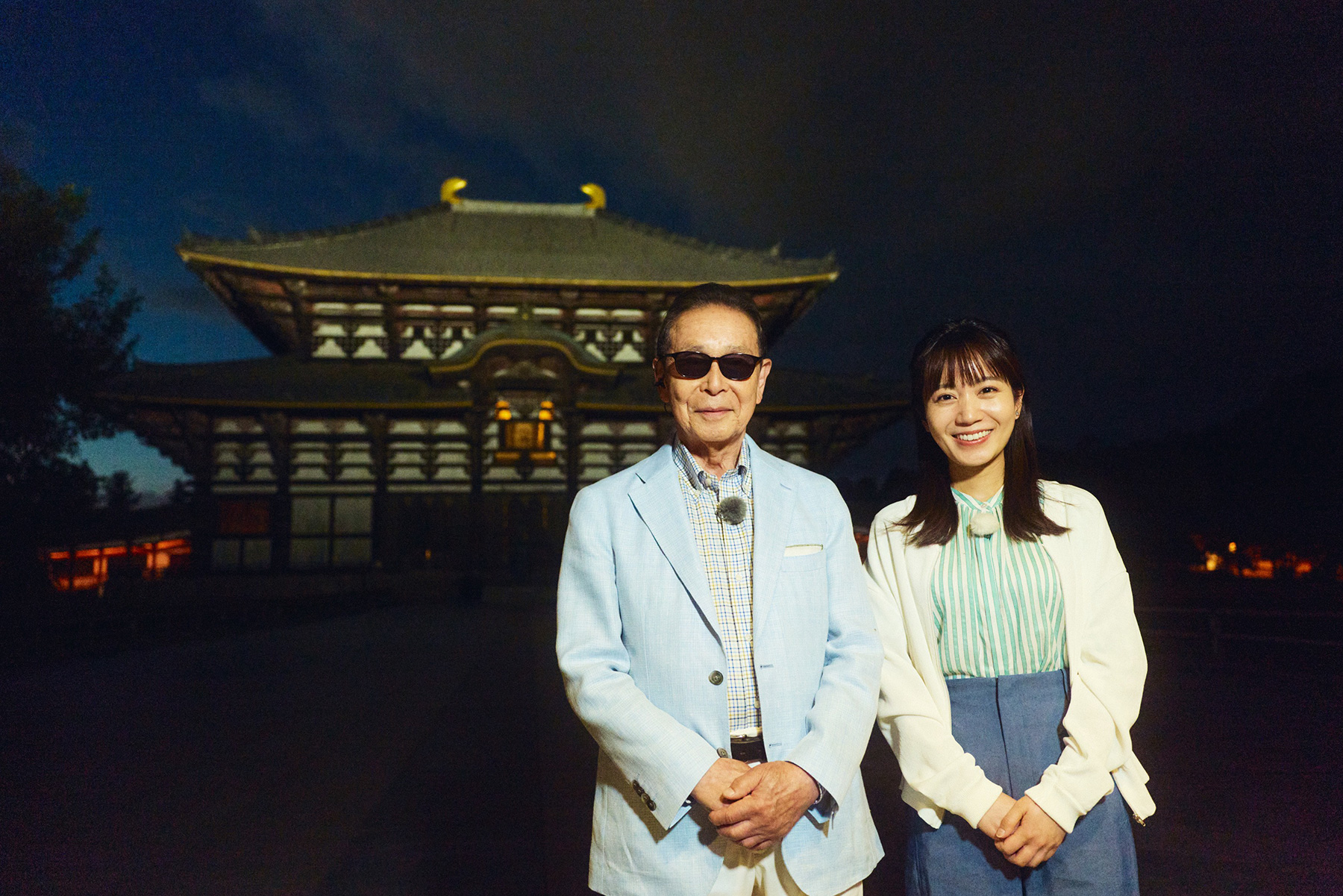
On September 19, 2026, the series is set to broadcast a monumental, expanded 78-minute special edition that shifts its analytical lens to one of the most sacred and architecturally significant complexes in East Asia: Todai-ji (東大寺) in Nara Prefecture. Famously known across the globe as the home of the monumental bronze Vairocana Buddha—affectionately referred to by generations as the Great Buddha of Nara (Nara no Daibutsu-sama)—this upcoming broadcast promises to strip away centuries of accumulated folklore to reveal the gritty, brilliant, and often arduous engineering reality behind its inception.
Far from a conventional travelogue, this special edition investigates the physical landscape of Nara, exploring how geography, geology, and imperial ambition intersected over thirteen centuries ago. By examining the bedrock, the logistical nightmares of hauling gargantuan timber, and the monumental labor force required to cast a multi-ton bronze deity, Bura Tamori aims to answer a fundamental question: How did ancient architects and laborers forge a spiritual epicenter that has withstood the ravages of war, fire, and time?
Detailed Chronology: The Making of a Sacred Metropolis
To truly grasp the magnitude of the September 19 special, one must look back at the historical crucible that birthed Todai-ji. Established during the Nara period in the 8th century—specifically in the year 745 by Imperial decree of Emperor Shomu—Todai-ji was not merely constructed as a place of worship; it was engineered as the psychological and spiritual anchor of a nation struggling to unify under centralized imperial rule.
The Geopolitical Impetus of the 8th Century
During the Tenpyo era, Japan was a nation plagued by a toxic cocktail of natural disasters, devastating smallpox epidemics, political factionalism, and economic instability. Emperor Shomu, deeply devout and politically cornered, sought a unifying force that could transcend regional strife. His solution was breathtakingly audacious: the construction of a colossal bronze Buddha statue, paired with a massive network of provincial temples (kokubunji) across the country.
The Bura Tamori production crew traces this grand strategy back to its geographic roots. The choice of Nara (then known as Heijo-kyo) as the capital was itself a masterclass in urban planning, nestled in a natural basin surrounded by protective hills. However, placing a structure of unprecedented scale within this landscape required overcoming staggering logistical hurdles.
Engineering the Impossible: From Bedrock to Bronze
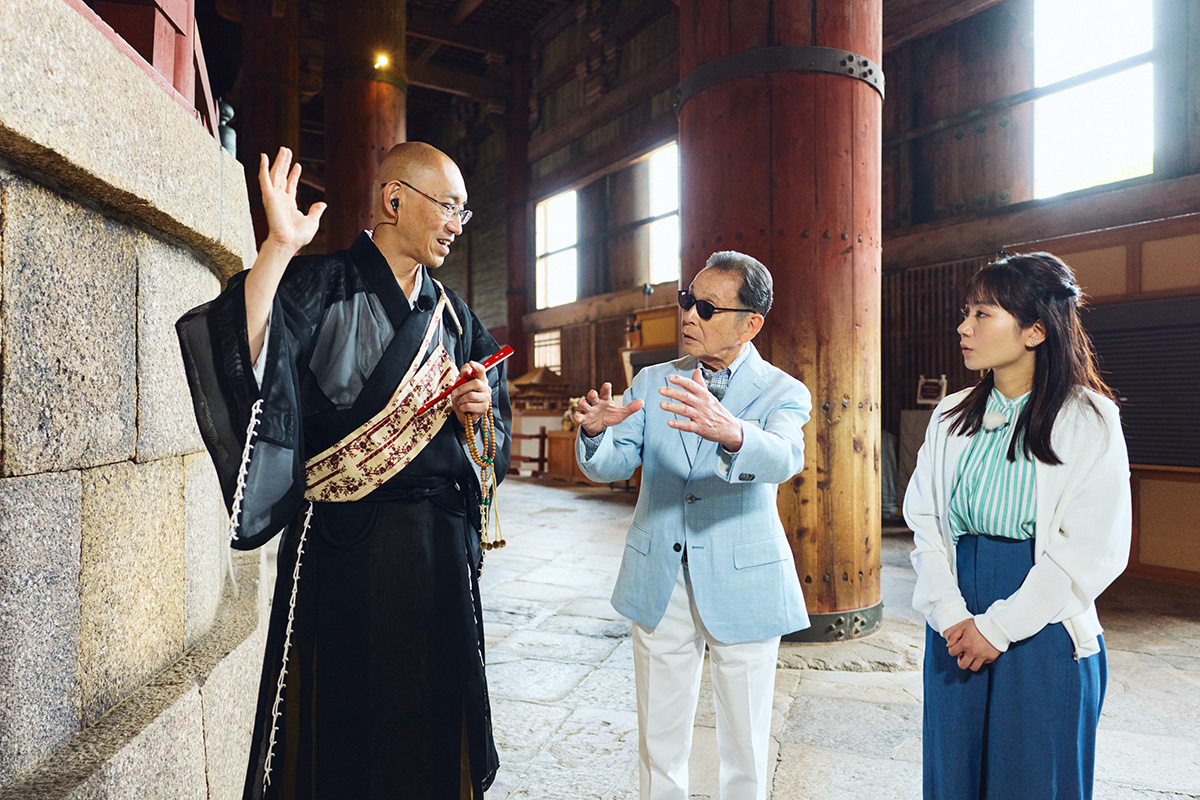
The upcoming 78-minute broadcast dedicates significant runtime to the lesser-known logistical feats of the 8th-century builders. Viewers will be taken on an investigative walk across the temple grounds to examine:
- The Quarry and the Earth: How ancient miners identified and extracted the massive stone foundations necessary to support the immense weight of the Daibutsuden (Great Buddha Hall).
- The Metallurgy of Antiquity: The technological marvels required to cast a bronze statue standing roughly 15 meters tall, utilizing tons of copper, tin, gold, and charcoal. The program explores how master metalworkers managed heat distribution, mold integrity, and the catastrophic risks of molten metal failure.
- Timber Procurement Networks: The logistical nightmares of sourcing massive Hinoki (Japanese cypress) trees from distant mountains, hauling them across rugged terrain without modern heavy machinery, and engineering roof structures that could span vast interior spaces without modern structural steel.
Supporting Context & Metrics: The Scale of Todai-ji
To appreciate the depth of the Bura Tamori investigation, one must contextualize Todai-ji through hard historical metrics and architectural data.
| Metric / Feature | Historical / Architectural Detail |
|---|---|
| Establishment Year | Commissioned in 745 AD by Emperor Shomu; completed and consecrated in 752 AD. |
| Primary Deity | Vairocana Buddha (Rushana Butsu), symbolizing the cosmic Buddha encompassing all existence. |
| Statue Height | Approximately 15 meters (49 feet); head width of 3.2 meters. |
| Original Casting Materials | Estimated hundreds of tons of bronze, utilizing roughly 437 kilograms of gold for gilding. |
| Architectural Scale of Daibutsuden | While the current Edo-period reconstruction is roughly two-thirds the footprint of the original 8th-century hall, it remains one of the largest wooden buildings in the world. |
| Special Broadcast Length | 78 minutes of uninterrupted historical and topographical exploration. |
The program highlights how the Daibutsuden has been destroyed and rebuilt multiple times due to civil wars (such as the Genpei War conflicts in 1180 and the Sengoku period clashes in 1567). Each reconstruction served as a testament to the resilience of Japanese traditional carpentry and architectural preservation, a theme that Tamori and his co-hosts unpack with characteristic wit and rigorous inquiry.
Official Statements and Production Insights
The announcement of the 78-minute expansion has generated immense excitement across Japanese media circles. NHK producers have emphasized that this special is designed to move past the standard tourist narrative, offering viewers a "geo-historical" perspective that bridges the gap between ancient engineering and modern topography.
"When people visit Todai-ji today, they see a timeless monument wrapped in serene gardens and populated by roaming deer," notes a senior NHK production representative. "However, beneath that tranquility lies a story of relentless human struggle, political desperation, and brilliant scientific innovation. Tamori-san’s unique ability to read the lay of the land allows us to expose the sweat, stone, and fire that went into making the Nara Daibutsu a reality 1,300 years ago. Expanding the runtime to 78 minutes gives us the necessary space to do justice to this monumental history."
The show’s format relies heavily on unscripted walking tours, where Tamori observes subtle elevation changes, ancient drainage paths, and geological formations that dictated why the temple was built precisely where it stands. By reading the "wrinkles of the earth," the program transforms a standard historical documentary into an immersive archaeological detective story.

Future Outlook: A Landmark Cultural Broadcast
As television audiences increasingly seek out content that offers intellectual depth alongside visual splendor, the September 19 special of Bura Tamori stands as a benchmark for cultural programming. By dedicating nearly an hour and twenty minutes to a single structural and historical nexus, NHK is setting a high standard for how heritage sites are presented to the public.
For international fans and domestic viewers alike, the broadcast serves as a timely reminder of the fragility and endurance of human civilization. As Todai-ji approaches its future centuries, the insights brought to light by Tamori and his team ensure that the "beginning of the story" for Nara’s Great Buddha will continue to captivate, educate, and inspire generations to come.
Broadcast Details:
- Program: Bura Tamori (NHK General TV)
- Air Date: September 19, 2026
- Broadcast Time: 19:30 JST (78-Minute Extended Special Edition)
- Focus: Todai-ji, Nara Prefecture, and the 1,300-year genesis of the Great Buddha.






Belum ada komentar. Jadilah yang pertama berkomentar!