

Executive Overview
The boundaries separating the organic from the artificial, the living from the non-living, and the real from the imaginary have long served as a profound playground for artistic subversion. Few modern masters navigated these fluid, philosophical frontiers with as much visceral intensity and unapologetic vitality as Japan’s legendary avant-garde pioneer, Taro Okamoto (1911–1996).
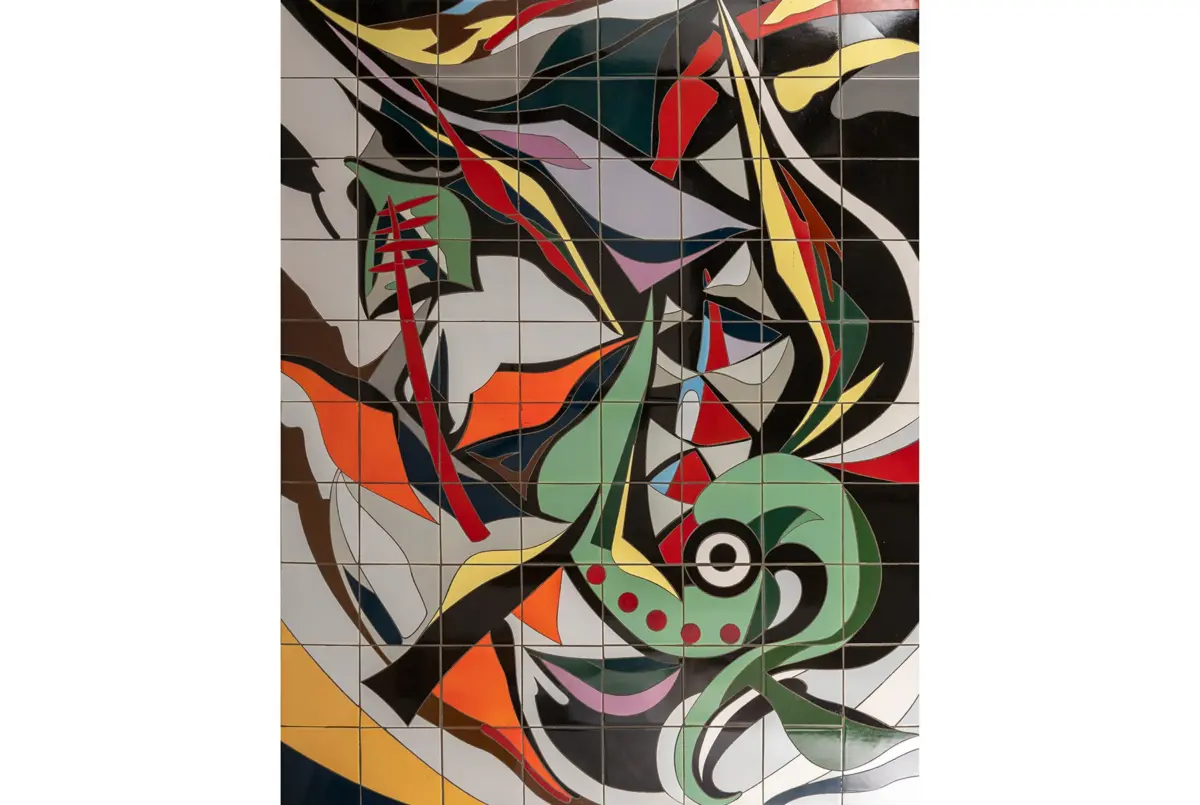
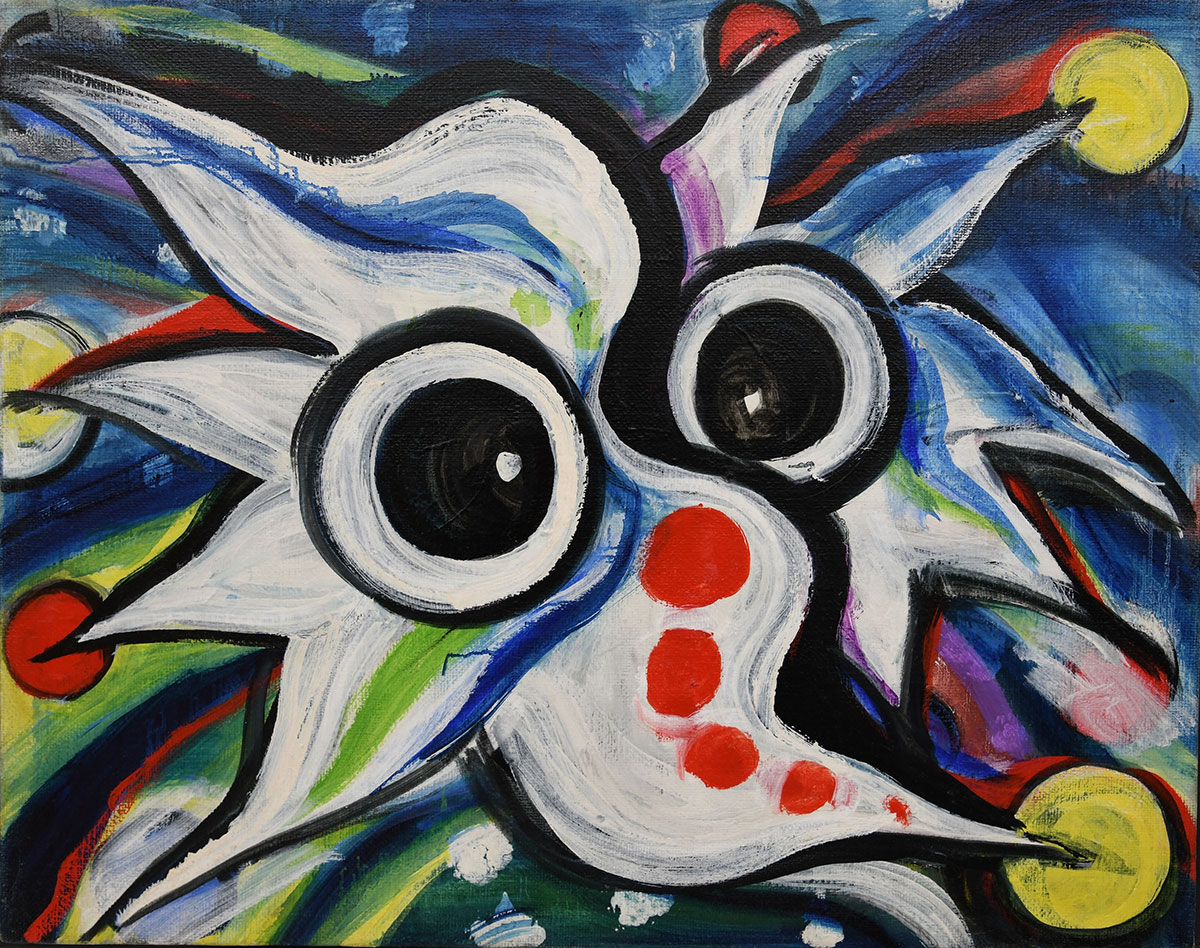
Beginning on November 28, the Taro Okamoto Memorial Museum, nestled in the vibrant artistic enclave of Aoyama, Tokyo, is set to captivate the contemporary art world with a deeply anticipated special exhibition titled Mysterious Living Things (Japanese: 『謎のいきもの』). This meticulously curated showcase delves headfirst into Okamoto’s lifelong fascination with what can only be described as anomalous entities—creatures, motifs, and abstract manifestations that defy straightforward biological categorization yet pulsate with an undeniable, uncanny life force.
By bringing together a diverse array of paintings, sculptures, sketches, and rare archival material, Mysterious Living Things invites visitors to reconsider the fundamental definition of existence. It poses a provocative question to a modern society increasingly dominated by cold digitization and clinical rationality: What constitutes a living being, and how does art capture the pulsing undercurrents of primordial energy that animate our universe? This comprehensive report explores the conceptual framework, historical significance, curatorial choices, and broader cultural impact of an exhibition poised to redefine our understanding of Okamoto’s sprawling artistic legacy.
Detailed Chronology: The Genesis and Evolution of Okamoto’s "Living" Abstractions
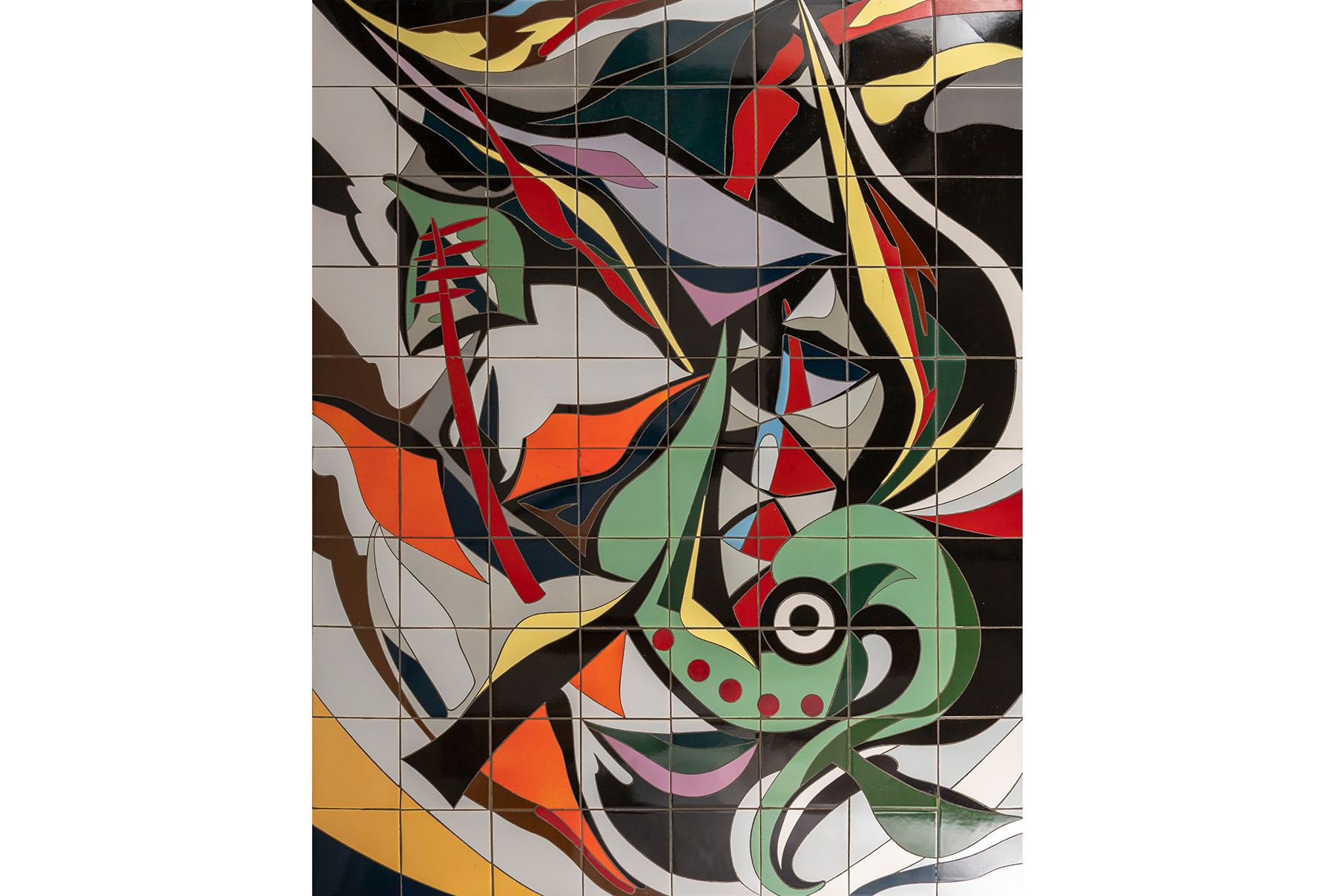
To fully appreciate the scope of Mysterious Living Things, one must trace the evolutionary trajectory of Taro Okamoto’s idiosyncratic visual vocabulary. Okamoto’s artistic philosophy was forged in the fires of early-to-mid-20th-century European avant-garde movements, particularly during his formative years in Paris, where he studied under abstract theorist and sociologist Georges Bataille and rubbed shoulders with leading surrealists. However, rather than remaining bound by European orthodoxies, Okamoto synthesized these radical intellectual currents with his deeply rooted exploration of Japan’s prehistoric Jomon culture and indigenous folkloric traditions.
The Parisian Crucible and the Birth of the Uncanny
During his time in Paris (1930–1940), Okamoto rejected the slick, decorative tendencies of traditional academic art. Instead, he sought an art form that could tap directly into the subconscious—a raw, disruptive force that could shock viewers out of their mundane complacency. The concept of the "living thing" in Okamoto’s early work was not tied to anatomical accuracy or photorealism; rather, it was tied to affect. An abstract shape could breathe, stare, threaten, or seduce with just as much authority as a living animal.
The Post-War Explosion: Monuments to the Paradoxical
Following the devastation of World War II, Okamoto’s creative output took on an urgent, monumental character. His works became explosive battlegrounds where the terrifying realities of the atomic age clashed with an irrepressible joy of living (Seimei no Yorokobi). The Mysterious Living Things exhibition highlights this post-war period, showcasing how Okamoto populated his canvases and sculptures with hybrid figures—part animal, part machine, part mythic deity.
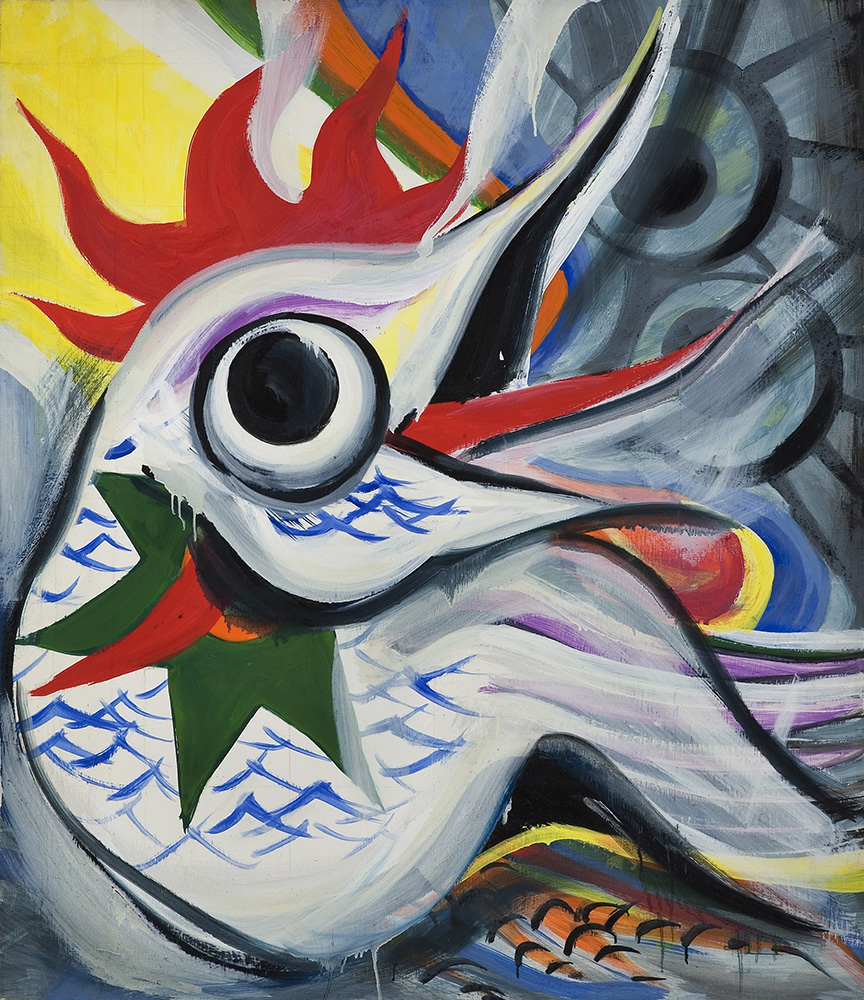
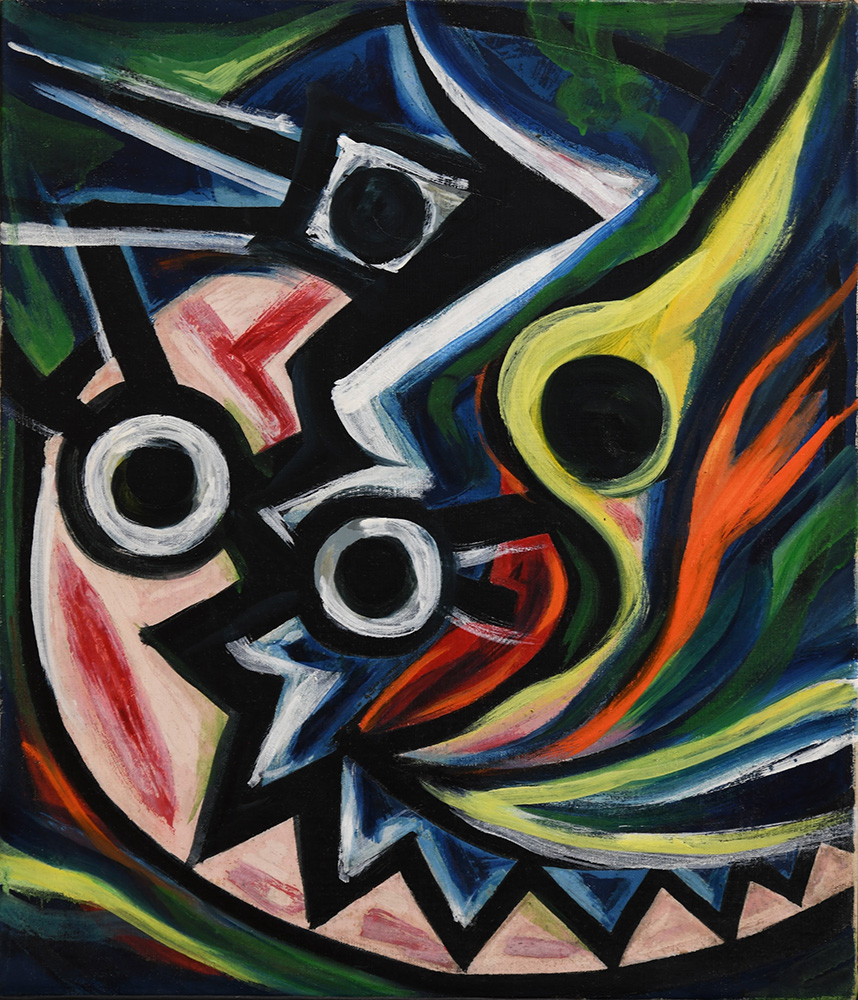
Visitors to the Aoyama museum will witness how Okamoto utilized sharp, jagged lines juxtaposed with biomorphic curves to create an optical tension. These are not passive gallery pieces; they actively gaze back at the spectator. They demand an emotional and psychological dialogue, challenging the viewer to confront the unfamiliar, the grotesque, and the sublime all at once.
Supporting Context & Metrics: The Curatorial Vision Behind Mysterious Living Things
The Taro Okamoto Memorial Museum, operating out of Okamoto’s former residence and studio in Minato Ward, Tokyo, offers an intimately immersive backdrop for this exhibition. Unlike cavernous, white-cube institutions that often sterilize the viewing experience, the Memorial Museum preserves the very walls, light, and atmosphere wherein Okamoto conceived his most daring concepts.
Curatorial Metrics and Exhibit Highlights
- Exhibition Mysterious Living Things (『謎のいきもの』)
- Opening Date: November 28
- Venue: Taro Okamoto Memorial Museum (Aoyama, Minato-ku, Tokyo)
- Core Mediums Featured: Oil paintings, sculptural works, preparatory sketches, and personal notebooks.
- Key Works on Display:
- Space (space/cosmic-themed abstraction emphasizing boundless energy fields)
- Stone/Object Studies (exploring the animistic properties embedded in inorganic materials)
- Tattoo-Influenced Motifs (showcasing primal, body-centric line work that blurs boundaries between skin and spirit)
The curatorial team has meticulously selected pieces that challenge the binary opposition between nature and artifice. In Okamoto’s universe, a stone is never just a stone; it is a repository of ancient, silent history. A brushstroke is never just pigment on canvas; it is a neurological discharge of life energy. By grouping these works together, the exhibition maps out a comprehensive taxonomy of the strange, the bizarre, and the profoundly alive.
Official Statements and Critical Reception
In advance of the November 28 opening, museum directors and lead curators have released statements emphasizing the contemporary relevance of Okamoto’s vision. In an era saturated with synthetic media, artificial intelligence, and digital simulacra, humanity is once again grappling with what it means to be "real" or "alive."
"Taro Okamoto did not merely paint or sculpt; he provoked existence itself," notes the curatorial board at the Taro Okamoto Memorial Museum. "In assembling ‘Mysterious Living Things,’ our goal is to strip away the comfortable layers of conventional perception. Okamoto’s creations are unsettling precisely because they hold up a mirror to our own unexpressed, primal instincts. They stare at us, question us, and ultimately demand that we feel more deeply in a world that threatens to numb us."
Art critics and cultural historians have similarly rallied around the exhibition. Early reviews of the museum’s promotional materials indicate that Mysterious Living Things is expected to draw record-breaking attendance from both domestic art enthusiasts and international tourists. The exhibition succeeds in bridging generational divides, appealing to older audiences who remember Okamoto’s explosive public installations—such as the iconic Tower of the Sun at the 1970 Osaka Expo—while electrifying a younger demographic of digital natives hungry for tactile, emotionally resonant art forms.
Future Outlook: The Enduring Resonance of Okamoto’s Avant-Garde Philosophy
As the Taro Okamoto Memorial Museum prepares to swing open its doors on November 28, the cultural footprint of Mysterious Living Things extends far beyond the physical galleries of Aoyama. The exhibition serves as a timely reminder that the avant-garde spirit is not a historical artifact confined to the textbooks of 20th-century art history, but a continuous, living practice of questioning established norms.
In the coming months, the museum will host a series of companion events, including academic symposia, public lecture series focusing on post-war Japanese modernism, and interactive workshops designed for emerging artists and students. These programming initiatives aim to decode Okamoto’s complex theoretical frameworks—particularly his notions of zankoku (cruelty/harshness) and jōnetsu (passion)—and apply them to the pressing cultural questions of the 21st century.
Ultimately, Mysterious Living Things is much more than a seasonal gallery exhibition; it is an ontological journey. It challenges us to look past the superficial surfaces of our daily lives and acknowledge the strange, pulsating vitality that connects all things—human, beast, myth, and machine. For anyone navigating the complexities of the modern landscape, a pilgrimage to Aoyama this winter to lock eyes with Okamoto’s enigmatic creations is not merely recommended; it is an essential cultural imperative.





Belum ada komentar. Jadilah yang pertama berkomentar!