

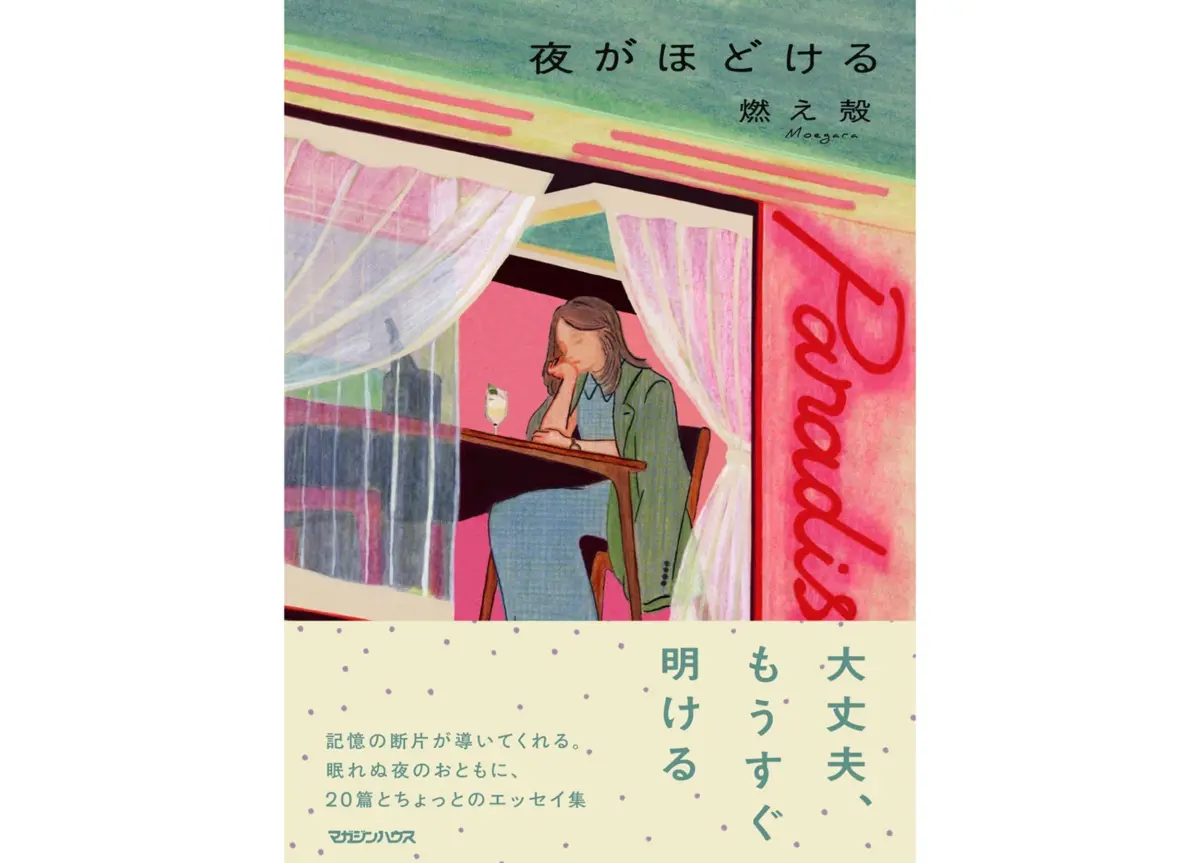
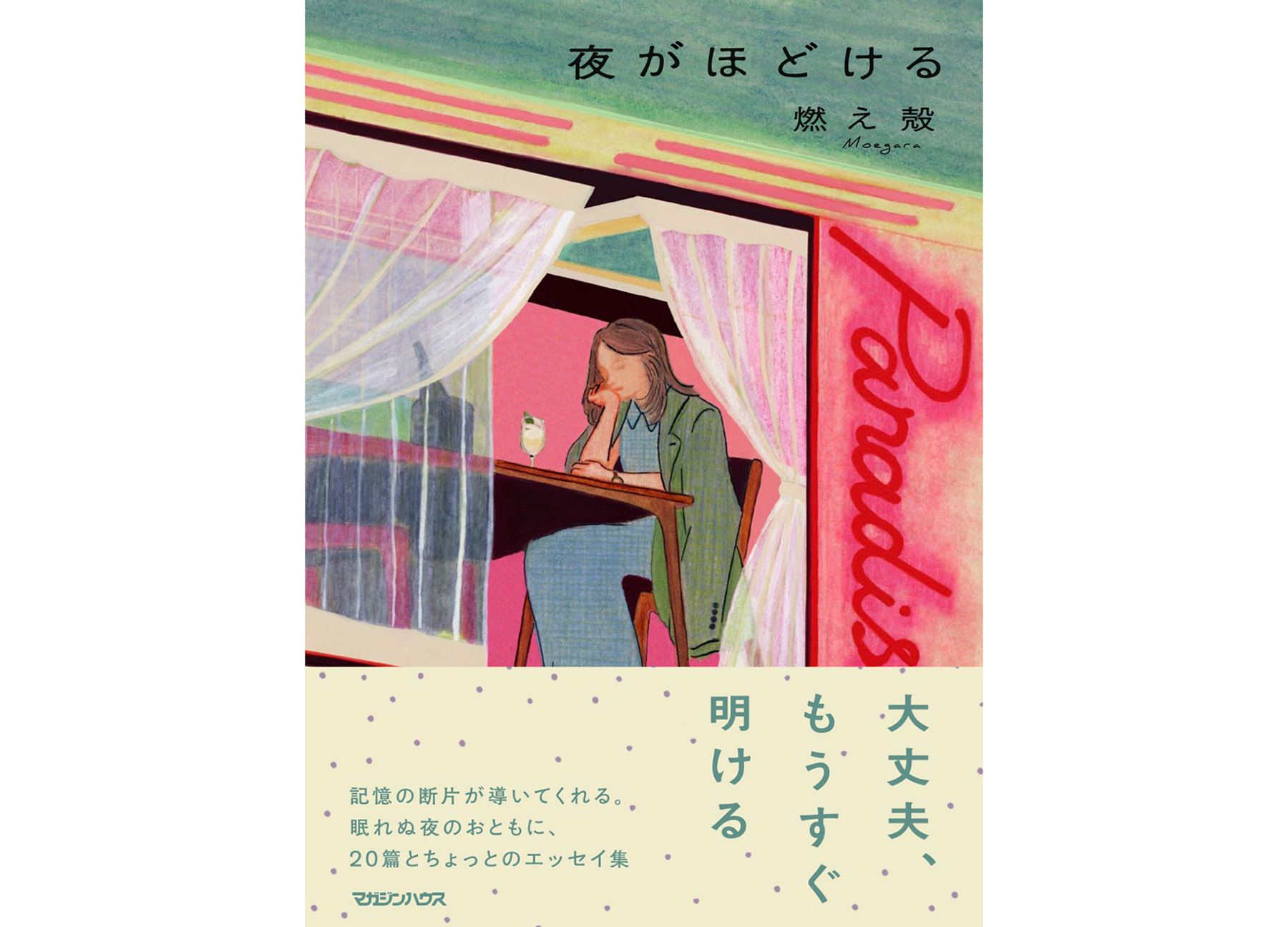
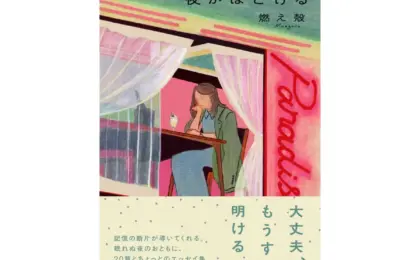
On December 10, 2026, the literary and theatrical landscapes will experience a significant convergence with the official publication of Yoru ga Hobokeru (燃え殻の最新エッセイ集『夜がほほける』12月10日刊行), the highly anticipated latest collection of essays by celebrated contemporary author Moegara (燃え殻). Known for his poignant, sharply observant prose that captures the melancholic beauty, micro-dramas, and existential undercurrents of modern urban life, Moegara has cultivated a fiercely dedicated international and domestic readership.
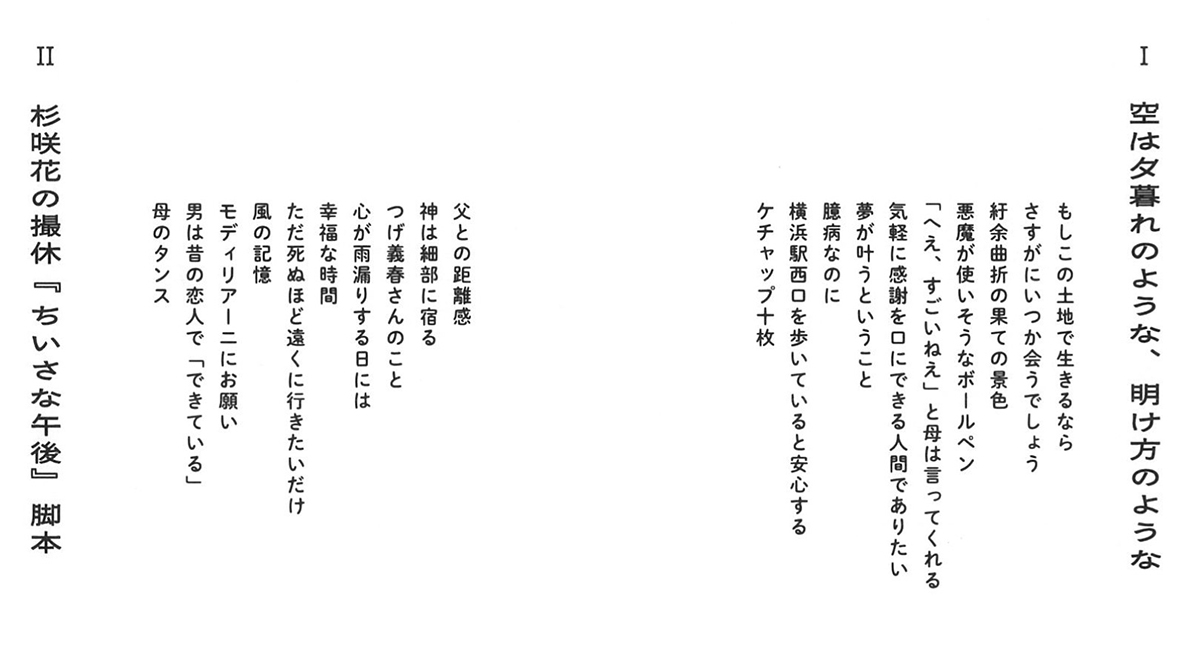
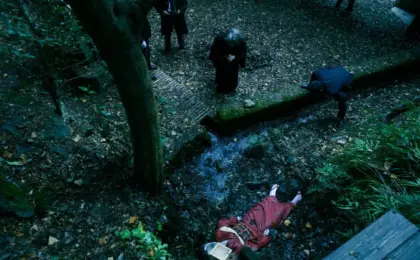
This new volume holds special significance for both literary critics and avid fans of contemporary Japanese narrative art, as it breaks new ground by including the complete script for Sugizakibana no Satsukyū (『杉咲花の撮休』), a critically lauded television and dramatic screenplay penned by the author. This inclusion bridges the gap between prose writing and cinematic storytelling, providing readers with a rare, behind-the-scenes glimpse into Moegara’s creative architecture.
Published via Magazine House, Yoru ga Hobokeru arrives at a pivotal moment in contemporary Japanese literature—a time when audiences increasingly gravitate toward hybrid forms of storytelling that blur the lines between personal essay, digital-age reflection, and cinematic scriptwriting. This comprehensive report explores the trajectory of the release, the thematic core of Moegara’s newest work, the structural composition of the book, and the broader cultural implications of its publication heading into the close of 2026.
Detailed Chronology
The journey toward the publication of Yoru ga Hobokeru spans several years of continuous creative production, digital serialization, and artistic maturation. To understand the weight of this December 2026 release, it is necessary to trace the timeline of Moegara’s recent output and the milestone events leading up to this point:
- Late 2024 to Early 2025: Following the success of his previous literary ventures—including the widely discussed Bokutachi wa Shippai Shita (ぼくたちは失敗した) and various serialized columns examining contemporary urban alienation—Moegara began conceptualizing a new body of work. During this period, his involvement in television and dramatic scripting deepened, most notably through his collaboration on the anthology series Sugizakibana no Satsukyū.
- Mid-2025: As individual essays began appearing across various digital platforms and print magazines, readers and critics noted a distinct tonal evolution. Moegara’s observations shifted toward a sharper, more contemplative introspection on post-pandemic urban existence, transient human connections, and the digital echoes left behind by contemporary society.
- Fall 2026: Magazine House officially announces the publication details for Yoru ga Hobokeru, confirming the December 10 release date. Crucially, the announcement highlights that the volume will not only feature a brand-new compilation of essays written over the past decade but will also incorporate the full, unedited script of Sugizakibana no Satsukyū.
- December 10, 2026 (Scheduled): The official release date across bookstores nationwide in Japan, accompanied by special promotional campaigns, digital excerpts, and launch events designed to engage Moegara’s substantial readership base.
Supporting Context & Metrics
Moegara’s literary footprint is defined by a unique intersection of digital-era vulnerability and classic essayistic resonance. To fully grasp the magnitude of Yoru ga Hobokeru, one must examine the metrics and cultural backdrop that anchor his body of work:
- A Decade of Retrospective Insight: The essays compiled in Yoru ga Hobokeru draw from nearly ten years of observation, capturing the profound societal shifts that occurred throughout the late 2010s and mid-2020s. Over this span, Moegara has built a reputation for transforming mundane, everyday urban encounters into universal meditations on loneliness, nostalgia, and fleeting joy.
- Hybrid Literary Formats: The inclusion of the Sugizakibana no Satsukyū script marks a deliberate expansion of the essay genre. By placing dramatic dialogue side-by-side with personal prose, the book invites readers to analyze how Moegara constructs narrative tension both in first-person non-fiction and in cinematic fiction.
- Digital-First Readership: Much of Moegara’s core audience originally engaged with his work via digital serialization and social media platforms. The transition of these writings into a physical, highly curated book format—complete with art direction and thoughtful typography handled by Magazine House—underscores the enduring value of physical media in contemporary Japanese publishing.
- Sales Projections and Market Reception: Industry analysts anticipate strong first-week sales, driven by pre-orders from established literary enthusiasts and followers of Moegara’s previous bestsellers. The strategic inclusion of the television script is expected to draw crossover interest from fans of contemporary Japanese drama and television arts.
Official Statements & Editorial Insights
Editorial teams and promotional materials from Magazine House have emphasized the multi-dimensional nature of Yoru ga Hobokeru. In promotional releases leading up to the December launch, editors underscored that the collection is not merely a retrospective archive, but an active exploration of modern emotional landscapes.
"Moegara possesses a rare capacity to locate the extraordinary within the ordinary. In ‘Yoru ga Hobokeru,’ the boundaries between personal memory and shared cultural experience dissolve. By pairing his latest essays with the script for ‘Sugizakibana no Satsukyū,’ we are offering readers a complete panoramic view of an artist at the height of his creative powers—someone who can articulate the quiet anxieties of our time with unmatched precision and warmth."
— Editorial Department, Magazine House / CINRA
Critics have similarly pointed out that Moegara’s writing style thrives on an economy of words. Rather than relying on grandiose plots, his essays use sharp, deliberate strokes to paint vivid emotional portraits of city dwellers navigating modern life. The inclusion of the script further demonstrates his versatility, proving that his ear for naturalistic, deeply human dialogue translates seamlessly from the page to the screen and back again.
Future Outlook
As the literary world approaches December 10, 2026, Yoru ga Hobokeru stands out as one of the most anticipated non-fiction and hybrid releases of the winter season. Its arrival will likely prompt renewed critical discussion regarding the state of the contemporary Japanese essay and the growing fluidity between literary prose and screenwriting.
Looking ahead, the publication is expected to inspire academic and journalistic examinations of Moegara’s broader bibliography, solidifying his status as a defining chronicler of 21st-century urban psychology. Furthermore, the successful integration of the Sugizakibana no Satsukyū script may pave the way for future publishing models that encourage cross-disciplinary collections among contemporary Japanese authors.
For readers, booksellers, and critics alike, Yoru ga Hobokeru offers a timely reminder of the power of narrative to make sense of isolation, transient encounters, and the quiet beauty found in the margins of daily life.





Belum ada komentar. Jadilah yang pertama berkomentar!