

Executive Overview
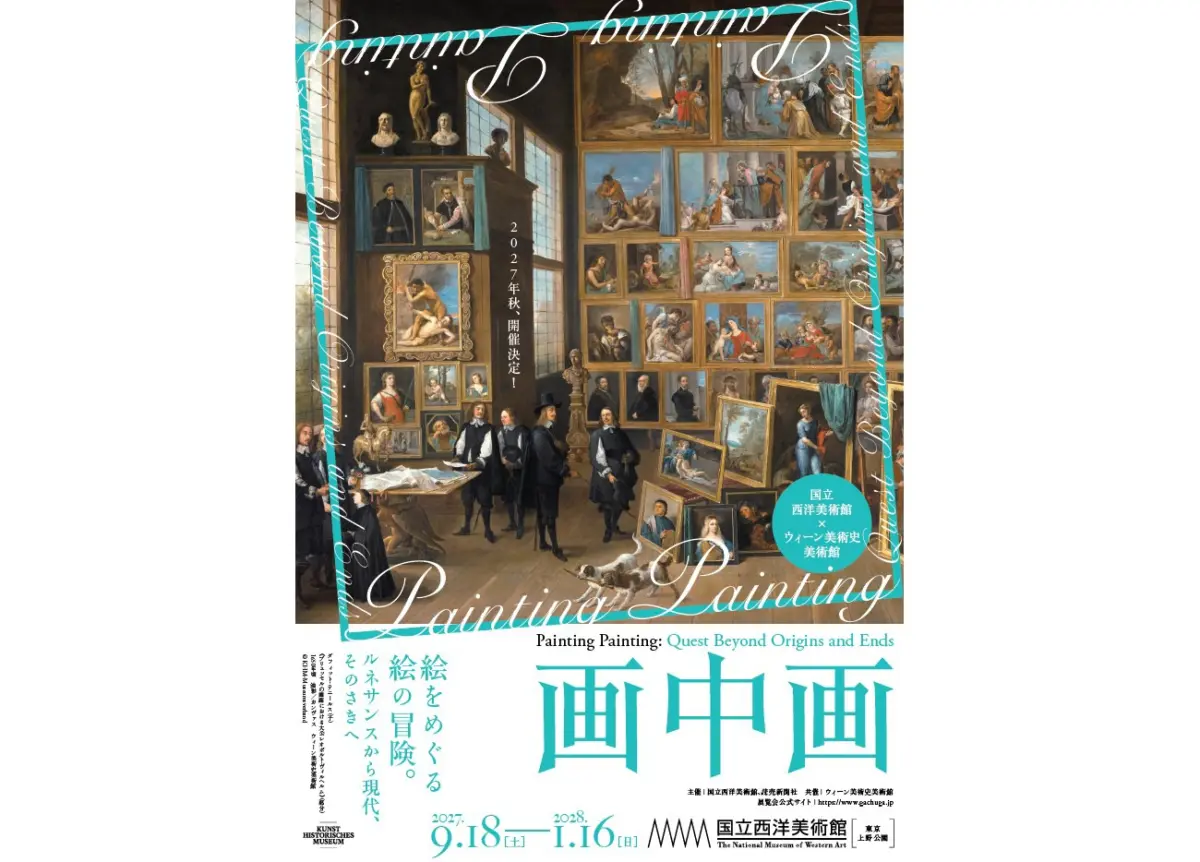
In a landmark cultural development for the global art community, the National Museum of Western Art in Tokyo has officially announced a sweeping, highly anticipated international loan exhibition exploring the rich, self-referential tradition of the "picture-in-picture" (known in Japanese as ga-chū-ga or 画面中画面). Scheduled to run from September 18, 2027, through January 16, 2028, this monumental exhibition promises to redefine how audiences perceive artistic reflexivity, illusionism, and the historical meta-narratives embedded within Western masterpieces.
What elevates this upcoming showcase from a standard museum presentation to a once-in-a-generation cultural event is the comprehensive, institutional collaboration of the Kunsthistorisches Museum Vienna (Museum of Fine Arts Vienna). Renowned worldwide for its staggering Habsburg imperial collections, the Vienna institution is lending its full curatorial, academic, and logistical weight to the project. By bringing together rare loans from European masterpieces that depict other works of art—ranging from Renaissance interiors and Baroque cabinets to modern conceptual compositions—the exhibition will trace how painters across centuries have used the canvas to critique, honor, and mystify their own medium.
As museum officials finalize the checklist and secure high-profile international loans, art historians and cultural critics alike are already predicting that the exhibition will set a new benchmark for scholarship on pictorial self-consciousness. This comprehensive report explores the conceptual framework of the upcoming exhibition, the historical lineage of the "picture-in-picture" trope, the profound institutional partnership driving the project, and its anticipated impact on the global museum landscape.
Detailed Chronology: The Road to the 2027 Exhibition
The genesis of the 2027 Ga-chū-ga exhibition represents years of quiet diplomatic and academic negotiations between Japanese and Austrian cultural institutions. While the official public announcement was made in late 2026, the groundwork for the collaboration began years prior as curators sought to unpack the complex psychological and visual layers of self-referential art.
Phase 1: Conceptualization and Academic Alignment (2024–2025)
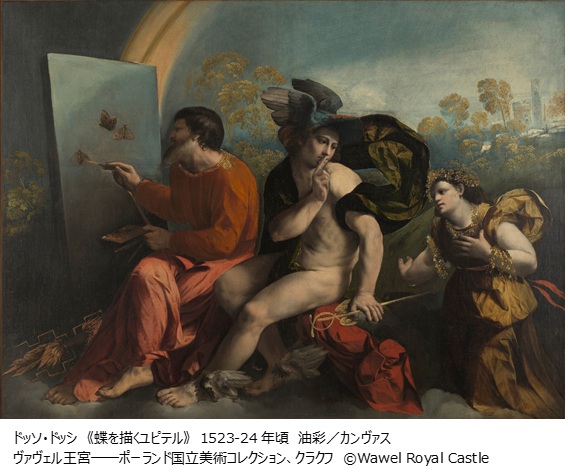
The concept originated from a desire to move beyond traditional chronological surveys of Western art history. Curators at the National Museum of Western Art, in dialogue with international scholars, recognized that the motif of the artwork-within-an-artwork—where a painting depicts another painting, print, sculpture, or mirror—was not merely a decorative parlor trick. Instead, it served as a sophisticated vehicle for artistic commentary, philosophical inquiry, and psychological depth.
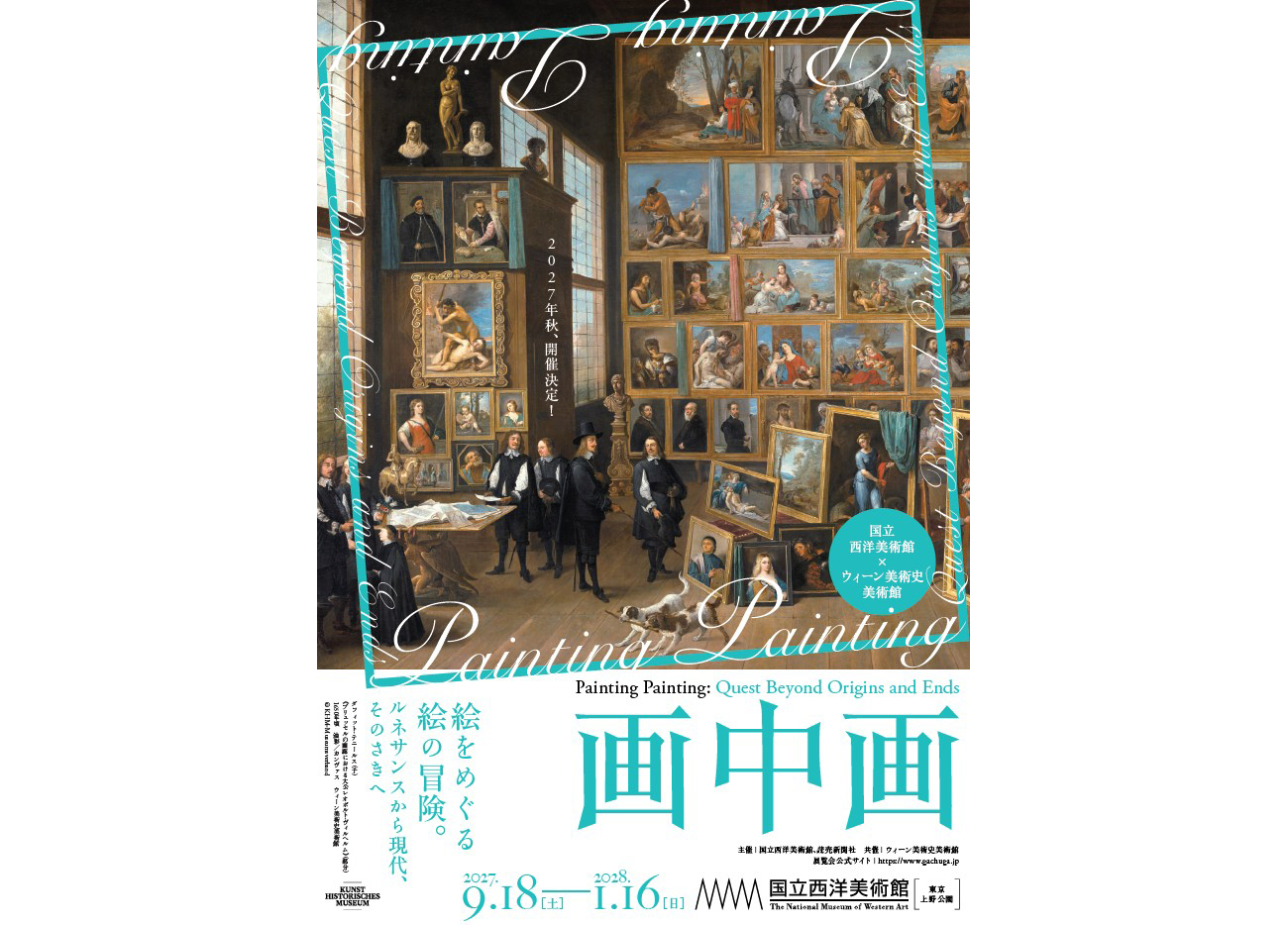
During this initial phase, preliminary discussions opened with the Kunsthistorisches Museum Vienna. Given Vienna’s unparalleled holdings of early modern masterpieces that frequently incorporate Kunstkammer (cabinet of curiosities) interiors, picture galleries, and allegorical studios, the Austrian museum emerged as the ideal primary partner.
Phase 2: Institutional Partnerships and Loan Securing (2025–2026)
Securing masterworks that feature internal framing devices requires delicate diplomatic choreography, insurance syndicates, and conservation assessments. Between 2025 and mid-2026, curatorial teams mapped out a rigorous checklist. The partnership with the Kunsthistorisches Museum Vienna was formalized, granting the Tokyo museum access to works that rarely travel outside of Europe.
Furthermore, curators began reaching out to secondary lenders across public and private collections in Europe and North America to supplement the narrative. These discussions focused heavily on climate-control protocols, secure transit arrangements, and the specialized conservation requirements of delicate panel paintings and fragile canvases spanning multiple centuries.
Phase 3: Public Announcement and Countdown (Fall 2026)
With the dates officially locked in—September 18, 2027, to January 16, 2028—the National Museum of Western Art launched its primary promotional channels, including the dedicated portal gachuga.jp. The announcement immediately captured the attention of international art journalism, positioning the exhibition as the crown jewel of Tokyo’s 2027–2028 cultural calendar.
Phase 4: Installation and Public Opening (September 2027)
As the opening date approaches, the museum will enter an intensive phase of exhibition design, lighting calibration, and wall-text curation. The physical layout of the galleries is being engineered to guide visitors through a chronological and thematic progression, ensuring that the dizzying conceptual layers of the works are easily navigable yet intellectually stimulating.
Supporting Context & Metrics: Deconstructing the "Picture-in-Picture"
To fully appreciate the significance of the upcoming exhibition, one must understand the evolution and mechanics of the ga-chū-ga tradition.
What is a "Picture-in-Picture"?
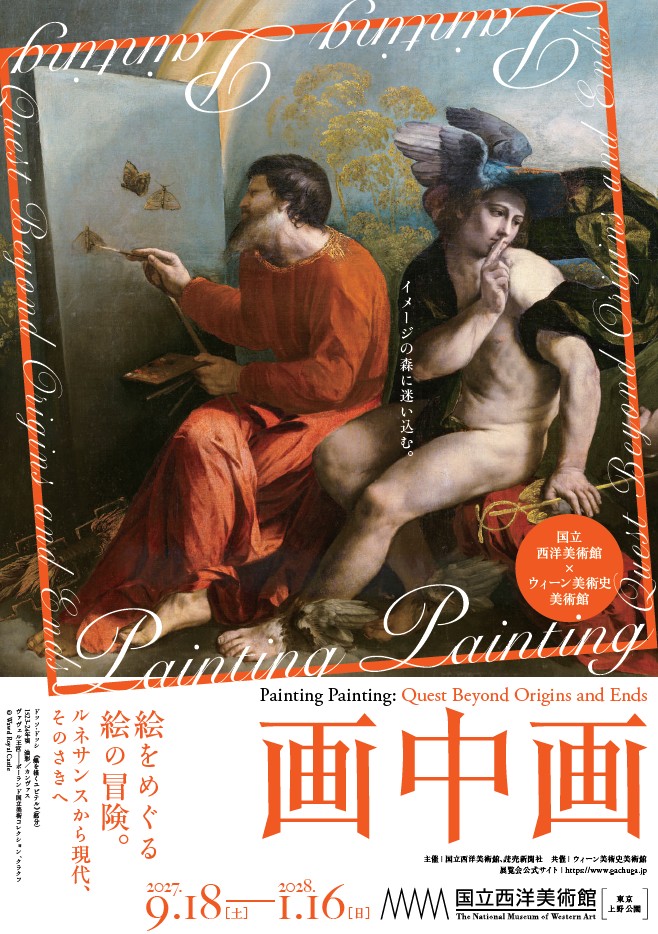
At its core, a picture-in-picture refers to any artwork that contains the representation of another distinct image within its primary composition. While this can manifest as a framed painting hanging on the wall of a Dutch domestic interior, it can also take the form of:
- A painting within an allegorical tapestry or sculptural relief.
- Reflections in convex mirrors that reveal hidden spaces beyond the viewer’s immediate field of vision (a technique famously mastered by Northern Renaissance painters like Jan van Eyck).
- Studio scenes where an artist is actively working on a canvas that mirrors, previews, or contradicts the main painting.
- Trompe l’œil insertions, where prints or drawings appear pinned, tacked, or casually tossed onto a wooden board or studio wall.
Historical Evolution of the Trope
The exhibition traces this self-referential device across several critical epochs of Western art history:
- The Renaissance and Northern Humanism: During the 15th and 16th centuries, artists began using internal frames to signal erudition, piety, or divine revelation. A Madonna and Child might be depicted sitting before an altarpiece that tells a parallel theological story, or a scholar’s study might be cluttered with small devotional diptychs.
- The Golden Age of Dutch Interior Painting: 17th-century Dutch masters elevated the representation of domestic spaces, frequently populating the background walls of wealthy bourgeois homes with marine paintings, historical scenes, or portraits. These internal artworks were rarely chosen at random; they served as moralizing emblems, commentary on the characters’ inner lives, or ironic counterpoints to the foreground action.
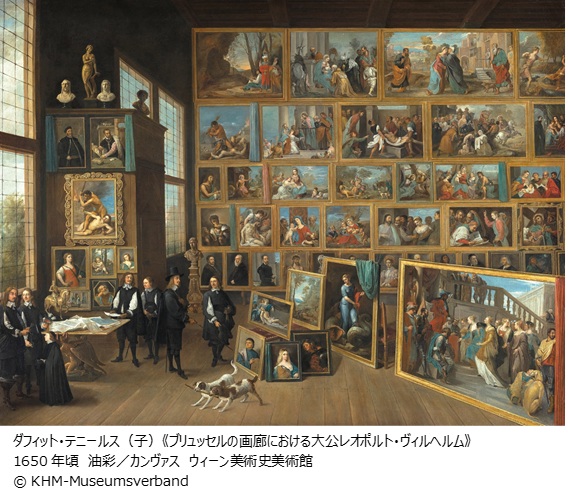
- The Baroque Kunstkammer and Gallery Paintings: Particularly strong in the Habsburg collections of Vienna, the genre of the "gallery painting" emerged—depicting lavish rooms filled from floor to ceiling with hundreds of miniature identifiable artworks. These compositions functioned as early modern museums, encyclopedias of taste, and displays of imperial or aristocratic power.
- Modernity and Meta-Art: The exhibition will not stop at the historical canon. By bridging classical techniques with modern self-awareness, the display will explore how later generations of artists deconstructed the picture plane, questioning the very nature of illusion, representation, and the gallery space itself.
Key Metrics and Exhibition Scope
- Venue: National Museum of Western Art, Tokyo (Ueno Park).
- Run Dates: September 18, 2027 – January 16, 2028 (a 121-day exhibition window).
- Primary Collaborator: Kunsthistorisches Museum Vienna.
- Media Featured: Oil paintings, panel paintings, engravings, drawings, and multimedia archival materials.
- Curatorial Focus: The psychological, philosophical, and aesthetic implications of artistic self-reference.
Official Statements and Institutional Perspectives
The collaboration between Tokyo and Vienna underscores the enduring power of international museum diplomacy and academic partnership.
In a joint statement released by the curatorial committee, organizers emphasized the profound intellectual challenge the exhibition poses to contemporary viewers:
"When an artist paints a picture within a picture, they are breaking the fourth wall of visual art. They are inviting the viewer to step outside of the immediate narrative and consider the mechanism of representation itself. Why is that painting hanging on the wall of the depicted room? What does it say about the patron, the painter, and the viewer? This exhibition is designed to unpack those labyrinthine questions, offering an immersive journey through centuries of artistic wit and philosophical depth."
Representatives from the Kunsthistorisches Museum Vienna echoed this sentiment, highlighting the unique strength of their imperial collections in illuminating this specific theme:
"Our museum holds some of the most extraordinary visual encyclopedias ever created—works where art history is recorded within art itself. By partnering with the National Museum of Western Art, we are able to project these treasures into a new global dialogue in Tokyo. This collaboration is a testament to the shared belief that art history is a continuous, interconnected conversation spanning borders and centuries."
Japanese museum officials have also noted that the exhibition will feature extensive bilingual educational programming, public lectures led by international scholars, and interactive digital resources designed to help visitors decode the complex iconography hidden within the featured masterworks.
Future Outlook: Setting a New Standard for 2027–2028 Exhibitions
As the global cultural sector looks ahead to the late 2020s, the "picture-in-picture" exhibition at the National Museum of Western Art is already being cited as a watershed moment for museum programming in East Asia.
Redefining Curatorial Depth
In an era where blockbuster exhibitions frequently rely on familiar, crowd-pleasing name recognition alone, the upcoming Tokyo-Vienna collaboration proves that thematic intellectual rigor can be just as magnetic. By focusing on a specific visual trope—the meta-artwork—the exhibition challenges audiences to look closer, question assumptions, and appreciate the self-reflexive genius of historical masters.
Logistical and Conservation Milestones
The complex logistics involved in coordinating loans from the Kunsthistorisches Museum Vienna and other international lenders will serve as a masterclass in modern museum administration. The stringent climate controls, secure transportation corridors, and advanced conservation assessments required for these delicate historical artifacts will establish benchmark protocols for future transnational exhibitions.
A Lasting Legacy
When the exhibition concludes on January 16, 2028, its impact will likely extend far beyond its four-month run. An accompanying comprehensive catalogue, featuring essays by leading Japanese and European art historians, will serve as a definitive resource on the ga-chū-ga tradition for years to come. Furthermore, the partnership between the National Museum of Western Art and the Kunsthistorisches Museum Vienna paves the way for future cultural exchanges, solidifying Tokyo’s status as a premier global hub for Western art scholarship.
For art enthusiasts, researchers, and casual visitors alike, September 2027 cannot come soon enough. The invitation is clear: step inside the frame, look beyond the canvas, and discover the infinite worlds hidden within worlds.
For ongoing updates, ticketing information, and upcoming educational schedules regarding the 2027 exhibition, visitors are encouraged to consult the official portal at gachuga.jp.







Belum ada komentar. Jadilah yang pertama berkomentar!