

Executive Overview
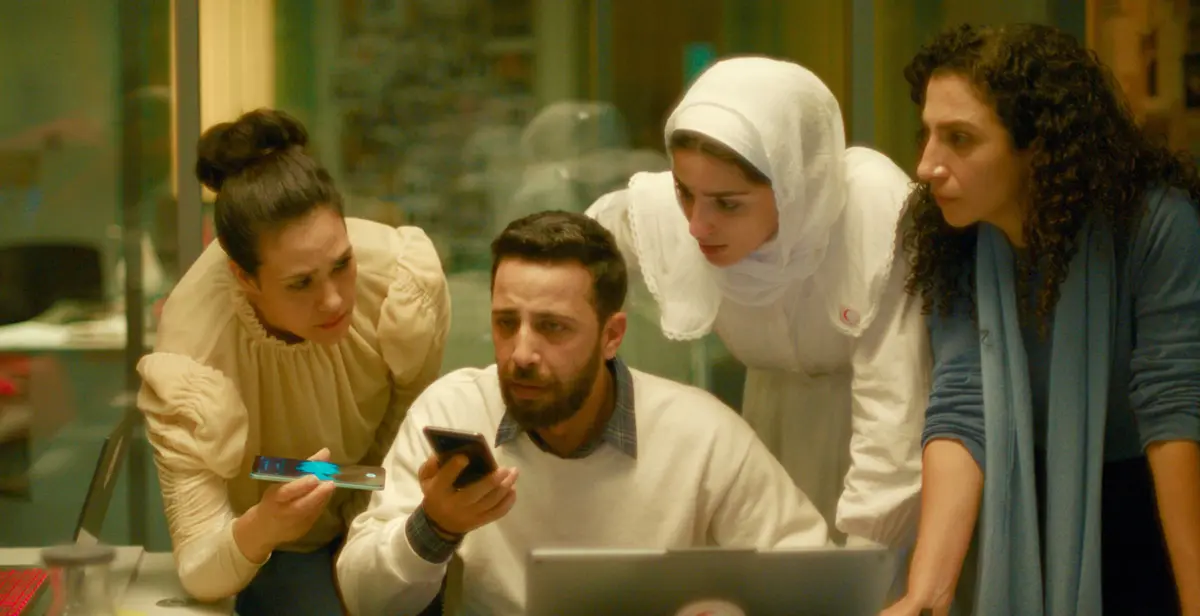
The intersection of contemporary geopolitical crises and global cinema has always served as a critical arena for cultural expression, ideological confrontation, and moral scrutiny. In January 2024, the international film community found itself thrust into a high-stakes dialogue concerning artistic accountability, political censorship, and the institutional frameworks governing major film festivals. At the center of this cultural flashpoint was renowned Tunisian filmmaker Kaouther Ben Hania, alongside her critically acclaimed and Academy Award-nominated documentary, Four Daughters (Les Filles d’Olfa).
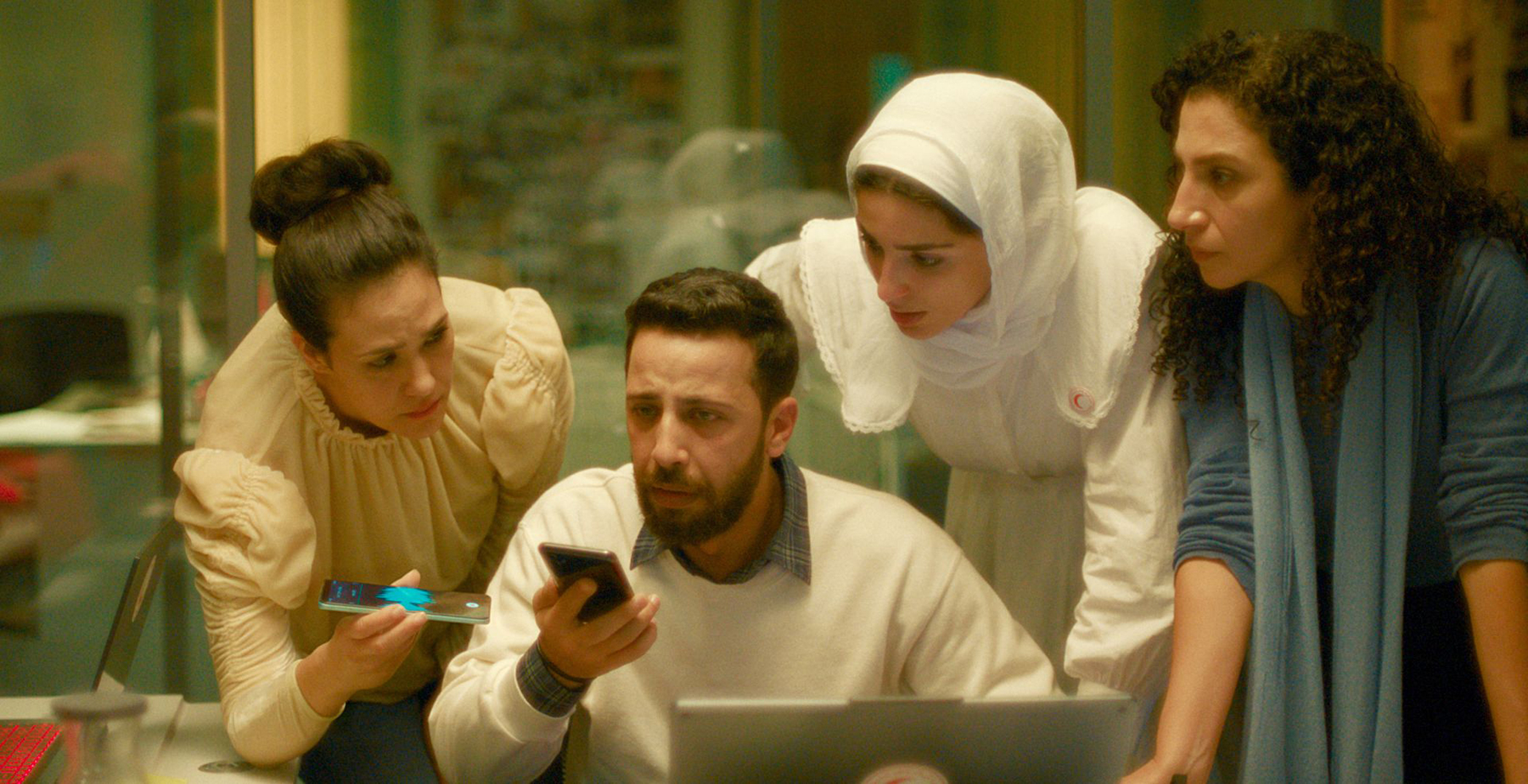
Ben Hania, celebrated globally for her daring hybrid documentary style that seamlessly merges fiction with rigorous investigative journalism, faced intense scrutiny and institutional friction regarding her public statements on the Israel-Hamas conflict. The events of early 2024 underscored a growing anxiety within the European and international cultural establishments: how to balance the expanding parameters of freedom of expression with the entrenched political sensitivities surrounding Middle Eastern geopolitics.
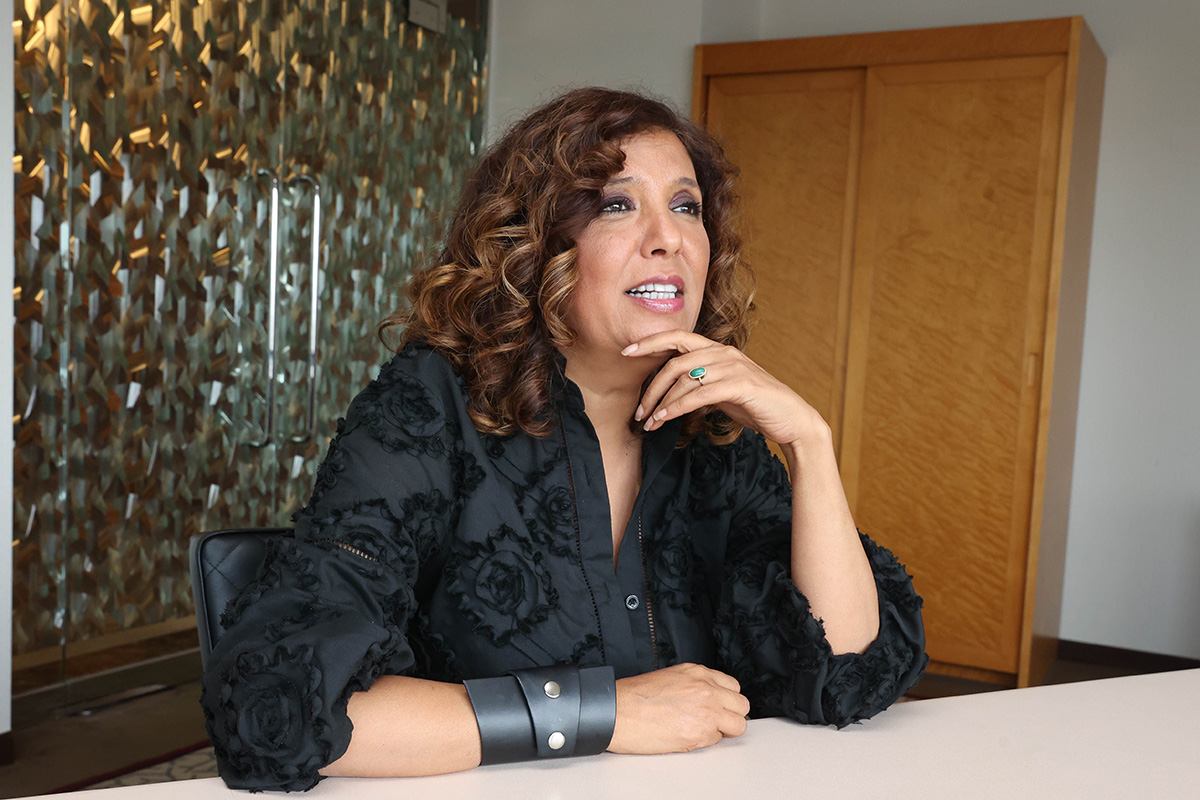
This article explores the comprehensive narrative surrounding Kaouther Ben Hania’s 2024 statements, the critical reception of Four Daughters, the institutional reactions of festival organizers and funding bodies, and the broader implications for artists navigating the treacherous waters of political activism within the global film industry.
Detailed Chronology: The January 2024 Flashpoint
The timeline of events that brought Kaouther Ben Hania and her work to the forefront of political debate escalated rapidly following the global rollout of her award-winning projects and subsequent public commentary.

- January 29, 2024: Amidst growing geopolitical tensions stemming from the escalation of hostilities in the Middle East, Kaouther Ben Hania utilized her platform at international film forums to address the humanitarian crisis. Her commentary—focused on the plight of civilians and the moral obligations of cultural institutions—immediately triggered polarized reactions across European film circles.
- Early 2024 Awards Season: Four Daughters continued its historic run following its premiere at the 76th Cannes Film Festival, where it competed for the prestigious Palme d’Or. The film secured an Academy Award nomination for Best Documentary Feature at the 96th Academy Awards, bringing unprecedented global visibility to Ben Hania’s distinct stylistic methodology.
- Spring-Summer 2024: As the documentary maintained its theatrical and streaming momentum, cultural institutions across Europe began facing mounting pressure from advocacy groups, political bodies, and audiences. The core debate centered on whether filmmakers receiving public arts funding should be held to specific diplomatic or political standards when addressing international conflicts.
- August 2024: The friction reached a new institutional peak when questions regarding the political alignment of funding agencies, festival juries, and artist safety dominated industry panels. Reports surfaced regarding cancelled screenings and revised panel participation for artists expressing solidarity with Palestinian civil society, illuminating a widening chasm between institutional caution and artistic defiance.
Supporting Context & Metrics: The Cinematic Landscape of Kaouther Ben Hania
To fully grasp the gravity of the 2024 controversies, one must examine the institutional pedigree of Kaouther Ben Hania. Born in Tunisia in 1977, Ben Hania has steadily constructed a formidable body of work that challenges the boundaries of documentary filmmaking.
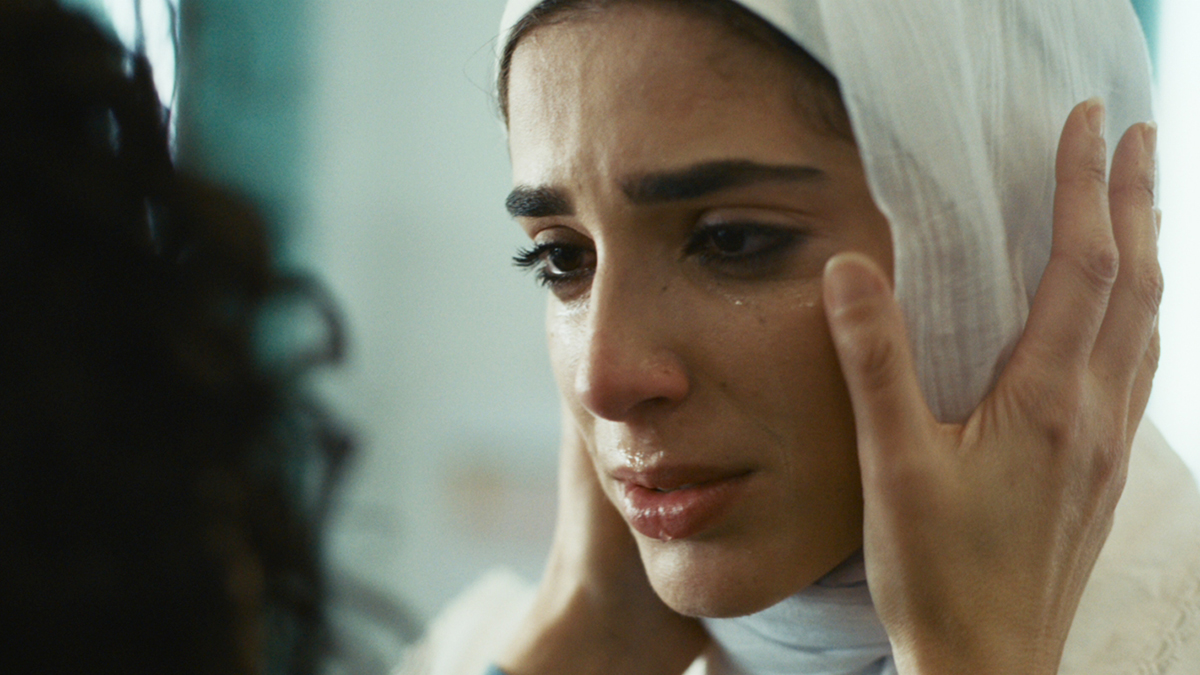
Key Filmography and Accolades:
- The Challat of Tunis (2014): Selected for the ACID section at the Cannes Film Festival, this satirical mockumentary established Ben Hania’s voice as a sharp critic of societal hypocrisy and gender politics in post-revolution Tunisia.
- Beauty and the Dogs (2017): Premiering in the Un Certain Regard section at Cannes, this gripping narrative feature tackled institutional corruption and sexual violence within the Tunisian legal system, earning critical acclaim and international distribution.
- Four Daughters (2023): Ben Hania’s masterwork to date. The film competed for the Palme d’Or at the 76th Cannes Film Festival, won the Golden Eye (L’Œil d’or) for best documentary, and went on to secure an Academy Award nomination for Best Documentary Feature.
Four Daughters utilizes an innovative hybrid structure, casting professional actresses alongside real-life subjects (Olfa Hamrouni and her surviving daughters) to reconstruct the harrowing descent of two radicalized sisters into extremism. The film’s critical success lies precisely in its refusal to offer simple moral binaries; it investigates the complex web of familial love, societal oppression, state patriarchy, and religious radicalization. Because the film deals directly with radicalization, systemic violence, and trauma, it naturally primed audiences and critics to examine Ben Hania’s subsequent real-world political commentary through a similarly analytical lens.
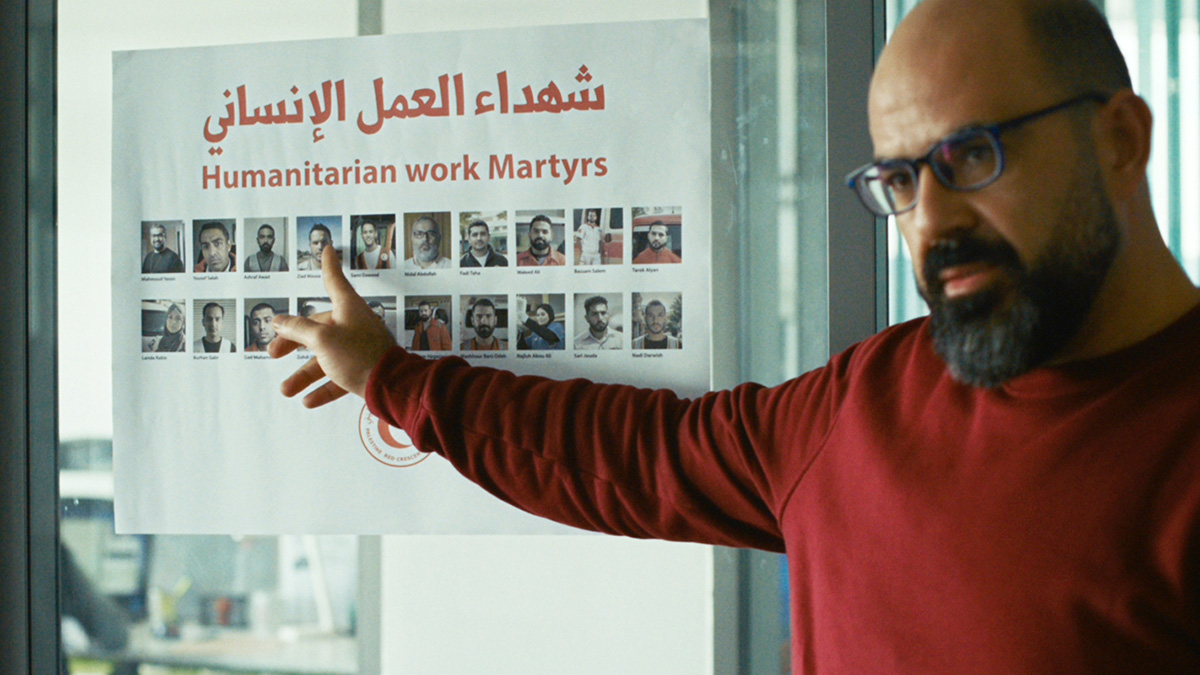
Official Statements and Institutional Repercussions
The reaction of cultural institutions to Ben Hania’s political stances revealed deep ideological fault lines within the global arts community.
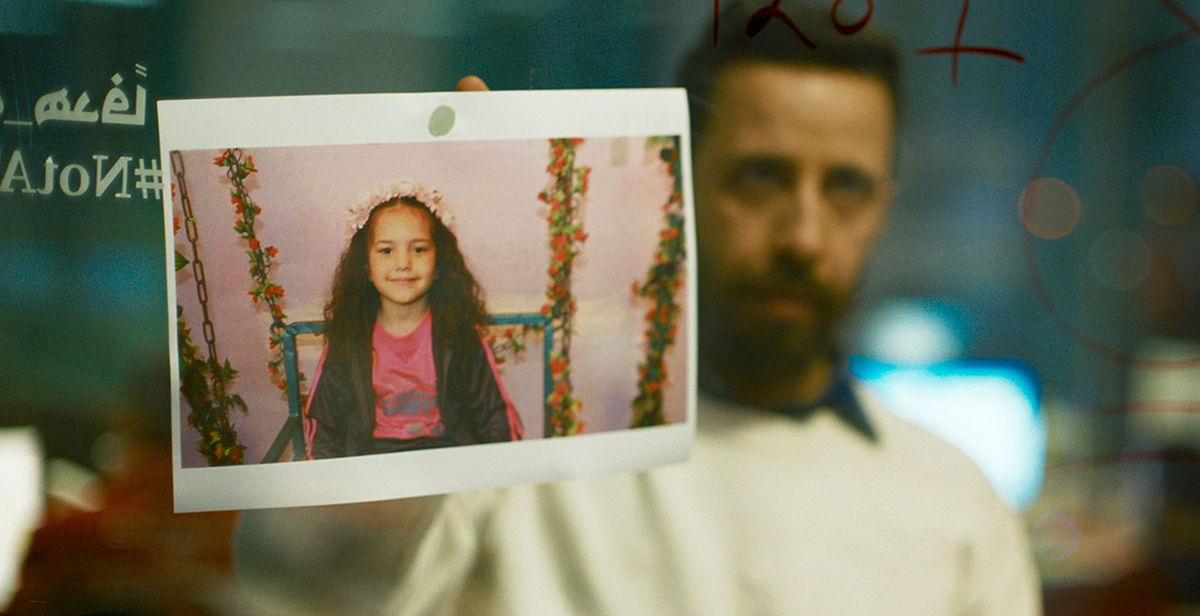
The Push for Institutional Neutrality vs. Artistic Activism
Major European film festivals and funding bodies operate within delicate financial and diplomatic ecosystems, frequently reliant on state subsidies, municipal backing, and international co-productions. When prominent filmmakers like Ben Hania use their acceptance speeches or festival red carpets to voice political convictions regarding Middle Eastern conflicts, institutions often find themselves caught between competing imperatives:

- The Principle of Free Expression: Defended fiercely by creative unions, human rights organizations, and progressive filmmakers, who argue that cinema is inherently political and that artists possess an absolute right—if not a moral obligation—to speak out against injustice.
- The Demand for Institutional Neutrality: Pushed by corporate sponsors, government cultural ministers, and conservative stakeholders, who argue that film festivals should remain "apolitical spaces" dedicated strictly to aesthetic and cinematic merit rather than geopolitical polarization.
In Ben Hania’s case, her public engagements following the release of Four Daughters led to intense debates among festival programmers. While some institutions embraced her vocal stance as a testament to the courage required of modern auteurs, others quietly distanced themselves, fearing political blowback or the withdrawal of state-backed cultural grants.
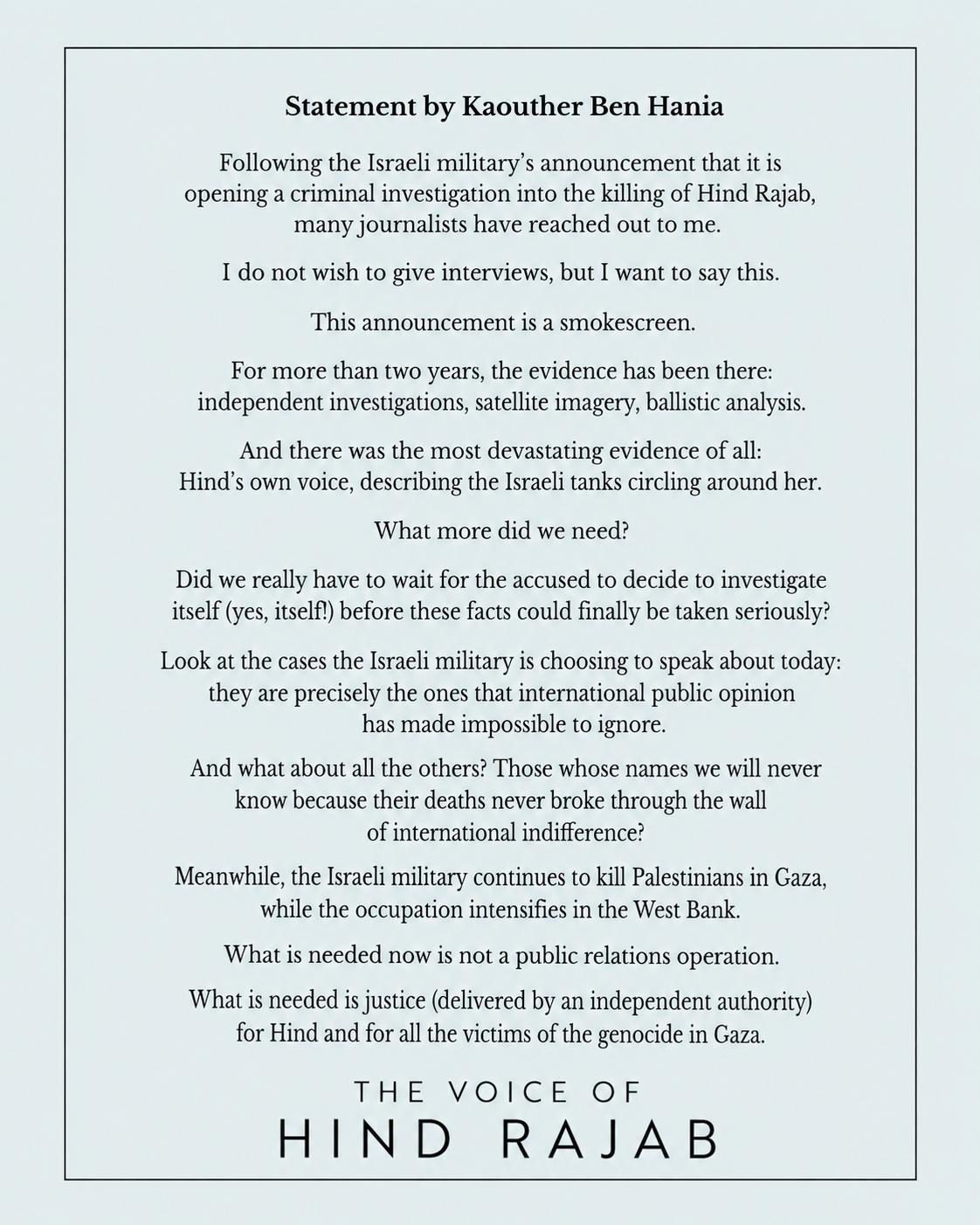
Cultural Resonance: Bridging the Personal and the Political
The aesthetic framework of Four Daughters provides a profound lens through which to understand Ben Hania’s off-screen activism. By employing actors to step into the lives of real individuals undergoing unimaginable trauma, the film blurs the line between objective truth and subjective emotional reality.

When applied to geopolitical discourse, this methodology mirrors Ben Hania’s approach to public advocacy: she refuses to let institutional actors hide behind bureaucratic language or sanitized diplomatic communiqués. Instead, she forces audiences to confront the human cost of political decisions.

Industry analysts noted that the backlash faced by Arab and Middle Eastern filmmakers in European institutions during 2024 highlighted a systemic double standard. While Western filmmakers frequently receive critical acclaim and institutional protection for engaging with political controversies in their home countries or allied nations, filmmakers from the Global South speaking out against Western foreign policy or allied military actions often face professional marginalization, funding freezes, or intensified administrative oversight.
Future Outlook: The Shifting Paradigm of Global Cinema
As the global film industry moves past the turbulent milestones of 2024, the debates sparked by Kaouther Ben Hania and her peers have permanently altered the landscape of international film festivals.

Key Takeaways for the Future of Film Festivals:
- Redefining Codes of Conduct: Major festivals—including Cannes, Venice, and Berlin—are currently re-evaluating their internal guidelines regarding political speech on red carpets and acceptance stages. Balancing the safety of international attendees with unrestricted freedom of expression remains an ongoing administrative challenge.
- The Rise of Independent Solidarity Networks: In response to perceived institutional censorship and pressure, independent filmmakers are increasingly forming transnational solidarity networks. These coalitions aim to protect artists facing professional retaliation for their political views, ensuring alternative distribution channels for politically charged cinema.
- The Evolution of Hybrid Storytelling: As demonstrated by the enduring legacy of Four Daughters, audiences are increasingly drawn to cinema that refuses to separate artistic form from socio-political reality. The demand for authentic, investigative, and formally daring documentaries will likely continue to grow, pushing filmmakers to engage directly with the most pressing crises of our time.
In conclusion, Kaouther Ben Hania’s experiences in 2024 serve as both a cautionary tale and a beacon of artistic resilience. They demonstrate that while institutional power structures can attempt to moderate or marginalize political dissent, the unyielding intersection of powerful storytelling and moral conviction will continue to shape the conscience of global cinema for generations to come.





Belum ada komentar. Jadilah yang pertama berkomentar!