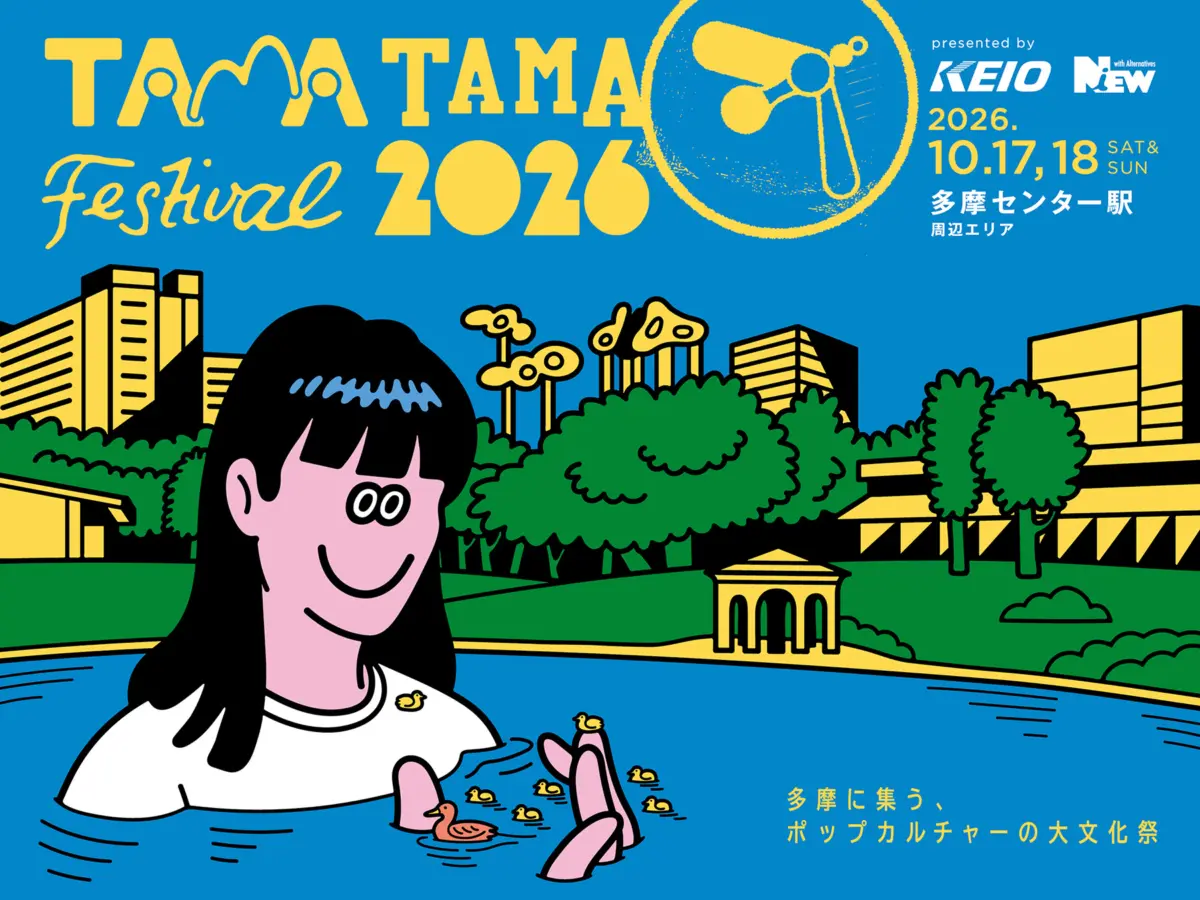
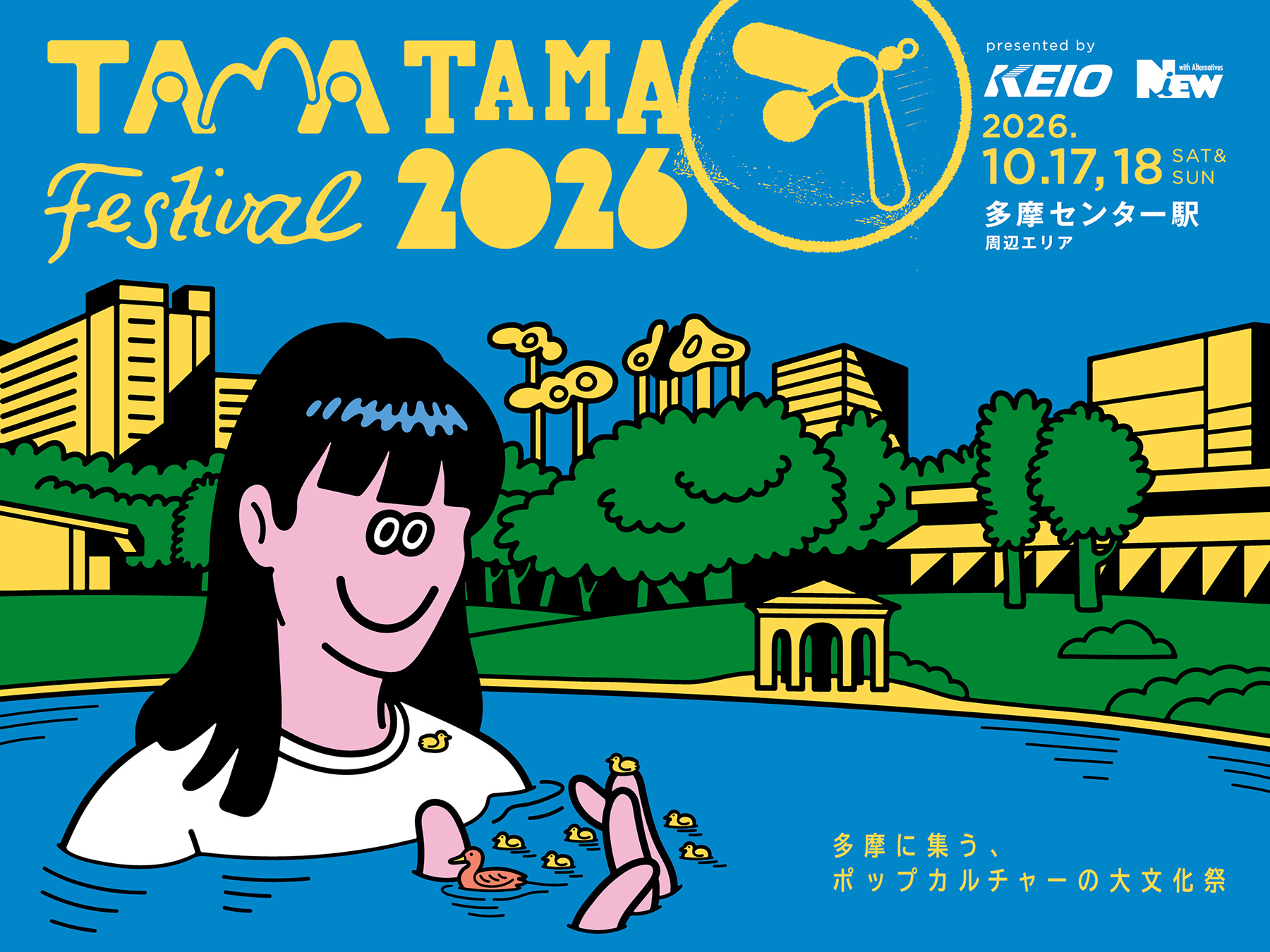
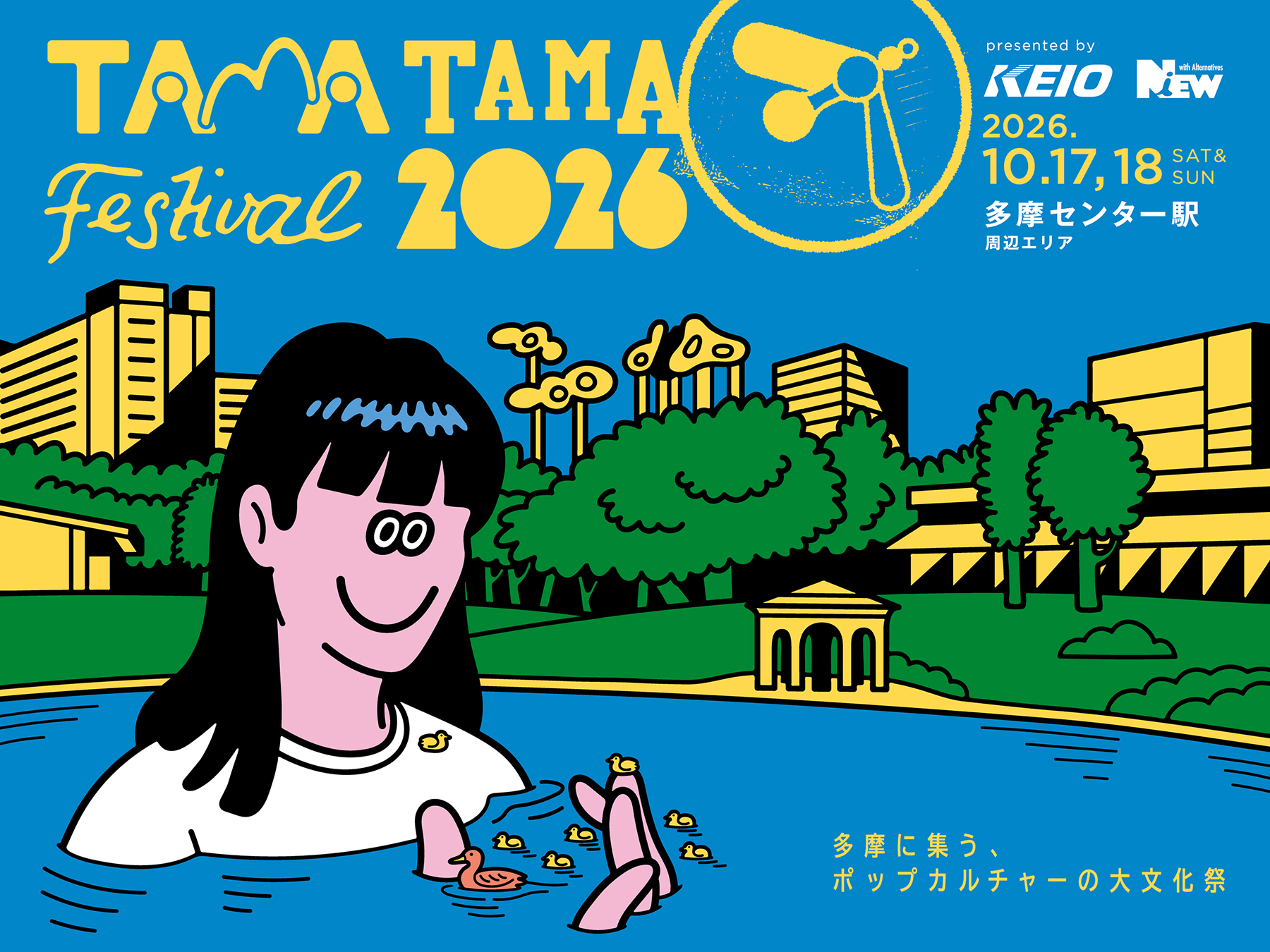
The intersection of urban planning, community-driven placemaking, and contemporary culture is set to reach a monumental high point with the upcoming TAMATAMA FESTIVAL 2026. Scheduled for the weekend of October 17 and October 18, 2026, this expansive multidisciplinary festival will occupy the sprawling urban landscape of the Tama Center Station area in Tama City, Tokyo.
Organized in close collaboration with the modern cultural curation platform NiEW, the festival is more than a mere weekend of musical performances and art exhibitions; it is a profound manifestation of urban revitalization. By activating three distinct, core zones—NiEW TOWN PARTY, TAMATAMA PALACE, and TAMATAMA PARK—the festival aims to breathe vibrant new energy into one of Japan’s most historically significant post-war planned communities.
Tama New Town, once designed as a monolithic suburban housing solution to accommodate Tokyo’s post-war demographic boom, has faced the complex challenges of an aging population and changing generational dynamics. The TAMATAMA FESTIVAL 2026 serves as an ambitious laboratory for cultural regeneration. By merging boundary-pushing independent music, localized gastronomy, design pop-ups, immersive family activities, and interactive public installations, the organizers are transforming urban infrastructure into a living canvas.
This comprehensive report provides a deep investigative look into the programmatic structure, institutional partnerships, musical lineups, and socio-cultural implications of the 2026 edition of the TAMATAMA FESTIVAL.
Detailed Chronology & Area-by-Area Breakdown
The festival infrastructure is strategically divided into three major hubs, ensuring a seamless flow of visitors across the Tama Center district while offering distinct aesthetic and experiential environments.
1. NiEW TOWN PARTY (Urban Street & Venue-Hopping Circuit)
Serving as the pulsing cultural arterial network of the festival, NiEW TOWN PARTY activates indoor spaces, local businesses, and commercial plazas across the Tama Center area. It acts as an open invitation for festival-goers to drift between curated retail spaces, cafes, and pop-up markets.
exPoP!!!!! @ TAMATAMA 2026:
A cornerstone of the festival’s musical offerings, this renowned showcase platform—supported by NiEW—takes over local venues from its inception year onwards. It presents a meticulously curated lineup featuring cutting-edge acoustic trios, synth-pop visionaries, and indie rock stalwarts across 10 distinct showcase slots.
TAMA Collaboration Market in TAMA:
Bridging regional commerce with creative curation, this initiative features pop-up booths from notable Tokyo-based lifestyle brands, independent record shops, and artisan food purveyors. Participating entities include Patta Nakameguro, Hi,Spice, and localized creative syndicates, establishing a marketplace where urban design meets neighborhood utility.
NiEW STREET:
Positioned in the open plazas surrounding the station, NiEW STREET showcases high-end lifestyle products, zines, and sustainable design goods. Featured merchants include AYUMIMI Jewelry, Root-A, kahogo soap, and craft beer purveyors like DREAMBEER, alongside artisan bakeries (moibakery, HUGSY DOUGHNUT).
2. TAMATAMA PALACE (The Ticketed Music & Performance Hub)
For those seeking a world-class concert experience, TAMATAMA PALACE serves as the primary ticketed performance arena, bringing together heavy-hitting indie rock, alternative pop, and electronic acts for unforgettable live sets.
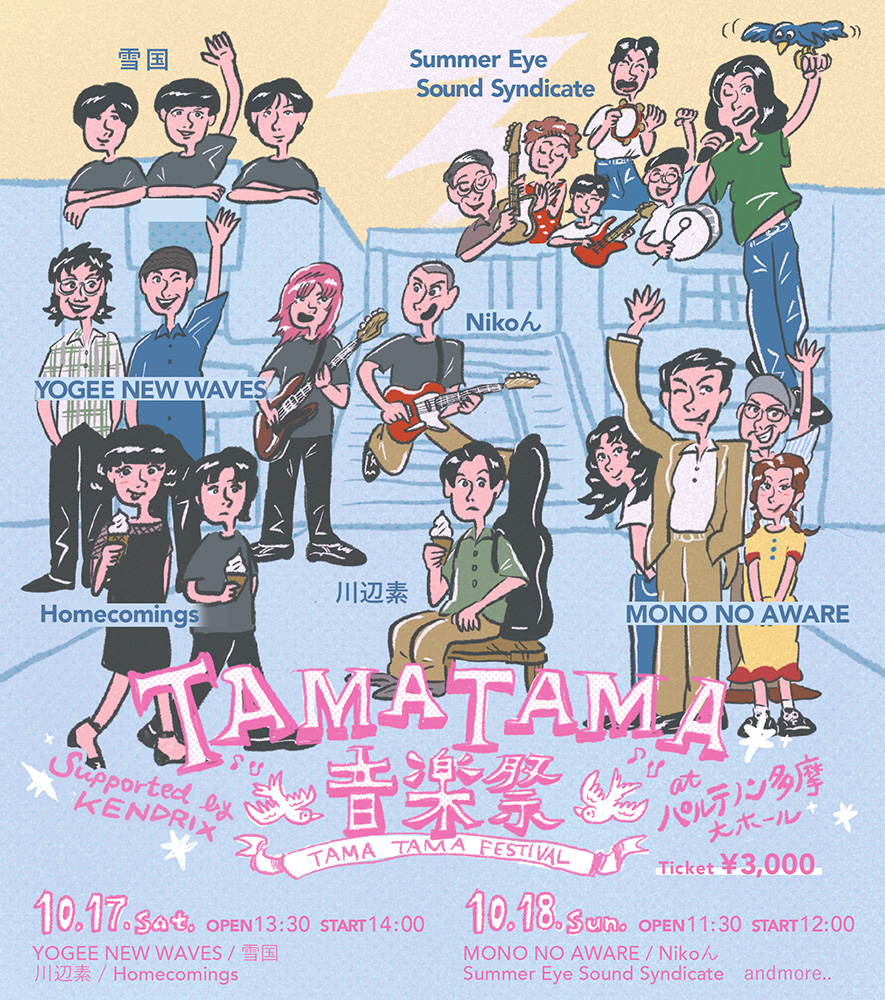
TAMATAMA Music Festival supported by KENDRIX:
The premier ticketed indoor music experience features two stellar daily lineups.
Day 1 (Saturday, October 17): Opens at 13:30 (Start 14:00) with performances by Yogee New Waves, Homecomings, Mono No Aware (alternate billing context), and special guests.
Day 2 (Sunday, October 18): Opens at 11:30 (Start 12:00) featuring MONO NO AWARE, Summer Eye Sound Syndicate, and unique collaborative acts.
The "Slow Living" & Podcast Installations:
Running concurrently with the musical performances, collaborations with audio streaming networks such as Artistspoken bring intimate, narrative-driven live podcast recordings and spoken-word performances to festival attendees, exploring themes of modern suburban solitude, creativity, and lifestyle design.
Museum for New Town:
Located on the 4th floor of the central building, this exhibition space offers an architectural and historical retrospective of Tama New Town. Through archival photography, urban planning schematics, and multimedia installations, it frames the festival within the broader historical context of Japanese urban development.
3. TAMATAMA PARK (Community, Family, and Open-Air Cultural Stage)
Designed to be the democratic heart of the festival, TAMATAMA PARK occupies the lush green spaces of the central park area, offering free-to-attend family programming, interactive workshops, and large-scale public art.
Open-Air Stage & Community Showcases:
Featuring participatory dance troupes (AWESOME DANCE CREW, iko), local brass bands, theatrical performances, and youth-led artistic initiatives. The programming is specifically designed to be multigenerational, ensuring that toddlers, parents, and grandparents find common ground in cultural expression.
Playground for Everyone:
An inclusive play zone that integrates sensory-friendly installations, sustainable timber play structures, and interactive sound sculptures. It reflects the festival’s commitment to accessibility and universal design principles.
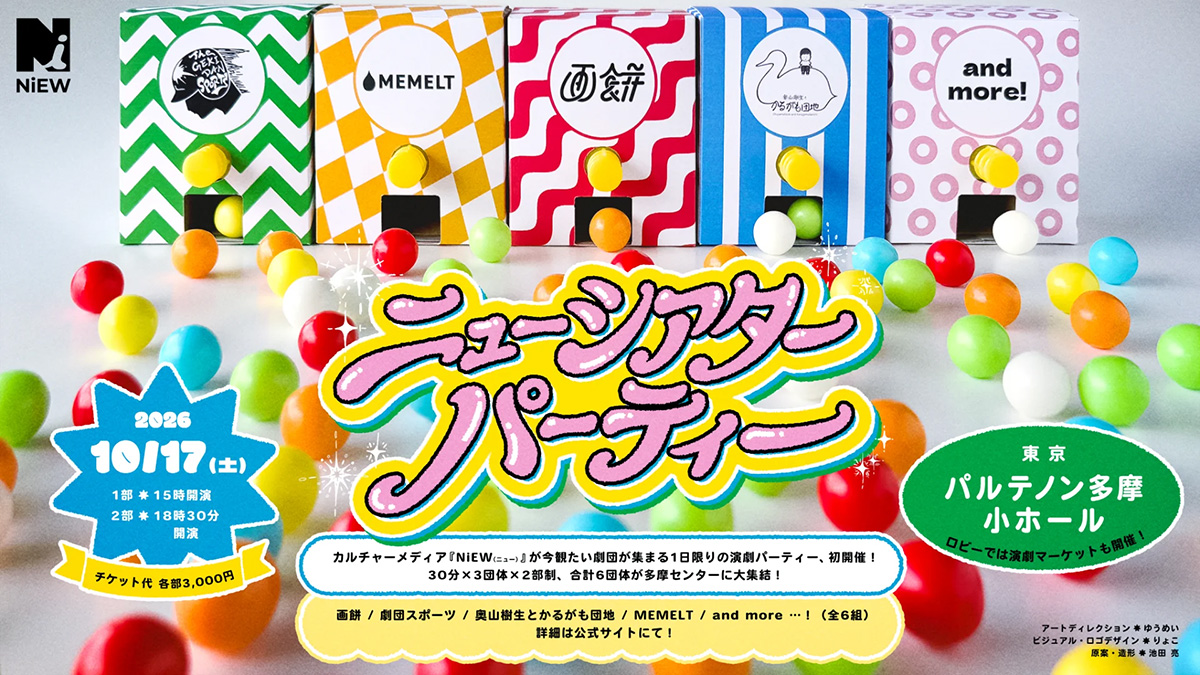
CoRich Drama Festival Lite:
Celebrating contemporary theater, this mini-festival within the park showcases short-form experimental plays by emerging theater troupes, turning park benches and open lawns into impromptu dramatic stages.
Supporting Context & Metrics: Reimagining the Suburb
To understand the true significance of the TAMATAMA FESTIVAL 2026, one must examine the socio-economic backdrop of Tama New Town itself. Conceived in the late 1960s as a futuristic residential haven to ease Tokyo’s housing crisis, the district grew rapidly through the 1970s and 1980s. However, like many post-war planned communities globally, it eventually confronted the dual pressures of infrastructural aging and demographic transition—specifically, the rapid aging of its original resident base.
The TAMATAMA FESTIVAL acts as a deliberate counter-narrative to the "dwindling suburb" trope. By injecting contemporary youth culture, independent music, and design-forward commerce into the urban fabric, the festival attracts thousands of visitors from central Tokyo and surrounding prefectures, proving that suburban spaces can serve as fertile ground for avant-garde cultural production.
Key Operational Metrics & Financial Frameworks:
Ticket Pricing Structure: To ensure economic accessibility, advanced tickets for the TAMATAMA PALACE indoor concerts are competitively priced at 3,000 JPY, with student discounts and localized community packages available.
Sponsorship & Institutional Support: The festival is backed by strategic partnerships with public-private entities, cultural grants, and industry leaders such as KENDRIX (music creator support platform) and Artistspoken.
Sustainability Protocols: Organizers have implemented rigorous waste-reduction, recycling, and local sourcing initiatives, partnering with eco-friendly vendors to minimize the event’s carbon footprint.
Official Statements & Institutional Perspectives
In official statements released by the executive committee and partnering cultural organizations, the philosophical core of the festival is repeatedly emphasized as an exercise in "relational urbanism."
"Tama New Town is not merely a historical relic of 20th-century urban planning; it is a living, breathing ecosystem that has matured alongside its residents. Through the TAMATAMA FESTIVAL, we are not trying to impose a superficial cool onto the suburbs. Rather, we are unearthing the latent creative potential embedded within these neighborhoods, connecting generations through music, art, and shared public space."
— Executive Committee Statement, NiEW / TAMATAMA FESTIVAL 2026
Institutional partners like KENDRIX have echoed these sentiments, noting that empowering independent musicians by placing them in non-traditional, suburban performance environments fosters creative resilience and broadens audience demographics beyond the standard Tokyo nightlife hubs of Shibuya or Shinjuku.
Furthermore, community leaders have praised the inclusion of the Museum for New Town and participatory workshops, which encourage younger generations to critically engage with the architectural and social history of their environment. By treating the suburb as a legitimate site for contemporary art curation, the festival challenges the cultural hegemony of inner-city districts.
Future Outlook: A Blueprint for Suburban Revitalization
As preparations for October 2026 enter their final phases, the broader implications of the TAMATAMA FESTIVAL are already drawing attention from urban planners, sociologists, and cultural strategists across Japan and internationally.
Can temporary cultural events spark permanent urban transformation? The organizers of the TAMATAMA FESTIVAL believe they can—provided those events are deeply rooted in the local community rather than parachuted in as transient spectacles. By establishing continuous dialogues between local merchants, municipal authorities, Tokyo-based creatives, and long-term residents, the festival lays the groundwork for sustained economic and cultural vitality.
Following the conclusion of the 2026 edition, archival documentation, research papers on suburban placemaking, and post-festival community forums are planned to translate the weekend’s successes into long-term policy recommendations for aging planned communities.
For music lovers, design enthusiasts, and urban explorers, October 17 and 18, 2026, will mark an essential pilgrimage to the western edges of Tokyo—proving that the future of urban culture just might be happening in the suburbs.





Belum ada komentar. Jadilah yang pertama berkomentar!