

Executive Overview
For over three decades, the Mortal Kombat franchise has reigned as a titan of the fighting game genre, embedding unforgettable catchphrases, visceral combat, and a pantheon of legendary characters into pop culture history. Among the most enduring symbols of this multi-media empire is Shang Tsung, the treacherous, soul-stealing sorcerer whose sinister machinations set the original tournament into motion.
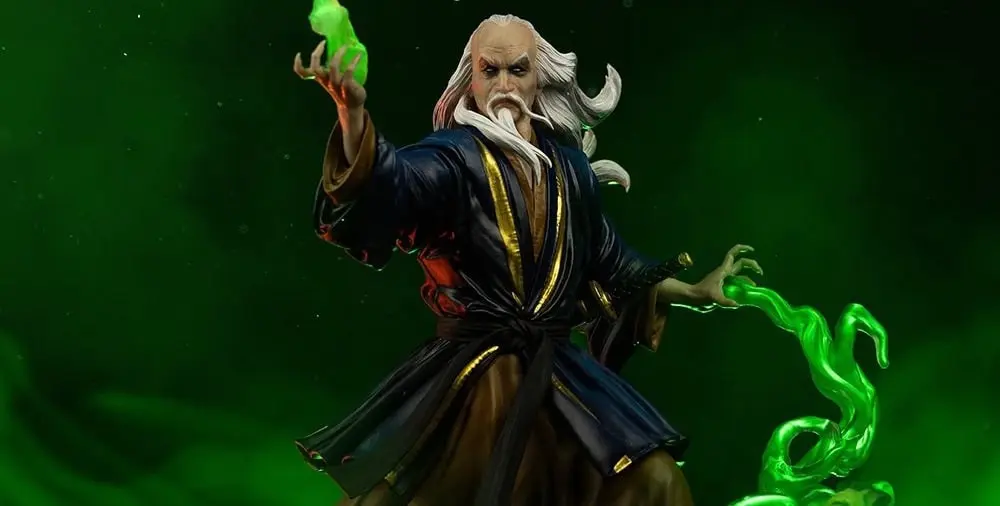
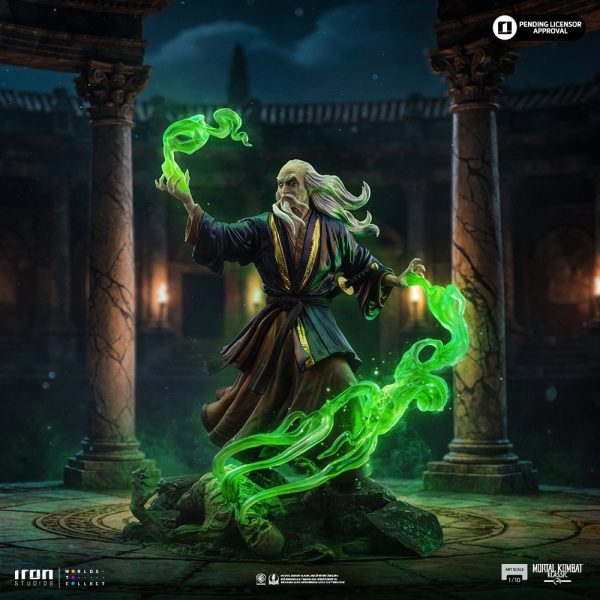
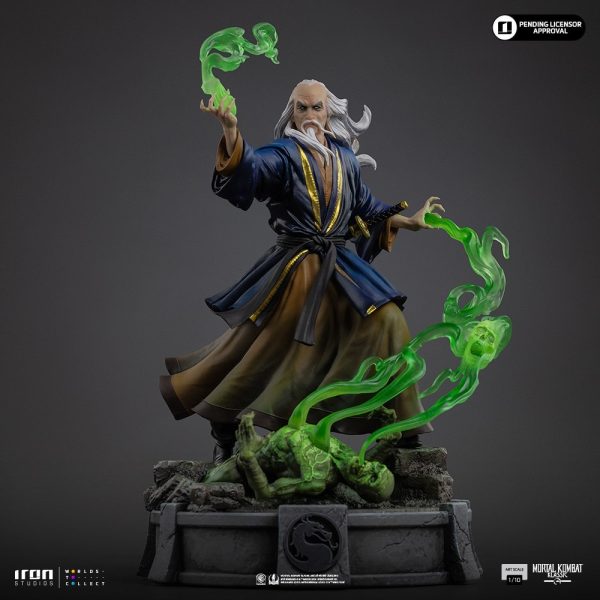
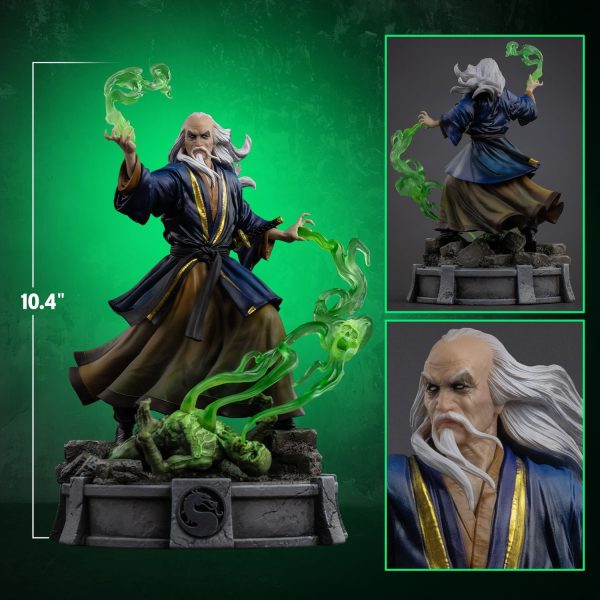
Now, high-end collectible manufacturer Iron Studios—in collaboration with Sideshow Collectibles—is breathing tangible life into the character’s most nostalgic iteration. Expanding their acclaimed Mortal Kombat Klassic line, Iron Studios has officially unveiled a breathtaking 1:10 scale Art Scale statue of Shang Tsung. Capturing the character in his classic, aged appearance from the foundational era of the arcade franchise, this limited-edition, hand-painted polystone piece is poised to become a crown jewel for serious collectors and fighting game purists alike.
Available for pre-order now, the statue translates the dark fantasy aesthetics of 1990s gaming into a museum-quality display piece. Featuring meticulous sculpting, dynamic texturing, and an undeniable aura of malevolence, this release underscores the enduring commercial and cultural viability of the original Mortal Kombat lore. This comprehensive report explores the anatomy of the new collectible, traces the history of the Mortal Kombat Klassic line, examines the broader economics of high-end gaming statues, and analyzes what this release means for the future of pop culture merchandising.

Detailed Chronology: From Arcade Cabinets to Polyresin Masterpieces
To fully appreciate the significance of Iron Studios’ new offering, one must understand the historical trajectory of Shang Tsung within the Mortal Kombat universe and the evolution of video game merchandising over the past thirty years.
1992–1995: The Genesis of a Sorcerer
When Midway Games released the original Mortal Kombat arcade cabinet in 1992, it revolutionized the industry through digitized sprite technology, digitized actors, and unprecedented levels of blood and gore. At the center of the narrative was Shang Tsung, the final boss and grand host of the tournament on the Island of Shang Tsung. Portrayed memorably by actor Ho-Sung Pak in the original game (and later by Cary-Hiroyuki Tagawa in the seminal 1995 live-action feature film), the character established the trope of the shape-shifting, soul-consuming antagonist.
In his classic design, Shang Tsung appeared as an elderly, wizened sorcerer—stooped with age yet radiating immense, dark magical power. Draped in ornate, traditional Asian-inspired robes with skeletal facial features and long, flowing white hair, this aged look became the definitive visual benchmark for the character during the 16-bit console era (Sega Genesis, Super Nintendo) and the peak of arcade culture.
The Rise of High-End Collecting
For decades, merchandise tied to fighting games was largely limited to plastic action figures, strategy guides, and arcade posters. However, the turn of the 21st century witnessed a radical shift in consumer demographics. As the children who pumped quarters into arcade cabinets grew into financially stable adults with disposable income, a robust market for high-end, adult-oriented collectibles emerged.
Companies like Sideshow Collectibles, Prime 1 Studio, and Iron Studios bridged the gap between traditional fine art sculpture and pop-culture fandom. Polystone statues—prized for their weight, capacity for razor-sharp detail, and durability—replaced cheap PVC toys as the gold standard for high-end displays.
The Iron Studios Mortal Kombat Klassic Initiative
Recognizing the massive reservoir of nostalgic goodwill surrounding the original trilogy (Mortal Kombat, Mortal Kombat II, and Ultimate Mortal Kombat 3), Iron Studios launched their Mortal Kombat Klassic line. The initiative was designed to capture specific, instantly recognizable combatants in poses that evoke their classic arcade win-animation stances or signature special moves.
Previous entries in the line have celebrated iconic fighters such as Scorpion, Sub-Zero, Raiden, and Reptile, treating each character with a level of reverence typically reserved for classical mythology or high-fantasy literature. The introduction of Shang Tsung bridges a vital gap in the line, finally giving the primary antagonist of the original game a dedicated, premium representation alongside his victims and rivals.
Anatomical Breakdown: Exploring the Shang Tsung 1:10 Art Scale Statue
At a 1:10 scale—part of Iron Studios’ popular Art Scale format—the Shang Tsung statue strikes an optimal balance between imposing shelf presence and spatial efficiency. Measuring in at an expertly proportioned size, the piece is packed with narrative details that pay homage to his lore.
Sculpting and Likeness
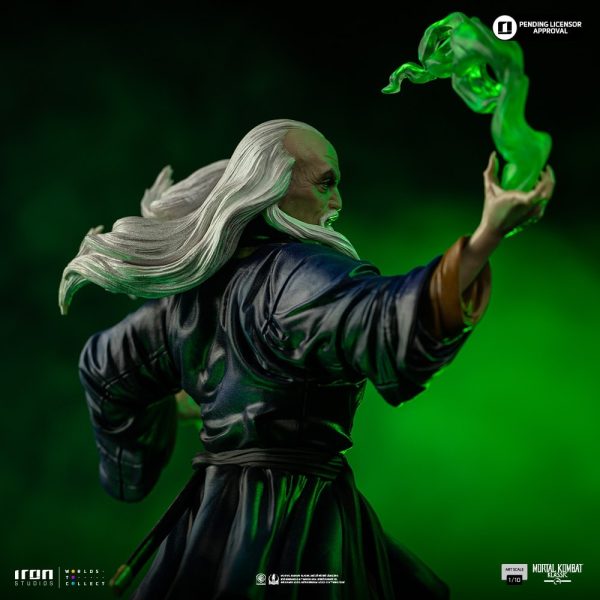
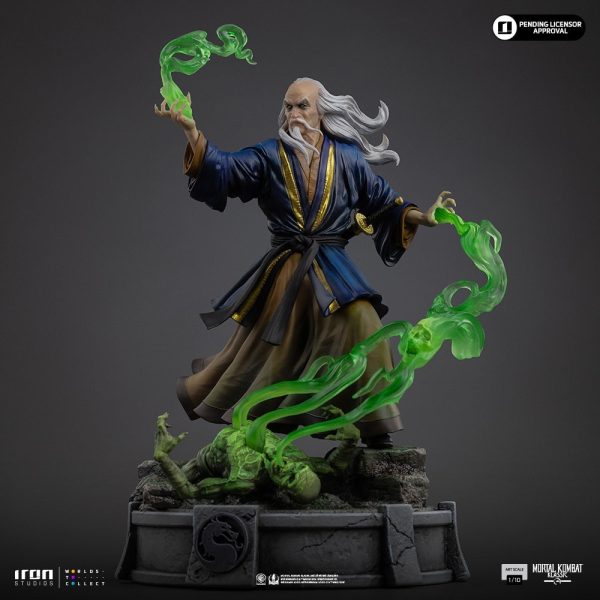
The most striking element of the sculpt is the uncompromising fidelity to his aged arcade appearance. The facial features are deeply weathered, featuring sunken cheeks, a sharp, cruel nose, and cold, calculating eyes that seem to peer directly into the viewer’s soul. His long white hair and cascading mustache are sculpted with individual strand-level precision, defying the limitations typically associated with a 1:10 medium.
Costume and Texturing
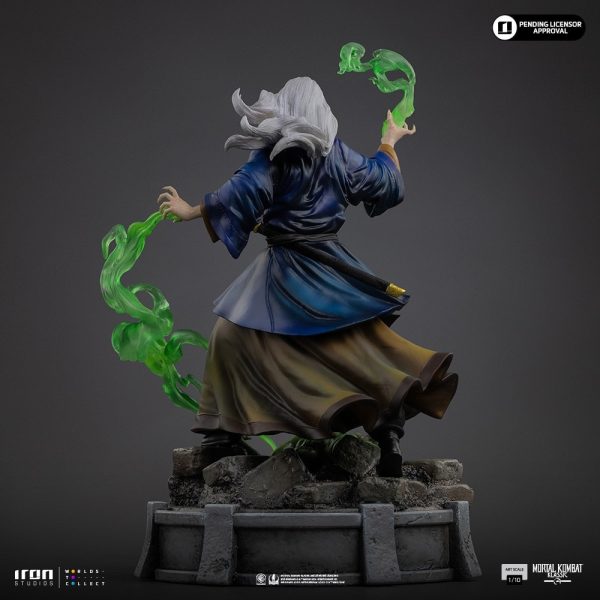
Shang Tsung’s traditional sorcerer attire has been brought to life with extraordinary textile realism. The folds, creases, and frayed edges of his layered robes are rendered to mimic heavy, worn fabrics. Metallic accents on his arm guards and belt feature an antiqued bronze finish, suggesting centuries of use in combat and arcane ritual. Every element of his wardrobe is designed to evoke a sense of ancient, timeless evil.
The Base and Environmental Storytelling
True to Iron Studios’ signature style, Shang Tsung does not stand on a plain, flat disc. The statue is anchored to a meticulously detailed thematic base that recreates the mystic, otherworldly atmosphere of Outworld and the tournament grounds. Torches, cracked stone tiles, and subtle references to his soul-stealing mechanics are integrated into the environmental design, elevating the piece from a simple character model to a self-contained narrative vignette.
Hand-Painted Craftsmanship
Because each statue in this limited run is hand-painted, subtle variations ensure that no two pieces are entirely identical. Expert artisans employ advanced shading, dry-brushing, and washing techniques to create realistic skin tones, fabric weathering, and magical glow effects. This dedication to manual craftsmanship guarantees that the final product shipped to collectors mirrors the high-fidelity promotional imagery released by the manufacturer.
Supporting Context & Metrics: The Collectible Market in 2026
To understand why the announcement of an aged Shang Tsung statue generates immense industry buzz, one must analyze the current economic and cultural landscape of the high-end collectible industry.
The Nostalgia Economy
The mid-1990s gaming boom represents a golden era of intellectual property that continues to yield high returns for rights holders and manufacturers alike. According to market research from consumer goods analysts, collectibles tied to nostalgic media from the 1980s and 1990s consistently outperform newer properties in terms of pre-order conversion rates. Adults aged 35–55—the generation that grew up playing arcade cabinets—comprise the primary demographic driving the high-end statue market.
Scale Efficiency (1:10 vs. 1:4)
While massive 1:4 scale statues have their place in dedicated collector dens, they often face resistance from consumers due to prohibitive pricing (frequently exceeding $800 to $1,500) and severe spatial requirements. Iron Studios’ strategic focus on the 1:10 Art Scale format addresses this friction point directly. By offering museum-grade sculpting and painting at a more accessible price point and a manageable footprint (usually ranging between 7 to 10 inches in height), Iron Studios has democratized high-end collecting, allowing fans to curate entire rosters of characters without converting an entire room into a showroom.
The Digital-to-Physical Pipeline
The creation of modern polystone statues relies heavily on advanced 3D digital sculpting assets, often sourced directly from game developers or recreated from high-definition game assets (such as NetherRealm Studios’ modern iterations of classic skins). This seamless pipeline ensures absolute accuracy, satisfying the discerning eye of modern gamers who demand exact color palettes, proportional symmetry, and faithful representation of classic source material.
Official Statements and Industry Reception
While formal press releases from Sideshow and Iron Studios emphasize the craftsmanship and limited-edition nature of the release, the broader collector community has responded with overwhelming enthusiasm across enthusiast forums, social media channels, and specialty hobby outlets.
Manufacturer Vision
In joint promotional materials released alongside the pre-order launch, representatives from Sideshow and Iron Studios highlighted the thematic importance of including Shang Tsung in the Mortal Kombat Klassic lineup:
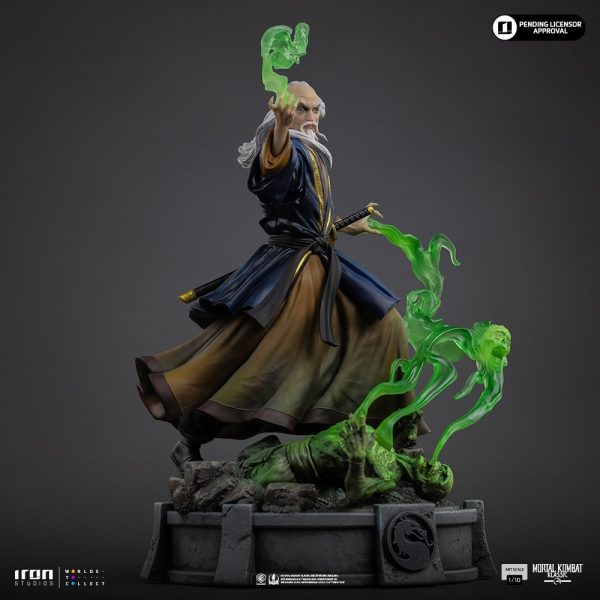
"From Mortal Kombat, this Hudson Art Scale Statue is limited edition, highly detailed, and hand-painted. Don’t miss your chance to add this Shang Tsung collectible to your Mortal Kombat collectibles display!"
Industry insiders note that capturing the aged version of Shang Tsung—rather than his younger, more athletic counterpart popularized in later sequels—was a deliberate nod to purists. The aged sorcerer represents the purest distillation of the character’s narrative role: a master manipulator who relies on cunning, dark magic, and psychological warfare rather than sheer physical prowess alone.
Community Reactions
On major collecting subreddits and enthusiast forums, the reception has been universally positive. Commenters have praised Iron Studios for avoiding the temptation to overly modernize or "beautify" the character, choosing instead to lean into the grim, eerie aesthetic that made the 1992 arcade game an underground cultural phenomenon. The inclusion of the textured base and the fidelity of the facial sculpt have been singled out as standout achievements for a 1:10 scale release.
Future Outlook: What’s Next for the Mortal Kombat Klassic Line?
The addition of Shang Tsung raises exciting questions regarding the future roadmap of Iron Studios’ Mortal Kombat license. Having already immortalized foundational combatants like Scorpion, Sub-Zero, Raiden, Reptile, and now the primary sorcerer himself, collectors are already speculating on which iconic fighters will receive the Art Scale treatment next.
Potential Future Additions
Fans are eagerly looking toward other heavy hitters from the original trilogy. Prominent figures on community wishlists include:
- Liu Kang: The definitive champion of Earthrealm and Shang Tsung’s ultimate rival.
- Kitana and Mileena: The lethal royal assassins whose iconic blue and magenta ninjette designs would translate brilliantly into polystone.
- Shao Kahn: The tyrannical Emperor of Outworld, whose massive stature would make for an awe-inspiring, premium-priced centerpiece statue.
- Johnny Cage and Sonya Blade: Rounding out the core human defenders of Earthrealm.
The Longevity of Physical Collectibles
In an era increasingly dominated by digital assets, NFTs, and in-game microtransactions, the booming market for physical statues proves that tactile ownership remains profoundly meaningful to fans. The ability to physically display a piece of gaming history—to own a meticulously crafted, hand-painted manifestation of a childhood memory—satisfies a deeply ingrained psychological need for tangible connection to cherished art.
As pre-orders for the Mortal Kombat Klassic Shang Tsung statue continue to roll in, it is clear that Iron Studios has struck gold once again. For fans of the arcade classic, the message is unmistakable: your shelf is waiting, and your soul belongs to Shang Tsung.





Belum ada komentar. Jadilah yang pertama berkomentar!