

Executive Overview
In the fast-paced ecosystem of digital content creation, few currencies are as valuable—or as fiercely contested—as the verification badge. For creators, artists, and public figures, that small symbol next to a channel name represents professional legitimacy, institutional recognition, and a hard-earned shield against impostors.
In September 2019, YouTube learned a harsh lesson about the weight of that symbol. Following a sweeping, poorly communicated announcement that threatened to strip thousands of established creators of their verified status, the platform faced an unprecedented wave of backlash from its core community.
What began as an administrative effort to resolve user confusion and combat identity theft quickly devolved into a public relations crisis. Creators felt alienated, betrayed, and blindsided by a policy shift that seemed to disregard years of community-building. Realizing it had "completely missed the mark," YouTube executed a rapid and rare about-face.
This comprehensive report examines the anatomy of the 2019 YouTube verification controversy. We will explore the initial policy changes, the data-driven rationales offered by the platform, the community uproar that forced a reversal, and the long-term implications of these events for digital platform governance and creator relations.
Detailed Chronology: From Policy Rollout to Rapid Reversal
To understand the magnitude of the 2019 YouTube verification crisis, it is essential to examine the sequence of events that unfolded over a frantic 48-hour period in September 2019.
The Initial Announcement
On September 19, 2019, YouTube published a blog post outlining major upcoming changes to its channel verification program. The stated goals were twofold: protect creators from impersonation and address widespread user confusion.
According to YouTube’s internal metrics, the platform received tens of thousands of complaints from creators regarding impersonator channels annually. Furthermore, user research indicated that roughly one-third of viewers fundamentally misunderstood what the verification badge meant. Rather than interpreting it as an indicator of identity (confirming that a channel belonged to the specific public figure, brand, or creator it claimed to represent), users frequently viewed it as an endorsement of content.
To fix this, YouTube announced a radical redesign of the program. Under the new rules:
- The traditional checkmark design was set to be replaced with a new visual identifier that would roll out consistently across channel pages, search results, and comment sections.
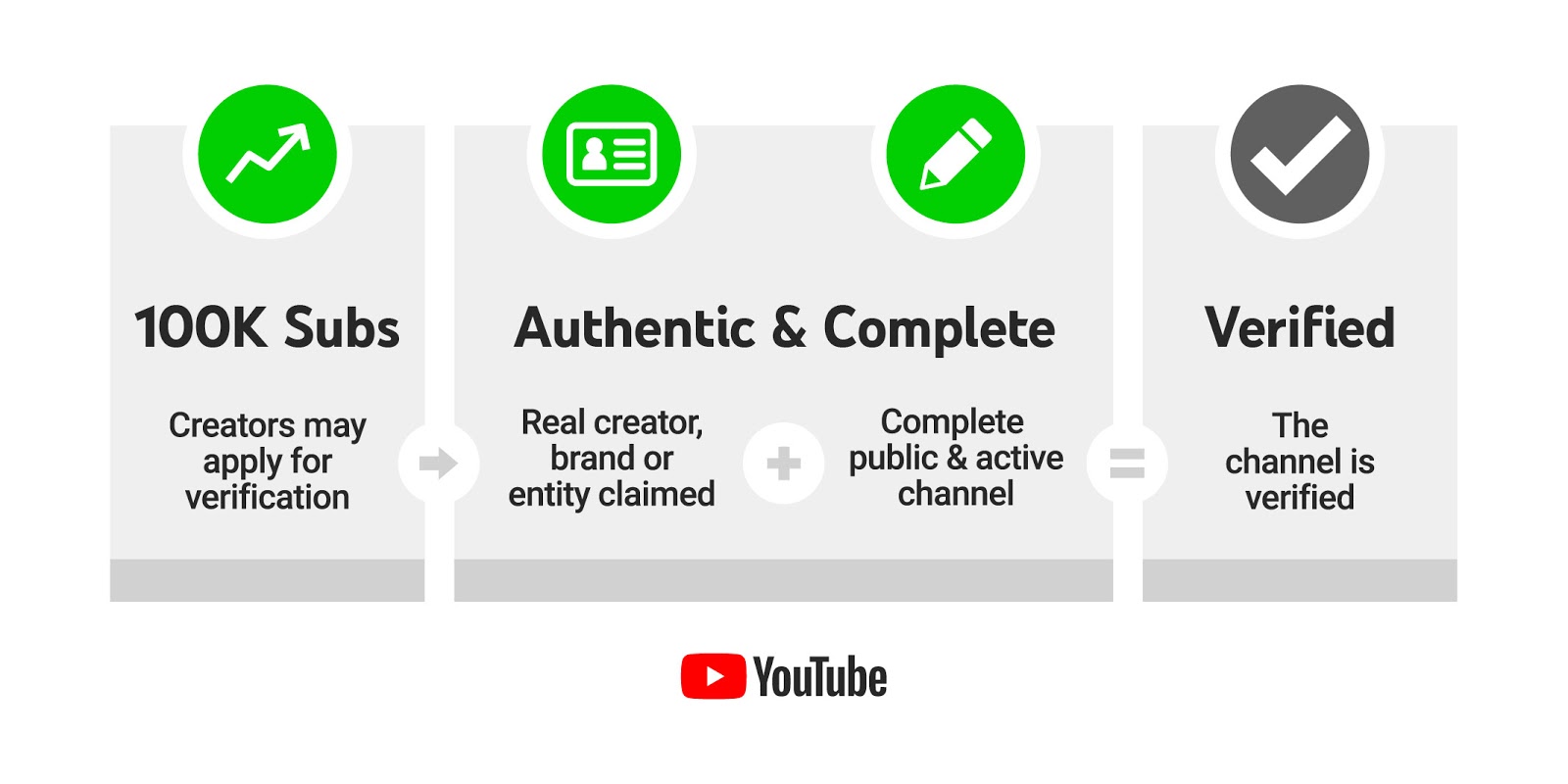
- Existing verification criteria—which automatically granted the badge to any channel crossing the 100,000-subscriber threshold—were to be discarded.
- Creators would no longer be able to apply for verification based on subscriber counts alone. Instead, YouTube would move to an invitation-only model prioritizing prominent channels with a "clear need for proof of authenticity."
- Crucially, thousands of creators who had previously earned their verification badges under the 100,000-subscriber rule would lose their badges and would be forced to reapply under the stringent new, highly subjective criteria.
The Backlash
The reaction from the YouTube creator community was swift, unified, and overwhelmingly negative. Creators with hundreds of thousands—and in some cases millions—of subscribers took to Twitter, Reddit, and YouTube itself to denounce the changes.
The policy was widely perceived as a slap in the face to mid-tier and growing creators who had worked for years to achieve the milestone that guaranteed institutional backing. Critics pointed out that removing badges from established channels would make it exponentially harder for viewers to distinguish legitimate creators from malicious copycats—ironically defeating the very safety purpose YouTube claimed to champion. High-profile tech reviewers, educators, and gaming personalities voiced outrage, arguing that the platform was pulling up the ladder behind its legacy creators.
The Rapid Pivot and Apology
Recognizing the depth of the anger and the validity of the community’s concerns, YouTube leadership acted with unusual speed. Less than 24 hours later, on September 20, 2019, at 3 p.m., the platform issued a direct mea culpa.
In an updated statement, YouTube executives admitted fault: "While rolling out improvements to this program, we completely missed the mark. We’re sorry for the frustration that this caused and we have a few updates to share."
The platform announced three immediate concessions:
- Grandfathering Existing Channels: Channels that already possessed a verification badge would keep it permanently. They would not be forced to appeal or reapply.
- Restoring the Application Process: YouTube confirmed that the application process would reopen by the end of October for channels crossing the 100,000-subscriber threshold, preserving the historical benchmark for eligibility.
- Refining the Review Process: Going forward, the platform promised to review applicants specifically for identity verification and anti-impersonation efforts, rather than implementing a blanket restriction based on subjective "prominence" metrics.
Supporting Context & Metrics: Why YouTube Tried to Change
While YouTube’s execution was heavily flawed, the company’s underlying motivations stemmed from genuine structural challenges within its ecosystem. As online video consumption scaled exponentially, the mechanics of platform trust became increasingly complex.
The Impersonation Epidemic
As YouTube evolved from a simple video repository into a sprawling social network complete with community posts, live chats, and interactive comment sections, the vectors for abuse multiplied. Bad actors frequently created lookalike channels—often using identical profile pictures and slight misspellings of popular creator names—to scam users, siphon ad revenue, or spread misinformation.
For years, the primary metric for earning a verification badge was simple: cross 100,000 subscribers. While this rule was easy to administer in YouTube’s earlier years, it became obsolete as the platform matured. By 2019, hitting 100,000 subscribers was no longer a rare marker of distinct public celebrity or institutional presence; it was a milestone achieved by hundreds of thousands of niche channels.
User Perception vs. Platform Reality
YouTube’s user research uncovered a dangerous disconnect between what the platform intended the verification checkmark to mean and how the audience actually perceived it.
- The Identity Hypothesis: YouTube designed the badge to answer the question: "Is this channel officially run by the entity it claims to represent?"
- The Endorsement Reality: Nearly 33% of surveyed users believed the badge answered a different question: "Does YouTube endorse the opinions, safety, and quality of the content on this channel?"
This confusion placed YouTube in a precarious legal and ethical position. When a verified channel violated community guidelines or promoted harmful content, viewers frequently blamed YouTube for "endorsing" the creator. By attempting to overhaul the badge’s visual design and restrict its distribution, YouTube hoped to sever this psychological link between identity verification and algorithmic or editorial endorsement.
Official Statements and Policy Evolution
The 2019 debacle forced YouTube to articulate its long-term vision for trust and safety with greater clarity. The revised framework established a dual-pronged approach focusing on visual distinctiveness and identity protection.
The New Look (Delayed)
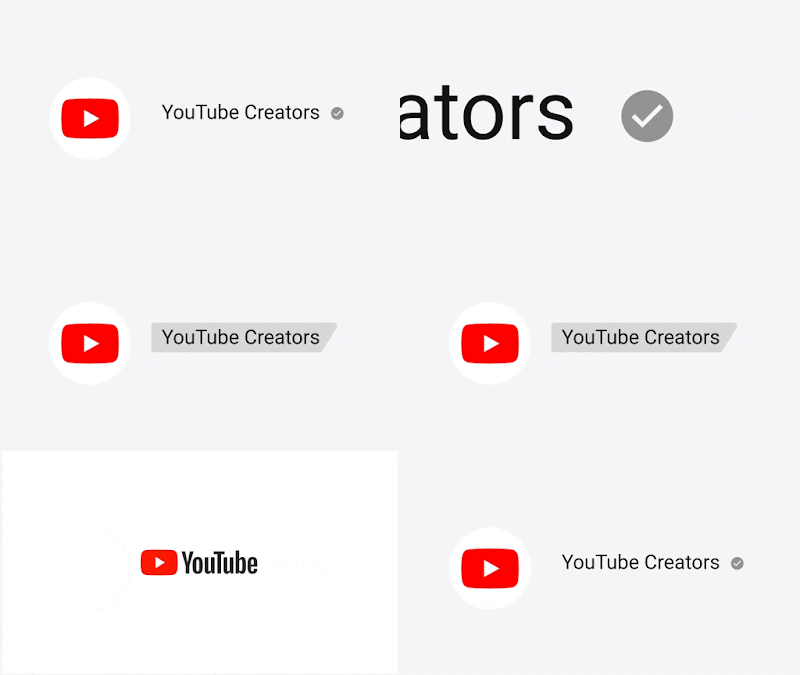
Originally, YouTube planned to introduce a brand-new visual badge alongside the policy overhaul. However, due to the need to step back and re-evaluate the rollout schedule, the platform announced that the redesigned badges would be deferred to the following year.
The objective of the redesign was to make the badge more difficult to replicate across various interfaces—ranging from desktop monitors to mobile apps and television screens—while ensuring it appeared consistently in search results, channel headers, and comment threads. Crucially, this new design was also slated to replace the legacy music note icon used for Official Artist Channels, unifying the ecosystem under a single verification standard.
Revised Eligibility Criteria
Moving away from the ambiguous "prominence" standard that caused the initial uproar, YouTube formalized a balanced set of guidelines for future applicants:
- Subscriber Baseline: Channels with over 100,000 subscribers remained explicitly eligible to apply.
- Authenticity Focus: Reviews would strictly evaluate whether a channel represented the authentic identity of the individual, brand, or organization in question.
- Anti-Impersonation Safeguards: If automated systems or manual reviewers detected malicious intent or active impersonation attempts, verification would be denied, accompanied by potential account penalties.
Future Outlook: Lessons in Platform Governance
The YouTube verification crisis of September 2019 serves as a classic case study in modern platform governance and community management. It highlights several enduring truths for digital ecosystems:
- The High Stakes of Digital Status Symbols: In virtual economies, status markers like verification badges carry immense emotional and professional weight. Altering or threatening these symbols without prior consultation is viewed by users as a direct threat to their livelihood and identity.
- The Danger of Insular Decision-Making: The initial rollout demonstrated a disconnect between product development teams in corporate offices and the everyday realities of content creators. Future platform updates require robust, proactive consultation with creator advisory boards before implementation.
- Transparency and Accountability: YouTube’s eventual response—swift, transparent, and willing to admit error—ultimately mitigated long-term damage. By listening to the community and reversing course within 24 hours, the platform restored a measure of trust that a stubborn refusal to back down would have permanently shattered.
As digital platforms continue to grapple with issues of identity, authenticity, and user trust, the events of September 2019 remain a poignant reminder that technology companies do not operate in a vacuum. A thriving digital ecosystem depends on a delicate, respectful partnership between the platform provider and the creators who breathe life into it.




Belum ada komentar. Jadilah yang pertama berkomentar!