

Executive Overview
As the digital landscape closes out another transformative year, YouTube remains the undisputed titan of user-generated video content. In a comprehensive end-of-year letter addressed to the platform’s vast global network of creators and artists, leadership unveiled a sweeping series of strategic shifts designed to address some of the most persistent pain points in the digital creator economy.
The platform’s leadership framework for the year has centered heavily on a delicate, often precarious balancing act: preserving the radical openness that fueled YouTube’s meteoric rise while enforcing the stringent responsibilities required to protect a global community of billions. Throughout the year, the platform has had to navigate intense scrutiny from lawmakers, adapt to sweeping regulatory frameworks like Europe’s Article 17, settle major compliance actions regarding children’s privacy, and recalibrate internal systems to better support the mental health and financial viability of its talent pool.
Despite these mounting pressures, YouTube’s core ecosystem is thriving at an unprecedented scale. Driven by substantial shifts in monetization, policy refinements, and infrastructural modernization, the platform continues to generate life-changing opportunities for digital entrepreneurs. However, the path forward requires a fundamental restructuring of how creators interact with automated systems, how the platform moderates content, and how creators manage the grueling realities of digital stardom.
Detailed Chronology: A Year of Strategic Pivots and Policy Overhauls
To understand YouTube’s operational trajectory, it is vital to trace the chronological evolution of its policy adjustments and product rollouts over the past twelve months.
Q1 – Q2 2019: Early Reforms and the Openness-Responsibility Debate
The year began under the shadow of mounting questions regarding the long-term viability of open-platform models. In response to public and regulatory pressure concerning harmful content, misinformation, and copyright abuses, YouTube leadership took the unusual step in August of deviating from its standard quarterly updates to publish a dedicated manifesto focused on "openness through responsibility."
During this period, the platform laid the groundwork for major policy overhauls. Most notably, it began consulting extensively with external civil rights experts, violent extremism researchers, and legal scholars to overhaul its hate speech guidelines. These meticulous consultations—designed to ensure policies could be enforced accurately across diverse global jurisdictions—signaled a departure from rapid, reactive policymaking toward a methodical, consensus-driven regulatory approach.

Q3 2019: The Copyright Breakthrough and the Creator Studio Transition
By the third quarter, creator frustrations regarding aggressive manual copyright claims reached a boiling point. Historically, rightsholders could manually claim short, often unintentional uses of music in monetized videos, capturing 100% of the revenue regardless of the clip’s brevity. Responding directly to community outcry, YouTube rolled out significant structural updates. The platform eliminated the financial incentive for claiming fleeting music uses, instituted mandatory timestamping for manual claims to provide pinpoint transparency, and updated its editing suite to allow creators to effortlessly excise disputed audio segments.
Concurrently, the platform initiated the aggressive deprecation of the legacy "Classic Studio," pushing the user base toward the modern YouTube Studio infrastructure. Built on aging technological architecture, the classic interface lacked the agility required for rapid bug fixes and modern feature integration. Despite initial pushback from creators accustomed to legacy workflows, YouTube mandated the migration to unlock real-time performance metrics and advanced dashboard analytics.
Q4 2019: Regulatory Settlements and Global Advocacy
As the year drew to a close, YouTube faced critical compliance milestones. Following a high-profile settlement with the U.S. Federal Trade Commission (FTC) and the New York Attorney General regarding the Children’s Online Privacy Protection Act (COPPA), the platform introduced sweeping audience-setting requirements. These mandates, slated for full enforcement in January, barred personalized advertising and comments on content designated as made for kids, throwing child-centric creators into a period of strategic re-evaluation.

Concurrently, leadership engaged in high-stakes international diplomacy. Executive lobbying efforts—spanning Washington, D.C., New Zealand Prime Minister Jacinda Ardern’s administration, and European regulatory bodies—focused heavily on translating Article 17 of the EU Copyright Directive into national law. Through sustained advocacy, creators successfully secured vital liability protections, ensuring platforms are shielded when making best-effort attempts to match copyrighted works with rightful owners.
Supporting Context & Metrics: The Creator Economy Explodes
Beneath the friction of policy transitions and regulatory compliance lies an ecosystem experiencing explosive financial and demographic growth. Quantifiable metrics underscore the sheer scale of the YouTube economy in 2019:
- Subscriber Milestones: The cohort of creators boasting channels with one million or more subscribers expanded by an impressive 65 percent year-over-year.
- Financial Viability: The number of creators pulling in five- or six-figure annual incomes increased by more than 40 percent, proving that sustainable careers on the platform are becoming more accessible to a broader tier of talent.
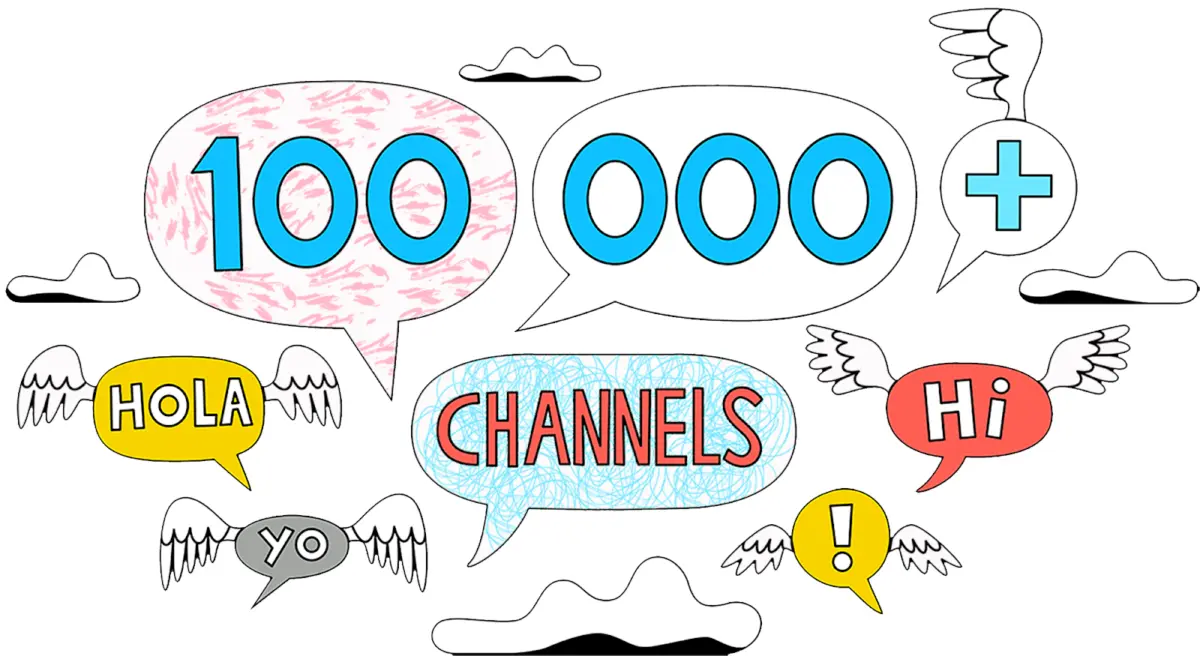
- Alternative Monetization: Traditional ad revenue—long vulnerable to sudden algorithmic fluctuations and advertiser boycotts—was heavily supplemented by direct viewer-to-creator engagement features. More than 100,000 channels utilized Super Chat during live streams, with elite broadcasts pulling in upwards of $400 per minute from engaged fans. Building on this momentum, YouTube expanded Super Stickers to eligible creators across 60 countries.
- The Story Advantage: Channels utilizing YouTube Stories experienced an average 8 percent increase in subscriber growth compared to non-adopting channels, cementing Stories as a vital discovery mechanism.
- Algorithmic Iteration: Reflecting an engineering push toward refinement, the platform launched over 2,500 distinct updates over the course of the year, testing three to four potential feature variations before public deployment to optimize user experience.
Official Statements and Industry Insights
Throughout 2019, YouTube leadership placed a heavy emphasis on direct communication and transparency, bridging the gap between Silicon Valley executives and the international creator community.

Bridging the Communication Gap
Acknowledging creator fatigue regarding unannounced platform experiments and sudden interface changes, leadership offered a rare peek behind the product development curtain. Executives stressed that every systemic change undergoes rigorous, multi-variant testing before deployment. Moving forward, the platform pledged to enhance communication channels, ensuring creators understand the "why" behind product evolutions.
Furthermore, the expansion of the Self Certification pilot program to hundreds of thousands of YouTube Partner Program (YPP) members represented a major leap forward in trust-building. By allowing creators to self-report their compliance with ad-friendliness guidelines, YouTube tied algorithmic trust directly to reporting accuracy, providing transparent feedback when monetization issues arise.
Addressing the Burnout Crisis
In a remarkably candid admission, leadership addressed the pervasive issue of creator burnout. Acknowledging that many digital talents feel trapped in an endless production cycle out of fear that stepping away will penalize their channel’s algorithmic reach, YouTube product teams analyzed six years of platform data.

The findings offered reassuring validation: across millions of channels and various duration lengths for breaks, channels consistently returned to higher average viewership numbers than they had immediately prior to their departure. Leadership used these insights to actively encourage creators to step back, prioritize mental health, and invest in personal recovery without fear of permanent algorithmic exile.
Future Outlook: Challenges and Horizons for 2020 and Beyond
As YouTube looks ahead to 2020, the platform stands at a critical crossroads. The forthcoming year will test the resilience of the creator economy as new legal and operational frameworks take root.
Upcoming Policy Shifts
- Gaming Violence vs. Real-World Violence: Recognizing legitimate complaints from gaming creators, YouTube announced an imminent policy update explicitly separating virtual gaming violence from real-world violence, promising fewer restrictions on gaming content while maintaining robust protections against real-world harm.
- Harassment Policy Overhaul: Building on its methodical approach to policy drafting, YouTube confirmed it is actively finalizing updated harassment guidelines in direct consultation with the creator community.
- COPPA Implementation: The true economic impact of the COPPA settlement will unfold in early 2020. As child-directed channels adapt to lost ad revenue streams and disabled comments, YouTube faces the ongoing challenge of refining audience-detection systems.
Global Advocacy and Philanthropy
In Europe, the multi-year process of translating Article 17 into local national laws will dominate regulatory discussions. YouTube has committed to keeping creators closely informed and involved as early legislative drafts emerge.

On a brighter community note, the unprecedented success of the #teamtrees environmental campaign—spearheaded by creators like MrBeast and Mark Rober, with active executive participation—demonstrated the unmatched philanthropic power of the YouTube community. To capitalize on this mobilization, YouTube confirmed that its native Donate button will exit beta in the coming months, rolling out to thousands of U.S. creators (with international expansion to follow) to seamlessly embed fundraising campaigns directly into videos and live streams.
Ultimately, YouTube enters the new decade facing complex structural and geopolitical hurdles. Yet, by doubling down on direct communication, refining monetization pathways, and fiercely protecting community well-being, the platform aims to secure a sustainable, innovative future for the next generation of global creators.





Belum ada komentar. Jadilah yang pertama berkomentar!