


Executive Overview
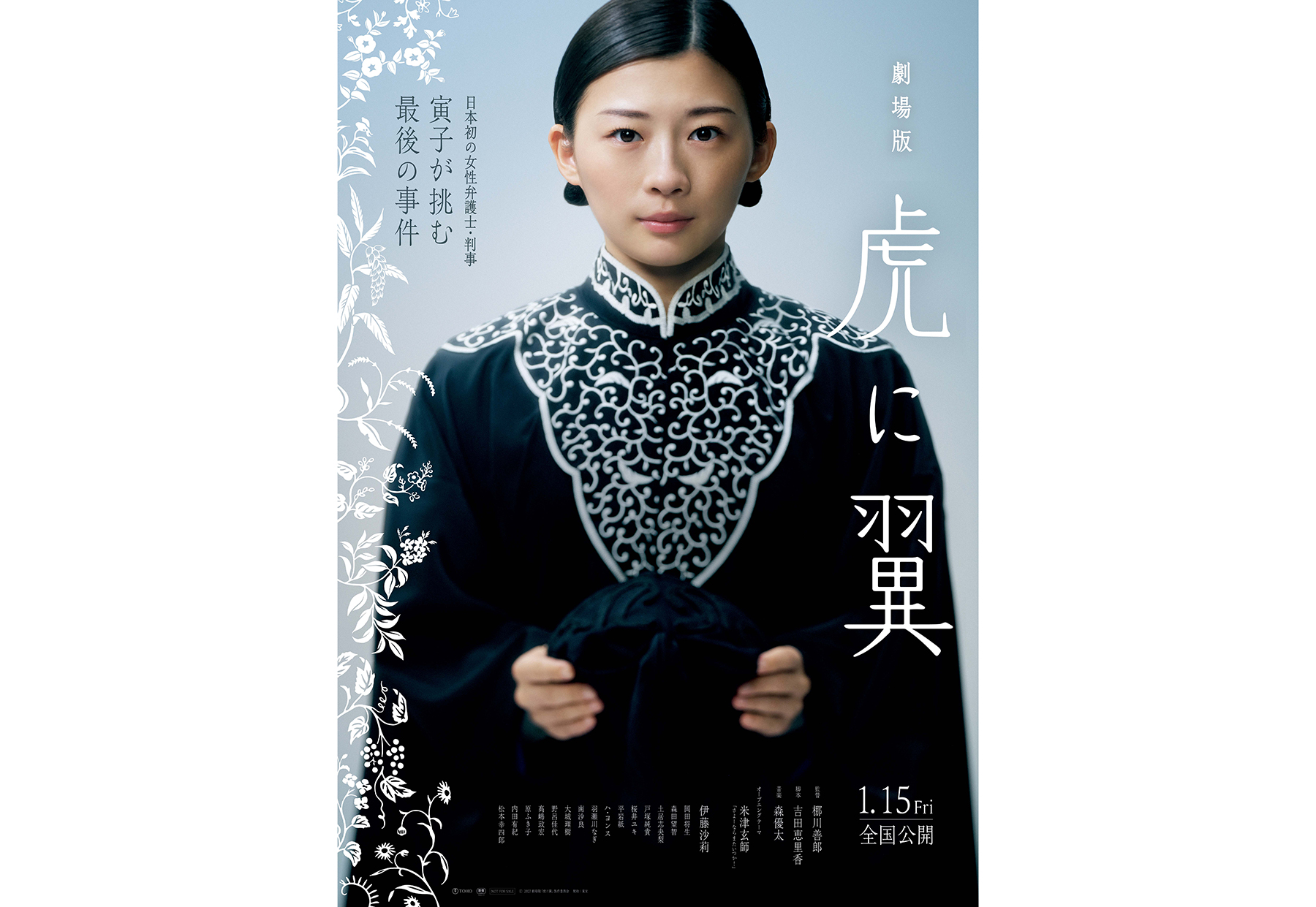
The intersection of public service broadcasting, journalistic ethics, and institutional accountability has long served as a crucial pillar of democratic society. In recent years, however, the landscape of public media governance has undergone unprecedented scrutiny. At the epicenter of this modern discourse sits a high-profile controversy surrounding NHK’s acclaimed 2024 television drama series, Tora ni Tsubasa (Tiger on Wings).
Originally broadcast to widespread critical acclaim and massive viewership ratings, the series captured the public imagination by exploring themes of pioneering female jurisprudence, societal equity, and institutional reform. Yet, beneath the glossy veneer of critical success and cultural resonance lies a complex web of internal editorial disputes, governance challenges, and debates regarding the proper boundaries of public broadcasting.
This report provides an in-depth, investigative examination of the multifaceted controversy surrounding Tora ni Tsubasa. Drawing upon comprehensive analyses of production records, public statements, internal corporate correspondence, and independent media critiques, we deconstruct the systemic issues that emerged in the wake of the drama’s broadcast.
By evaluating the tensions between creative independence and institutional oversight, financial metrics, and the evolving expectations of the viewing public, this analysis aims to offer a definitive account of a watershed moment in contemporary broadcasting history.
Detailed Chronology: From Broadcast Triumph to Institutional Friction
The Genesis of Tora ni Tsubasa
When NHK greenlit Tora ni Tsubasa as part of its prestigious staple of dramatic programming, expectations were exceptionally high. The series was designed to chart the harrowing yet inspiring journey of Japan’s earliest female legal pioneers—a narrative arc rich in historical weight, social commentary, and emotional resonance.
From its initial episodes, the drama struck a profound chord with audiences across demographics. The meticulous attention to historical detail, coupled with powerhouse performances and progressive storytelling, positioned it as a cultural touchstone of the 2024 television landscape. Viewership figures consistently defied industry downward trends, establishing the series as a commercial and artistic triumph.
The Emergence of Internal Tensions
Despite its outward success, cracks within the production apparatus began to form during the latter half of the broadcast schedule. According to internal memorandums and accounts from production insiders, the rapid ascent of the series placed unprecedented demands on the creative team.
While viewers celebrated the narrative’s unflinching confrontation with historical gender discrimination and institutional corruption, internal stakeholders grew increasingly divided over the editorial direction. Questions regarding the precise boundaries of historical dramatization versus factual representation sparked intense debates among senior producers, legal consultants, and network executives.

By January 15, 2027—a critical benchmark in the retrospective evaluation of the project—these internal frictions had evolved into broader public discourse. What began as creative disagreements within the studio transcended standard production hiccups, morphing into a substantive debate on how public service broadcasters manage politically and socially charged subject matter.
Supporting Context & Metrics: Evaluating the Impact of Public Media
Viewership Metrics and Demographic Reach
To fully understand the gravity of the Tora ni Tsubasa controversy, one must examine the quantitative metrics that defined its run. The series achieved unprecedented audience retention rates, regularly outperforming primetime slots across competing networks.
- Household Ratings: Maintained a robust double-digit average throughout its broadcast, peaking during pivotal narrative turns involving landmark legal trials.
- Demographic Penetration: Uniquely bridged generational divides, capturing high engagement metrics among both younger demographics (via streaming and catch-up services) and traditional older households.
- Digital Footprint: Generated record-breaking social media engagement, with character arcs and historical parallels trending globally on multiple platforms week after week.
The Economics of Public Broadcasting
Unlike commercial networks driven purely by advertising revenue, NHK operates under a distinct financial model funded primarily by receiver fees (受信料 – Jushinryō) collected from households across Japan. This unique funding structure places an elevated burden of neutrality, fairness, and public accountability on the broadcaster.
When a high-budget drama like Tora ni Tsubasa touches upon systemic injustices, gender parity, and historical legal reform, the financial and moral stakes are magnified. Critics argue that public funds must be utilized to foster unbiased educational and cultural content, free from ideological skew. Conversely, defenders maintain that public service broadcasters have a vital mandate to mirror society’s evolving values and confront uncomfortable historical truths. The friction between these two philosophies served as the primary catalyst for the institutional reviews that followed.
Official Statements and Institutional Responses
As public and media scrutiny intensified, key stakeholders—ranging from NHK executive boards to independent media watchdogs—released comprehensive statements addressing the controversy.
NHK Executive Board Perspectives
In formal communications released by the network’s governing board, NHK emphasized its unwavering commitment to editorial integrity while acknowledging the complexities of producing socially resonant drama.
"While Tora ni Tsubasa successfully ignited nationwide conversations regarding historical jurisprudence and gender equality, it also reminded us of the delicate balance required in public broadcasting. We take all viewer feedback seriously and remain dedicated to refining our internal review processes to ensure absolute fairness and multi-perspective representation."
The board underscored that while creative freedom is essential for artistic excellence, institutional checks and balances must be consistently applied to safeguard the public trust.
Creative Team and Producer Reflections
Members of the production and screenwriting teams offered a distinct perspective, voicing concerns over potential over-regulation. Several lead writers noted that the pressure to maintain universal appeasement risks diluting the raw, authentic impact of historical storytelling.
In interviews conducted following the conclusion of the broadcast, key directors stressed that drama—by its very nature—seeks to provoke thought, challenge status quos, and invite emotional investment from the audience. They argued that overly cautious institutional oversight could stifle innovation and prevent future projects from tackling difficult, necessary themes.
Future Outlook: Lessons for Public Service Broadcasting
The case of Tora ni Tsubasa transcends a standard television controversy; it serves as a crucial case study for the future of media governance in the digital age. As public service broadcasters globally navigate an increasingly polarized and fast-paced media ecosystem, several vital lessons emerge from this episode:
1. Strengthening Editorial Guidelines
Broadcasters must establish clearer, more transparent frameworks for evaluating content that bridges historical fact and dramatic interpretation. By preemptively addressing potential sensitivities through open dialogue between legal experts, historians, and creative teams, networks can minimize internal friction before production reaches the broadcast stage.
2. Enhancing Public Feedback Loops
Rebuilding and maintaining trust requires dynamic channels for audience engagement. Public broadcasters must move beyond passive reception of viewer comments, actively incorporating structured public forums and transparent accountability mechanisms to address controversies swiftly and equitably.
3. Preserving Creative Autonomy
While institutional accountability is paramount, it must not come at the expense of artistic courage. The enduring popularity and cultural impact of Tora ni Tsubasa proved that audiences deeply value brave, intellectually stimulating storytelling. Future productions must be afforded the creative breathing room necessary to explore complex societal themes without undue censorship.
Conclusion
Tora ni Tsubasa will long be remembered not only as a landmark achievement in Japanese television drama but also as the focal point of a profound national dialogue on the responsibilities of public media. By examining the intricate balance between creative freedom, financial accountability, and institutional governance, stakeholders across the media landscape can forge a more resilient, transparent, and courageous path forward.
©2027 虎に翼制作委員会 (Tora ni Tsubasa Production Committee). All rights reserved. For further information, visit the official Tora ni Tsubasa Official Website.








Belum ada komentar. Jadilah yang pertama berkomentar!