


Executive Overview
A routine family vacation to Japan’s highest peak took a deeply concerning turn last Thursday, exposing the severe risks of ill-prepared mountaineering and questionable parental judgment. A 48-year-old father from Nagoya, accompanied by his two young sons, elected to leave his seven-year-old child unattended on the side of Mount Fuji after the boy grew fatigued and resisted continuing the climb.
Instead of turning back to accommodate the physical limits of the youngest member of his party, the father instructed the elementary schooler to remain on a bench while he and his older son pressed on toward the summit. The decision left a vulnerable first-grader alone in an alpine environment notorious for its volatile weather, sudden temperature drops, and rugged terrain.
Thanks to the vigilance of a local mountain hut worker, a major tragedy was averted. The child was discovered, sheltered, and reunited with his father following police intervention. However, the incident has ignited widespread public criticism and prompted local law enforcement to issue a stern warning regarding outdoor safety, group pacing, and the absolute responsibility of guardians in extreme environments.
Detailed Chronology of Events
The Early Morning Departure
The ill-fated excursion began in the pre-dawn hours of Thursday. The family group—consisting of the 48-year-old father, his 12- or 13-year-old middle schooler, and his seven-year-old elementary schooler—arrived at the Fujinomiya Trail. The Fujinomiya route is one of the four primary paths leading to the 3,776-meter (12,389-foot) summit of Mount Fuji. While shorter than some of the other trails, it is characterized by steep, rocky inclines and volcanic gravel that can test even seasoned hikers.
The trio commenced their ascent early, hoping to reach higher elevations before the afternoon heat and potential cloud cover set in. However, the rigorous demands of the climb quickly caught up with the youngest member of the group.
The Breakdown at Station Six
At approximately the sixth of the trail’s ten designated stations, the seven-year-old boy reached his physical limit. Overtaken by exhaustion, the child became fussy and explicitly complained that he was too tired to continue walking.
Faced with a classic parental dilemma—whether to encourage the child, take an extended rest break, or abandon the summit attempt and descend together—the father chose a dangerous and unconventional fourth option. Rather than cutting his losses and heading back down the mountain, the father directed the seven-year-old to sit on a bench and "wait here."
With that brief instruction, the father and his older son abandoned the elementary schooler and continued their march upward toward the peak.
Hours of Solitude in Dangerous Terrain
The magnitude of the father’s decision becomes starkly apparent when analyzing the geography of the trail. According to official metrics provided by the Mount Fuji Climbing Official Website, the trek from the sixth station to the summit requires a grueling uphill hike of roughly five hours. The subsequent descent back down to the sixth station takes an estimated two and a half hours.
By pushing onward, the father was effectively gambling that a seven-year-old child could sit completely unattended on an active mountain trail for a minimum of seven and a half hours. In reality, factoring in rest stops, summit congestion, and time spent admiring the view, the boy would have been left alone for a significantly longer duration.
Discovery and Rescue
The boy’s solitary ordeal was cut short around 7:40 a.m. when an observant worker at a mountain hut near the sixth station noticed the young child sitting entirely by himself. Recognizing the immense danger of an unattended minor in an alpine zone, the worker immediately approached the boy and invited him inside the safety of the hut.
The worker promptly contacted local authorities. Police officers dispatched to the scene initiated an investigation that quickly linked the abandoned child to his hiking party. At the time the authorities made contact, the father and his older son had already climbed significantly higher, reaching the vicinity of the trail’s eighth station—roughly a three-hour hike away from where the younger boy had been left.
Instructed by police to immediately abort their summit bid and retrace their steps, the father descended the mountain to collect his son. The reunion, while legally and physically concluded without injury, underscored a profound lapse in mountain safety protocols.
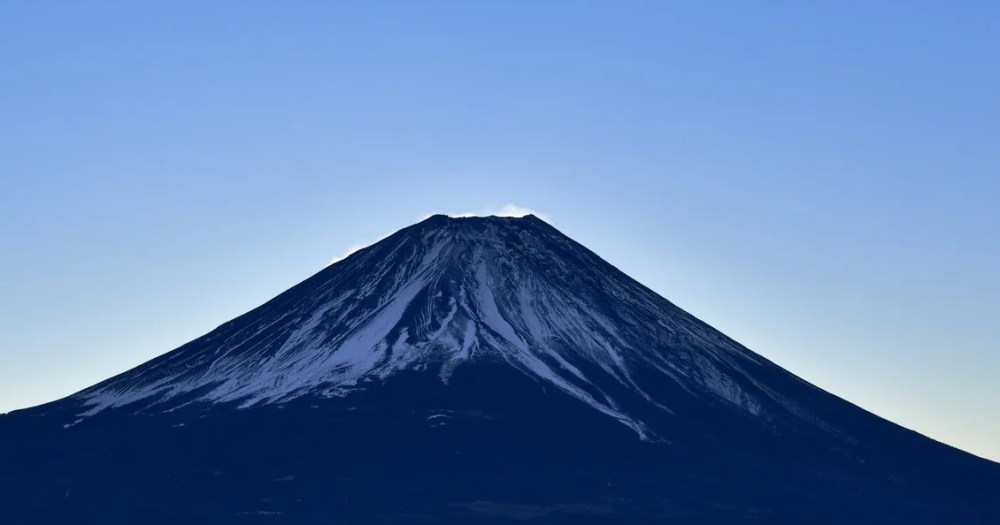
Supporting Context & Metrics: The Realities of Mount Fuji
To fully understand the gravity of the father’s decision, one must examine the unique environmental challenges posed by Mount Fuji. Japan’s highest peak is frequently underestimated by tourists and inexperienced hikers who view it merely as a tall walking hill rather than a serious alpine mountain.
+-----------------------------------------------------------------+
|               FUJINOMIYA TRAIL TIMELINE ESTIMATES               |
+--------------------------+--------------------------------------+
| Trail Segment            | Estimated Hiking Time                |
+--------------------------+--------------------------------------+
| 6th Station to Summit    | ~5 hours (Ascent)                    |
| Summit to 6th Station    | ~2.5 hours (Descent)                 |
| 6th Station to 8th Station| ~3 hours (Ascent)                   |
+--------------------------+--------------------------------------+
Volatile Weather and Environmental Hazards
When the mountain hut worker first discovered the boy, external conditions were already deteriorating. Rain was beginning to fall, and thick mountain fog was rapidly rolling in, cutting down visibility across the volcanic slopes.
Mount Fuji’s weather is notoriously unpredictable. Microclimates can cause temperatures to plunge dramatically within minutes, and heavy cloud cover can disorient even experienced mountaineers, leading to accidental falls off steep ledges or severe hypothermia. Leaving a seven-year-old child exposed to these elements without adequate shelter, hydration tracking, or supervision exposed the boy to severe risks of weather-related illness and trauma.
The Psychology of Summit Fever
Experts in outdoor recreation often attribute incidents of this nature to "summit fever"—a psychological phenomenon where hikers become so intensely focused on reaching the top of a mountain that they ignore objective risks, physical limitations, and basic common sense. In this case, the father’s ambition to complete the climb with at blindingly skewed his perception of risk regarding his younger son’s safety.
Official Statements and Law Enforcement Response
The response from Japanese authorities was swift, authoritative, and uncompromising. Law enforcement officials did not mince words when addressing the father’s actions, highlighting both the legal and moral implications of leaving a child unattended in a wilderness setting.
When the father finally descended from the eighth station to reclaim his son, officers delivered a sharp reprimand:
"Even if it means having to give up on climbing the mountain together, leaving a child behind is unacceptable."
Faced with mounting scrutiny and the realization of what could have transpired, the 48-year-old father expressed remorse to investigators, admitting:
"I made a rash decision, and I deeply regret it."
Following the resolution of the case, local police departments and mountain safety committees have amplified their public awareness campaigns. Authorities are urging all hikers—regardless of their level of experience—to meticulously evaluate the capabilities of every member in their party before embarking on high-altitude treks.
Future Outlook and Recommendations for Family Hiking
The near-tragedy on the Fujinomiya Trail has triggered broader discussions among Japanese tourism boards and mountain safety organizations regarding the enforcement of responsible climbing practices. As international and domestic tourism to Mount Fuji continues to surge, questions are being raised about whether stricter guidelines or educational mandates are necessary to prevent similar incidents.
Key Takeaways for Outdoor Enthusiasts
Safety experts emphasize several foundational rules for families undertaking long-distance or high-altitude hikes:
- Pace to the Slowest Member: A group is only as fast, strong, and resilient as its most vulnerable participant. If a child, elderly relative, or novice hiker cannot maintain the required pace safely, the entire party must adjust or turn back.
- Never Separate a Minor: Under no circumstances should a child be left unattended in a public space, let alone an unpredictable mountain environment where sudden weather shifts can prove fatal.
- Know Your Limits: Turning back is never a failure; it is a successful demonstration of risk management. The mountain will always be there for another day, but the safety of family members must always take precedence over reaching a summit.
As law enforcement continues to monitor trail safety through the remainder of the climbing season, this incident serves as a sobering reminder that nature demands respect, preparation, and unwavering parental vigilance.








Belum ada komentar. Jadilah yang pertama berkomentar!