

Executive Overview
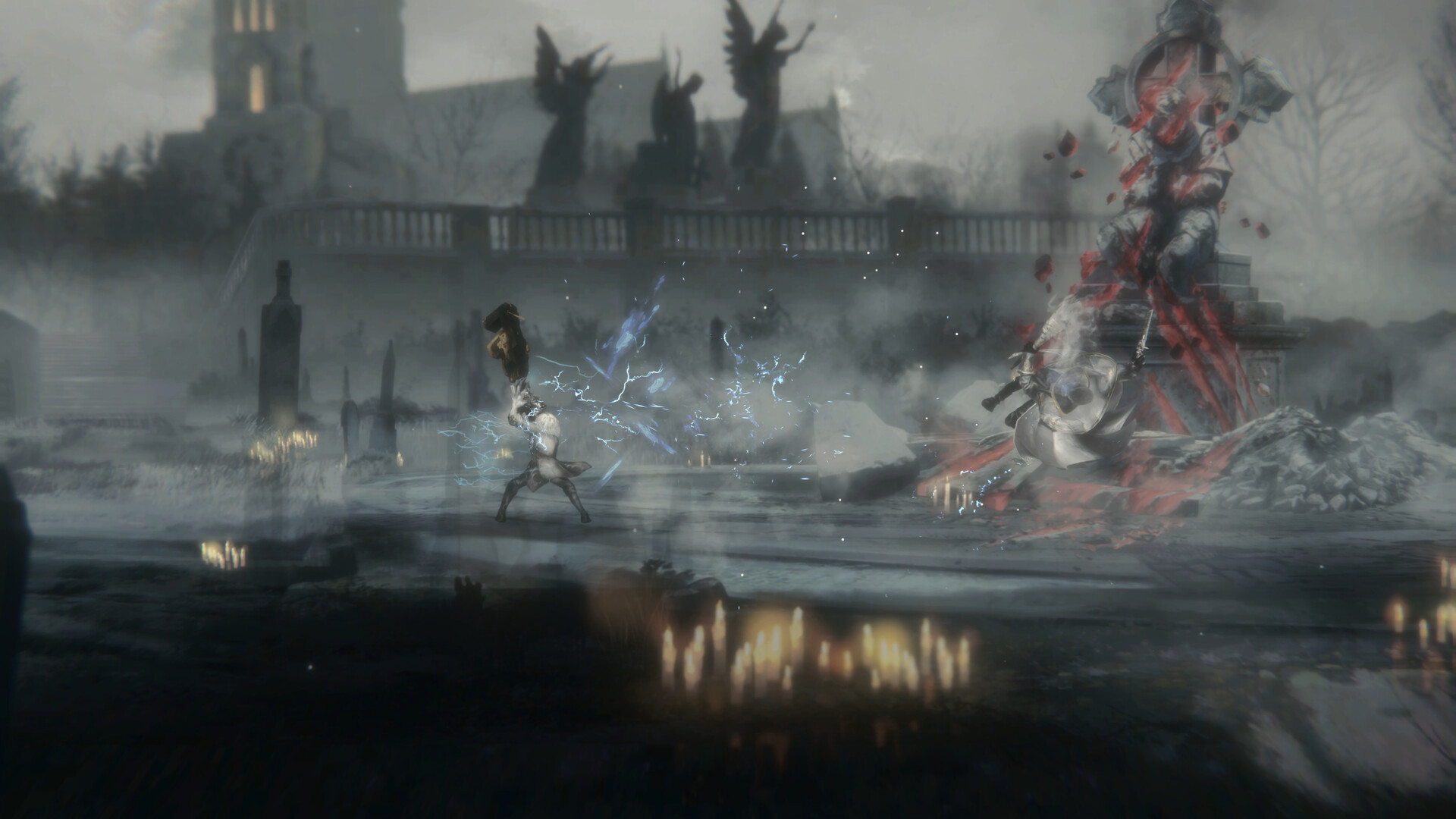
The intersection of generative artificial intelligence and independent video game development has officially reached a volatile tipping point. When South Korean developer Alive Inc. launched the early access version of Vapor World: Over The Mind on August 19, the studio was riding a wave of considerable momentum. Boasting over 100,000 wishlists—largely built on the strength of a critically well-received playable demo available since January—the Soulslike Metroidvania appeared poised for a breakout success. Featuring an evocative, painterly art style reminiscent of Lies of P and the atmospheric narrative platformers of Playdead, the game promised a rich, melancholic descent into psychological dread.
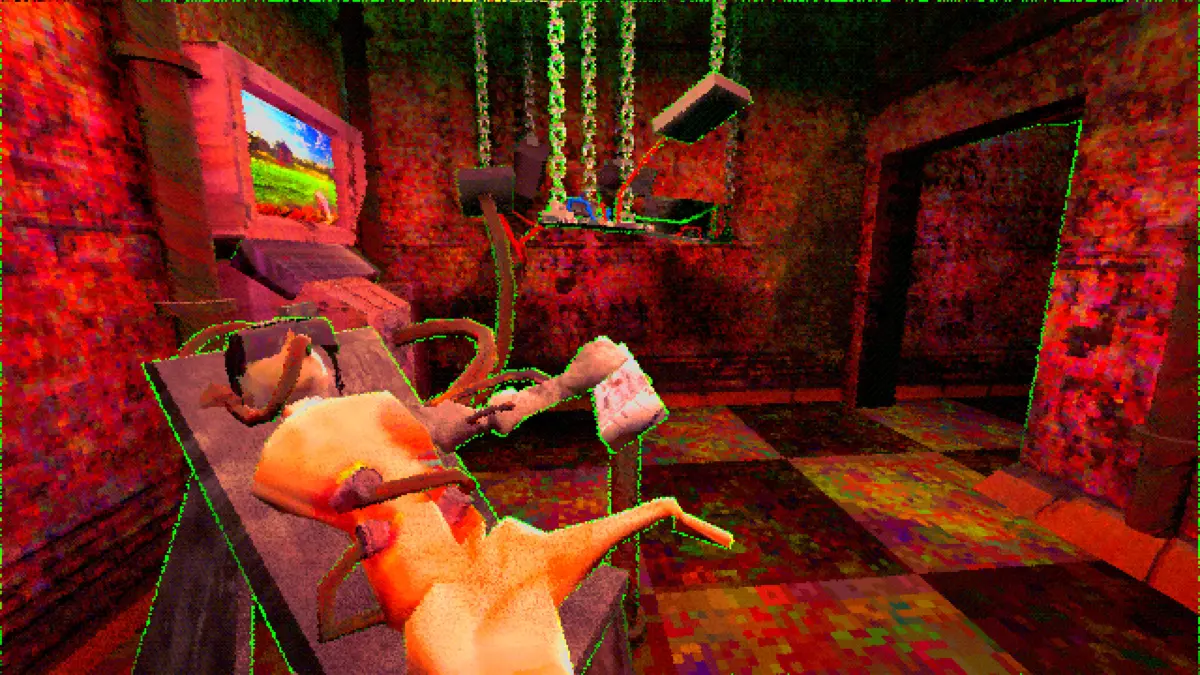
Yet, within hours of its early access debut, the conversation surrounding Vapor World shifted radically. Praise for its distinctive worldbuilding and parry-heavy combat was entirely eclipsed by a singular, inflammatory discovery: unmistakable, low-quality generative AI in the game’s opening cinematics.
The backlash was swift and unforgiving. Players flooded Steam with "mostly negative" reviews, transforming what should have been a triumphant release into a cautionary tale about audience tolerance for shortcuts in creative media. Despite the core game reflecting genuine human effort and artisanal design, the presence of what many termed "AI slop" in the opening moments shattered immersion and alienated the community. In response to the crisis, studio director Young Kim pulled off a rapid retreat, admitting to a "hasty judgment" and promising to strip out the generative assets by the weekend—a swift pivot that raises profound questions about the viability of generative tools in independent game development.
Detailed Chronology: From Wishlist Triumph to Release-Day Crisis
The trajectory of Vapor World: Over The Mind offers a masterclass in how swiftly community goodwill can evaporate in the modern PC gaming landscape.
- January: Alive Inc. releases a playable demo for Vapor World: Over The Mind. The demo strikes a chord with players, earning praise for its moody aesthetic, tight combat mechanics, and atmospheric depth. Wishlists begin to accumulate rapidly.
- August 1–18: Fueled by ongoing community interest and visibility, the game crosses the psychological milestone of 100,000 wishlists. For a five-person studio like Alive Inc., this metric represents a monumental achievement and commercial validation.
- August 19: Vapor World officially launches into early access on Steam. Players who boot up the game encounter an immediate roadblock: the opening cutscene features glaringly obvious generative AI artifacts, including erratic character model inconsistencies, morphing geometry, and a jarring aesthetic disconnect from the hand-crafted in-game assets.
- August 19 (Hours Post-Launch): Steam reviews pivot aggressively. Instead of discussing level design or boss mechanics, community members fixate on the AI integration. The "most helpful" review highlights the asset inconsistency and delivers a stinging rebuke: "Unfortunately I support people not robots."
- August 20–21: The review score plummets into "mostly negative" territory, accumulating 64 hostile reviews that cite the cutscenes as a breach of trust.
- August 22: Studio director Young Kim issues a public mea culpa. Acknowledging that the team had spent months struggling to produce satisfactory hand-crafted cutscenes for a complex narrative, Kim announces that the AI-generated sequences will be completely replaced by native in-engine assets by the weekend. True to his word, the removal is executed rapidly, though the reputational damage to the early access launch remains a formidable hurdle.
Supporting Context & Metrics: Cultural Divides and Steam Market Dynamics
The Vapor World controversy does not exist in a vacuum; it highlights a fascinating cultural dichotomy regarding artificial intelligence, alongside a snapshot of the broader Steam marketplace during a competitive August window.

The Geopolitical AI Disconnect
The miscalculation by Alive Inc. may be partially rooted in geography. Headquartered in South Korea—a nation with a tiny five-person team infrastructure—the studio may have misjudged the global appetite for AI-generated content. According to a comprehensive Pew Research Center global survey, South Korea stands out as the least AI-sceptical nation among 25 surveyed countries, including the United States, the United Kingdom, Australia, and India.
While Western markets display deep apprehension—with roughly half of surveyed consumers in the US, Italy, Australia, and Brazil declaring themselves "more concerned than excited" by daily AI applications—only 16 percent of South Koreans share that deep-seated reservation. Furthermore, the South Korean government has aggressively championed technological integration, even attempting (though ultimately failing) to introduce AI-powered textbooks into public schools. This national enthusiasm created an environment where studio leadership failed to anticipate the visceral hostility international Steam users would exhibit toward generative shortcuts.
Steam Weekly Revenue Charts: August 11–18
While Vapor World stumbled in its early access infancy, the broader Steam ecosystem experienced a relatively standard mid-August rhythm, dominated by enduring live-service giants and high-profile pre-orders.
Top 10 Steam Revenue Leaders:
- Counter-Strike 2
- Apex Legends
- Phantom Blade Zero (Pre-orders open)
- Helldivers 2
- Dota 2
- Hell Let Loose: Vietnam
- Big Walk
- Marvel Rivals
- Kingdom Hearts -HD 1.5+2.5 ReMIX- (Boosted by a Square Enix publisher sale)
- PUBG: Battlegrounds
Beneath the surface, positions 11 through 20 offered significantly more intrigue. Mortal Shell 2 made a strong debut at number 12, while Wardogs pre-orders rocketed the title to number 13. Wardogs has since captured industry attention through a massively successful beta phase, peaking at an impressive 105,774 concurrent players ahead of its September 11 release date. Meanwhile, nostalgia proved profitable as the long-lost action RPG The Lord of the Rings: War in the North returned to Steam via a surprise reissue, climbing to number 17. Conversely, pre-orders for Star Wars Zero Company languished down at number 24, potentially signaling mounting franchise fatigue among PC players.

Official Statements and Industry Parallels
The candid admission from Alive Inc. director Young Kim exposes a core vulnerability felt by resource-constrained indie developers navigating modern market expectations.
"If someone asked me what I think about using AI, the honest answer is that I would have to think about it for a long time," Kim wrote in his official statement. "The reason I chose AI was that I believed it could reach a level of expression our existing resources could not, and that it would let us focus more on the game itself, outside of story and cinematics."
Kim admitted that this was a "hasty judgment," noting that generative video technology has not yet crossed the threshold where audiences cannot spot the artificial seams. Detailing the studio’s internal struggles, he explained:
"The truth is, we spent a long time trying to tell this game’s story with cutscenes made entirely by our own hands. The results were devastating every time. We came to believe we could not properly deliver this game’s complex, difficult narrative that way, and that is why we turned to AI. But if that choice hurt your experience, the fault is not in the tool. It is in our own shortcomings."
This narrative echoes a growing list of high-profile studios that have been forced to quickly backtrack after attempting to integrate generative tools. Developers like Larian Studios and Sandfall Interactive have similarly faced intense public scrutiny and subsequent policy reversals. The lesson emerging from these incidents is stark: while players routinely praise indie developers for resourcefulness and grit, they draw a hard line at generative shortcuts that cheapen the artistic integrity of the final product. Vapor World is by no means an asset-flip or hollow "slop" game—the core gameplay loop reflects genuine artisanal care—yet the inclusion of AI cutscenes proved toxic enough to contaminate the entire launch experience.
Future Outlook
The Vapor World: Over The Mind controversy serves as a clear harbinger for the commercial risks facing game developers in the generative AI era. As AI tools become more accessible, small teams operating on shoestring budgets will face increasing temptation to bridge creative gaps—whether in scriptwriting, voice synthesis, concept art, or cinematic rendering—using synthetic media.
However, the rapid and unforgiving consumer backlash on platforms like Steam demonstrates that the PC gaming audience currently polices the boundary between human artistry and machine generation with extreme vigilance. Even when developers rapidly rectify their mistakes—as Alive Inc. commendably did by stripping out the offending cutscenes within days—the initial loss of trust, depressed review scores, and damaged momentum can take months to rebuild.
For independent studios watching from the sidelines, the calculus is now explicit: saving time and budget through generative shortcuts is a high-stakes gamble that risks alienating the very community required to sustain an early access title through its development lifecycle. In the marketplace of 2026, authenticity remains an irreplaceable currency, and consumers have made it clear they prefer imperfect human craft over polished artificial expediency.









Belum ada komentar. Jadilah yang pertama berkomentar!