

Executive Overview
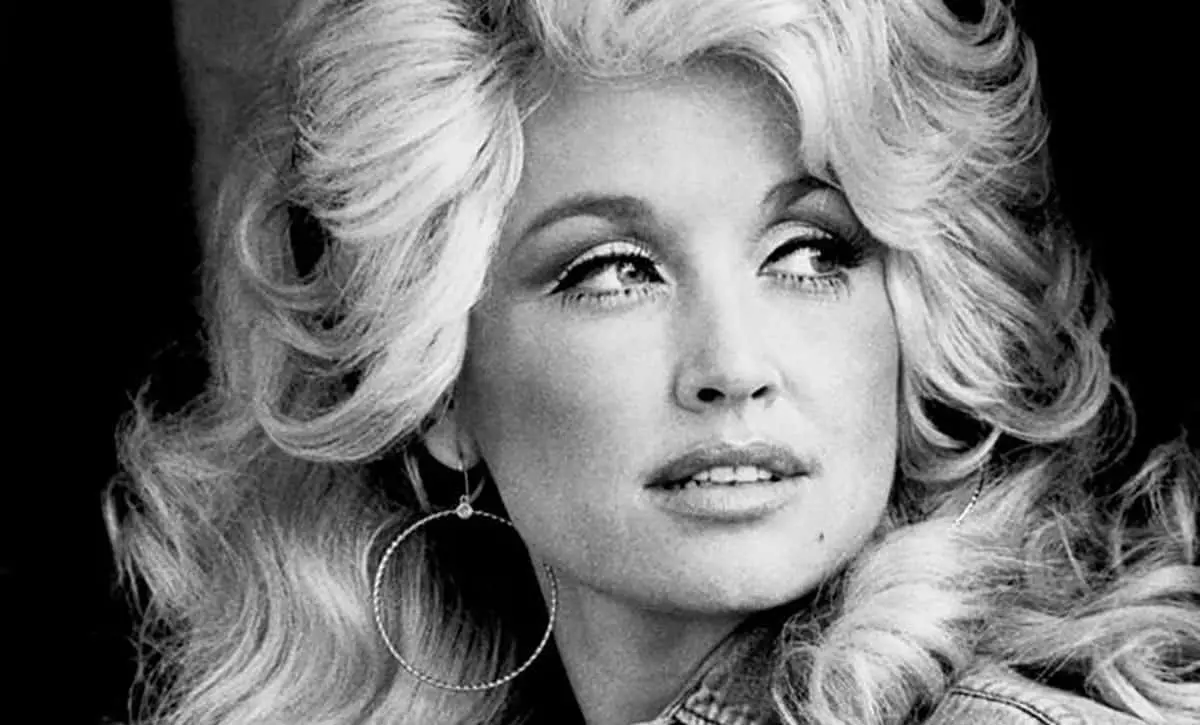
To speak of Dolly Parton is to speak of American music’s most enduring, adaptable, and universally beloved architect. Spanning over six decades, her career transcends the traditional boundaries of country, pop, gospel, and bluegrass, cementing her status as a cultural monolith. While her flamboyant aesthetic, razor-sharp wit, and prodigious philanthropic footprint often dominate headlines, the bedrock of Parton’s legacy remains her songwriting. She is a master chronicler of the human condition, capable of translating the stark desolation of rural Appalachian poverty and the paralyzing sting of heartbreak into soaring, anthemic art.
This retrospective examines the definitive ranking of Parton’s greatest recorded works—a meticulously curated catalogue of 11 essential tracks that define not only her artistic evolution, but the emotional cadence of modern American music. From the minimalist, spine-chilling acoustic desperation of "Jolene" to the genre-defining, key-shifting ecstasy of "Here You Come Again," this analysis explores the vocal agility, thematic depth, and historical impact that make Parton an unmatched force in recording history.
Detailed Chronology
11. "Islands in the Stream" (feat. Kenny Rogers) — Eyes That See in the Dark (1983)
Breaking conventional numerology, this list begins at eleven to accommodate a track too monumental to omit. Written by the venerable Brothers Gibb (the Bee Gees) and masterfully co-sung alongside longtime friend and collaborator Kenny Rogers, "Islands in the Stream" stands as a sparkling, lovey-dovey pop monster.
Though it serves as Parton’s biggest global crossover hit, it sits at the eleventh spot simply because her solo catalogue is remarkably robust. The track showcases her ability to elevate material written by outside hands into global karaoke canon. The creative partnership between Rogers and Parton—revisited decades later on "You Can’t Make Old Friends" from the 2014 album Blue Smoke—remains one of the most chemically balanced vocal pairings in popular music history.
10. "Why’d You Come in Here Lookin’ Like That?" — White Limozeen (1989)
Long before "painted-on jeans" became a staple hyper-fixation of modern country-pop, Parton was deploying the phrase in 1989 to describe a ruthlessly flirtatious, impossibly handsome beau. Written for her by outside songwriters, the track impressively subverts traditional gender dynamics in country music.
Typically, male artists sing of women stopping traffic on a night out; here, Parton finds herself utterly helpless against the visual assault of her dreamy cowboy. Driven by an upbeat, cut-time momentum and a bouncing, joyous fiddle arrangement, the track is a lighthearted, distinctly Parton-esque masterclass in playful jealousy.
9. "9 to 5" — 9to5 and Odd Jobs (1980)
Few songs capture the crushing weight of the proletariat quite like "9 to 5." Anchored by a ragtime piano hammering out a dark, major chord, the track serves as an anthem for the working class. It is a staggering feat of empathetic performance: Parton, who began her professional career as a teenager and likely never worked a traditional wage-slave job in her life, sells the working-class struggle with total, unwavering sincerity.
Her voice acts as a soothing balm, reminding listeners that "You’ve got a dream he’ll never take away." The track’s warmth goes down as smooth as the morning "cup of ambition" detailed in the opening verse, brilliantly punctuated by the genius inclusion of clacking typewriter percussion.
8. "Blue Smoke" — Blue Smoke (2014)
More than 45 years after her first top-ten country single, Parton delivered "Blue Smoke"—a masterclass in raw, distilled traditionalism. Propelled by relentless bluegrass instrumentation, the song trundles forward with the earnest momentum of a steam locomotive.
The track benefits immensely from the natural aging of Parton’s voice; her raspy, throaty tones in the opening verses lend unmatched authenticity to the narrative of a long-suffering, mistreated lover. When she belts out over the bridge, "I’ve had just about all the heartbreak I can stand!", the emotional payoff is earned through decades of vocal storytelling.
7. "Down From Dover" — The Fairest of Them All (1970)
Modern commercial country music is frequently criticized for its preoccupation with partying, trucks, and alcohol, obscuring the genre’s historically grim roots. "Down From Dover" stands as one of the darkest, most visceral story songs ever recorded.
Utilizing a warbling, mournful soprano, Parton details the tragedy of a young, pregnant girl jilted by her lover and subsequently disowned by her family. Left with nothing but the fading hope of the father’s return from Dover, the narrative crescendos into heartbreak when the baby is stillborn—and the father never arrives. It is Parton’s songwriting at its most unflinching, displaying an uncanny ability to inhabit and project the raw agony of her protagonists.
6. "A Better Place to Live" — Coat of Many Colors (1971)
Parton’s catalogue is defined by emotional whiplash: she can plunge a listener into the depths of despair and lift them to the heavens on the very next track. Released the same year as John Lennon’s philosophically aligned "Imagine," Parton’s "A Better Place to Live" arguably offers a more resilient, life-affirming vision of global harmony.
While Lennon’s approach leans wistful and detached, Parton deploys unbridled optimism and joy. She brilliantly fuses the bright, uplifting instrumentation of Americana and gospel with the ideological peace-and-love ethos of the 1970s counterculture, complete with "la-la-las" that even the most hardened flower children could embrace.
5. "Do I Ever Cross Your Mind" — Heartbreak Express (1982)
A masterclass in vocal arrangement and harmonic layering, this track features Parton’s delicate soprano floating effortlessly above the rich, throaty timbres of her backing vocalists. The vintage, classic production style perfectly complements the lyrical exploration of nostalgia and the nagging, existential dread that one’s best days—and truest loves—are firmly in the rearview mirror.
Despite its heavy thematic underpinnings, the song maintains an airy, effortless grace, proving that profound psychological depth does not require sonic heaviness.
4. "Jolene" — Jolene (1974)
If minimalist country-pop exists as a designated genre, "Jolene" is its undisputed crown jewel. Stripped down to its barest components, the track relies on frantic, urgent acoustic guitar plucking and Parton’s palpable, pleading desperation.
The song explores a perspective rarely validated in art: a woman openly, humbly begging a mesmerizing stranger not to steal her man. It is a stunning display of vulnerability and insecurity laid bare. The methodical, uneasy rhythm of the underlying guitars mirrors the psychological panic of the protagonist, creating an atmosphere of quiet, devastating tension.
3. "Coat of Many Colors" — Coat of Many Colors (1971)
The undisputed crown jewel of Parton’s early work, "Coat of Many Colors" blends narrative economy with profound emotional resonance. Inspired by the biblical story of Joseph, the track recounts how Parton’s impoverished mother stitched together a winter coat from a box of colorful rags.
While the multicolored garment was born of dire economic necessity, young Dolly saw only the love sewn into every stitch by her mother’s hands. This Appalachian childhood memory formed the bedrock of her artistic identity, resulting in a song that simultaneously warms and shatters the listener’s heart.
2. "Jesus and Gravity" — Backwoods Barbie (2008)
Reflecting on decades of unprecedented pop and country success, Parton displays staggering humility on "Jesus and Gravity." Rejecting the reductive "dumb blonde" caricatures that dogged her early career, she credits a combination of divine grace and sheer personal tenacity for her longevity: "I can’t say I’ve come this far with my guitar on pure, dumb luck / That’s not to say I know it all…"
As her biggest and best single of the 2000s, the track seamlessly blends contemporary country-lite production with the swelling power of a gospel choir and the intimate, conversational personability that defines her artistic persona.
1. "Here You Come Again" — Here You Come Again (1977)
Topping the list is a composition that may very well be the finest pop song of the 20th century. "Here You Come Again" established the blueprint for every crossover country-pop artist that followed over the next two decades. Built upon a foundational piano melody, it is furnished with late-1970s synthesizers and string arrangements, anchored authentically by a crying slide guitar.
The genius of the track—one of the rare hits Parton did not write herself—lies in its sophisticated harmonic structure. Each verse begins in a state of emotional agony as the protagonist confronts the return of an unrequited lover. However, as the chorus hits, the chord progression brightens. With every verse stepping up a musical half-step, the music audibly mirrors Parton’s psychological journey from defensive loathing to the dizzying, euphoric ecstasy of attraction. It is a masterclass in emotional translation.
Supporting Context & Metrics
To understand the enduring cultural footprint of Dolly Parton’s catalogue, one must examine the metrics of her sustained commercial and critical success. Across her career, Parton has charted:
- Over 25 RIAA-certified gold, platinum, and multi-platinum albums and singles.
- 25 Billboard Hot Country Songs number-one singles—a record for a female artist that stood for decades.
- Over 100 million records sold worldwide, alongside 11 Grammy Awards from 50 nominations.
- Inductions into the Country Music Hall of Fame (1999) and the Rock and Roll Hall of Fame (2022).
Beyond chart performance, Parton’s cultural metrics are defined by unprecedented cross-demographic appeal. Songs like "Jolene" and "9 to 5" have been covered by hundreds of artists across genres as disparate as heavy metal (Miley Cyrus, The White Stripes) and hip-hop, proving the structural durability of her songwriting.
Official Statements
Reflecting on her songwriting process and the emotional authenticity embedded in tracks like "Coat of Many Colors" and "Down From Dover," Parton has frequently articulated her philosophy on art and vulnerability:
"I’ve always said that you have to write from your own truth, even if it hurts. People don’t connect with perfection; they connect with struggle. When I write a sad song, I’m not just telling a story—I’m remembering the feeling of having nothing, of being misunderstood, and of finding the one thing that gets you through the next morning: hope."
Addressing her strategic crossover appeal during the late 1970s, particularly regarding the paradigm-shifting success of "Here You Come Again," Parton noted:
"People in Nashville thought I was crazy for branching out into pop, but music is just music to me. Good songs are good songs, whether you play them on a banjo or a synthesizer. I never wanted to leave my country roots behind; I just wanted to take more people with me."
Future Outlook
As Dolly Parton continues to defy the constraints of time—curating multi-genre rock albums like Rockstar, expanding her Dollywood empire, and funding widespread literacy programs through the Imagination Library—her musical legacy remains under active reassessment. Contemporary musicologists increasingly view her not merely as a country icon, but as one of the most structurally sophisticated American songwriters of the past century.
The future of Parton’s catalogue lies in its infinite adaptability. As new generations of artists unearth the minimalist despair of "Jolene" or the working-class solidarity of "9 to 5," Parton’s body of work proves immune to the shifting tides of commercial trends. Her songs remain permanent fixtures of the American songbook—monuments built on warmth, resilience, and an unwavering, radical sincerity.




Belum ada komentar. Jadilah yang pertama berkomentar!