

Executive Overview
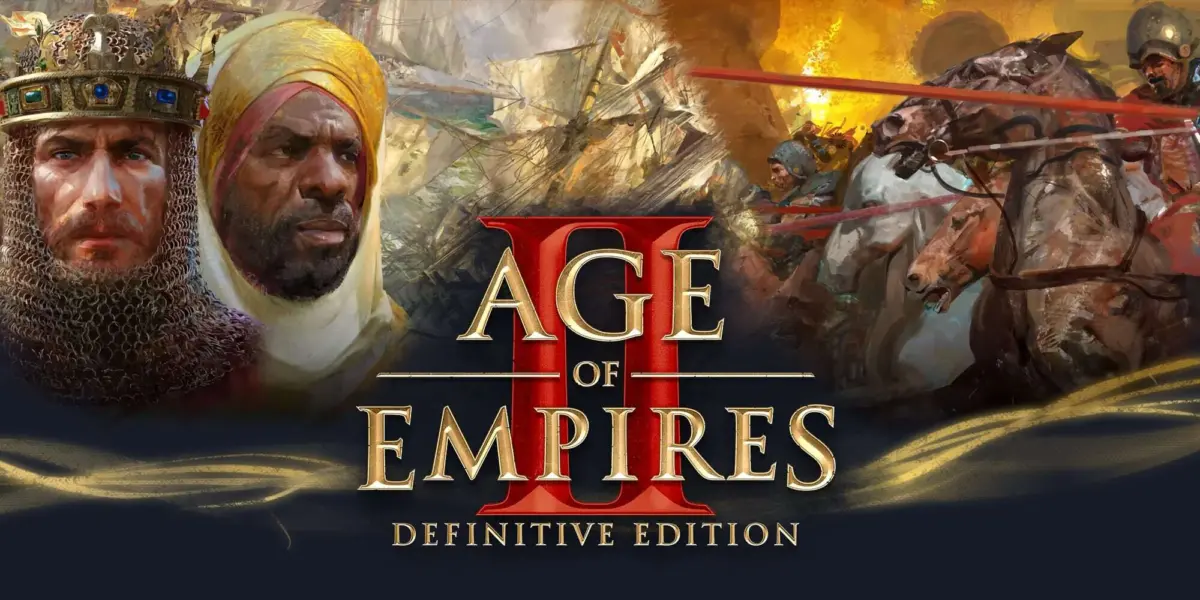
Apple’s multi-year campaign to transform the Mac into a viable, high-performance gaming platform has achieved another major milestone. Industry mainstays and strategy enthusiasts alike received exciting news this week with the official announcement that Age of Empires II: Definitive Edition is officially making the long-awaited leap to macOS. Scheduled for release on Thursday, May 28, this monumental arrival represents a significant win for Apple Silicon hardware, which has increasingly proven its capability to handle complex, resource-intensive titles natively.
Initially, the macOS adaptation of the legendary real-time strategy (RTS) game will deploy via Steam, with a subsequent rollout planned for the Mac App Store later in the year. While the title follows a traditional post-launch porting schedule—arriving years after its initial Windows PC and console debuts—its arrival underscores a growing trend of developers revisiting the Apple ecosystem. Supported by Apple’s robust Game Porting Toolkit, modern Apple Silicon chips (ranging from the M-series baseline processors to the powerhouse M-Max and M-Ultra configurations) are increasingly viewed by major studios as profitable platforms rather than afterthoughts.
This release does not arrive in a vacuum. It follows hot on the heels of other high-profile macOS gaming releases, such as the day-one launch of Crimson Desert, signaling a broader paradigm shift in how AAA and critically acclaimed historical strategy games approach macOS integration. For veterans of the genre and newcomers alike, the upcoming launch offers a masterclass in classic RTS gameplay, optimized with modern 4K visuals, remastered audio, and decades of post-launch refinement.
Detailed Chronology: The Evolution of a Strategy Masterpiece
To understand the significance of Age of Empires II arriving on macOS, one must examine the rich history of the franchise and the arduous technical journey required to bring it to Apple’s desktop operating system.
The Roots of a Legend
Released originally in 1999 by Ensemble Studios and published by Microsoft, the original Age of Empires II: The Age of Kings quickly cemented itself as a cultural touchstone in PC gaming. Set in the Middle Ages, the game challenged players to guide one of several historical civilizations through different epochs, gathering resources, constructing sprawling economies, raising massive armies, and ultimately crushing their adversaries.
Over the decades, the title spawned numerous expansions and community-driven modifications, cultivating one of the most dedicated competitive and casual player bases in gaming history. Recognizing its enduring legacy, Microsoft commissioned Age of Empires II: Definitive Edition, which launched in 2019 to widespread critical acclaim. This definitive iteration overhauled the graphics to support stunning 4K resolutions, re-recorded the iconic orchestral soundtrack, introduced quality-of-life improvements, and bundled multiple expansions into a single cohesive package.
The Long Road to Apple Silicon
Despite its universal appeal, Mac users historically faced significant barriers when attempting to play the Age of Empires franchise natively. For years, Apple’s transition away from PowerPC architectures to Intel processors, followed by the deprecation of 32-bit applications and OpenGL support, created a fragmented landscape for game developers. Running complex PC strategy games on a Mac typically required resource-heavy virtualization software, third-party wrappers like Wine, or dual-booting Windows via Boot Camp—a feature that vanished entirely with the transition to Apple Silicon.
However, the architecture revolution brought about by Apple’s M-series chips fundamentally changed this calculus. Unified memory architecture, exceptional thermal efficiency, and powerful integrated graphics processing units (GPUs) provided developers with a hardware foundation capable of executing complex x86 emulation and native translation layers with remarkable efficiency.
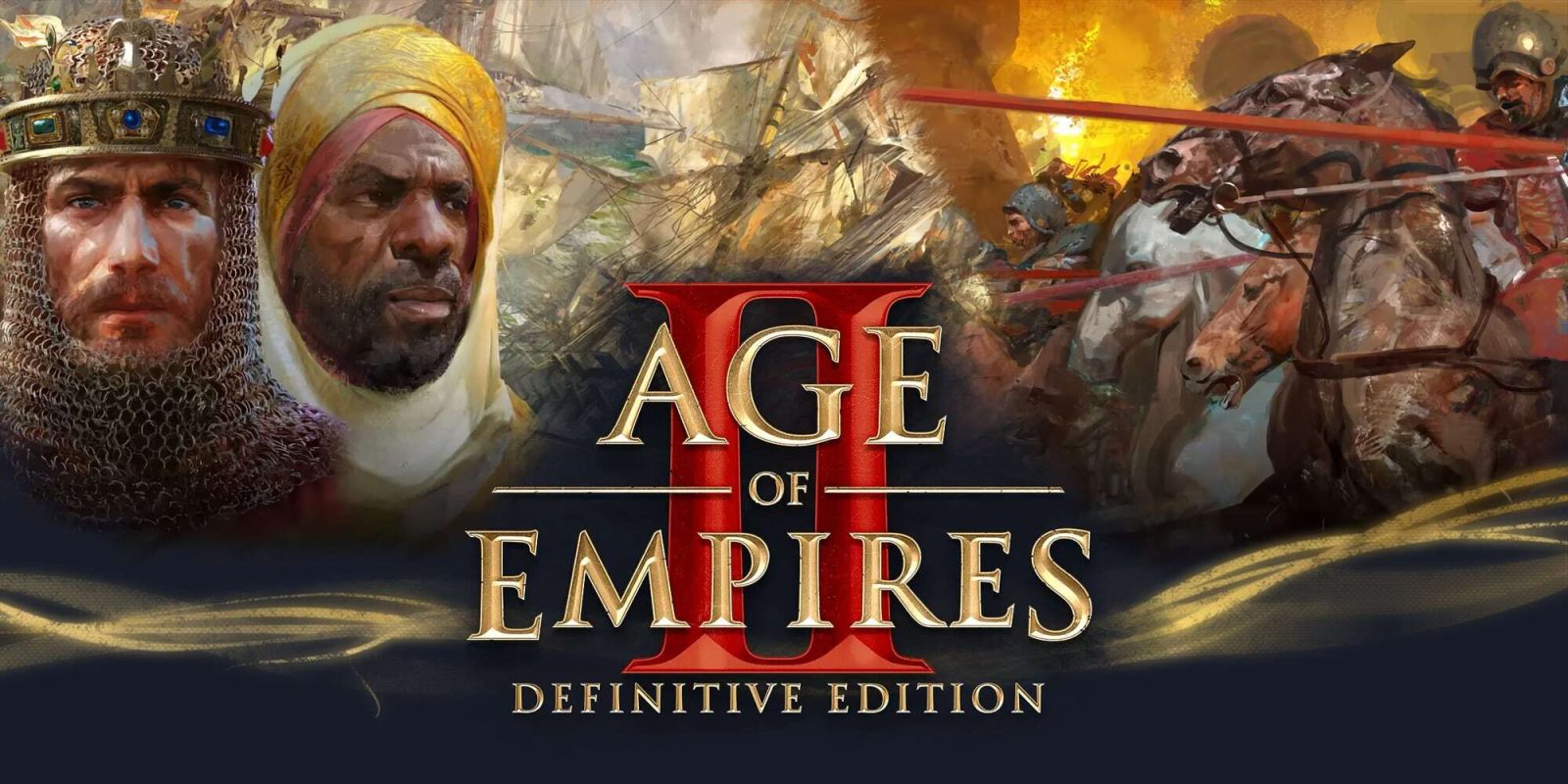
The announcement that Age of Empires II: Definitive Edition is coming natively to macOS on May 28 is the culmination of years of quiet platform maturation. By choosing to launch first on Steam, Microsoft and its development partners are leaning into a platform already utilized by millions of Mac-owning gamers, ensuring a streamlined installation and patch-management pipeline.
Supporting Context & Metrics: Assessing the Modern Mac Gaming Landscape
The release of Age of Empires II: Definitive Edition on macOS is not an isolated event; it is part of a calculated, multi-year strategic offensive by Apple to capture a larger share of the global gaming market.
Breaking the Paradigm: Day-One Launches vs. Legacy Ports
Historically, Mac gaming operated on a severe delay. Major multiplatform titles would launch on Windows PCs and consoles, and if a Mac version materialized at all, it would often arrive six months to several years later, usually handled by third-party porting studios like Feral Interactive or Aspyr.
While Age of Empires II maintains this legacy port pattern—arriving nearly seven years after its Windows counterpart—the broader Mac ecosystem is beginning to see exceptions to this rule. Earlier this year, the industry took notice when Crimson Desert launched on macOS on the exact same day as its multiplatform rollout. This rare simultaneous release demonstrated that Apple’s developer tools, specifically the Game Porting Toolkit introduced at WWDC, are actively reducing the engineering friction required to optimize games for macOS.
Hardware Capabilities and Market Reception
Apple Silicon hardware has quietly evolved into a surprisingly capable gaming machine. Benchmarks across M1, M2, M3, and M4 generations reveal that even baseline MacBook Air and Mac mini models can handle moderate gaming workloads, while Pro, Max, and Ultra chips deliver frame rates and visual fidelity that rival dedicated Windows gaming rigs.
Real-time strategy games, in particular, stand to benefit enormously from these hardware improvements. RTS titles demand immense CPU processing power to manage pathfinding, unit AI, and economic calculations for hundreds—sometimes thousands—of simultaneous entities on screen. The high single-core and multi-core performance of Apple’s M-series processors makes them exceptionally well-suited for the complex calculations inherent to Age of Empires II.
Furthermore, the integration of advanced graphics technologies like MetalFX Upscaling allows games to render at lower native resolutions before intelligently upscaling the image to crisp 4K, ensuring that players do not have to sacrifice performance for visual fidelity.
Official Statements and Content Breakdown
According to the official press release from the developers, the macOS version of Age of Empires II: Definitive Edition will ship with a staggering amount of content right out of the gate. Players will not merely receive a stripped-down port; they will get the complete, uncompromised definitive experience.

What is Included at Launch
The base package arriving on May 28 includes:
- Razor-Sharp 4K Visuals: Fully optimized graphical assets designed to take advantage of high-resolution Retina displays and external Apple monitors.
- Remastered Soundtrack: The classic orchestral score, fully re-recorded and polished for modern audio setups.
- Three Major Expansions: Bundled directly into the base game are Lords of the West, Dynasties of India, and Dawn of the Dukes, offering dozens of additional historical campaigns, unique civilizations, and specialized units.
Day-One DLC Availability
For empire builders and strategy veterans craving even more content, a robust catalog of downloadable content (DLC) will be available for purchase starting on day one. This includes:
- Return of Rome: A unique expansion that transplants the mechanics, civilizations, and campaigns of the original 1999 Age of Empires directly into the modern Age of Empires II engine.
- The Last Chieftains: The recently released expansion exploring the complex, multifaceted medieval societies of South America, adding fresh tactical dimensions and unique tech trees to master.
Future Outlook: What This Means for the Future of Mac Gaming
As the gaming community counts down the days to the May 28 launch, industry analysts and players alike are evaluating the broader implications of this release.
A Vote of Confidence from Major Publishers
Microsoft’s decision to bring one of its most cherished historical strategy franchises to macOS serves as a powerful vote of confidence in Apple’s gaming ecosystem. While Microsoft has historically positioned its Xbox ecosystem and Windows PCs as the primary homes for its gaming properties, the company has increasingly embraced cross-platform availability through cloud streaming and strategic ports. Seeing an Xbox Game Studios-associated title land natively on the Mac signals to other major third-party publishers that the macOS user base is financially viable and technically equipped to support complex titles.
The Road Ahead for Mac App Store Integration
While the initial release will cater to the Steam community—capturing the vast majority of PC-to-Mac crossover gamers—the subsequent rollout on the Mac App Store later this year will be equally critical. The Mac App Store offers seamless integration with Apple’s native billing systems, family sharing, and streamlined automatic updates, making it an ideal storefront for mainstream consumers who may not use Steam.
Community Reaction and Engagement
The reception within the Mac gaming community has been overwhelmingly positive. Forums, social media channels, and dedicated Apple subreddits have erupted with enthusiasm, signaling a pent-up demand for quality strategy titles on macOS.
As Apple continues to refine its silicon architecture and developer toolkits, the narrative surrounding Mac gaming is slowly shifting from skepticism to cautious optimism. While the platform still has ground to cover before achieving total parity with Windows regarding day-one AAA releases, the arrival of Age of Empires II: Definitive Edition proves that legendary franchises can find a thriving second life on the Mac.
Do you game on your Mac? How are you feeling about the current landscape of macOS gaming and the arrival of legendary titles like Age of Empires II? Let us know your thoughts in the comments below.








Belum ada komentar. Jadilah yang pertama berkomentar!