

Executive Overview
Just weeks after its celebrated, high-profile return to the U.S. App Store—ending a bitter, multi-year legal and commercial standoff between Epic Games and Apple—Fortnite hit a jarring roadblock for early adopters. Following a routine app update designed to introduce a fresh, mobile-first gameplay mode, Fortnite abruptly stopped working for users running the newly minted iOS 26 and iPadOS 26 developer and public betas.
The issue, which manifested as an instant crash upon launch, left thousands of enthusiastic mobile gamers stranded. It sparked intense speculation across social media platforms like X (formerly Twitter) regarding whether the incompatibility was an unintended software bug or a deliberate, calculated restriction by Epic Games.
Fortunately, the outage proved to be temporary. Swift engineering intervention by Epic Games led to the release of version 36.10.1 on the App Store just eight days later, officially restoring seamless compatibility with iOS 26. Nevertheless, this brief blackout serves as a fascinating case study in the fragile ecosystem of mobile operating system betas, live-service game updates, and the complex logistical challenges developers face when engineering for Apple’s cutting-edge software environments.
Detailed Chronology of Events
To fully understand the gravity of the iOS 26 incompatibility incident, it is essential to trace the precise timeline of software releases, community reactions, and the ultimate resolution that brought players back into the battle bus.
The Return and the Catalyst (Late May to Mid-June 2025)
Following years of legal warfare, regulatory pressure under the Digital Markets Act in Europe, and shifting antitrust landscapes globally, Fortnite made a triumphant return to the U.S. App Store in May 2025. Overnight, it reclaimed its spot as a top-charting free game, proving that consumer demand for Epic’s flagship battle royale on iOS hardware remained insatiable.
For the first few weeks, the game functioned reasonably well across supported hardware, including devices running early iterations of the iOS 26 beta (provided the host device met the strict hardware requirements, such as a minimum of 4GB of RAM).
![PSA: Fortnite for iPhone and iPad no longer runs on iOS 26 beta after Blitz Royale update [U]](https://9to5mac.com/wp-content/uploads/sites/6/2025/06/GtlJqQ0WQAIfa7F.jpeg?quality=82&strip=all&w=1600)
The Update and the Crash (Mid-June 2025)
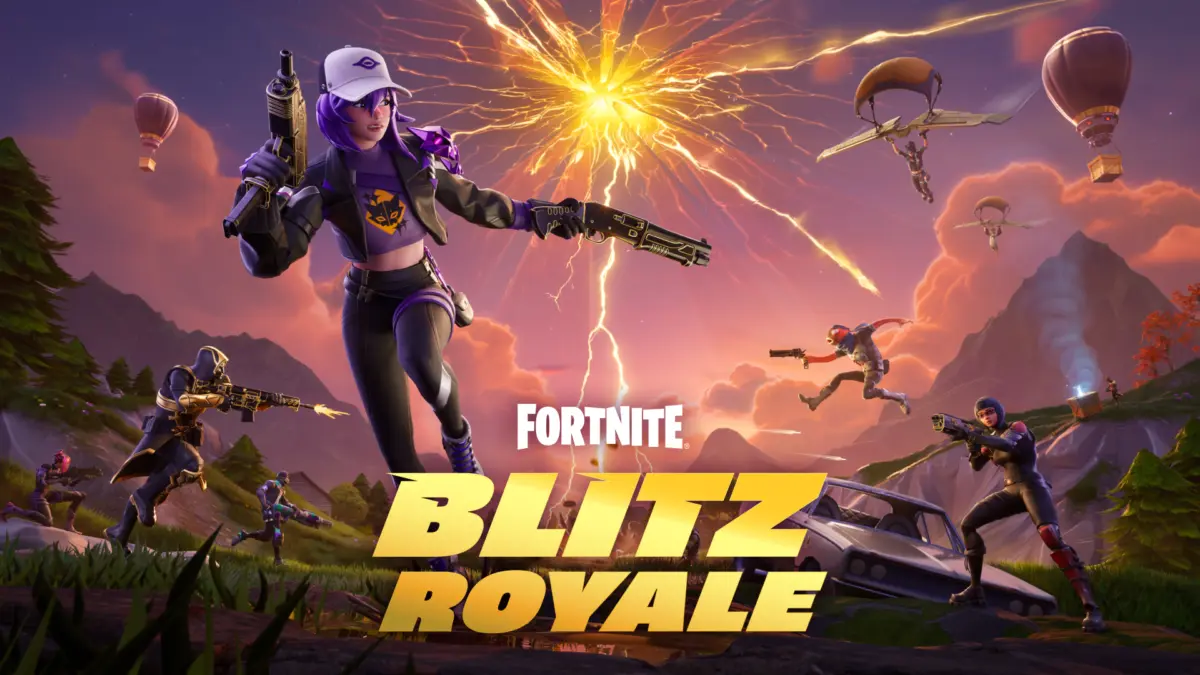
The situation changed overnight when Epic Games rolled out a major mid-season app update. The primary selling point of this patch was the introduction of Blitz Royale, a brand-new, hyper-accelerated game mode specifically tailored for mobile platforms.
However, alongside the rollout of Blitz Royale, players updating to the latest application version on iOS 26 and iPadOS 26 betas encountered an immediate wall: the app would boot up, display introductory splash screens, and then instantly crash back to the Springboard home screen.
Community Panic and Social Media Uproar
As standard operating procedure for live-service multiplayer games dictates, Fortnite requires all active players to run the absolute latest version of the client to access matchmaking servers. Because the updated client was mandatory, iOS 26 beta testers found themselves completely locked out of the game.
Gamers immediately flooded social media networks, generating trending hashtags and tagging accounts like @FortniteStatus. Theories ran wild:
- Was Apple’s new beta security framework blocking native execution of Epic’s rendering pipeline?
- Did Epic Games intentionally restrict OS 26 compatibility due to an underlying graphics API conflict?
- Was this simply an oversight in the continuous integration and deployment (CI/CD) pipeline used by Epic’s mobile development team?
For days, the official channels remained silent on the exact root cause, leaving users with agonizing choices: either downgrade their primary mobile devices back to stable production builds like iOS 18 (a cumbersome, data-risking process) or wait indefinitely for a silent hotfix.
The Resolution (June 25, 2025)
Relief finally arrived eight days after the initial breakage. Epic Games pushed out version 36.10.1 to the iOS App Store. Without extensive prior warning, the patch notes and subsequent user testing confirmed that the update successfully patched the memory handling or API conflict responsible for the instant crashes. iOS 26 and iPadOS 26 users were finally able to drop back onto the island, bringing a swift end to the brief technological standoff.
![PSA: Fortnite for iPhone and iPad no longer runs on iOS 26 beta after Blitz Royale update [U]](https://9to5mac.com/wp-content/themes/ninetofive/dist/images/google-preferred-source-badge-dark.png)
Supporting Context & Metrics: The Technical Realities of iOS Betas
The friction between Fortnite and iOS 26 highlights a fundamental truth of software development: maintaining cross-compatibility between rapidly evolving live-service games and pre-release operating system betas is a monumental engineering challenge.
The Live-Service Update Dilemma
Unlike single-player offline applications, which can remain functional on older versions indefinitely, multiplayer titles are beholden to server-side synchronization. Every client connecting to Epic’s matchmaking servers must execute the exact same codebase, rendering logic, and asset parsing frameworks.
When Epic Games pushed the Blitz Royale update to incorporate new mobile-optimized assets, those assets interacted with the underlying memory management and graphics drivers of iOS 26 in an unforeseen way. Typically, operating system betas break older versions of apps due to deprecated APIs or tightened security sandboxing. In this rare instance, the new app version introduced a dependency or instruction set that clashed violently with the unreleased operating system architecture.
Hardware Limitations and Resource Constraints
Running a modern Unreal Engine-powered title like Fortnite on mobile hardware demands aggressive resource allocation. As highlighted in previous hardware analyses, running the game smoothly generally requires devices equipped with at least 4GB of RAM (such as newer iPads and higher-end iPhone models).
When layering an unoptimized, unstable operating system beta—which inherently features heavy diagnostic logging, debugging daemons, and unfinished memory allocation frameworks—on top of hardware operating near its absolute thermal and memory limits, system crashes become exponentially more likely.
Exploring Blitz Royale: The Mobile Game-Changer
While the iOS 26 beta controversy dominated tech forums for over a week, the actual catalyst for the update was the introduction of Blitz Royale. Designed from the ground up to address the unique behavioral patterns and time constraints of smartphone and tablet gamers, Blitz Royale represents a major shift in how battle royale mechanics are delivered to mobile screens.
![PSA: Fortnite for iPhone and iPad no longer runs on iOS 26 beta after Blitz Royale update [U]](https://9to5mac.com/wp-content/themes/ninetofive/dist/images/google-preferred-source-badge-light.png)
Mechanics of Blitz Royale
According to official documentation and release materials from Epic Games, Blitz Royale condenses the traditional, sprawling 100-player 20-minute match into an intense, hyper-focused arcade experience:
- Player Count & Match Duration: Matches are capped at 32 players on a significantly compressed map size. Victory can be achieved in five minutes or less, making it ideal for quick gaming sessions during commutes, breaks, or short downtime windows.
- Level Playing Field: To eliminate early-game RNG frustration, all participating opponents drop into the match with the exact same randomized Medallion or unique weapon loadout. Survival and victory depend entirely on player skill, tactical positioning, and combat execution rather than luck of the initial house loot.
- The Blitz Level Progression System: As players eliminate opponents and successfully survive encroaching Storm circles, their Blitz Level increases in real-time. Higher levels unlock increasingly devastating weapons and game-changing power-ups.
- Golden Loot and Boons: Players can hunt down Golden Chests for high-tier power-ups (known natively within the game mode as “Boons”) and secure Golden Supply Drops to acquire rare Medallions.
- Flexible Party Options: Gamers can choose to tackle the chaos entirely solo or coordinate with a squad of up to four players.
Epic Games structured Blitz Royale as a limited-time event mode scheduled to run through July 15, with the possibility of future rotations featuring refreshed maps, tweaked mechanics, and brand-new cosmetic rewards.
Future Outlook: Stability, Ecosystem Relations, and What’s Next
The resolution of the iOS 26 compatibility bug brings temporary peace to the mobile gaming community, but it also casts a lens toward the future of third-party app stores, alternative storefronts, and cross-platform operating system integration.
What Developers and Gamers Learned
- The Beta Risk Profile: Early adopters running developer or public betas on their primary daily-driver devices must always anticipate application instability. While developers strive for day-one compatibility, unexpected regressions can occur at any stage of the development cycle.
- Communication is Key: The lack of immediate acknowledgement from official support channels during the eight-day outage left users frustrated. Proactive communication regarding known beta bugs can significantly mitigate community anxiety.
- The Importance of Rapid Hotfixes: Epic Games’ ability to deploy version 36.10.1 within just over a week demonstrates the agility of their mobile infrastructure pipeline, reassuring players that mobile support remains a high corporate priority following their hard-fought return to iOS.
Looking Ahead
As Apple continues to iterate toward the official public release of iOS 26 in the fall, developers across the globe will be stress-testing their codebases to ensure frictionless transitions. For Fortnite players on iPhones and iPads, the immediate crisis has passed. With Blitz Royale providing a fresh, fast-paced alternative to traditional battle royale matches, and full operating system support officially reinstated, the mobile future of Epic’s flagship title is brighter—and more stable—than it has been in years.
Players can currently download or update Fortnite directly through the U.S. App Store, provided their hardware meets the necessary RAM thresholds and software requirements.





Belum ada komentar. Jadilah yang pertama berkomentar!