

Executive Overview
In a surprising yet strategic hardware maneuver, graphics processing titan NVIDIA has officially expanded its product catalog by introducing three new laptop graphics processors: the GeForce RTX 2050, alongside the GeForce MX570 and GeForce MX550. Coming nearly three years after the initial rollout of the revolutionary Turing-based RTX 20-series architecture, this announcement breathes new life into the affordable and mid-tier laptop segments.
For years, budget-conscious consumers, students, and casual gamers have had to rely on aging graphics architectures. Entry-level laptops have long been saturated with legacy chips like the GeForce GTX 1650 and the entry-level MX450. While these GPUs served their purpose during a transitional era of portable computing, they struggle to keep pace with modern software demands, demanding productivity suites, and increasingly sophisticated entry-level game engines.
NVIDIA’s latest hardware drop aims to bridge the performance chasm between integrated graphics solutions and high-end gaming laptops. By injecting modern architectural benefits into budget-friendly form factors, the company is attempting to democratize advanced computational features—such as real-time ray tracing and AI-accelerated upscaling—making them accessible to a wider demographic of users. This comprehensive report delves into the technical specifications, architectural anomalies, market implications, and future outlook of NVIDIA’s newest additions to the mobile GPU ecosystem.
Detailed Chronology: The Evolution of Mobile Graphics
To understand the true significance of the RTX 2050, MX570, and MX550 release, one must contextualize the timeline of NVIDIA’s mobile GPU strategies over the past several years.
The Turing Era and the Rise of Real-Time Ray Tracing
In early 2019, NVIDIA altered the trajectory of computer graphics with the mainstream introduction of the GeForce RTX 20-series. Built upon the "Turing" architecture, these cards introduced dedicated RT (Ray Tracing) cores and Tensor cores to consumer markets. While desktop iterations dominated enthusiast discussions, the subsequent mobile variants fundamentally transformed gaming laptops, allowing portable rigs to handle complex lighting equations and artificial intelligence workloads natively.
However, as the industry transitioned toward the Ampere architecture (RTX 30-series) in 2021, older Turing chips were gradually phased out of primary production lines—or so the market assumed.
The Aging Budget Bottleneck
Throughout 2020 and 2021, global supply chain constraints and skyrocketing semiconductor demands created an unprecedented hardware shortage. Budget laptops felt this pinch acutely. Manufacturers frequently relied on older silicon, such as the GTX 1650 (which lacks dedicated ray-tracing hardware) and the MX450, to power sub-$800 machines. While these processors were economical, they left users wanting significantly more performance when tackling modern content creation pipelines or attempting light esports gaming.
The Spring 2022 Inflection Point
Recognizing a glaring gap in the market for affordable yet capable hardware, NVIDIA engineered a clever product refresh. By utilizing elements of newer silicon architectures while branding them under accessible naming conventions, the company prepared a counter-offensive. Formally announced ahead of broader Spring 2022 deployments and major tech showcases like CES, the RTX 2050 and the new MX-series chips represent a calculated effort to modernize the baseline standard of laptop computing.
Technical Deep Dive: RTX 2050, MX570, and MX550 Specs & Architecture
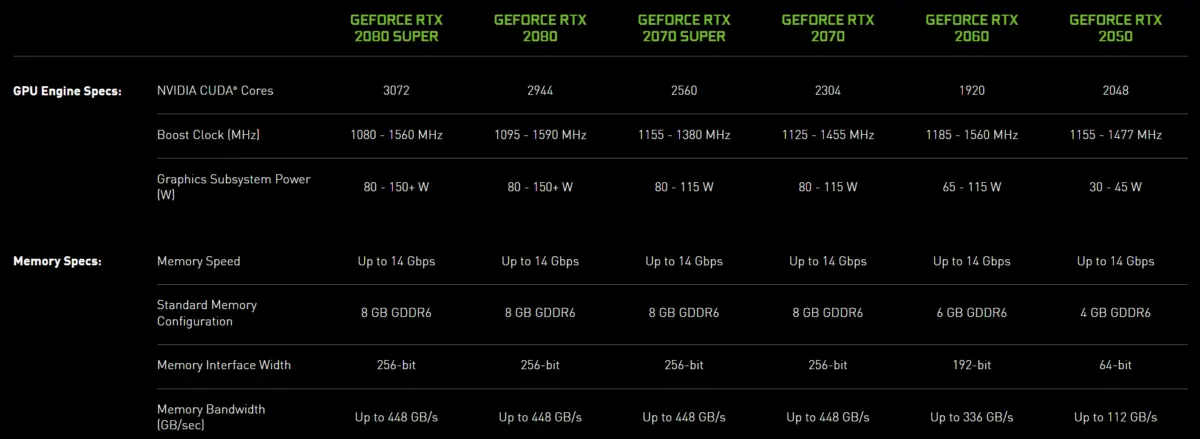
NVIDIA’s latest trio of mobile GPUs brings a fascinating mix of legacy branding and modern under-the-hood engineering. A closer examination of the specifications reveals how these chips are positioned to handle real-world workloads.
+--------------------+---------------------+---------------------+---------------------+
| Feature            | GeForce RTX 2050    | GeForce MX570       | GeForce MX550       |
+--------------------+---------------------+---------------------+---------------------+
| Architecture       | Ampere (GN20-P0)    | Modern Ampere-based | Modern Turing/Ampere|
| CUDA Cores         | 2,048               | High (Optimized)    | Moderate            |
| VRAM               | 4GB GDDR6           | System Shared / VRAM| System Shared / VRAM|
| Memory Bus Width   | 64-bit              | Optimized           | Optimized           |
| Memory Bandwidth   | 112 GB/s            | Fast Speeds         | Standard Speeds     |
| TDP Range          | 30W – 45W           | Ultra-Efficient     | Ultra-Efficient     |
| Key Technologies   | Ray Tracing, DLSS   | Power-Efficient     | Creative Work Focus |
+--------------------+---------------------+---------------------+---------------------+
The GeForce RTX 2050: A Wolf in Sheep’s Clothing
Despite carrying a "20-series" moniker that implies a connection to older Turing-based cards, the GeForce RTX 2050 is uniquely built upon the Ampere architecture—the very same technological foundation that powers the high-end RTX 30-series. This naming convention has caused some confusion among hardware enthusiasts, but the underlying silicon tells a compelling story.
- Core Count & Compute Power: The RTX 2050 features an impressive 2,048 CUDA cores. Curiously, this matches the exact core count found in the mobile GeForce RTX 3050.
- Memory Constraints: To differentiate the RTX 2050 from its higher-tier Ampere siblings, NVIDIA paired the chip with 4GB of GDDR6 VRAM operating across a constrained 64-bit memory interface width. This results in a memory bandwidth of 112 GB/s. While the high CUDA count provides raw computing muscle, the narrower 64-bit bus acts as a structural bottleneck, meaning it will not match the direct frame-rate output of a standard RTX 3050.
- Power Efficiency: Designed for thin-and-light chassis, the RTX 2050 operates within a flexible Thermal Design Power (TDP) bracket of 30W to 45W. This low power draw ensures that laptop manufacturers can build cool, quiet machines without massive cooling arrays.
- Feature Set: Despite its entry-level positioning, the RTX 2050 supports advanced graphical features. It includes Real-Time Ray Tracing and Deep Learning Super Sampling (DLSS) support, alongside NVIDIA BatteryBoost. However, it notably omits G-Sync and native VR Ready certifications, aligning with its budget-friendly mission profile.
The GeForce MX570: The Pinnacle of Productivity
Moving down the performance ladder toward productivity-first devices, we encounter the GeForce MX570. While NVIDIA kept exact architectural blueprints tightly under wraps during the initial announcement, corporate disclosures paint a clear picture of its capabilities.
- Performance Crown of the MX Line: NVIDIA explicitly billed the MX570 as the fastest MX-series GPU ever created.
- Optimized Execution Units: The chip leverages a higher count of power-efficient CUDA cores combined with significantly faster memory speeds than any preceding MX processor.
- Target Audience: The MX570 bridges the gap between casual gaming and rigorous professional work. Whether rendering video timelines in Adobe Premiere Pro, compiling code, or engaging in casual esports titles during downtime, the MX570 is engineered to maximize efficiency without draining a laptop battery prematurely.
The GeForce MX550: The Creative Catalyst
As the direct successor to the ubiquitous MX450, the GeForce MX550 focuses heavily on content creation and accelerated multimedia workflows.
- Leap in Creative Performance: NVIDIA has promised a substantial performance leap for photo and video editing tasks. Users utilizing creative suites such as the Adobe Creative Cloud ecosystem will notice markedly faster export times, smoother filter application, and accelerated AI-driven tools.
- Light Gaming Competency: Armed with an increased number of CUDA cores relative to older entry-level solutions, the MX550 also handles light, casual gaming configurations with relative ease, offering a robust fallback for students who want an all-in-one productivity and entertainment machine.
Supporting Context & Market Metrics
The introduction of these three GPUs is far more than a routine hardware refresh; it is a calculated response to evolving consumer habits in the post-pandemic digital landscape.
The Shift in Consumer Demographics
The demand for versatile mobile computing devices has surged. Remote work, hybrid learning environments, and casual gaming have converged. Consumers no longer purchase distinct devices for work, creative hobbies, and gaming. Instead, they demand a single, affordable laptop that can seamlessly transition from a morning Zoom meeting to an afternoon video-editing session and an evening gaming match.
Older budget chips like the GTX 1650 lack the tensor-core infrastructure required for modern AI workloads, such as NVIDIA Broadcast (for noise removal and virtual backgrounds) and DLSS (which drastically improves frame rates in demanding games). By bringing Ampere-derived technology down to the entry-level tier via the RTX 2050, NVIDIA is ensuring that even budget-conscious buyers gain access to AI-accelerated workflows.
Competitive Pressures
The mobile GPU market is no longer a one-horse race. AMD has aggressively expanded its integrated graphics capabilities with mobile Ryzen processors, while Intel has entered the dedicated discrete graphics arena with its Intel Iris Xe and upcoming Arc Alchemist discrete mobile solutions. To maintain its ironclad grip on the laptop market, NVIDIA must continuously populate every conceivable price bracket with compelling, feature-rich options. The RTX 2050, MX570, and MX550 act as strategic gatekeepers, preventing competitors from capturing the lucrative $600–$900 laptop market.
Official Statements and Industry Reception
NVIDIA’s hardware announcements are always subjected to intense scrutiny by hardware analysts, industry journalists, and consumers alike. The initial unveiling of the RTX 2050, MX570, and MX550 elicited a mixed yet generally optimistic response.
The Naming Controversy
Industry critics initially raised eyebrows at NVIDIA’s decision to label an Ampere-based chip with a "20-series" nomenclature. Historically, GPU generations share architectural consistency. Naming a chip with Ampere internals an "RTX 2050" led to temporary confusion regarding whether the card featured Turing or Ampere tech.
However, hardware experts quickly recognized the marketing brilliance behind the move. Positioning the card below the RTX 3050 while utilizing the 20-series branding allows NVIDIA to price laptops aggressively while clearly communicating to consumers that this sits below the core RTX 30-series stack.
Manufacturer Integration
Major original equipment manufacturers (OEMs)—including ASUS, Lenovo, Acer, and HP—welcomed the new silicon. Designing thin-and-light laptops constrained by strict thermal budgets (30W–45W) requires highly flexible GPUs. The RTX 2050 and MX570 provide manufacturers with the exact thermal headroom needed to craft sleek, lightweight chassis without sacrificing modern software compatibility.
Future Outlook: What to Expect Next
As the technology industry looks toward broader rollouts and subsequent device launches, the impact of these three new GPUs will become increasingly apparent on store shelves.
Spring 2022 and Beyond
With initial announcements setting the stage, laptop manufacturers are rolling out consumer devices featuring the RTX 2050, MX570, and MX550 throughout the spring and summer product cycles. As independent benchmark suites and real-world reviews emerge, consumers will gain a definitive understanding of how the 64-bit memory bus on the RTX 2050 performs under heavy gaming loads compared to its 128-bit sibling, the RTX 3050.
The Democratization of Ray Tracing and AI
Ultimately, the most profound legacy of the RTX 2050 release may well be the normalization of ray tracing and DLSS at lower price points. As developers increasingly rely on AI upscaling technologies to optimize game performance, ensuring that budget hardware supports DLSS is paramount. NVIDIA’s latest hardware expansion guarantees that the next generation of budget laptops will not be left behind in the software revolution, securing a high-performance baseline for millions of users worldwide.








Belum ada komentar. Jadilah yang pertama berkomentar!