Nestled directly east of the sprawling waters of the Sumida River, the historic district of Fukagawa stands as a living testament to Tokyo’s enduring architectural, cultural, and culinary heritage. Originally reclaimed from marshy wetlands during the early Edo period by visionary developer Fukagawa Hachiroemon, this storied neighborhood has evolved from a humble river settlement into a vibrant tapestry of tradition and modernity. Today, the district encompasses iconic enclaves such as Kiyosumi-Shirakawa, Morishita, and the bustling temple town of Monzen-Nakacho.
While neighboring areas lean heavily into contemporary coffee culture and modern residential growth, Monzen-Nakacho preserves the authentic pulse of historic Edo. Characterized by sacred Shinto shrines, centuries-old Buddhist temples, lively shopping thoroughfares, and a burgeoning culinary scene that bridges historical comfort food with modern gastronomy, Fukagawa offers a compelling window into Tokyo’s past. This comprehensive review examines ten essential destinations within Monzen-Nakacho, mapping out a cultural landscape where sacred heritage and modern neighborhood life converge seamlessly.
Detailed Chronology & Historical Evolution
To truly appreciate the architectural and cultural fabric of Monzen-Nakacho, one must trace its origins back to the foundations of the Tokugawa shogunate. The transformation of Tokyo’s eastern lowlands—historically known as shitamachi (literally "low city"—the working-class and merchant districts of Edo)—began in earnest when Hachiroemon spearheaded large-scale drainage and civil engineering projects. These newly minted lands quickly attracted a diverse populace of fishermen, artisans, and merchants, establishing a distinct regional identity centered around communal worship and commerce.
The true catalyst for Monzen-Nakacho’s rapid development, however, was the establishment and imperial patronage of its major religious institutions. In Japanese urban history, the term monzen-machi refers specifically to temple or shrine towns that flourished directly outside the gates of major spiritual centers. Monzen-Nakacho lived up to this nomenclature entirely. Backed by the economic and political weight of the Tokugawa shogunate, sanctuaries like the Tomioka Hachimangu Shrine and the Fukagawa Fudoson Temple transformed the area into a magnetic hub for spiritual pilgrims, traveling performers, and merchants.
Over the centuries, the district weathered the dramatic socio-political shifts of the Meiji Restoration, the catastrophic devastation of the 1923 Great Kantō Earthquake, and the air raids of World War II. Yet, through each wave of destruction and rebuilding, the community retained its resilient spirit. The enduring popularity of localized festivals, traditional artisan trades, and multi-generational culinary staples ensures that the foundational ethos of Edo-period commerce and community life survives vibrantly into the 21st century.
Supporting Context & Metrics: Cultural Landmarks of Monzen-Nakacho
A thorough exploration of Monzen-Nakacho requires an intimate look at the specific landmarks, culinary traditions, and hidden gems that define the district. The neighborhood’s geography is compact yet densely layered with history, making it an ideal destination for cultural preservationists and curious travelers alike.
1. Tomioka Hachimangu Shrine: The Heart of Local Worship
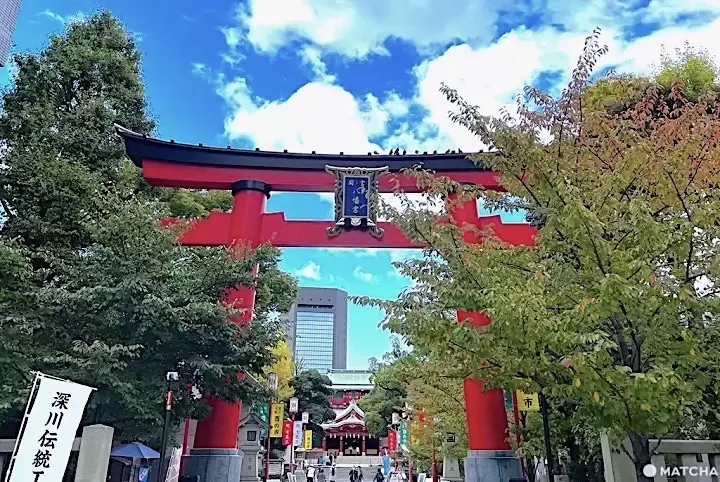
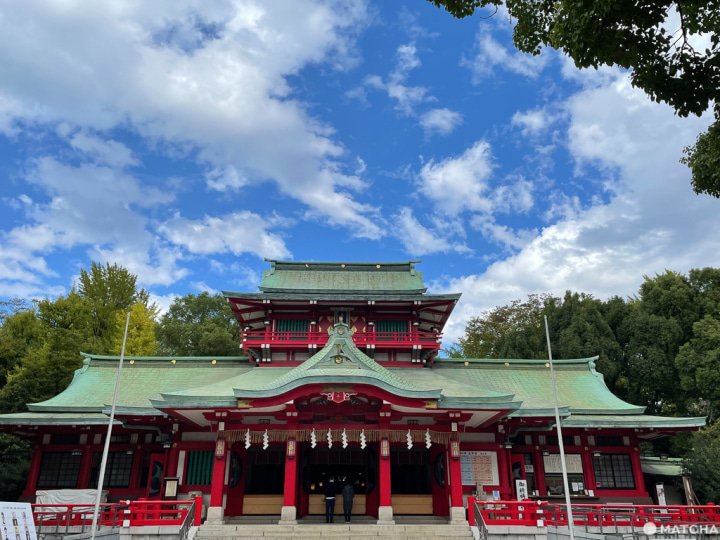
As the largest Hachimangu shrine in Tokyo, the Tomioka Hachimangu Shrine (frequently referred to as Fukagawa Hachimangu) commands a towering presence in the neighborhood. Dedicated to Hachiman—the revered deity of archery, war, seafaring, and statecraft, historically conflated with Emperor Ojin—the shrine served as a vital spiritual bulwark for the samurai class and ordinary citizens alike during the Edo period.
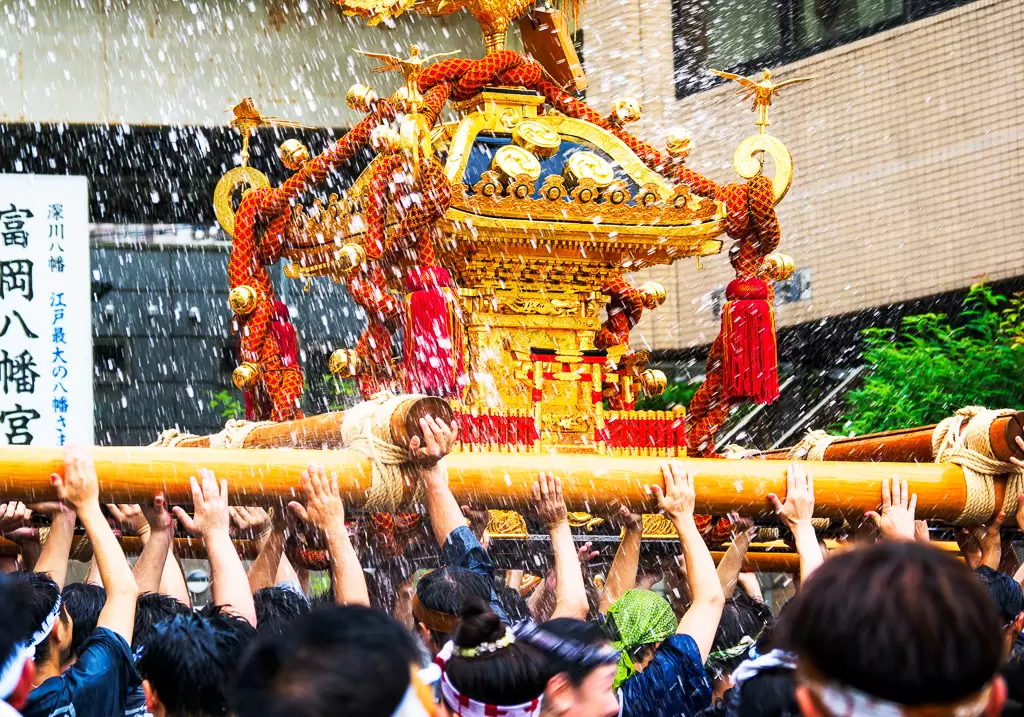
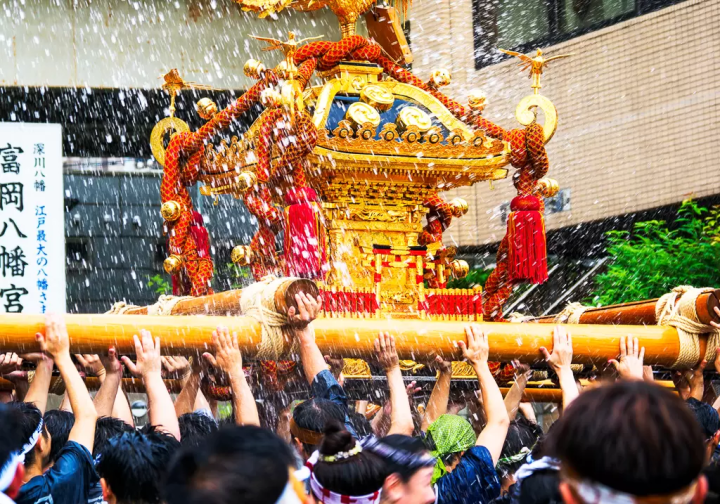
The shrine’s historical prominence is punctuated by its staggering scale and legendary festival artifacts. Held annually in August, the Fukagawa Hachiman Festival (Fukagawa Hachiman Matsuri) ranks among the Edo San-Daimatsuri (the Three Great Festivals of Edo). The highlight of this energetic event is the Ninomiya Mikoshi, a colossal, two-ton, 3.3-meter-tall golden portable shrine. As bearers hoist the massive structure through the humid summer streets, enthusiastic spectators participate in mizukake—the ritual splashing of water onto the carriers to keep them cool and energized. This dynamic spectacle transforms the neighborhood into an arena of communal jubilation.
Remarkably, the shrine houses an even larger artifact: the Ichinomiya Mikoshi. Weighing a staggering 4.5 tons and standing 4.4 meters tall, this monumental portable shrine is encrusted with gold, diamonds, rubies, and emeralds. Because its immense structural weight precludes it from being physically paraded through public thoroughfares, it remains permanently enshrined on-site for public viewing, symbolizing the unmatched wealth and patronage historical Edo temples once commanded.
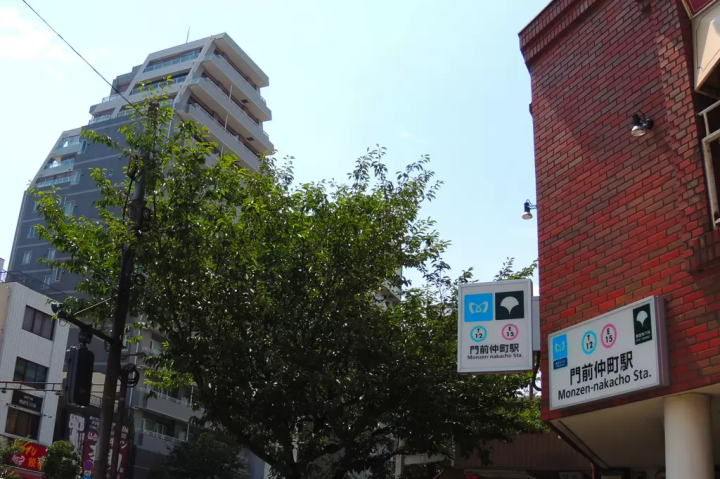
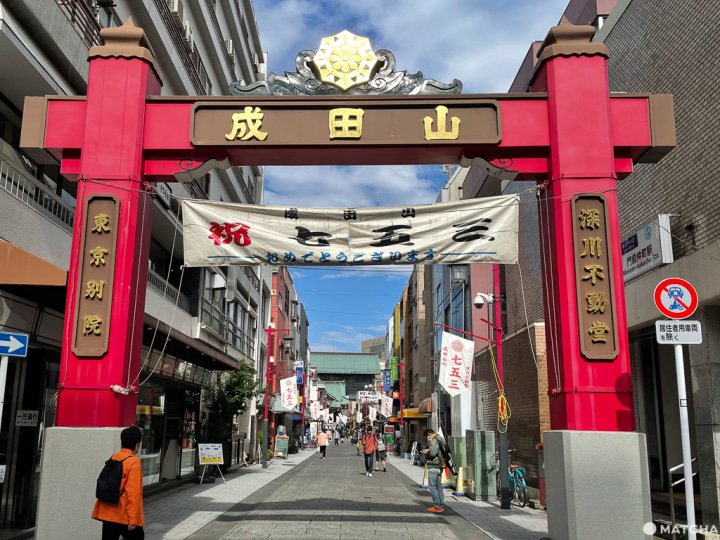
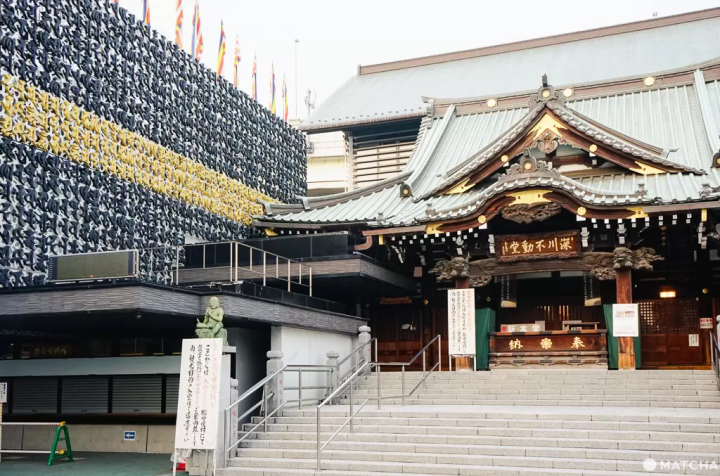
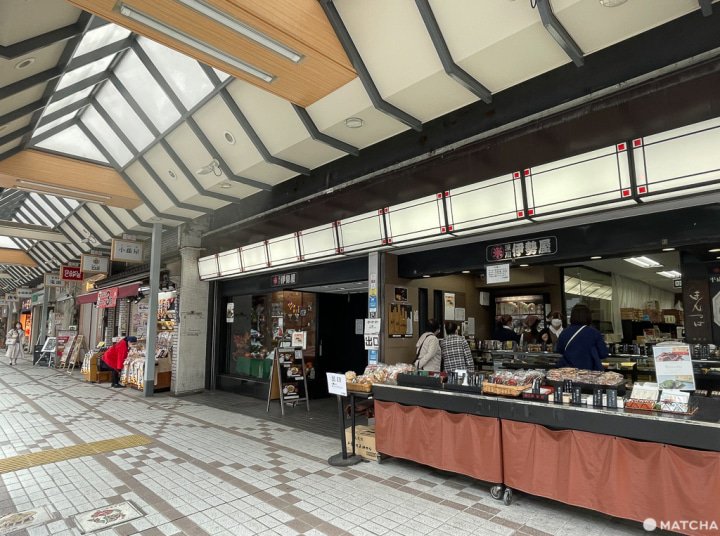
Stepping outside Monzen-Nakacho Station brings visitors immediately into Ninjo Fukagawa Goriyaku-dori, a bustling, human-scale shopping street (shotengai) that leads directly to the imposing gates of Fukagawa Fudoson Temple. This temple serves as a prominent Tokyo branch of Chiba’s celebrated Naritasan Shinshoji Temple.
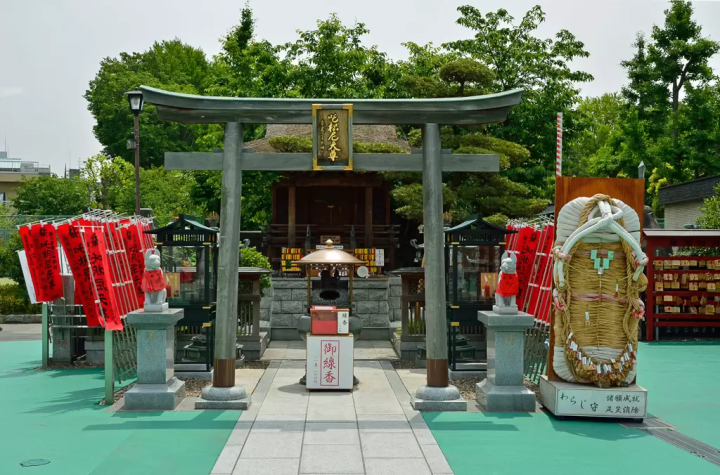
Fukagawa Fudoson Temple is renowned not only for its fierce guardian deity, Fudo Myoo, but also for its arresting architectural design. The exterior of the main hall is completely sheathed in continuous bands of golden Sanskrit script, representing sacred mantras intended to dispel human delusions and answer earnest prayers. Inside, the temple offers visitors a rich tapestry of spiritual mementos, including intricately handcrafted straw-sandal amulets (wara-zori) traditionally purchased by those praying for relief from lower-body and joint ailments.
3. Culinary Heritage: Fukagawa-don and Modern Wagashi
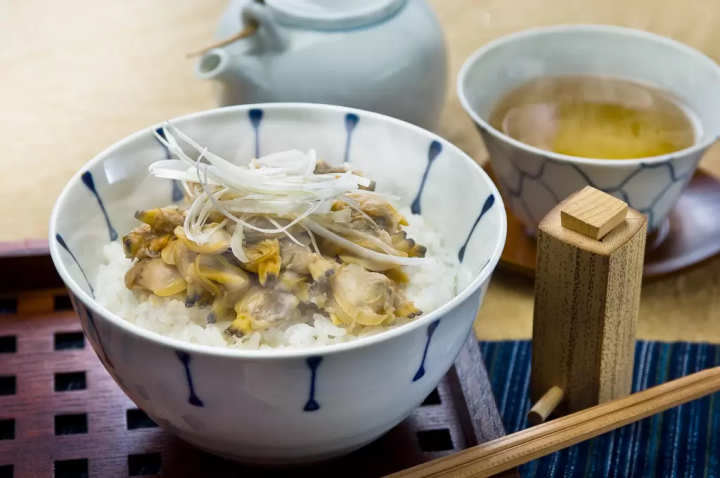
No cultural study of Fukagawa is complete without examining its signature gastronomy. The district is the birthplace of Fukagawa-don (or Fukagawa-meshi), a historic comfort food historically consumed by local fishermen. The dish features steamed rice topped with fresh, locally harvested clams (asari), leeks, and a rich, savory dashi broth thickened with miso. For an authentic tasting experience, visitors frequent establishments like Fukagawajuku, located within the precincts of Tomioka Hachimangu Shrine—a culinary institution so culturally significant it has been featured in high-profile tourism campaigns starring celebrated Japanese actress Satomi Ishihara.
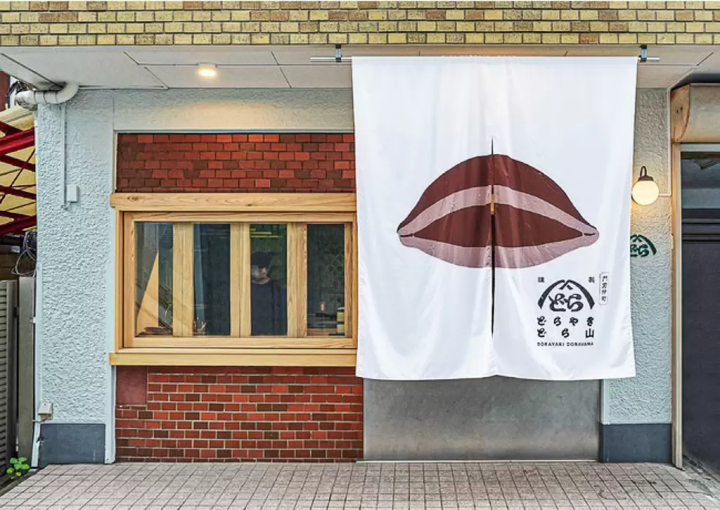
Complementing these savory traditions are innovative iterations of classic sweets. Monnaka Dorayaki Dorayama offers a contemporary spin on the traditional dorayaki (sweet red bean paste sandwiched between two fluffy, pancake-like patties), integrating Western pastry techniques that routinely cause goods to sell out minutes after opening.
4. Craft Beverage Culture: Orihara Shoten and Umeshudo
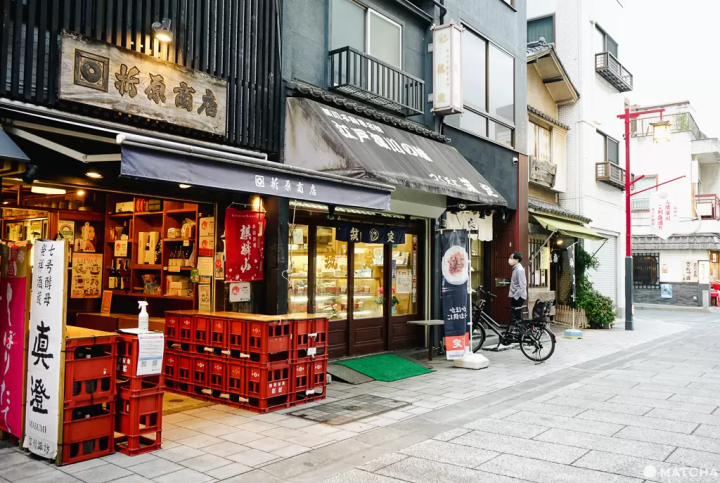
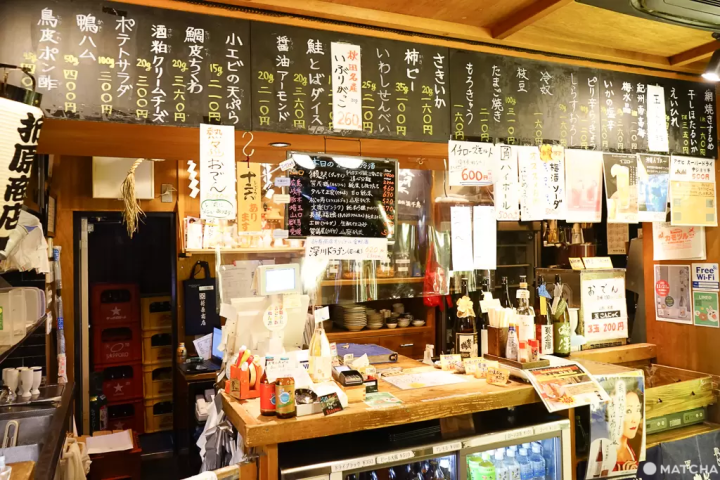
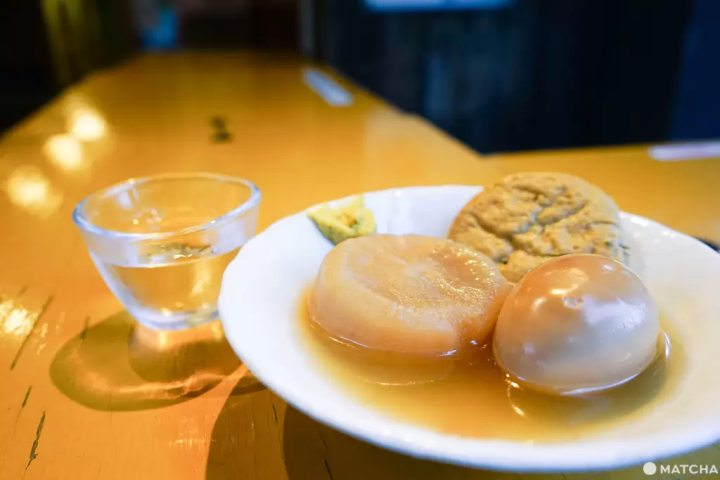
Monzen-Nakacho has also emerged as a premier destination for connoisseurs of traditional Japanese spirits. Orihara Shoten, operating along Goriyaku-dori since evolving from its 1924 liquor wholesale roots in Ikebukuro, functions simultaneously as a retail bottle shop and a vibrant standing-room-only bar (tachinomiya). Offering bilingual English menus and welcoming staff, it allows travelers to sample regional sakes from across the archipelago, expertly paired with steaming bowls of seasonal oden.
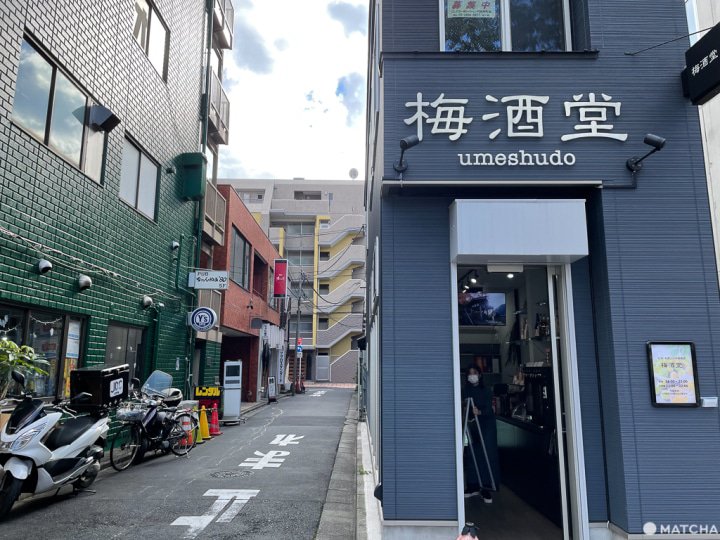
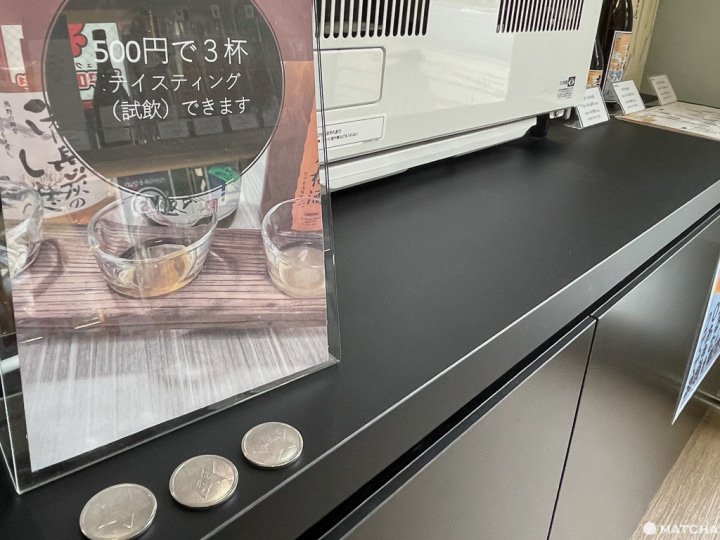
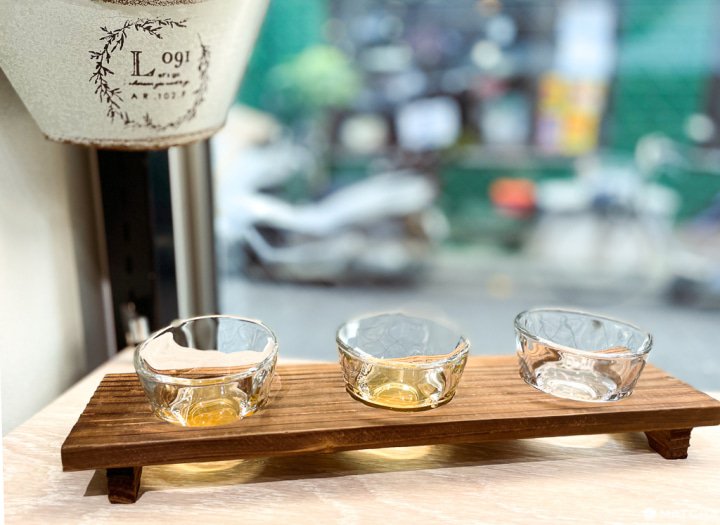
Similarly, Umeshudo, situated near the grand torii gate of Tomioka Hachimangu Shrine, specializes exclusively in umeshu (Japanese plum wine). Featuring an extensive inventory sourced primarily from Wakayama Prefecture—Japan’s premier plum-producing region—the shop utilizes an automated token-based tasting system. Patrons can sample rare award-winning vintages, such as the gold-medal-winning Kohaku no Kiwami or gold-leaf-flecked Premium Kishu Roman, offering deep insight into the nuanced craft of Japanese fruit-based brewing.
5. Architectural Modernism and Natural Escapes
Balancing the historic streetscapes are forward-thinking community hubs and natural sanctuaries:
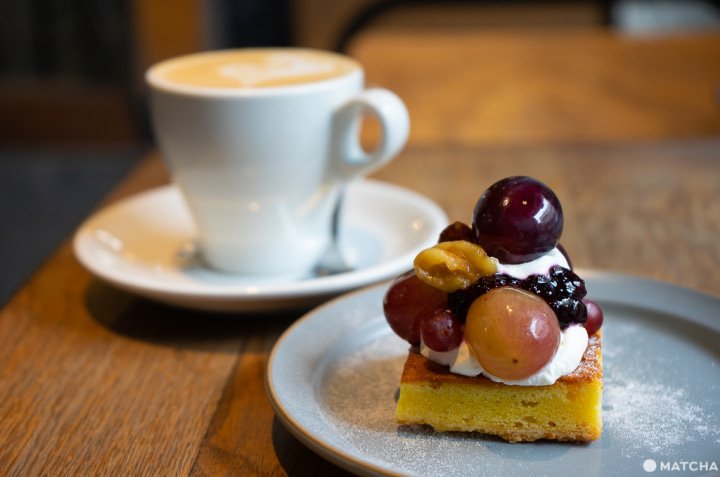
MONZ CAFE: Housed within a meticulously restored architectural asset that once operated as an amazake (sweet fermented rice wine) shop, this cafe blends traditional cedar woodwork with Oya stone masonry, serving specialty espresso alongside dense Basque cheesecakes.
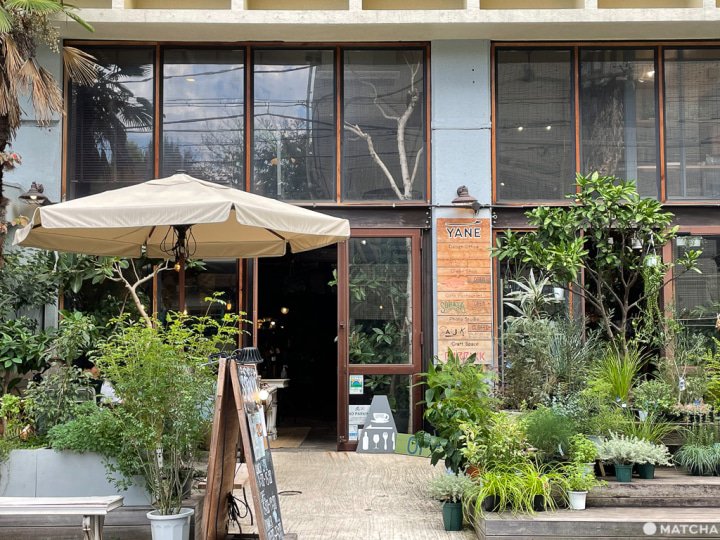
YANE: A dynamic, mixed-use facility that unites the floral artistry of MICAN, the culinary offerings of SORAYA, and collaborative coworking spaces, demonstrating how historic properties are being successfully repurposed for the modern creative class.
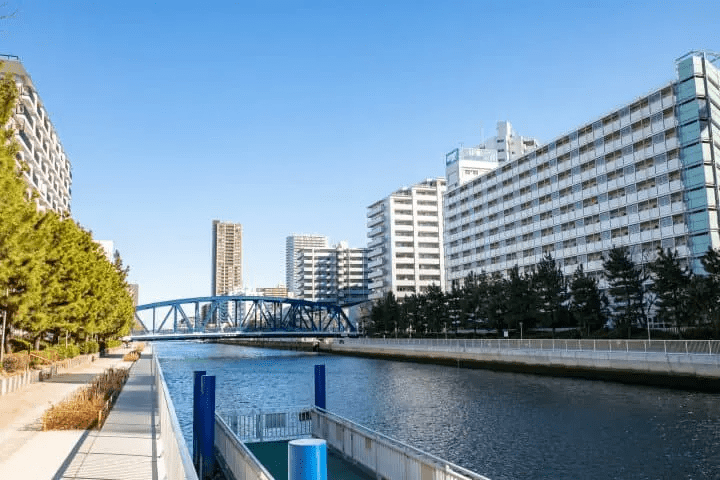
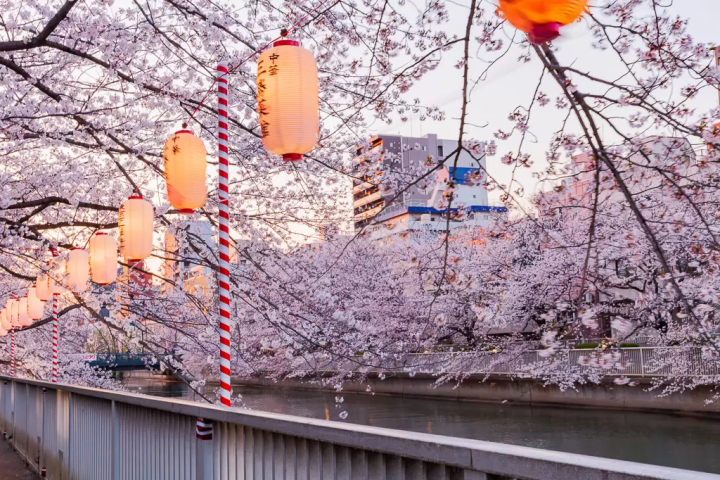
Oyokogawa Sakura: Positioned a short walk from Monzen-Nakacho Station, this scenic canal path features a dense canopy of cherry blossom trees that rivals the famous pedestrian crowds of Nakameguro’s Meguro River, offering a tranquil, crowd-free environment for hanami (cherry blossom viewing) each spring.
Official Statements & Community Perspectives
Local preservationists, urban planners, and small business operators emphasize that the sustained appeal of Monzen-Nakacho lies in its deliberate resistance to over-commercialization. In recent public planning forums concerning the revitalization of Tokyo’s shitamachi zones, municipal authorities have repeatedly stressed the importance of protecting historic residential scales against aggressive high-rise developments.
A representative from the Monzen-Nakacho Commercial Association noted in a recent regional development briefing:
"Our neighborhood does not survive merely by preserving physical artifacts behind glass; it survives because families, artisans, and merchants continue to practice their trades in the exact same spaces their grandparents did. The harmony between our ancient religious festivals, our traditional sake bars, and our modern cafes is the direct result of a community that values continuity above rapid economic turnover."
Cultural anthropologists studying Tokyo’s urban evolution point out that Monzen-Nakacho serves as a vital psychological anchor for residents of a hyper-modern megalopolis. By maintaining pedestrian-friendly shopping arcades, communal temple grounds, and open neighborhood gathering spaces, the district successfully fosters social cohesion that is frequently lost in heavily corporatized commercial districts.
Future Outlook
As Tokyo looks toward an increasingly globalized future, neighborhoods like Fukagawa and Monzen-Nakacho face both unprecedented opportunities and distinct preservation challenges. The influx of international travelers seeking authentic, off-the-beaten-path cultural experiences has injected renewed economic vitality into local micro-businesses, inspiring multi-lingual signage, enhanced digital tourism resources, and innovative culinary fusions.
However, stakeholders remain acutely aware of the delicate equilibrium required to prevent the corrosive effects of over-tourism and commercial gentrification. Urban planning initiatives moving forward are projected to focus heavily on sustainable tourism management, encouraging visitors to explore peripheral heritage sites along the Oyokogawa River and supporting independent generational merchants over corporate chains.
Ultimately, Monzen-Nakacho remains a masterclass in urban resilience. By honoring the historical framework laid down by Fukagawa Hachiroemon and the Tokugawa shogunate—while simultaneously embracing the creative energies of contemporary artisans, baristas, and restaurateurs—this timeless corner of Tokyo guarantees that the vibrant spirit of Edo will continue to thrive for generations to come.







Belum ada komentar. Jadilah yang pertama berkomentar!