

Executive Overview
Over a year after its monumental global launch, the PlayStation 5 (PS5) has remained a dominant force in the gaming industry, celebrated for its raw processing power, lightning-fast custom SSD architecture, and immersive haptic feedback via the DualSense controller. However, since its initial debut in November 2020, the console has been inextricably tied to a single, polarizing aesthetic: the futuristic, two-tone white and black "monolith" design. While sleek and modern, this stark colorway left many gamers yearning for the days of modular personalization—a tradition deeply embedded in PlayStation’s hardware history, from the customizable faceplates of the PlayStation 4 to the vibrant shell variants of the PSP and PS2 eras.
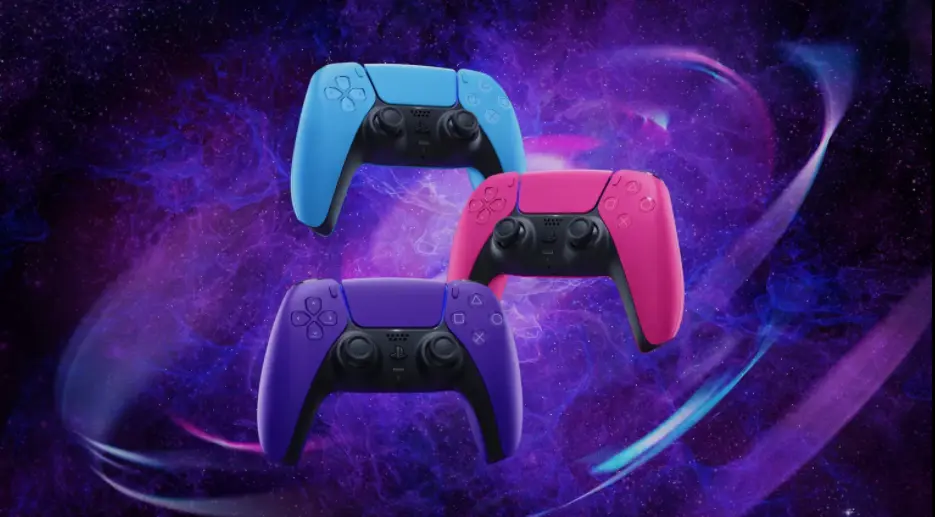
Addressing this long-standing consumer demand, Sony Interactive Entertainment has officially introduced the Galaxy Collection, a vibrant and cosmic-inspired suite of interchangeable console covers alongside an expanded palette of matching DualSense wireless controllers. Drawing aesthetic inspiration from the far reaches of outer space, the new lineup features five distinct colorways: Starlight Blue, Galactic Purple, Midnight Black, Cosmic Red, and Nova Pink.
This comprehensive industry report explores the rollout of Sony’s new hardware customization strategy, examining the product specifications, regional release timelines starting with the Malaysian market, the mechanics of the modular faceplates, and the broader economic and cultural implications of offering hardware personalization in an era of supply chain constraints.
Detailed Chronology & Product Breakdown
The journey toward a customized PS5 ecosystem has been a gradual one, marked by consumer anticipation, third-party legal battles, and deliberate corporate strategy.
The Monolith Era: A Year of Uniformity
When the PS5 launched in late 2020, early adopters had zero official alternatives to the default white-and-black chassis. The console’s sweeping fins quickly became iconic, but they also proved polarizing. Some users found the white plastic prone to dust accumulation and scuffs, while others simply desired a setup that matched their personalized gaming dens, entertainment centers, or PC rigs.
This vacuum in the market immediately spawned a cottage industry of third-party manufacturers attempting to sell custom faceplates. The situation escalated quickly when Sony launched aggressive legal countermeasures against unauthorized shell manufacturers, protecting its proprietary industrial designs. For months, gamers were left wondering when—or if—Sony would officially step in to provide its own proprietary customization options.
The Midnight Black and Cosmic Red Prelude
Sony’s first major concession to color customization arrived in mid-2021 with the release of the Midnight Black and Cosmic Red DualSense wireless controllers. These additions proved immensely popular, signaling to executives in Tokyo that consumer appetite for alternative colorways was robust. However, players still lacked the ability to alter the console itself.
The Birth of the Galaxy Collection
The paradigm shifted dramatically when Sony officially pulled back the curtain on the Galaxy Collection. Designed to complement the existing space-fared-themed controller variants, the new line of console covers represented a complete overhaul of how players could interact with their hardware.
Unlike previous generations where purchasing a differently colored console required buying an entirely new hardware unit, the PS5 was engineered from the ground up with easily removable, snap-on faceplates. The Galaxy Collection leveraged this architectural foresight, allowing users to transform the look of their standard PS5 or PS5 Digital Edition in a matter of seconds without the use of specialized tools.
The five interstellar hues introduced in the collection include:
- Nova Pink: A vibrant, energetic burst of color that reflects a nebula’s brilliant glow.
- Starlight Blue: A shimmering, celestial blue evoking the depth of the night sky.
- Galactic Purple: A deep, regal violet that pays homage to classic PlayStation branding while maintaining a modern edge.
- Cosmic Red: A bold, fiery tone inspired by the striking hues found throughout the cosmos.
- Midnight Black: A sleek, stealthy, two-tone gray-black finish that appeals to minimalists preferring a more understated setup.
Alongside these console covers, Sony announced the expansion of the matching DualSense wireless controller lineup to include Starlight Blue, Nova Pink, and Galactic Purple, ensuring complete aesthetic synchronization between input devices and the console chassis.
Regional Rollout and Market Logistics: The Malaysian Launch Strategy
Launching hardware accessories on a global scale while navigating ongoing post-pandemic supply chain disruptions is no small feat. Sony structured the rollout of the Galaxy Collection in staggered phases across international markets, with specific timelines announced for regions like Malaysia.
Staggered Availability
The initial rollout prioritized select colors depending on manufacturing priorities and regional distribution networks.
- Phase One (January 2022): The Midnight Black and Cosmic Red PS5 console covers were slated for immediate release in Malaysia, aligning with their availability in major Western markets. These darker, more traditional tones were anticipated to capture the highest initial market demand from users seeking a seamless transition away from the stock white panels.
- Phase Two (First Half of 2022): The more vibrant additions to the lineup—Starlight Blue, Galactic Purple, and Nova Pink console covers—were scheduled for a subsequent rollout across Malaysia throughout the first half of the year.
Meanwhile, the release dates for the newly announced matching DualSense controllers in specific Southeast Asian markets required localized adjustments. Sony’s regional arms maintained an active communication stance, urging consumers to monitor official local channels for precise drop dates.
Pricing and Accessibility Economics
A crucial element of Sony’s strategy was the decision to sell the console covers separately rather than forcing consumers to purchase an entirely new console. At an accessible price point compared to a hardware upgrade, these faceplates democratized customization.
However, a key distinction had to be managed by retailers: The console covers are strictly separated by hardware model. Consumers with the standard PS5 equipped with an Ultra HD Blu-ray disc drive must purchase the specific disc-edition cover, while owners of the PS5 Digital Edition must acquire the slimmer, disc-drive-free variant. Retailers in Malaysia and globally emphasized this distinction to prevent widespread consumer ordering errors.
Supporting Context & Metrics: The Ergonomics of Customization
To fully understand the significance of the Galaxy Collection, one must examine the broader metrics of the PlayStation 5 lifecycle and the consumer psychology driving accessory sales.
Hardware Adoption vs. Accessory Spending
By late 2021, Sony had shipped millions of PS5 units globally, despite persistent component shortages that made the console one of the most sought-after consumer electronics in history. As the installed base expanded, the post-purchase accessory market experienced exponential growth.
Industry analysts noted that accessory ecosystems—ranging from the Pulse 3D wireless headset to charging stations and custom faceplates—yield significantly higher profit margins for console manufacturers than the base hardware itself, which is often sold at or near cost during the early years of a generation. By introducing official faceplates, Sony effectively captured revenue that was previously being lost to unauthorized third-party vendors.
Design Engineering of the PS5 Shells
The engineering behind the PS5 covers is deceptively simple yet remarkably effective. The proprietary ABS plastic panels are secured via a hidden mechanical latching system. To remove a cover, a user simply needs to lift the rear corner of the panel and slide it upward.
Sony’s design team ensured that the structural integrity of the console remains uncompromised when swapping plates. Furthermore, the finish on the Galaxy Collection covers utilizes a specialized matte-and-gloss coating process designed to resist fingerprint smudges—a common critique of the glossy black center strip on the original stock console.
Official Statements & Industry Perspectives
In statements released via the official PlayStation.Blog, Sony’s hardware design teams emphasized that the inspiration for the Galaxy Collection came directly from astronomical phenomena.
"Our goal was to create a palette of colors that felt both distinctly modern and deeply connected to the PlayStation DNA," noted senior members of the accessory design group. "By looking to the stars and the vibrant hues of the universe, we were able to craft shades that transform the physical presence of the console, allowing it to blend seamlessly into any room’s decor or stand out as a bold statement piece."
Industry analysts praised the move as a masterclass in consumer relations and aftermarket monetization. By officially sanctioning customization, Sony successfully neutralized the grey market of knock-off faceplates while simultaneously deepening brand loyalty.
Furthermore, gaming community reception across platforms like Reddit, ResetEra, and local Malaysian gaming forums was overwhelmingly positive. The inclusion of Galactic Purple drew particular praise from nostalgic gamers, as the shade served as a spiritual successor to the iconic translucent purple plastics popularized during the PSone and PS2 eras.
Future Outlook: The Evolution of PlayStation Personalization
The launch of the Galaxy Collection marks a definitive turning point for Sony’s hardware philosophy. No longer viewing the console as a static, unchangeable entertainment appliance, Sony has embraced modular design as a core pillar of the PlayStation ecosystem.
What Lies Ahead?
Looking forward, industry insiders anticipate that the success of the Galaxy Collection will pave the way for even more ambitious hardware customization initiatives. Potential future trajectories include:
- Limited Edition Tie-Ins: Custom console covers and matching controllers themed around major upcoming PlayStation Studios blockbusters (e.g., God of War Ragnarök, Marvel’s Spider-Man 2, or Death Stranding 2).
- Collaborations with Artists and Fashion Brands: Limited-run drops featuring designs by streetwear designers, pop culture icons, and contemporary artists, mirroring the lucrative streetwear and sneaker collaboration models.
- Expanded Material Textures: Moving beyond matte and gloss plastics to explore textured finishes, metallic sheens, or translucent polycarbonate shells reminiscent of retro gaming hardware.
Conclusion
One year after its turbulent yet triumphant launch, the PlayStation 5 has evolved beyond a scarce, hard-to-find luxury item into a customizable centerpiece of modern digital entertainment. With the introduction of the Galaxy Collection, Sony has successfully empowered its global fanbase to make their hardware truly their own.
Whether gamers in Malaysia and across the world opt for the stealthy sophistication of Midnight Black, the cosmic energy of Nova Pink, or the deep mysteries of Galactic Purple, the era of the one-size-fits-all console is officially a thing of the past. As Sony continues to refine its hardware ecosystem, the Galaxy Collection stands as a testament to the power of listening to the community and blending technological innovation with personal expression.








Belum ada komentar. Jadilah yang pertama berkomentar!